REVIEW · ADDIS ABABA
Day Trip From Addis Ababa See Historical Monastery,Stunning Nature,Animals,Birds
Book on Viator →Operated by Aman Ethiopia Tours And Travel Agent · Bookable on Viator
Monastery cliffs and monkey sightings in one day. This trip pulls you out of Addis for Debre Libanos, a powerful Orthodox site with tombs and churches, then heads to the Blue Nile Gorge for jaw-dropping scenery and a shot at Gelada monkeys. I especially like how the day mixes big culture (churches, tombs, religious schools) with real nature (gorges, birds, vultures). One thing to keep in mind: if geladas are your top must-see, sightings can depend on timing and conditions.
What I like most is the flow: you start with pickup, see the monastery complex for about two hours, then spend real time in the gorge area for wildlife watching. I also like that the price is structured for a hassle-free day, with entrance fees and transport bundled, plus Ethiopian coffee and lunch so you are not scrambling for food in the middle of nowhere. A possible drawback is the physical side of it: there’s a hike component over hilly, rocky terrain, so comfortable shoes matter.
Finally, the experience has the feel of a small group outing, with a maximum of 15 people, which makes it easier to hear explanations and move at a human pace. Guides such as Sis / Sissay, Yihun, or Jose are often mentioned for being friendly and keeping the day moving, and drivers like George or Niko are part of the smooth part of the story. If you want to take it all in without rushing, plan for a long day and keep your expectations flexible about animals.
In This Review
- Key takeaways before you go
- Debre Libanos: cliffside churches tied to Tekle Haymanot
- Portuguese Bridge near Debre Libanos: narrow span, big views
- Blue Nile Gorge for geladas, vultures, and birdlife
- Ethiopian coffee ceremony, lunch, and the human side of the day
- Timing, roads, and how to dress for a formal day in the wild
- Price and value: $90 that includes the hard parts
- Guide quality matters: seeing more because someone explains it
- Who should book this day trip from Addis Ababa?
- FAQ
- How long is the tour?
- Where does the tour start?
- What does the tour price include?
- Is dinner included?
- Do I need special shoes?
- How many people are in the group?
- Is Ethiopian coffee included?
- What sites are visited?
- What is the dress code?
- Can I cancel for a full refund?
Key takeaways before you go
- Debre Libanos sits between cliff and gorge, with major church buildings over Saint Tekle Haymanot’s tomb and a nearby church connected to a True Cross fragment.
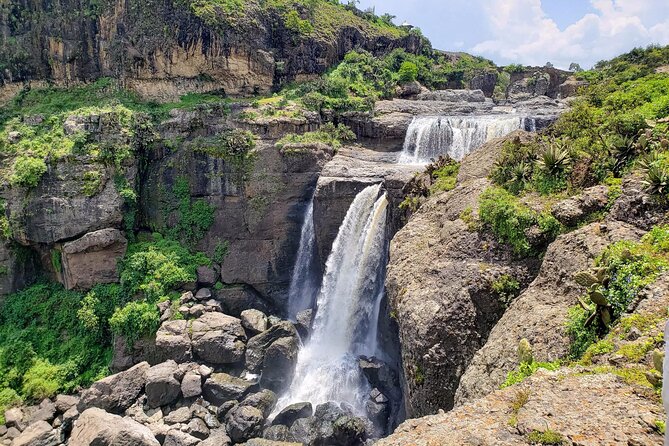
- Portuguese Bridge is a short but memorable stop, including a narrow span and dramatic cascading water in the rainy season.
- Blue Nile Gorge is the wildlife zone, with chances for geladas, vultures, and (for bird watchers) range-restricted species like Harwood’s Francolin.
- Coffee and lunch are part of the payoff, including Ethiopian coffee/tea and an Ethiopian lunch geared to vegan needs.
- Small group size (max 15) helps you actually see and hear things on the way out of Addis.
- Shoes and patience matter, because the area can mean rocky walking and long road time.
Debre Libanos: cliffside churches tied to Tekle Haymanot
Debre Libanos Orthodox Church is the kind of place where the setting does half the work. The monastery complex sits on a terrace between cliff and gorge, overlooking tributary country of the Abbay River system. It’s also one of the older anchors of Ethiopian Orthodox tradition: tradition ties its founding to the 13th century and Saint Tekle Haymanot, who is said to have prayed or meditated in a cave for 29 years.
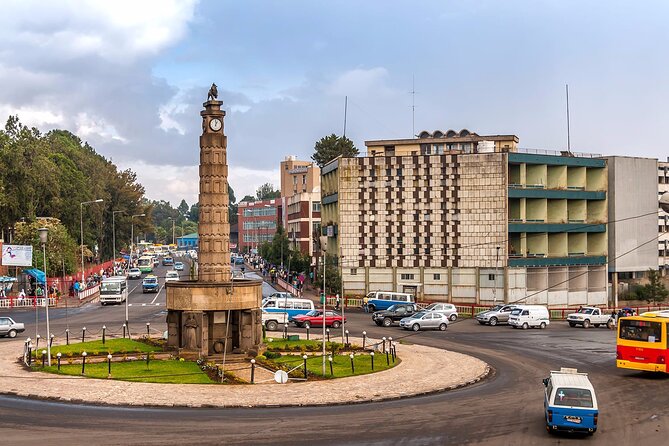
Inside today’s complex, the big draw is how the buildings connect you to saints and story. The church over Tekle Haymanot’s tomb is a key stop, and it was ordered by Emperor Haile Selassie and built in 1961. Nearby, you’ll also find the Church of the Cross, which is said (based on what guides at the site are commonly told) to preserve a fragment of the True Cross. And you may notice five religious schools included in the complex—this isn’t just a sightseeing backdrop, it’s still a working spiritual place.
What I like here for your experience is the contrast: you’re looking at living faith and specific architecture, not just old stones from a distance. Your time is around two hours, which is enough to slow down and actually understand what you’re seeing.
The only real consideration is pace and dress. The tour notes a formal dress code. In practical terms, that means you should bring clothing that covers appropriately and still feels comfortable if you’re doing stairs or walking on uneven ground around the terrace.
You can also read our reviews of more tours and experiences in Addis Ababa.

Portuguese Bridge near Debre Libanos: narrow span, big views
After the monastery, the day turns into scenery hunting. The Portuguese Bridge stop is near Debre Libanos, and it has a neat twist in its story. Portuguese builders are credited with a 16th-century origin, but the bridge you see today was actually built around the turn of the 19th century by Ethiopians—using an old Portuguese style. That blend of influences is part of why it’s visually interesting even before you look closer.
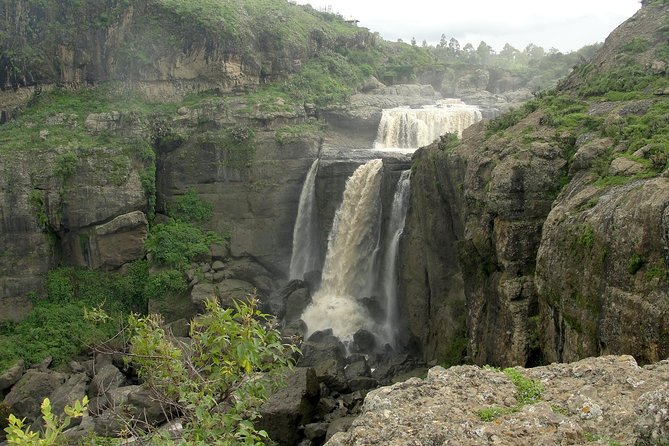
The bridge itself is narrow, which is what makes it photograph well. Below it, the water can look dramatic, especially in the rainy season when the cascade is more forceful. The gorge setting also means you’ll often get better views by taking your time and stepping to safe viewpoints rather than trying to crane from one spot.
There’s also a walking component here, and that’s where your preparation matters. One clear piece of advice: expect hilly, rocky terrain. If your shoes are more for city streets than uneven paths, you’ll feel it by the end of the day. Bring footwear with grip, and don’t count on a smooth surface.
Even if you are not a big bridge person, the combination of the gorge backdrop and the water sound does something useful. It makes the whole trip feel tied to place, not just checked off on a list.
Blue Nile Gorge for geladas, vultures, and birdlife
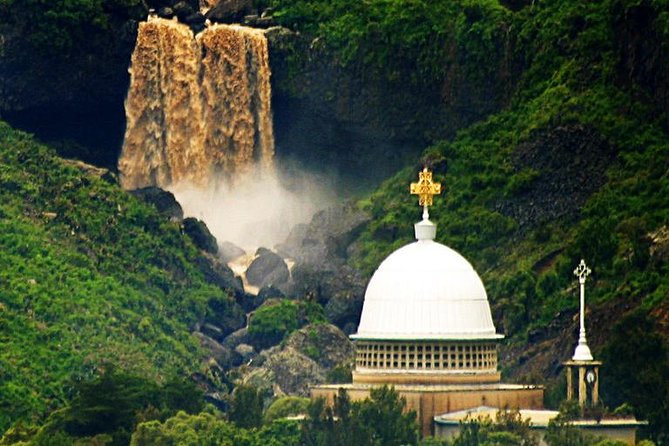
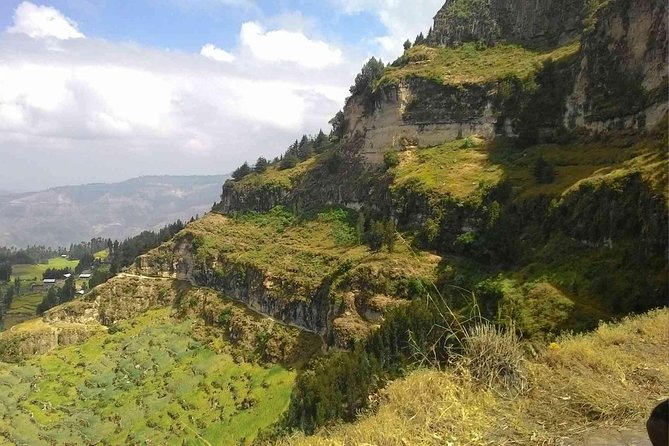
The Blue Nile Gorge stretch is the part many people remember most. The scenery is intense—deep cuts in the land, strong lines of rock, and a sense that the river system carved the place over a long time. This is also where the wildlife focus kicks in.
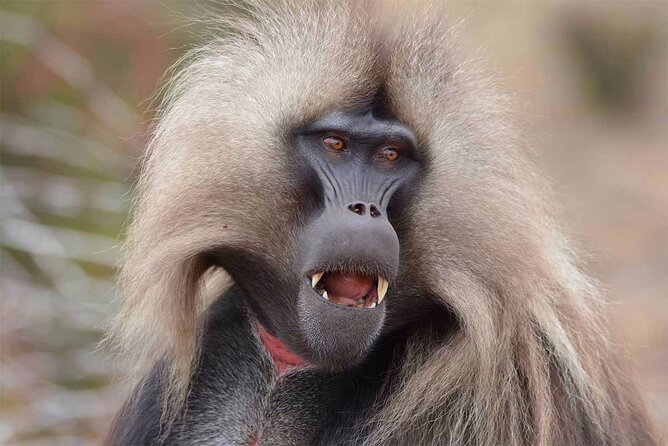
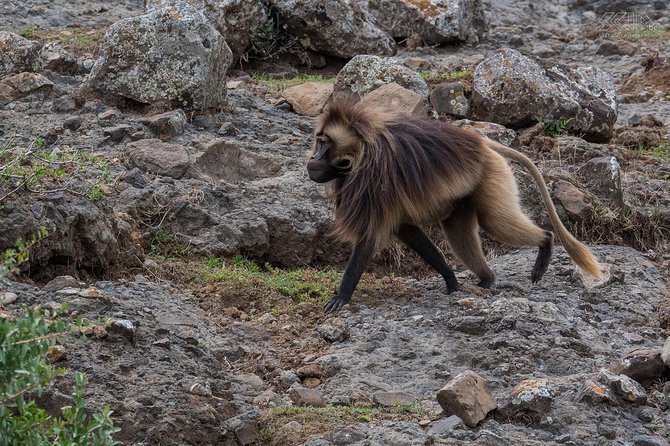
First target: Gelada monkeys (often called bleeding heart baboons). In many areas around Addis, geladas are the star because they can appear in groups on the cliffs and slopes. The tour is designed to watch for them as you’re in the gorge area, and it’s not just a random drive-by. Your guide will be looking for sightings while also keeping you oriented in the terrain.
Second target: birds. The Jemma Valley and nearby areas are known for bird watching, and the tour highlights a list of species you might spot. If you’re into birding, this is one of the more rewarding parts of the day, because it gives you a reason to slow down and scan. The species noted include Harwood’s Francolin, Banded Barbet, Black-headed Forest Oriole, White-billed Starling, Red-billed Starling, White-winged Cliff Chat, White-backed Black Tit, White-cheeked Turaco, and Hemprich’s Hornbill.
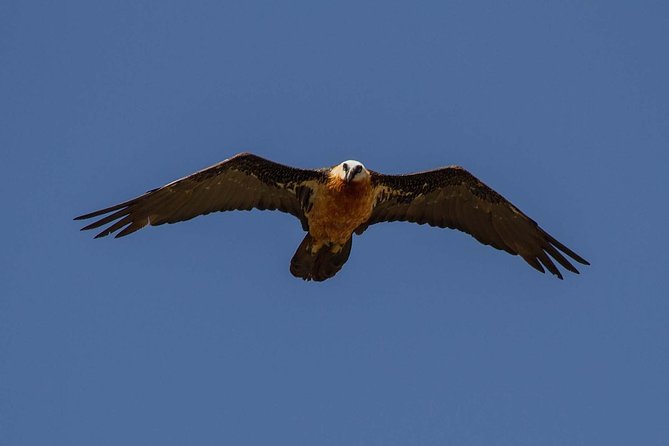
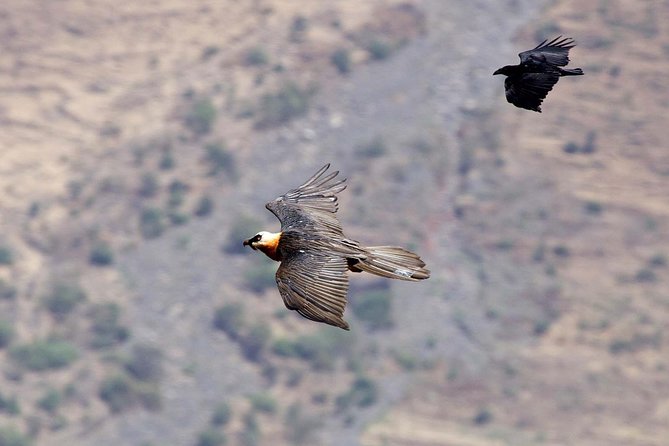
Third: vultures. In the gorge, you may see several types of vultures, including Lamergeyer’s, Ruppell’s, and Lappet-faced vultures. If you’re not a bird person, vultures are still a good sign of the ecosystem working—because where you see them, you’re often looking at real food-chain dynamics overhead.
Here’s the balanced truth: animals are animals. One disappointment in the set of experiences is the chance of missing geladas in certain conditions or seasons. So if geladas are a must-do for you, treat this as a high-likelihood outing, not a guarantee. Keep your day open to other wildlife and scenery too. When the monkeys are there, it’s spectacular; when they are not, the gorge still delivers.
Also, keep in mind the birding segment may be short and scanning-based rather than a long trek. That’s fine. Short, focused watching can still be rewarding when you’re in the right habitat.
Ethiopian coffee ceremony, lunch, and the human side of the day
After monastery and gorge, the day needs a reset. You’ll get a chance to experience Ethiopian coffee—typically coffee/tea is included, and the tour description specifically frames this as a traditional coffee moment. In practice, that means you’re not just drinking something hot. You’re stepping into a small cultural routine that Ethiopians take seriously, and it helps you cool down after time outside.
Lunch is included, and the description calls out Ethiopian lunch for vegan needs as well. That’s a big value point. A long day tour can quietly fail when food doesn’t work for you. Here, at least the lunch piece is planned, and there’s bottled water included too.
The tour highlights mention a traditional dinner and a folk dancing event as a way to finish the day. At the same time, dinner is listed as not included. So I’d handle this one with a simple question when you book: what exactly is covered at the end of the day, and is the folk dancing tied to a meal spot or scheduled as a separate stop? Clear expectations help you enjoy it rather than wonder about it.
On the plus side, multiple experiences from different guides and driver pairings describe the food and coffee moments as standouts. When a day trip includes one of these slower, social breaks, it turns a drive-and-look day into something with warmth.
Timing, roads, and how to dress for a formal day in the wild
This is an 8 to 9 hour day, give or take. The start point is Bole Airport, with airport pickup offered. That makes it handy if you’re on a layover or have limited time. One practical note: road time out of Addis can be long, and traffic and road conditions can feel rough. In at least some experiences, the driver’s skill is specifically praised for handling the trip safely.
Group size stays small, with a maximum of 15. That matters more than it sounds. On a small group day, you are less likely to get stuck waiting while everyone else slows down, and it’s easier for the guide to adjust the pace if you spot monkeys or birds ahead.
Dress code is listed as formal. That’s unusual for a day that includes rocky terrain walking. The compromise is simple: dress in a way that meets the formal requirement but still lets you move comfortably. Think long pants, a shirt that covers appropriately, and layers you can remove if the sun warms things up.
Pack for walking and temperature changes. Even if the hike segments feel short, you want grip underfoot. The day includes water, but you should still protect yourself from sun and fatigue. If you’re sensitive to long drives, bring a light snack for after lunch as backup, just in case.
Finally, since you’re starting from the airport area and likely leaving soon after pickup, you’ll want to arrive ready rather than trying to coordinate too much on your own. A mobile ticket is included, which helps you keep the day smooth once you’re meeting up.
Price and value: $90 that includes the hard parts
At $90 per person, the big question is whether you’re paying for transport and entry fees—or just paying for a guide’s time. Here, entrance fees are included, and transport is included as part of the day package. In a country where individual site fees can add up, bundling these helps you keep the budget under control.
You also get lunch, bottled water, and coffee/tea included. That’s another hidden cost removed. If you were to do this solo, you’d likely spend on a private driver, pay multiple site entries separately, and still have to cover your own meals and coffee stops. This tour is basically designed so the expensive pieces are already handled.
So who gets the best value? People who want a full day outside Addis without managing a private itinerary, and people who want the chance at geladas and birds without doing the logistics themselves. If you already have a reliable local driver and you’re comfortable planning monastery stops plus gorge stops, the value becomes more mixed. But for most visitors, especially those short on time, this is a straightforward way to use one day well.
Guide quality matters: seeing more because someone explains it
A big part of why this trip lands well for many people is the human layer: guides and drivers help you notice what you’d otherwise miss. Several named guides appear across experiences, including Sis / Sissay, Jose, and Yihun. Drivers mentioned include George and Niko.
Here’s why that matters. Debre Libanos isn’t just a church. You’re walking through a complex that includes churches tied to saint tradition, tomb context, and a present-day educational function. If the guide can translate what you’re seeing into story and meaning, your two hours becomes more than sightseeing.
In the gorge, explanations also help with wildlife watching. If you know what you’re scanning for—geladas in the right terrain, or birds in the right habitat—you get more out of the waiting time. Even when wildlife sightings are hit-or-miss, a good guide turns the scenery stops into a guided learning moment rather than time spent wondering.
The formal dress code can feel confusing until a guide helps you understand what to expect. And if you’re doing the hike portion, a guide’s pacing and safety sense can make the difference between feeling tired and feeling wrecked.
Who should book this day trip from Addis Ababa?
Book this if you want a day that’s not only about monuments. You’re getting monastery culture, a historic bridge stop, and a gorge wildlife section that can reward you with geladas, vultures, and birdlife. It’s also a good fit if you like small-group days and want pickup organized from the Addis airport area.
You might skip it if:
- You cannot handle uneven, rocky walking at all, because the hike component is part of the route.
- Your one non-negotiable is geladas every time. Sighting depends on conditions, and you’ll want flexibility.
- You prefer a fully relaxed, sit-in-a-car sightseeing schedule.
Also, if you’re going as a solo traveler, the setup can work well because the group stays small and pickup is arranged. It’s one of those day trips that can feel reassuring when your time window is tight.
If you do book, my practical advice is simple: wear grippy shoes, bring layers, and ask about the end-of-day food and any folk dancing timing so you’re not guessing. Then go in with the mindset of seeing culture plus nature, not forcing a single animal outcome.
FAQ
How long is the tour?
The duration is about 8 to 9 hours.
Where does the tour start?
The meeting point is Bole Airport in Addis Ababa, Ethiopia.
What does the tour price include?
The price includes attraction fees, transport, bottled water, coffee and/or tea, and lunch. Entrance fees are included as part of the day.
Is dinner included?
No. Dinner and hotel are listed as not included.
Do I need special shoes?
The day includes a hike over hilly, rocky terrain, so appropriate shoes are important.
How many people are in the group?
The maximum group size is 15 travelers.
Is Ethiopian coffee included?
Yes. The tour gives you a chance to experience Ethiopian coffee, and coffee and/or tea is included.
What sites are visited?
You’ll visit Debre Libanos Orthodox Church, the Portuguese Bridge, and the Blue Nile Gorge area for views and wildlife.
What is the dress code?
A formal dress code is listed.
Can I cancel for a full refund?
Yes. You can cancel up to 24 hours in advance for a full refund.