REVIEW · STELLENBOSCH
Stellenbosch: Guided Historical Walking Tour
Book on GetYourGuide →Operated by Stellenbosch on Foot · Bookable on GetYourGuide
Stellenbosch tells its story on foot. This 90-minute historical walking tour threads together shaded oak avenues, Cape Dutch buildings, and the town’s survival through devastating 18th-century fires. You’ll hear how the settlement grew from a river outpost into today’s university town.
I especially like the expert local storytelling—guides such as Johan NEPGEN and Marlene are praised for making the facts stick with clear, often humorous anecdotes. And you get a satisfying mix of landmarks, from the village green to Dorp Street and the gravitas of Moederkerk.
One thing to plan for: this is a walking tour. Bring comfortable shoes, and be ready for uneven old-town sidewalks and a steady pace over the 1.5 hours.
In This Review
- Key things to know before you go
- A walking tour that gives Stellenbosch context fast
- Where the tour starts: Church Street in the center of it all
- The “village of the oaks” and why the Mill Stream matters
- Simon van der Stel, the Eerste River, and the founder story that anchors it all
- “Angel Factory” and Moederkerk: the lighter side and the heavier side
- The Braak (village green) and how public space shapes a town
- Dorp Street: the oldest residential street in South Africa
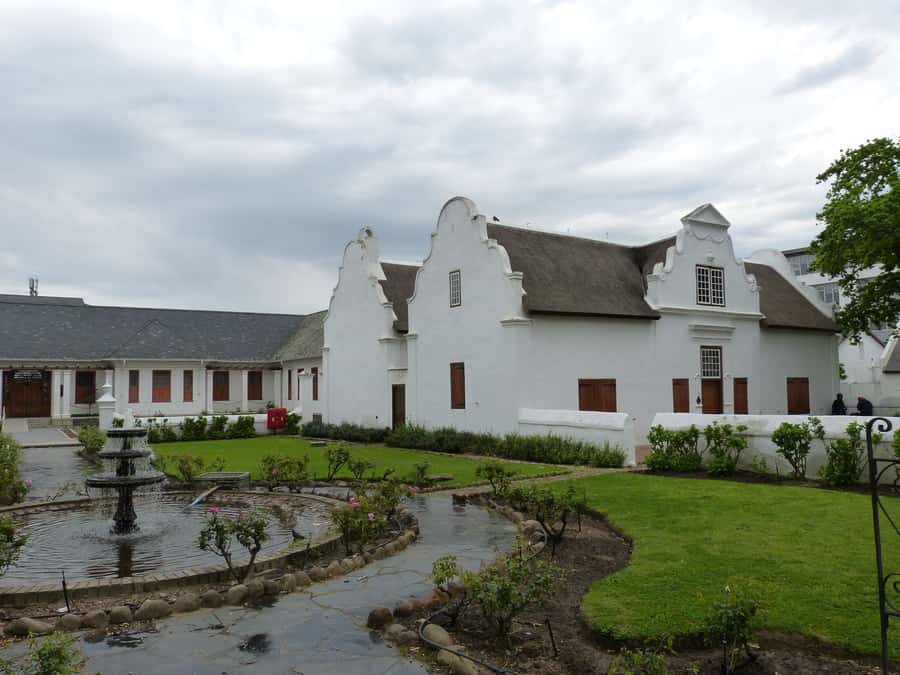
- Cape Dutch architecture: look for patterns, not just facades
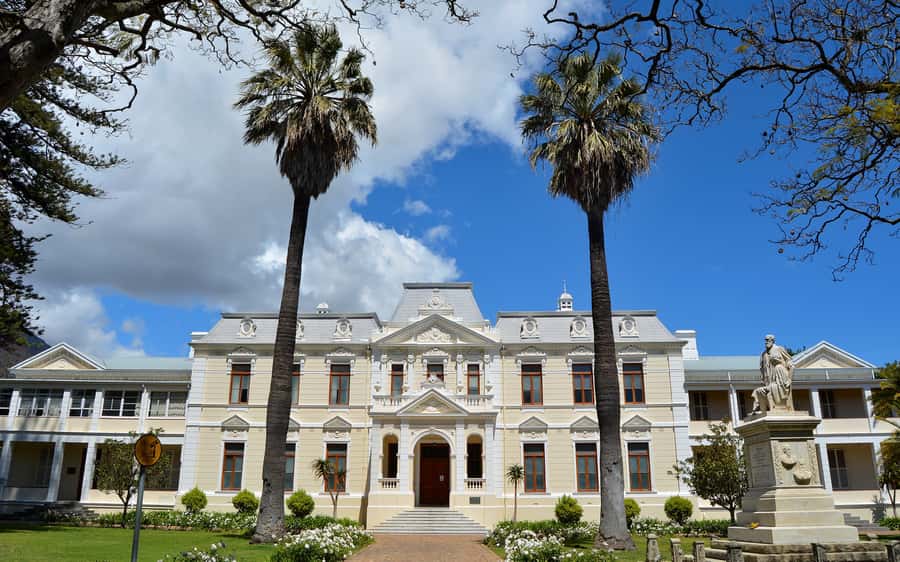
- Stellenbosch University and famous graduates that connect past to present
- Guide quality is the whole game here (and you have proof)
- Price and value: why $18 is a smart use of time
- Practical tips so the walk feels easy
- Who should book this tour?
- Should you book the Stellenbosch Historical Walking Tour?
- FAQ
- How long is the Stellenbosch guided historical walking tour?
- How much does it cost?
- Where do I meet the guide?
- What language is the tour in?
- Is the tour wheelchair accessible?
- What should I bring?
- Are pets allowed during the tour?
- Is transportation included?
- What’s not allowed during the tour?
- Quick booking call
Key things to know before you go
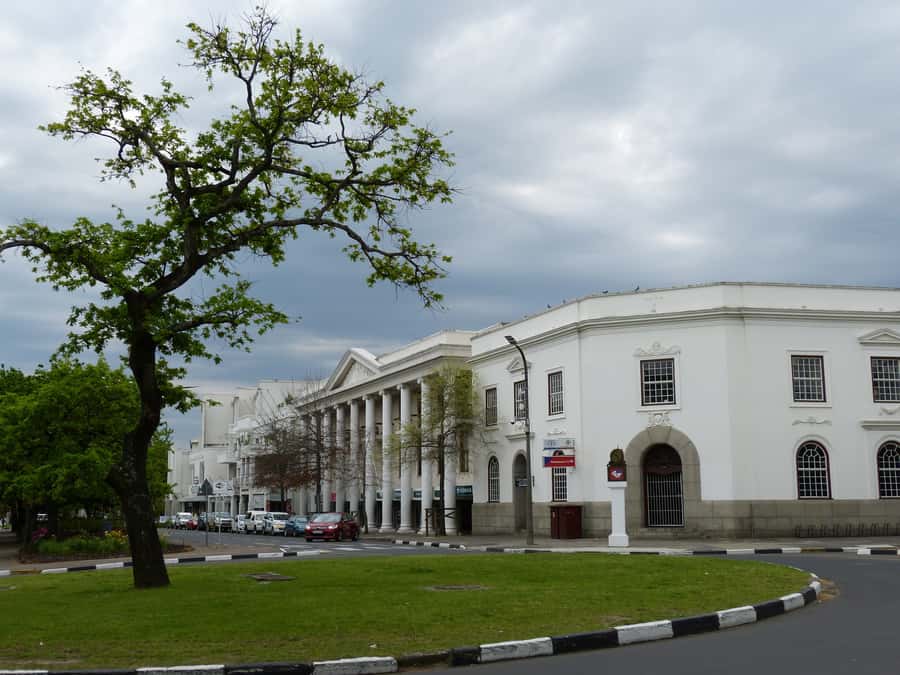
- Oak avenues and water furrows along the Mill Stream area set the tone fast
- Cape Dutch architecture is pointed out street by street, not in a vague way
- Stories include the 18th-century fires that nearly wiped Stellenbosch out
- You’ll hear about Simon van der Stel’s camp near the Eerste River
- Stops cover “where history lives” like the Braak (village green) and Dorp Street
- Many guests love the guide’s pace and Q&A energy, with tours sometimes small or even solo
A walking tour that gives Stellenbosch context fast
Stellenbosch can look like a postcard the moment you step into its historic core. But a self-guided wander only gets you so far. This tour is built for the moment when you want names, dates, and reasons—without turning the town into a lecture.
The route focuses on the oldest, most readable parts of town: the roads laid out around water and movement, the architecture that signals status and trade, and the landmarks that show how the community rebuilt after disaster. The biggest payoff is how quickly the place starts making sense, including why the town still feels designed around its past.
At $18 per person for a 90-minute guided walk, it’s also a strong value. You’re paying for one thing that maps can’t provide: a human guide who can connect buildings to events and everyday life. If you’re thinking about a museum ticket, a long tour, or a pricey day trip, this is the “good first hour” that helps you plan the rest of your visit.
You can also read our reviews of more tours and experiences in Stellenbosch.


Where the tour starts: Church Street in the center of it all
You meet at 47 Church St, Stellenbosch Central. It’s in the heart of town, close enough that you can arrive, settle your shoes, and get oriented before you start moving. The guidance is to show up 15 minutes early so the group can start on time.
This timing matters more than you’d think. The tour is only 90 minutes, so you don’t want to be the person sprinting across the square while everyone else is already learning the story behind the next block.
English is the live guide language, which keeps things smooth if you want the details without translation lag.
The “village of the oaks” and why the Mill Stream matters
One of the first ideas you’ll get is that Stellenbosch grew in partnership with water. The tour moves through the village of the oaks, where shaded streets connect with the water furrows linked to the Mill Stream. It’s a clever setup: you’re not just looking at pretty trees, you’re learning why the settlement’s layout made sense.
The Mill Stream and its surrounding features help explain the town’s early rhythm—where people could work, move, and survive. Even if you’ve seen Stellenbosch photos before, this is the part that turns the background into a lived system.
You’ll also pick up a strong sense of Cape Dutch influence—how architecture and layout reflect the values and ambitions of the community as it expanded across the centuries.
Simon van der Stel, the Eerste River, and the founder story that anchors it all
A key stop is tied to Simon van der Stel, the colonial founder. You’ll hear about where he set up camp on the Eerste River and how the river got its name. This is one of those moments where a simple historical detail makes the rest of the town feel less random.
Once you know where the settlement began, later landmarks stop feeling like separate postcards. They start reading like chapters in one story: water first, then roads, then buildings, then the institutions that followed.
“Angel Factory” and Moederkerk: the lighter side and the heavier side
The tour doesn’t keep things only academic. Along the way, you might hear about the Angel Factory, where visitors sometimes expect a surprise. It’s the kind of stop where local tradition and interpretation make history feel closer.
Then the mood shifts with Moederkerk, including the graveyard setting. You’ll hear tales associated with the site, and the tone turns more reflective. Even if you don’t take the supernatural angle literally, the effect is the same: it reminds you that this town has long memories and that people built places for both ceremony and community.
This contrast is part of why guests rate the tour so highly. It feels like a real conversation with a local, not a checklist.
The Braak (village green) and how public space shapes a town
A big highlight is the Braak, the village green. You’ll amble through it with historical buildings framing the space on multiple sides. This is one of those locations where you can sense how the town worked—where residents gathered, where the community showed itself, and where everyday life met the formal world.
A village green is more than a scenic spot. It’s a social engine. When you hear the stories tied to it, you understand why Stellenbosch evolved the way it did: buildings didn’t appear in isolation. They grew around shared space and repeated routines.
Dorp Street: the oldest residential street in South Africa
Next is Dorp Street, described as the oldest residential street in South Africa. That’s a bold claim, but it’s a useful anchor point. Standing on a street like this, you can’t help thinking about continuity—generations living within a framework that’s still visible.
What makes this stop work is how the guide ties the street to the people who lived there and the patterns that shaped the town. Instead of just saying the street is old, the guide helps you notice what oldness looks like: scale, spacing, and the way buildings face the road.
Cape Dutch architecture: look for patterns, not just facades
You’ll spend time admiring Cape Dutch architecture, but the better part is how you’re taught to “read” the buildings. In a self-walk, it’s easy to appreciate the look and miss the meaning. Here, architecture becomes evidence—signals of time period, social role, and the way the town rebuilt after hardship.
One of the strongest themes in the storytelling is the town’s near-disaster history. You’ll learn about the devastating fires in the 18th century that nearly wiped Stellenbosch out, and how that pressure shaped what came next. It’s not just tragedy for drama. It’s an explanation for why certain parts of the town feel like they carry momentum—and why rebuilding shows up in the built environment.
Stellenbosch University and famous graduates that connect past to present
Because Stellenbosch is also a university town, the tour helps bridge the centuries. You’ll hear about Stellenbosch University graduates, including prime ministers and sportsmen. It’s a reminder that a historic town can keep producing influential people without losing its identity.
This part is especially useful if your day includes wine estates and landscapes. Those are great, but they can make the town feel like a detour. The university thread keeps Stellenbosch grounded as a living place with ongoing impact.
Guide quality is the whole game here (and you have proof)
The biggest advantage isn’t the map—it’s the guide. The tone you’ll hear from the guides praised most is clear and personable, with a strong ability to answer questions. Names that come up often include Johan NEPGEN, Marlene, Juliana, Julietta, and Maureen.
Common praise points are consistent:
- Good humor and pacing that keeps 90 minutes from dragging
- Clear explanations that connect landmarks to bigger South African history
- Strong Q&A, where answers don’t stop at short facts
- Stories that feel tailored, not copy-pasted
One guest even reported a tour for four people plus the guide, and another described a solo experience. That matters because small-group format makes it easier to ask questions without waiting.
Price and value: why $18 is a smart use of time
$18 for 90 minutes is not a lot of money, but the real value is what you “buy” with the time.
This tour helps you:
- Get your bearings fast so you stop guessing where to spend the rest of your day
- Understand what you’re seeing, especially with Cape Dutch details and the founder story
- Avoid the frustration of reading signs that don’t give you the full context
If you only have a short window in Stellenbosch, this is often the best spend per hour. If you have more time, it becomes your foundation: you’ll recognize places later, and you’ll be better at choosing what to revisit on your own.
Practical tips so the walk feels easy
This is a walking tour, so a few small choices make a big difference.
- Wear comfortable shoes. That’s the main instruction, and it’s the right one for old streets and sidewalks.
- Plan to arrive 15 minutes early at Church Street so you start relaxed.
- You should expect an outdoor walk. If you know Stellenbosch weather can swing, bring a light layer.
Also, keep in mind the rules: pets aren’t allowed, and alcohol and drugs aren’t allowed. If you’re thinking of turning the tour into a casual sip-and-stroll, you’ll want to do that before or after, not during.
Wheelchair accessibility is listed, but since this is still a walking route, the smoothness may vary by street. If you need specific support, it’s worth checking with the operator ahead of time.
Who should book this tour?
This works best if you:
- Like history but want it explained in plain language
- Want architecture context, not just photos
- Prefer a guided stroll over sitting still
- Are visiting for the first time and want Stellenbosch life—past and present—in a short window
It’s also a good match for people who want a balanced tone: you’ll get serious backstory (founding, disaster, rebuilding) plus lighter local character.
If you dislike walking, hate questions, or want only museum-style exhibits, you may find it too mobile. But for most people, it’s a “good hour and a half” that pays off all day.
Should you book the Stellenbosch Historical Walking Tour?
If you’re spending time in Stellenbosch, I’d book it. Not because it replaces self-guided wandering, but because it gives your wandering meaning.
For $18, you’re getting a guided walk that connects oak-lined streets, Mill Stream water story, Simon van der Stel, Cape Dutch architecture, the Braak, and Dorp Street—plus the town’s survival through major fires. Add guides like Johan NEPGEN and Marlene, known for clear, humorous storytelling and strong interaction, and you have a tour that’s easy to recommend.
Only skip it if you have limited mobility or you truly hate walking. Otherwise, this is one of the easiest ways to make Stellenbosch feel like more than a pretty stop.
FAQ
How long is the Stellenbosch guided historical walking tour?
It lasts 90 minutes.
How much does it cost?
The price is $18 per person.
Where do I meet the guide?
Meet at 47 Church St, Stellenbosch Central, Stellenbosch, 7599. Arrive 15 minutes early.
What language is the tour in?
The tour guide speaks English.
Is the tour wheelchair accessible?
Yes, it is listed as wheelchair accessible.
What should I bring?
Wear comfortable shoes for walking.
Are pets allowed during the tour?
No, pets are not allowed.
Is transportation included?
No. Transportation to or from the starting location is not included.
What’s not allowed during the tour?
Alcohol and drugs are not allowed.
Quick booking call
If your goal is to understand Stellenbosch quickly and see more than just the surface, this guided walk is a strong first choice. If you want, I can also suggest how to pair it with a tasting or a second afternoon plan based on how much time you have in town.