REVIEW · AQABA
Wadi Rum Full Day Jeep Tour + Overnight & Dinner in Bedouin Camp
Book on Viator →Operated by Wadi Rum Desert Dreams · Bookable on Viator
Wadi Rum hits different at night. This small-group jeep tour crams in major sights, then lets you slow down for a Bedouin-style overnight in a panoramic tent with glass siding (if available), with dinner and breakfast included. I especially like that your day is paced around real photo points and short walks, so you’re not stuck in one long vehicle slog.
One thing to plan for: you’ll do some walking on sand and canyon steps, and the desert can feel seriously hot, including at camp when airflow is limited. Bring water habits and sun protection, and you’ll be fine.
In This Review
- Key highlights worth caring about
- Wadi Rum by Jeep, Then Sleep Inside the View
- Meet at Wadi Rum Village and Start Like a Local
- Day 1 Jeep Route: Springs, Canyons, Dunes, and Bridges
- Wadi Rum Village (Rest House start point)
- Lawrence’s Spring: the desert’s quiet oasis
- Khazali Canyon (Jebel Khazali): inscriptions in the rock
- Red Sand Dune: climb it, then enjoy the view
- Little Bridge: a shorter climb with big photo payoff
- Umm Fruth Rock Bridge: the classic, 15 meters up
- Traditional Bedouin Lunch: warm food in open air
- Abu Khashaba Canyon: a green pocket walk
- Lawrence’s House: the stone stacks and wide desert views
- White Desert: same world, different look
- Mushroom Rock: silly-looking shape, serious shelter logic
- Burdah Rock Bridge: see it from near, climb it separately if you want
- Sunset Viewpoint: tea on the fire as the sky changes
- Dinner, Camp Comfort, and the Overnight You’ll Remember
- Day 2 Morning: Panoramic Breakfast and Back to the Village
- Price and Value: What $107.87 Covers (and Why It’s Fair)
- Practical Tips: Heat, Footwork, and Getting the Most from Each Stop
- Should You Book This Wadi Rum Full-Day Jeep Tour With Overnight?
Key highlights worth caring about
- 15 travelers max keeps the pace human and the guide responsive.
- All-inclusive meals: lunch plus dinner, with tea and bottled water.
- Overnight panoramic tent with glass siding is a big part of the magic (subject to availability).
- Classic Wadi Rum stops like Lawrence’s Spring, Khazali Canyon, and Umm Fruth Rock Bridge.
- Sunset viewpoint tea is built into the experience, not an afterthought.
Wadi Rum by Jeep, Then Sleep Inside the View
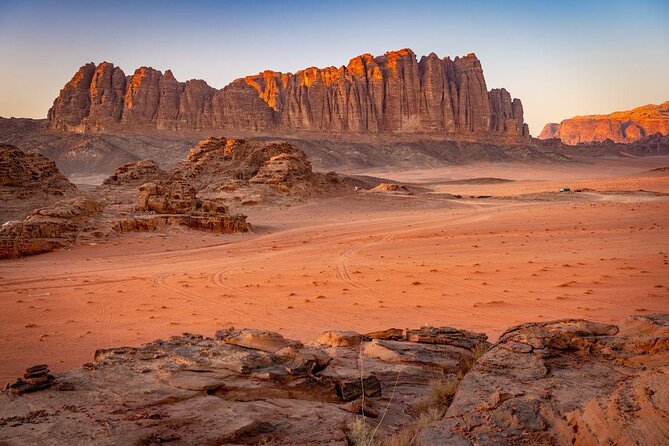
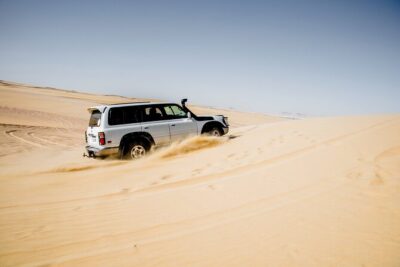
Wadi Rum is the kind of place where the day feels like a movie set and the night feels like you dropped into a different planet. The best part of this experience is that it’s not only about seeing the desert once. You ride through the red-rock highlights by rugged jeep during the day, then you stay overnight so you get the same areas under different light.
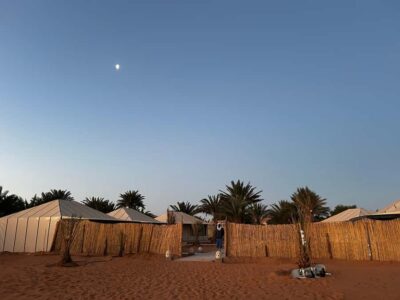
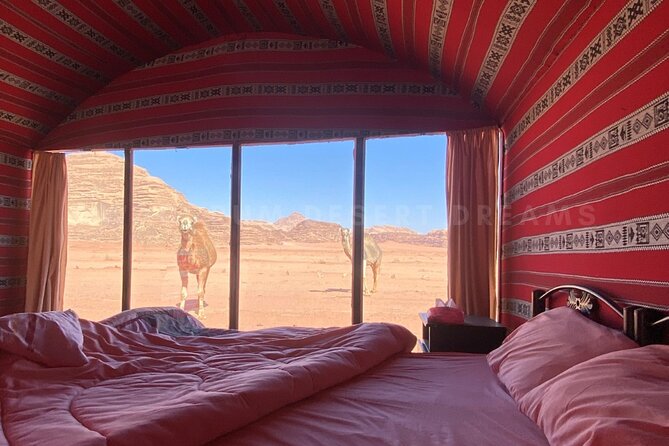
That overnight matters. Daytime in Wadi Rum is all heat, movement, and dust. Night brings calm, and the camp setup means you can watch the sky change without sprinting to the next stop. If you’re lucky with the tent assignment, you’ll get a panoramic tent with glass siding, which can make the whole experience feel more open and less like you’re shut inside a canvas box.
Also, this tour is capped at 15 travelers. That small group size changes everything: shorter waits, easier conversations with your guide, and more flexibility when you pause for photos or want a better look at inscriptions and rock shapes.
You can also read our reviews of more tours and experiences in Aqaba.
Meet at Wadi Rum Village and Start Like a Local
You meet at the Rest House in Wadi Rum Village, and the jeep portion usually begins around 10:00. This is a practical setup because the village is where you can orient yourself fast, grab a souvenir if you want one, and confirm everything with the team before you head out.
It’s also a nice moment before the desert swallows your phone battery. Once you’re loaded and rolling, you’ll be out in Wadi Rum’s protected area for most of the day, with stops that mix easy viewing and short hikes.
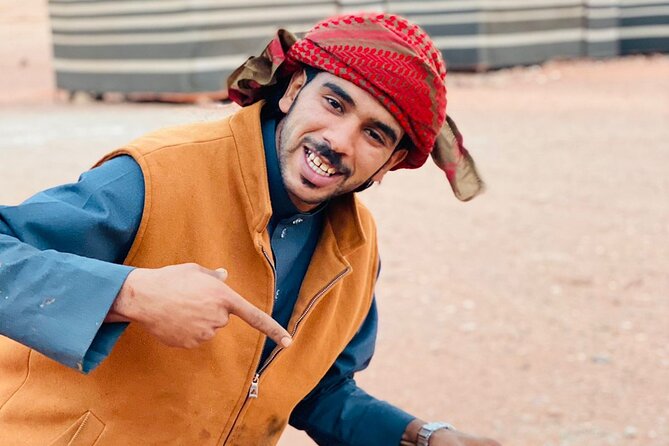
A good sign from the guide side: people have mentioned guides such as Bakhir, Tamir, Omar, Yasser, and Salama leading the experience. Different guides bring different story styles, but the consistent theme is clear: you’ll be moving, snacking, and learning as you go.
Day 1 Jeep Route: Springs, Canyons, Dunes, and Bridges
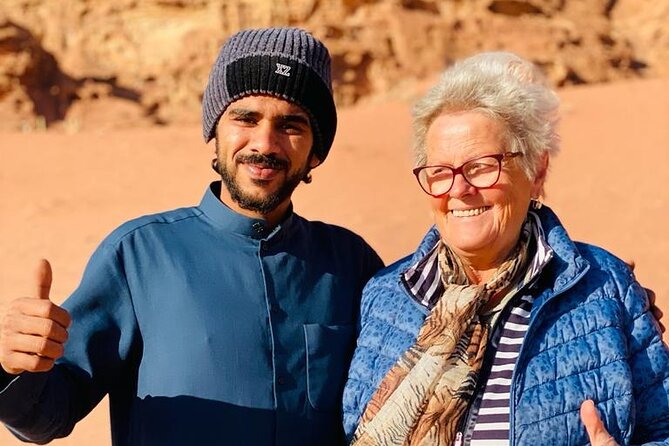
Day 1 is packed, but it’s packed with variety. You go from oasis-like pockets of green to narrow canyons marked with ancient inscriptions, then to rock formations that are basically made for photos.
Here’s how the stops usually feel, in order:
Wadi Rum Village (Rest House start point)
You’re in the right place to begin. You’ll meet at the Rest House in the village, then start the jeep tour once everyone is welcomed and present. A practical perk: the tour includes transfer to and from Wadi Rum Village, so you’re not handling a second complicated logistics thread on your own.
Lawrence’s Spring: the desert’s quiet oasis
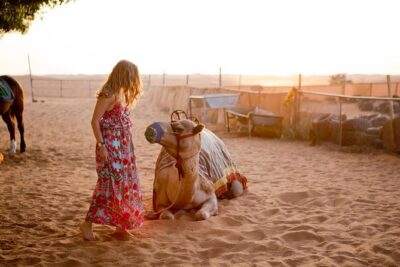
At Lawrence’s Spring, you’ll find cool water trickling down the mountainsides into shallow areas where camels hang out and moss forms a bright green contrast against the red sand. This stop is a reset for your brain. Even if you’re not much of a photographer, it’s hard not to pause here.
If you’re up for a bit more, you can climb for viewpoints and see Thamudic-origin inscriptions. This is one of those moments where you feel the place has layers, not just scenery.
Khazali Canyon (Jebel Khazali): inscriptions in the rock
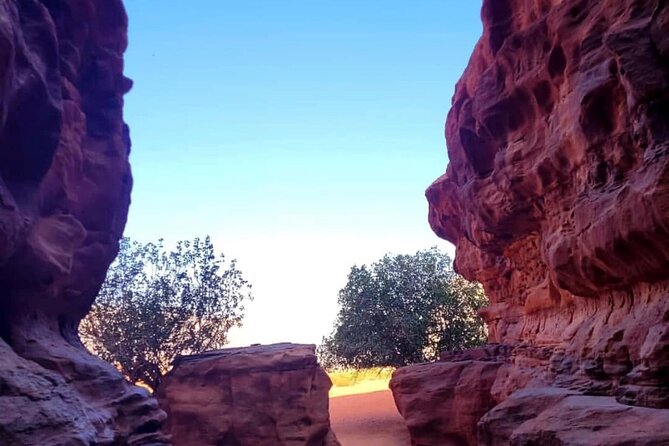
Khazali Canyon looks like ordinary mountains from the outside, then opens into a narrow space that makes the whole area feel more ancient and more human. You’ll spot evidence tied to caravan travel between Egypt and Damascus and pilgrim routes toward Mecca.
Expect to see Thamudic, Nabatean, and Islamic inscriptions, plus petroglyphs of humans, animals, and even soles of feet. It’s short time on the ground, but it’s dense with meaning.
Red Sand Dune: climb it, then enjoy the view
The Red Sand Dune is famous for a reason. It owes its red color to iron oxide, and the sand is soft enough to make the climb feel like work, not just a stroll. Locals watching is part of the fun because they make it look easy.
From the top, you get panoramic views of the valley. Getting back down is usually where people switch from legs to speed: running or sandboarding is the vibe.
If you hate slow sand, this is still worth it, but keep your pace steady and plan to use both water and patience.
Little Bridge: a shorter climb with big photo payoff
Little Bridge is called little because it’s only a few meters high and generally easier to climb. The views still look impressive in photos, and it’s a good option if you want the bridge experience without committing to hours of hiking.
A thoughtful touch: after you come down, you can get sweet tea in the Bedouin tent area, plus the chance to relax and browse souvenirs if you want.
Umm Fruth Rock Bridge: the classic, 15 meters up
Umm Fruth is the most famous bridge in Wadi Rum. This one is built for photos, and you’ll likely use your guide for picture-taking so you’re not juggling a camera while climbing.
The bridge is about 15 meters high. The locals can scamper up and down like it’s a playground. For tourists, it’s more challenging, but the presence of small holes in the climb route helps make it manageable.
Practical advice: wear grippy shoes and don’t rush. The fun is in getting your shot safely.
Traditional Bedouin Lunch: warm food in open air
Lunch is served in a scenic viewpoint area while your guide prepares a traditional meal cooked outside over fire. The exact menu changes, but you can expect staples like vegetables, bread, hummus, and yoghurt, plus other local touches.
What makes this lunch good isn’t just the food. It’s the setting: you’re eating while the desert stretches around you, and you can explore nearby on a short hike while the meal cooks.
If you’re worried you’ll get hungry later in the day, you shouldn’t be. Bottled water and tea are part of the inclusions, and this lunch is substantial.
Abu Khashaba Canyon: a green pocket walk
Abu Khashaba Canyon is deep and narrow, with tall mountain walls and a calmer feel than the dune stops. You’ll see more plant life and hear birds, and there’s even a local trick: bottles are hung to collect rainwater so birds can drink.
The walk usually takes 30 to 45 minutes, and your guide meets you on the other side. It’s a great stop if you want a break from climbing and want something more about strolling and noticing.
Lawrence’s House: the stone stacks and wide desert views
Lawrence’s House ties the scene back to the story people associate with Wadi Rum. Historically, the Nabateans laid the foundation, and the location became known in the narrative around Lawrence of Arabia.
When you climb to the top, you’ll see countless piles of stones. The Bedouins used to stack stones as road markings, so each pile is both a visual cue and a cultural habit.
The payoff is the wide desert plain view, which makes it one of the easier stops to enjoy even if you’re tired.
White Desert: same world, different look
The White Desert is a noticeable shift. Instead of the red-sand focus, you get white sand, different rock formations, and a cooler-feeling landscape vibe.
This area is described as less heavily visited, which means you may get more quiet and more chance to spot wildlife. Even if wildlife doesn’t show up, the contrast between white and red sand in the distance is a great visual trick.
Mushroom Rock: silly-looking shape, serious shelter logic
Mushroom Rock gets its form from erosion, where the lower part wears faster than the upper part. Bedouins used rock formations like this for shelter, which gives the stop a practical connection rather than being only a quirky photo location.
If you like places that explain themselves with physical evidence, you’ll probably enjoy this one.
Burdah Rock Bridge: see it from near, climb it separately if you want
At Burdah, you’ll admire the bridge from a nearby stop during the jeep drive. The bigger climb to the bridge itself can take up to 4 hours, and that’s not included in the jeep portion. It can be booked via a hiking tour or on request.
That makes this stop flexible. You get the landmark without forcing everyone into a long hike, which is helpful for mixed fitness levels.
Sunset Viewpoint: tea on the fire as the sky changes
The sunset stop is set up like a little ritual. You’ll reach a secluded viewpoint where you overlook the wide desert scene while sweet Bedouin tea is prepared on the fire.
You can sit on a mat or in the sand and just watch the colors shift. This is the time when the whole day clicks into place, because the earlier stops were about arrival points and views, and now you’re watching the sky do its show.
Dinner, Camp Comfort, and the Overnight You’ll Remember
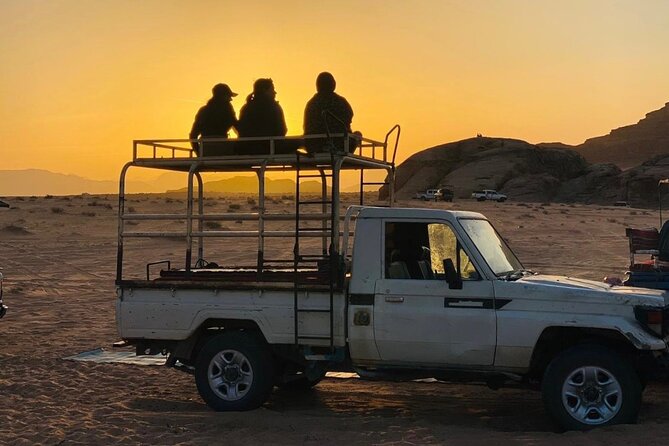
After the long day, the camp part is where you get to stop performing. The experience includes dinner, breakfast, and an overnight in your tent. Bottled water and tea continue to be part of the setup.
People have described camp facilities as clean, with things like flushing toilets and a shower that cools you down after the heat. Some mention it’s a cold shower, which is honestly what you want after a hot day in the desert. The key is that you’re not ending the day with only grit and no comfort.
The tent itself is special. If your assignment includes the panoramic tent with glass siding (subject to availability), you’ll get a more open feeling, especially at night. Just remember: desert nights can still be hot, and some mentions say airflow inside the rooms isn’t great. That doesn’t ruin the experience, but it helps to plan for warm sleep rather than expecting chilly comfort.
Dinner style is Bedouin-inspired, and that’s part of why it works. You’re not just eating after a tour. You’re switching into a slower rhythm that matches the setting.
Day 2 Morning: Panoramic Breakfast and Back to the Village
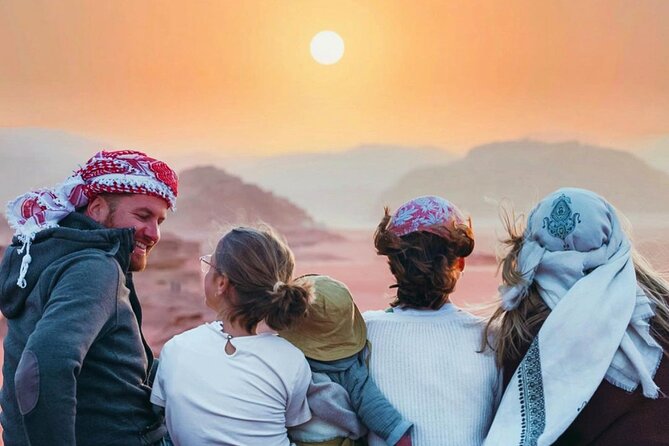
Day 2 starts at the camp with breakfast, usually served 07:00 to 08:00. This is when you get the clearest sense of scale, because the desert looks different in morning light, less sharp and more spread out.
After breakfast, you’ll head back to Wadi Rum Village, usually around 09:00, ending at the Rest House meeting point. You’re not rushed at the end, but it’s still a quick wrap compared to the energy of Day 1.
This works well if you’re continuing your Jordan trip afterward. You finish with your legs a bit rested and your phone full of photos you actually took when the light was good.
Price and Value: What $107.87 Covers (and Why It’s Fair)
At $107.87 per person for about two days, this is priced like a real “do the desert properly” package, not a budget day-trip with a leftover sandwich and a quick stop. Here’s what you’re paying for, and why it’s usually good value:
- Jeep time across major Wadi Rum highlights: that takes vehicles, fuel, and guide labor.
- Meals that keep you out of the desert hunger spiral: breakfast, lunch, and dinner are included, plus tea and bottled water.
- Overnight accommodation: the panoramic tent option (subject to availability) is a big part of the experience.
- Transfers to and from Wadi Rum Village: it’s one less thing you manage.
One extra note: the Visitors Center transfer costs extra (10 JOD) if you add it. Since that’s not included, check your plan if you were hoping to tack on museum-style time.
Is it expensive? Not compared to what you get. You’re buying convenience and time. In Wadi Rum, the biggest expense isn’t just money. It’s daylight and fatigue. This tour spends both wisely.
Practical Tips: Heat, Footwork, and Getting the Most from Each Stop
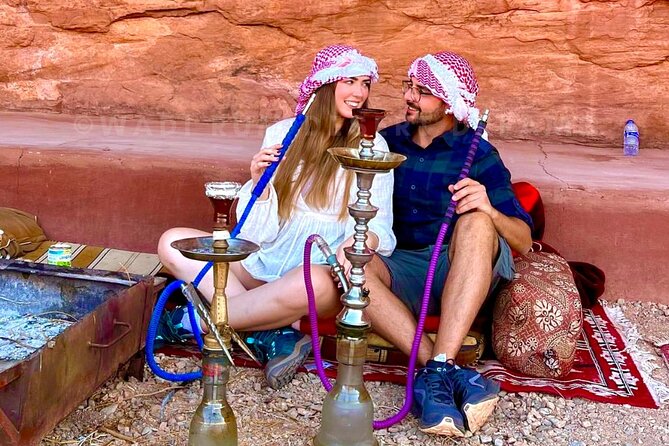
Wadi Rum can be dry, bright, and sneaky. The tour includes bottled water and tea, but it helps to act like you’ll need more than you think.
A few solid, experience-based tips:
- Wear grippy shoes. Sand and canyon surfaces can make even short climbs feel slippery.
- Use sun protection. One common piece of advice is simply to stay hydrated and expect lots of sun.
- Plan for desert walking. You’ll do short hikes and climbs at stops like dunes and bridges, and the tour calls for moderate physical fitness.
- Manage your expectations about camp airflow. Some people report it gets hot at night and there’s not much air movement inside the tent setup.
Also, don’t stress if a stop feels tougher than expected. The day includes lots of viewing plus short movement, so you can keep your pace and still enjoy the highlights.
Should You Book This Wadi Rum Full-Day Jeep Tour With Overnight?
If you want Wadi Rum to feel like more than a photo checklist, I’d book it. This is best for you if:
- You want two days of meaning, not just one long drive day.
- You care about the full Wadi Rum rhythm: ride, hike, eat outdoors, then slow down at sunset and sleep in the desert.
- You prefer a small group where you can ask questions and get a more personal experience.
Consider another option if you:
- Hate any sand walking or climbing (even short climbs can be demanding).
- Expect hotel-level airflow and climate control at night. The camp is comfortable for what it is, but it’s still desert camping.
Bottom line: this tour makes the classic Wadi Rum highlights reachable in a tight schedule, while the overnight gives you the part most day-trips can’t.