REVIEW · JERUSALEM
Full Day City Tour of Jerusalem
Book on GetYourGuide →Operated by Bein Harim Israel Tours · Bookable on GetYourGuide
Jerusalem in one hard-working day. I like how this route strings together first-class views from Mount Scopus and then drops you into the Old City, where history changes from street to street. You’re not just ticking sites—you’re walking through the logic of Jerusalem, from outlooks to passageways.
Two big wins for me: the Old City wandering (Jewish/Armenian areas, the bazaar, and the Roman Cardo) and the emotional weight of Yad Vashem. One thing to consider: this is a lot of walking, and in busy areas the pace can feel tight, especially in larger groups.
Key highlights at a glance
- Mount Scopus panoramic views to orient you before the Old City maze
- Western Wall area with the nearby Temple Mount and Dome of the Rock views
- Cardo (restored Roman road) giving a visible link between eras
- Via Dolorosa and Church of Holy Sepulcher with context for what you’re seeing
- Yad Vashem with time set aside for key halls like the Hall of Remembrance and Hall of Names (if time)
- Saturday Mount Zion add-ons can include the Hall of the Last Supper and David’s Tomb
In This Review
- Mount Scopus Sets the Tone Before You Enter the Old City
- Western Wall Area and the Old City First Walk: What You’ll Actually See
- Cardo and the Bazaar: The Roman Road That Changes Your Perspective
- Via Dolorosa and the Church of the Holy Sepulcher: Dense, Crowded, and Meaningful
- Mt. Zion and the Holy-Season Switch: Saturday Versus Other Days
- Yad Vashem: When the Day Turns Serious
- If Yad Vashem is closed: the tour’s substitution plan
- New City Time: A Break From the Stone Maze
- Walking, Crowds, and Group Size: How to Make This Day Work
- Price and Value: Is $75 Worth It?
- Who This Tour Fits Best (and Who Might Prefer Something Else)
- Should You Book This Full-Day Jerusalem Tour?
- FAQ
- FAQ
- What’s included in the tour price?
- Are food and drinks included?
- Which major sights does the tour cover?
- Can children join this tour?
- Is the Holocaust Museum always part of the day?
- Do I need to dress modestly?
- What languages are offered?
- Will I have audio at Yad Vashem?
- Is this tour wheelchair accessible?
Mount Scopus Sets the Tone Before You Enter the Old City
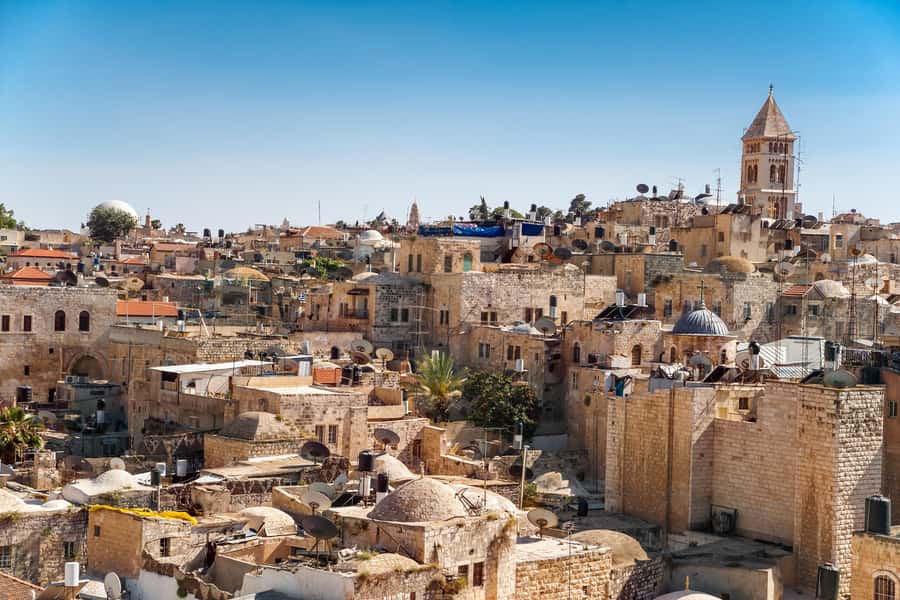
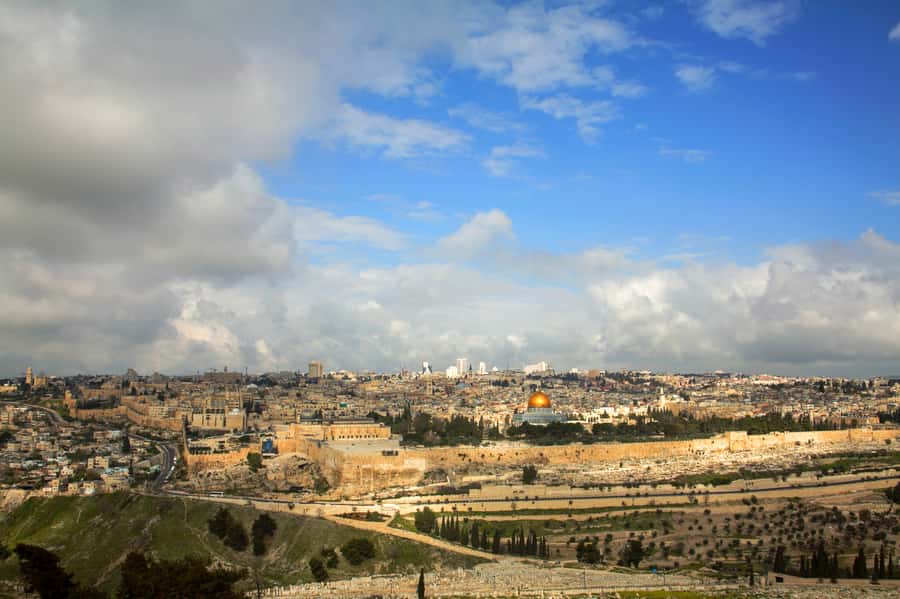
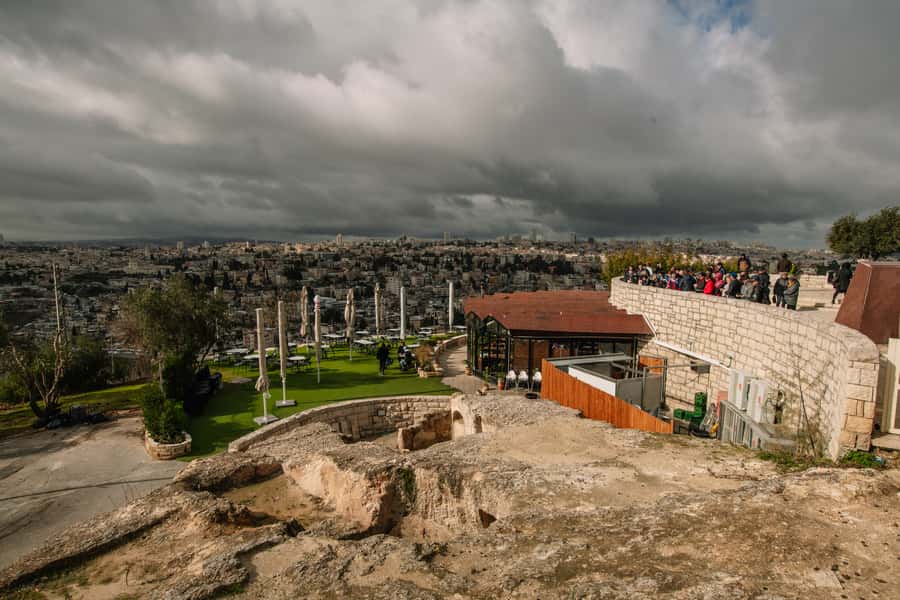
The day starts with an orientation stop at Mount Scopus, and that matters more than you’d think. From up there, Jerusalem stops being a blur and starts making sense. You get that big-picture view first, then you go down into the narrow streets where details multiply fast.
This is a practical move by the tour. Once you’ve seen where things sit relative to each other, landmarks inside the Old City stop feeling random. You’ll also have an easier time reading the skyline later when you’re back in transit.
If you’re the type who likes photos, this is your moment. Early light and wide angles make it easier to capture the city before you hit crowds and close quarters.
Western Wall Area and the Old City First Walk: What You’ll Actually See
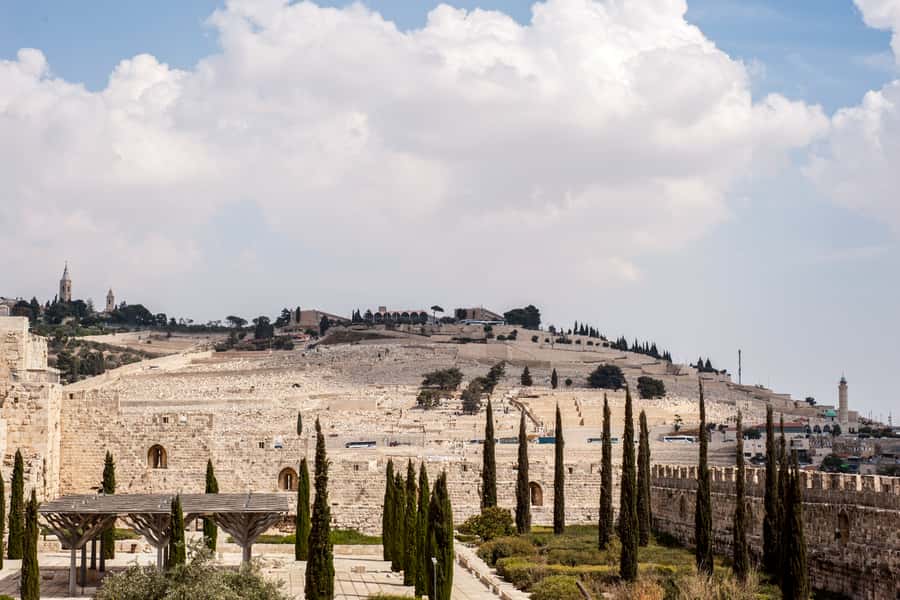
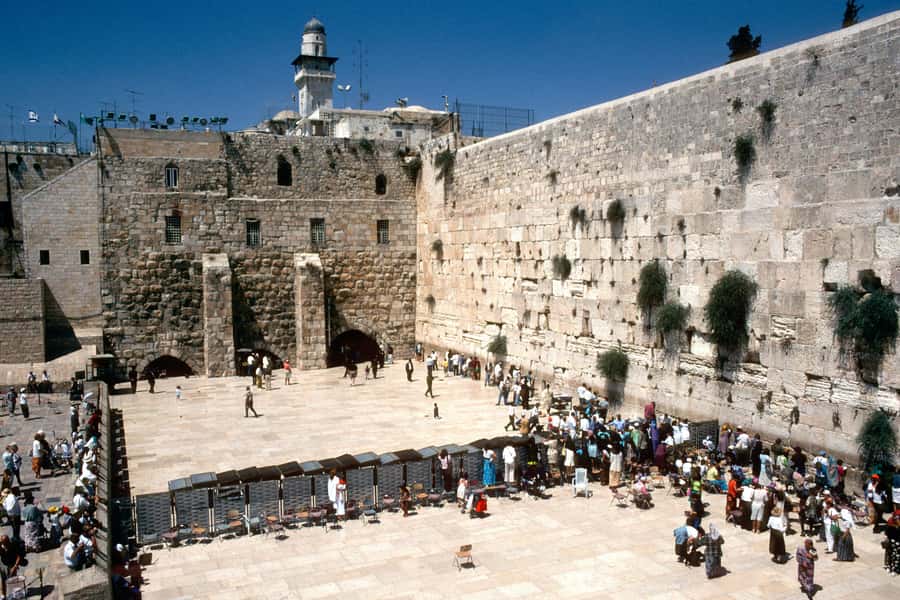
After Mount Scopus, the tour moves into the Old City. You’ll cover the Western Wall area and the views connected to the Temple Mount and the Dome of the Rock. Even if you already know the basics, seeing these sites in the right order helps your brain build a map.
This is also where modest dress rules kick in. Plan to cover shoulders and knees for the holy-site portions, and wear shoes that don’t mind stone steps and uneven ground. You don’t need fancy gear, but you do need readiness.
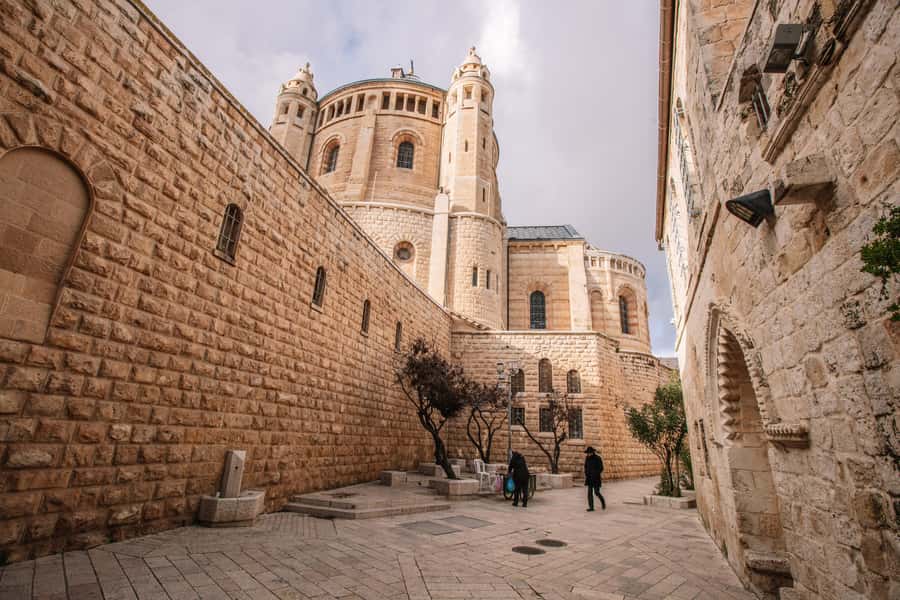
You’ll then head into the Jewish and Armenian Quarters, where the city feels lived-in rather than museum-like. The streets are narrow, the atmosphere is intense, and your guide’s job is to keep you oriented while you move from one landmark to the next.
You can also read our reviews of more tours and experiences in Jerusalem.

Cardo and the Bazaar: The Roman Road That Changes Your Perspective
One of the most interesting parts of the tour is the Cardo stop—this restored Roman road runs like a historical backbone through the Old City. Most visitors know Jerusalem as religious sites. The Cardo gives you a different angle: the city as a layered crossroads of empire, commerce, and daily life.
Right after that, you’ll pass through the Old City bazaar area. This isn’t a random walk through shops. It’s one of the best chances on the itinerary to see how commerce and tradition share the same space. If you’re shopping, keep it simple: you’re not on a long market detour, so don’t plan to finish everything here. Use the bazaar time to grab small water/snacks and maybe a quick souvenir if it fits your budget.
If you hate crowds, the bazaar can be challenging. If you like the feeling of a real neighborhood, it’s a highlight.
Via Dolorosa and the Church of the Holy Sepulcher: Dense, Crowded, and Meaningful
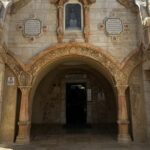
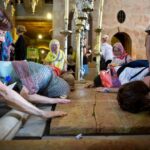
The tour includes the Via Dolosa route and then the Church of the Holy Sepulcher. This is one of those places where “seeing” is partly about wayfinding. The church is busy, tight, and visually overwhelming, so the guide’s explanations make a real difference.
Here’s what you should expect: you’ll be moving through multiple points inside the church area, and the day’s pace matters. There’s a tradeoff. You get the big stops, but you’re not settling in for a long, silent viewing session at every corner.
One detail I appreciate: the tour frames the church as the rumored site of Jesus’ burial and resurrection. Whether you approach this with religious faith or historical curiosity, that context helps you understand why pilgrims treat the space with such focus.
Also, plan for camera-ability to be limited. Inside the church, light is dim and crowds can block your shot. Go for a few good photos, not dozens.
Mt. Zion and the Holy-Season Switch: Saturday Versus Other Days

Mount Zion is where the tour shifts from the Old City core into more specific devotional sites. The itinerary includes Mt. Zion and—depending on the day—can add the Hall of the Last Supper and David’s Tomb.
There’s an important timing note built into the tour: on Saturdays, you can visit those additional spots. That means if your trip falls on a Saturday, you might get a more expanded Mount Zion experience than on a weekday.
If your schedule doesn’t match, don’t worry—you still get Mt. Zion as part of the day. Just know that the exact set of sites can change based on religious calendars.
Yad Vashem: When the Day Turns Serious
Later in the afternoon, the tour heads to Yad Vashem, one of the most powerful stops in Israel. The museum is a hard contrast to the rest of the day—beautiful architecture, then stories you can’t shake off.
A key practical point: if the departure is a Russian-speaking guide situation, the museum experience uses audio guidance and headphones. So you won’t depend on a live guide at that museum for that language. You’ll still get support, just in a different format.
Time allocation matters here. Some groups end up with a longer museum window (one experience described around three hours), and that’s the difference between rushing through and actually absorbing the message. Even if your day feels fast elsewhere, treat Yad Vashem as your anchor stop. Give it your full attention.
If you have extra time, you may also be able to visit the Hall of Remembrance and the Hall of Names. That depends on how the rest of the day runs.


If Yad Vashem is closed: the tour’s substitution plan
The tour notes that Yad Vashem is closed on Fridays, Saturdays, and Jewish holidays. When that happens, the day swaps in other sites, including King David’s Tomb and the Hall of Last Supper, plus the Church of All Nations at the Garden of Gethsemane.
So instead of losing the emotional or historical heart of the day, you get a different set of holy-site stops. It’s a workaround, not a replacement of the museum’s content, but it keeps the itinerary moving.
New City Time: A Break From the Stone Maze
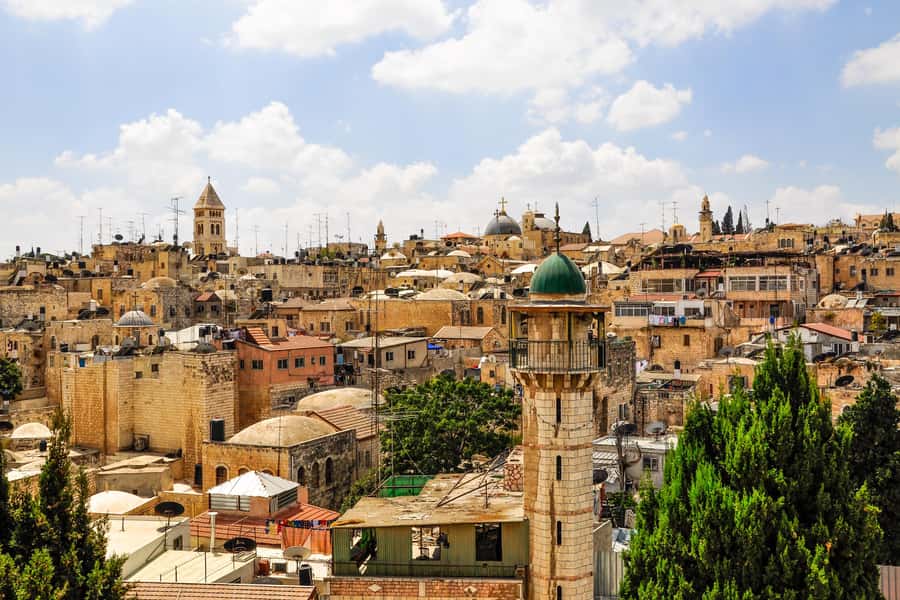
After the Old City and the major holy sites, the tour transitions toward Jerusalem’s New City. This part of the day can feel like a reset. You’re moving away from the most crowded narrow streets and toward a more open urban rhythm.
This timing is useful. Even if you love Jerusalem, the Old City is intense. A later stop in the New City helps you catch your breath before the final museum-heavy segment.
It’s also a good window for practical stuff: quick snack, water refill, and a bathroom break if you need one. The tour doesn’t include food and drinks, so you’ll want to plan for that so the day doesn’t turn into a low-energy slog.
Walking, Crowds, and Group Size: How to Make This Day Work
Let’s talk about what can make or break the experience: people, steps, and sound. Jerusalem’s holy sites are concentrated, and the crowds are real.
A few things to expect based on how this kind of itinerary runs:
- Some groups can be large, which can make it harder to hear the guide in busy areas.
- You’ll do a lot of walking. It’s not just sightseeing on a bus.
- The church interiors and Old City streets can slow the pace even when you’re moving as planned.
My advice is simple:
- Wear shoes made for uneven stone and steps.
- Bring a small water plan and some easy snacks (since food isn’t included).
- If you want deeper conversations, arrive with one or two questions in mind. Then use photo pauses or short stops to ask.
On the plus side, the energy in places like the Old City can feel uplifting. Even when it’s crowded, the day has a “move-with-purpose” feeling.
Price and Value: Is $75 Worth It?
At about $75 per person, this tour is priced for a full-day highlights circuit with transport, guidance, and entrance fees included. The value comes from three bundled pieces:
- Air-conditioned coach with pickup and drop-off (less hassle on a busy city)
- Entry fees (so you’re not hunting costs ticket-by-ticket)
- A professional guide to connect the dots between the sites
The main thing that isn’t included is food and drinks. That’s normal for tours in Israel, but it affects your total day cost. If you budget for a couple of snacks and a drink, you’ll keep the day comfortable.
To judge value honestly: if you want a guided route that hits the major religious and historic stops without planning your own transfers, this is a solid deal. If you’d rather go at your own pace and linger silently in fewer places, you may find the schedule a bit tight.
Who This Tour Fits Best (and Who Might Prefer Something Else)
This tour is a good match if you:
- Want a structured overview of Jerusalem in one day
- Like walking with interpretation, not just seeing photos
- Are comfortable with crowds and holy-site etiquette
- Care about both spiritual landmarks and the reality of Jerusalem’s modern meaning
It may be a less perfect fit if you:
- Have mobility issues (it’s not suitable for wheelchair users)
- Are traveling with very young children (not suitable for kids under 4)
- Have a child under 10 who would want the Holocaust Museum (you may not be able to enter)
And if you’re the type who needs quiet time at each stop, consider that this itinerary is designed to cover many points in a single day.
Should You Book This Full-Day Jerusalem Tour?
If your goal is maximum highlights with minimal planning, I’d book it. The combination of Mount Scopus orientation, the Old City walking route, and the emotional intensity of Yad Vashem is a strong three-part arc for a first trip.
I’d book it especially if you value a guide who can explain context while you move through tight spaces—because that’s exactly where independent wandering tends to feel confusing or rushed.
If you hate crowds, you’re sensitive to long walking days, or you want lots of free time to linger, you might feel the schedule squeeze your preferred pace. In that case, you could still enjoy Jerusalem—just plan a different style of tour with fewer stops.
FAQ
FAQ
What’s included in the tour price?
Entry fees, a professional guide, transport by air-conditioned coach, and pick-up and drop-off are included.
Are food and drinks included?
No. Food and drinks are not included, so you’ll want to budget for snacks and water during the day.
Which major sights does the tour cover?
You’ll visit Mount Scopus and the Old City highlights (Western Wall area, Temple Mount/Dome of the Rock viewpoints), Jewish and Armenian Quarters, Cardo, Via Dolorosa, the Church of Holy Sepulcher, Mt. Zion, and the Yad Vashem Holocaust Museum. The Church of All Nations at the Garden of Gethsemane may be included on substitute days.
Can children join this tour?
The tour is not suitable for children under age 4. Children under 10 years old may not enter the Holocaust Museum.
Is the Holocaust Museum always part of the day?
No. On Fridays, Saturdays, and Jewish holidays, Yad Vashem is closed and the tour substitutes visits (including King David’s Tomb, Hall of Last Supper, and the Church of All Nations at the Garden of Gethsemane).
Do I need to dress modestly?
Yes. Modest dress is required for holy sites.
What languages are offered?
Languages listed are English, Spanish, French, and German.
Will I have audio at Yad Vashem?
The tour notes that a Russian-speaking guide is not available at Yad Vashem. Instead, audio guidance and headphones are provided.
Is this tour wheelchair accessible?
No. It’s not suitable for wheelchair users.