REVIEW · PORT ELIZABETH
Whale, Dolphin & Penguin Island Cruise
Book on Viator →Operated by Raggy Charters · Bookable on Viator
Algoa Bay puts wildlife within reach. This slow-paced marine cruise runs once a day and focuses on real viewing time in pristine waters, with a St. Croix Island stop where you can see endangered African penguins. I like the small-group set-up (max 20) because it keeps the boat calm and gives you time to ask questions and get better photos. I also like how the guide and skipper connect what you see to conservation on the ground.
One thing to plan around: wildlife sightings depend on season and conditions, and this experience requires good weather. If the day is choppy or visibility is poor, you still go out with safety first, but what you spot can change.
In This Review
- Key highlights worth your morning
- Sailing out of Port Elizabeth at 8:00 am on a catamaran
- Algoa Bay whale season: humpbacks, southern right whales, and more
- Dolphin spotting that actually gets you time with the animals
- St. Croix Island: the endangered African penguin moment
- Other wildlife in the area: seals, sharks, and even minke whales
- Safety, comfort, and why small groups change the whole experience
- Conservation messaging: hearing why this trip matters
- Price and value: is $185.19 a fair deal for 4 hours?
- What to pack and how to set yourself up for the best sightings
- Who this cruise is best for (and who should think twice)
- Should you book Raggy Charters’ Whale, Dolphin & Penguin Island Cruise?
- FAQ
- How long is the Whale, Dolphin & Penguin Island Cruise?
- Where does the tour start, and what time does it leave?
- How much does it cost per person?
- What wildlife can you expect to see?
- Is this a small-group or large-group tour?
- What kind of ticket do you get?
- What happens if the weather is poor or the trip is canceled?
Key highlights worth your morning
- Max-20 group size: more time with the guide and skipper, not shoulder-to-shoulder watching
- St. Croix Island penguin encounter: 12,000 endangered African penguins on the largest breeding colony in Africa
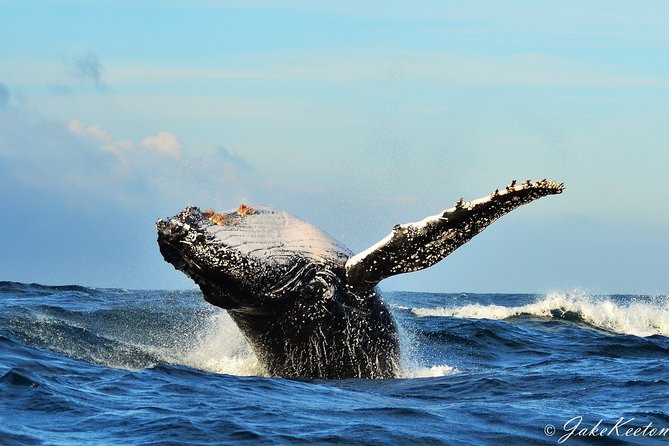
- A real animal calendar: humpback whales June to early December, with southern right whales July to September
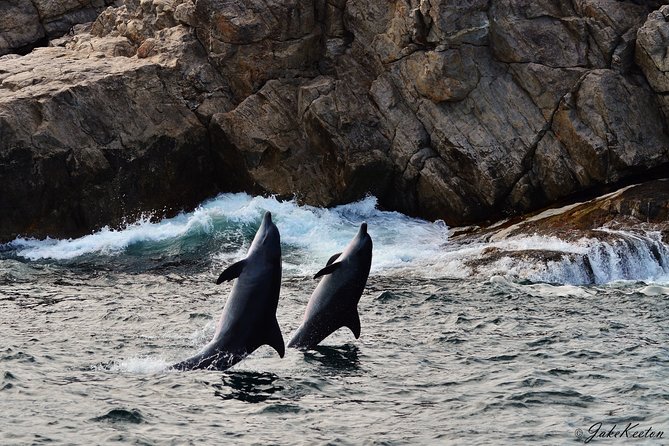
- Dolphins up close: bottlenose dolphins often come toward the boat and ride the bow waves
- Conservation talk you can use: the team ties local sightings to protecting the ecosystem
- Eco-sustainability: a tree-planting campaign to help balance the carbon footprint
Sailing out of Port Elizabeth at 8:00 am on a catamaran
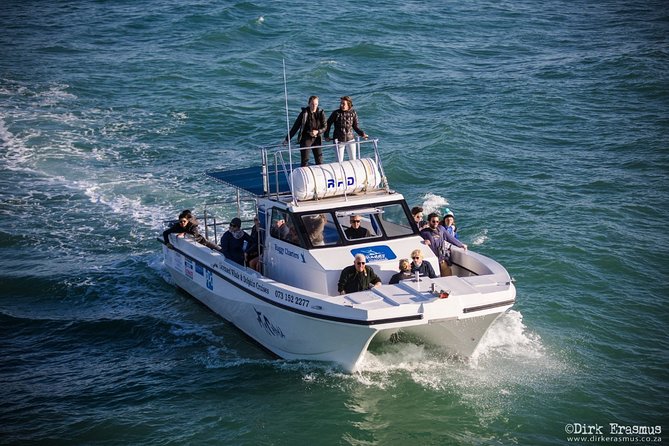
You start at the Nelson Mandela Bay Yacht Club, at the Dom Pedro Jetty on Port Elizabeth Harbour, right in Gqeberha. The meet time is 8:00 am, with a short briefing before you head out into Algoa Bay on a twin-engine catamaran. The timing matters here: the boat is built for day viewing, and the early start helps you get on the water while conditions are still settling.
What I like about the pace is that you are not rushed. This is a slow, relaxed cruise where the whole point is to look, listen, and re-check your spotting as the animals move. The itinerary also has a built-in education rhythm: the guide frames what you’re likely to see and why it matters, then the skipper positions the boat to help you find it.
Another practical win: the experience runs once a day. That usually means less crowding and more focused effort from the crew to get it right on that one departure.
You can also read our reviews of more tours and experiences in Port Elizabeth.
Algoa Bay whale season: humpbacks, southern right whales, and more
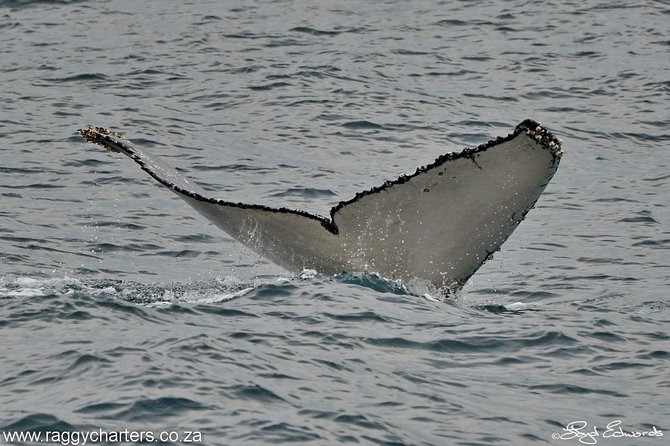
Algoa Bay has a clear seasonal story for humpbacks. The whale season begins in June, and humpback whales can be seen here from June to early December. The big idea: they’re moving along the coast toward breeding grounds up the East coast of Africa. You also have a second humpback window from October, when females may return with calves.
There’s also a southern right whale chance if you’re there at the right time. These can be seen close to shore from July to September. That matters for your expectations: close-to-shore sightings tend to feel more intimate because you’re not searching as far offshore.
Even if you come outside the peak humpback window, the bay still delivers other marine life. The cruise is set up for multiple targets, not just whales.
One more detail I’d take seriously: this is not a guarantee. It’s a guided search with a real shot at sightings, but marine animals follow their own schedule. When you go in with that mindset, the day feels better no matter what shows up.
Dolphin spotting that actually gets you time with the animals
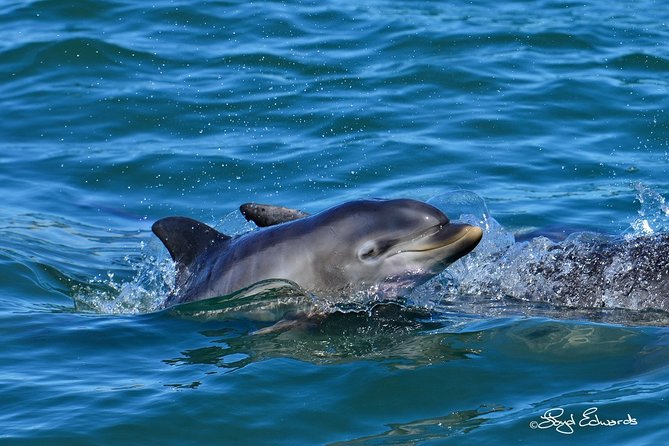
Dolphins are the most consistent reason to book this cruise year-round. Indo-Pacific bottlenose dolphins can be spotted all year in Algoa Bay, often in groups from 10 up to 400. And the behavior is part of the fun: these playful dolphins frequently come right up to the boat and ride along in the bow waves. That’s the kind of interaction that gives you clear photo angles without having to chase them.
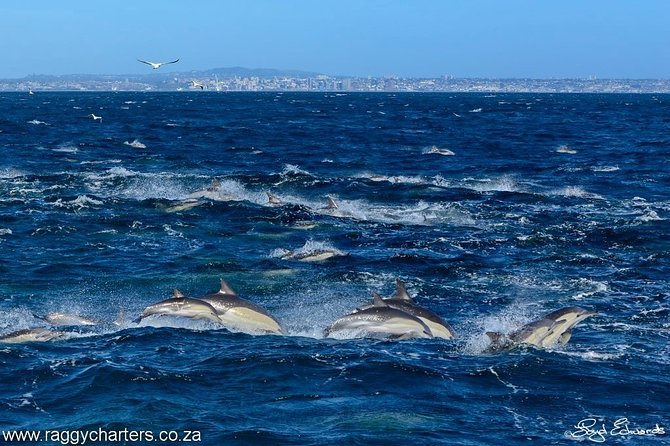
You may also see common dolphins. When they appear, they can show up in big groups, roughly 1,000 to 2,000, and they swim at great speed. In other words, common dolphins can feel like motion in fast-forward, while bottlenose dolphins often feel closer and more interactive.
The cruise also keeps an eye out for other species that share the bay. The tour information includes the possibility of humpback dolphins, plus other marine life you might spot in the same waters. Practically, that means the skipper is not locked into one route. They adjust based on where the animals are moving and feeding.
St. Croix Island: the endangered African penguin moment
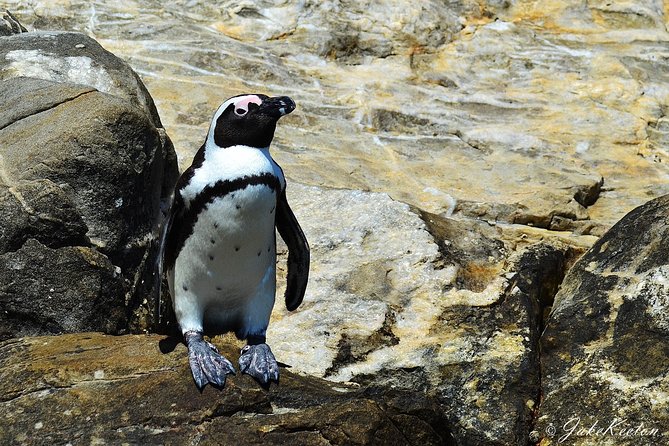
St. Croix Island is the heart of this trip. It’s home to about 12,000 endangered African penguins, and it’s described as the largest breeding colony found in Africa. The information also notes the population has declined by about 70% in just 10 years, which adds weight to why this stop is more than just cute birds for a postcard.
You get a close-up encounter with the penguins from the boat during your visit to the island area. If you’re visiting during the penguin breeding season, your odds of seeing active chicks improve. The peak is between March and May, so that’s when you may see chicks from the boat.
The island isn’t only penguins. It also hosts other species, including the endangered African black oystercatcher, as well as white-breasted cormorants and Cape cormorants. In the wider area of St. Croix and Brenton Islands, the tour information also lists other birds you might spot, including Cape gannets and pelagic birds like terns, petrels, skuas, shearwaters, and albatrosses.
What to keep in mind on the day: penguin numbers can fluctuate, and the tour information emphasizes decline over time. Still, the crew is built for searching and sharing, so you’re not just dropped off and left to guess.
Other wildlife in the area: seals, sharks, and even minke whales
One of the smartest things about this cruise is that it doesn’t narrow your day to just three headline animals. The tour information lists a longer menu of possible sightings around Algoa Bay, especially on waters near the islands.
You could see Cape fur seals lounging along the route. There’s also the possibility of sharks, including species called out in the info, plus minke whales and Bryde’s whales. If birds interest you, the list is strong: Cape gannets, cormorants, and a mix of pelagic birds can appear depending on where the fish are and how the day unfolds.
This matters for value. If your first animal sighting is slower to arrive, the skipper can shift attention to what’s already working in the bay. You end the day feeling like you watched a system, not a single highlight reel.
Safety, comfort, and why small groups change the whole experience
The boat experience is set up for real viewing, not just touring. You’re on a twin-engine catamaran, and the day lasts about 4 hours in total. There’s a maximum of 20 travelers, and that group size is noticeable. In practice, it makes it easier to reposition your body for photos, easier for crew to talk without shouting, and easier to ask follow-up questions about what you’re seeing.
Life jackets are available for all ages, which is reassuring. There’s no age restriction listed, and disabled visitors who can board with assistance from family and crew are welcome. You’re encouraged to join at your own discretion regarding health and fitness, which is standard for boat days where conditions can change.
One more practical point: the cruise requires good weather. If the operator cancels due to poor weather, you’ll be offered a different date or a full refund. That’s a big deal for planning because you don’t want to gamble your entire day away when sea conditions aren’t on your side.
I also like that the crew has a safety-first attitude. In the supplied feedback, people praised how the crew handled rougher conditions and kept things organized and smooth.
Conservation messaging: hearing why this trip matters
This cruise isn’t only about spotting animals. It’s about understanding the ecosystem and the pressures animals face.
St. Croix Island is described as part of Addo Elephant National Park, which helps explain why rangers patrol and why conservation enforcement matters there. The tour information also notes the penguin population decline, which gives the conservation message context rather than leaving it as vague feel-good talk.
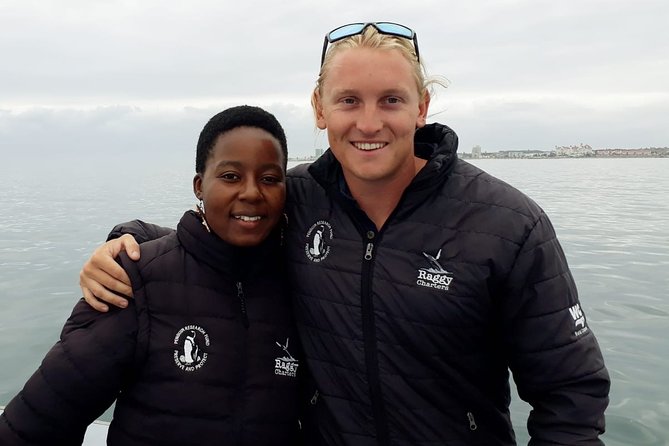
On days when you hear from a conservation-focused guide, the experience clicks into place. One of the names mentioned in the feedback is Jake, with his crew sharing expert knowledge about local marine wildlife and conservation. If you get a guide like that, expect the day to feel like a guided natural history lesson with actual movement and viewing, not a lecture from the dock.
There’s also the eco piece: the cruise is described as eco-sustainable via a tree-planting campaign designed to balance the carbon footprint. You can treat that as a good-faith step, not a magic wand. But it does align with the rest of the conservation theme.
Price and value: is $185.19 a fair deal for 4 hours?
At $185.19 per person for about 4 hours, this isn’t a budget impulse buy. You’re paying for a few things that add up quickly:
- a small-group boat day (max 20) rather than a crowded ferry-style experience
- guided searching with a skipper and guide working as a team
- access to the St. Croix Island encounter area for the endangered penguins
- an eco-conscious element (tree-planting campaign)
- a broad wildlife target list, including whales, dolphins, seals, and birds
If you’ve ever done an excursion where you spend half the time waiting and the other half squeezing around other groups, the group cap here helps justify the cost. You should also value the timing: only one cruise runs per day, so you’re not choosing from a lineup of similar departures.
One tip for value: book early. The data shows this tour is commonly booked about 64 days in advance on average, which usually means it fills up around peak planning windows.
What to pack and how to set yourself up for the best sightings
You can’t control humpback routes or dolphin mood. You can control your comfort and your ability to see well.
For most boat days, I’d plan on wind and sea spray. Wear layers you can adjust and bring something with a hood or protection for your camera. If you’re sensitive to motion, consider taking precautions before you leave shore, not after you’re already bouncing.
Once you’re out there, give the crew your attention. When they point out likely animal behavior, it helps you watch smarter. Dolphins may approach in certain conditions, and whales can show at the surface differently depending on what the day is doing.
And with penguins, slow viewing wins. You’ll get your best chance when you stay flexible and watch for movement rather than staring at one spot.
Who this cruise is best for (and who should think twice)
This is a great match if you want a focused, wildlife-first morning out of Port Elizabeth. I’d especially recommend it if you:
- care about endangered African penguins and want a close-up encounter from the boat
- like guided spotting (whales plus dolphins) instead of just hoping for luck
- prefer smaller groups where you can ask questions and keep your viewing line clean
- enjoy conservation talks that connect to real protected sites like Addo Elephant National Park
It might be a tougher fit if you want a guaranteed schedule of specific animals every time. Marine life is nature-led, not agenda-led. The cruise requires good weather, and the tour depends on seasonality too. If you’re the type who needs certainty over curiosity, plan something flexible for the rest of your day.
Should you book Raggy Charters’ Whale, Dolphin & Penguin Island Cruise?
If you’re in Port Elizabeth and you want a morning that mixes endangered wildlife with actual guided viewing, I think this cruise is a strong booking. The small group size (max 20), the focus on Algoa Bay’s whale and dolphin patterns, and the St. Croix Island penguin encounter all work together into one coherent experience.
Book it if your priority is high-quality marine viewing time, not ticking boxes. If weather is a concern, hold a little optimism, but remember the operator will offer a different date or a full refund if they cancel for poor conditions.
FAQ
How long is the Whale, Dolphin & Penguin Island Cruise?
The cruise lasts about 4 hours.
Where does the tour start, and what time does it leave?
You meet at Nelson Mandela Bay Yacht Club, Dom Pedro Jetty, Port Elizabeth Harbour, Gqeberha Central (Gqeberha 6001). The start time is 8:00 am.
How much does it cost per person?
The price is $185.19 per person.
What wildlife can you expect to see?
The cruise targets humpback whales, bottlenose dolphins, and endangered African penguins at St. Croix Island. The area may also include other animals such as common dolphins, seals, sharks, and several whale and bird species listed by the tour information.
Is this a small-group or large-group tour?
It’s capped at a maximum of 20 travelers.
What kind of ticket do you get?
The tour offers a mobile ticket.
What happens if the weather is poor or the trip is canceled?
The experience requires good weather. If it’s canceled due to poor weather, you’ll be offered a different date or a full refund. There is also free cancellation up to 24 hours before the experience’s start time for a full refund.