REVIEW · WINDHOEK
Windhoek: City and Township Tour
Book on GetYourGuide →Operated by Lark Journeys Namibia · Bookable on GetYourGuide
Windhoek has two faces, and this tour shows both. I love how it strings together Christuskirche and Alte Feste for real city history, then hands you Katutura for everyday life and a community visit. The best part is that it feels practical, not tour-bus vague, but it is a packed half-day, so there’s not much time to linger.
You’ll also get a smart orientation to Namibia’s capital, with stops that connect monuments, government buildings, and local crafts. One standout detail is that this tour uses Namibia’s first zero emission Windhoek City Tour for the driving, which makes the city portion feel both streamlined and modern while still keeping the focus on place.
In This Review
- Key things that make this Windhoek tour worth it
- Half-day flow: how the tour moves from center to Katutura
- City highlights: Christuskirche, Alte Feste, and Hochland Park’s old cemetery
- Parliament Gardens and the Houses of Parliament–National Assembly viewpoints
- Independence Museum and the Namibia Craft Center near the old railway station
- Katutura Township: Single Quarters market and Kapana tastings
- Penduka empowerment project: why this stop adds meaning
- Zero emission Windhoek City Tour: comfort with a modern touch
- What you’ll actually be doing each segment
- Price and value: is $40 for four hours fair?
- Who this tour suits best
- Should you book the Windhoek City and Township Tour?
- FAQ
- Is this tour suitable for a first day in Windhoek?
- How long is the tour?
- What is the group size?
- What language is the tour guide?
- What are the main stops during the city portion?
- What do you do in Katutura?
- Is there food included?
- What community project is visited?
- Do I need to arrange transport?
- Is there free cancellation?
Key things that make this Windhoek tour worth it
- A tight 4-hour structure that moves from the city center to Katutura without wasting your time
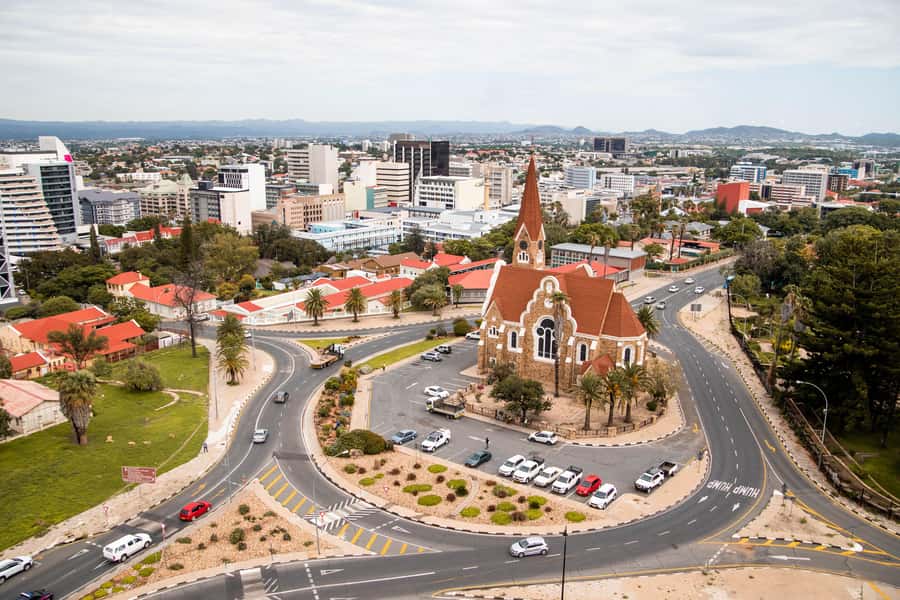
- Christuskirche and Alte Feste for quick, meaningful landmarks
- Parliament Gardens and the Houses of Parliament–National Assembly for a clear picture of the capital’s power center
- Single Quarters market + Kapana tastings for food you can actually remember
- A community empowerment stop at Penduka that adds purpose beyond sightseeing
- Small group (max 7) plus hotel pickup and drop-off so you’re not figuring things out alone
Half-day flow: how the tour moves from center to Katutura
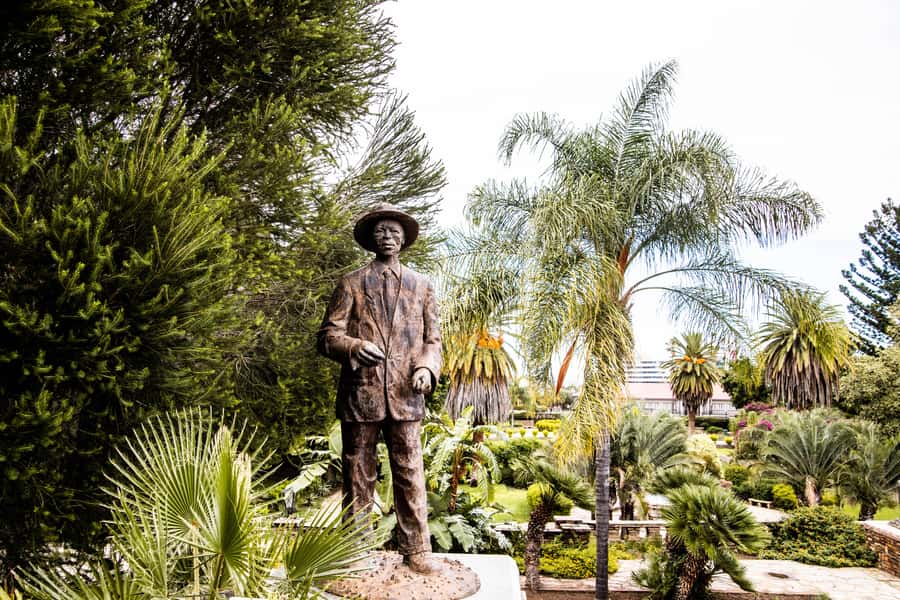
This is built like a neat little route: you’re picked up from your Windhoek accommodation, then the city section runs first, followed by Katutura, and you’re back in time for the rest of your day. With a duration of 4 hours and a small group of up to 7, it feels manageable, especially if it’s your first time in Namibia.
The itinerary also stays “hands-on.” You’re not just staring at buildings from a bus window. You stop at major points, then you walk through markets where you can taste local food and see craft and daily life up close.
The main thing to consider is pacing. If you like slow travel and long chats, this will feel fast, but if you want an efficient orientation tour that still includes meaningful stops, it hits the sweet spot.
City highlights: Christuskirche, Alte Feste, and Hochland Park’s old cemetery
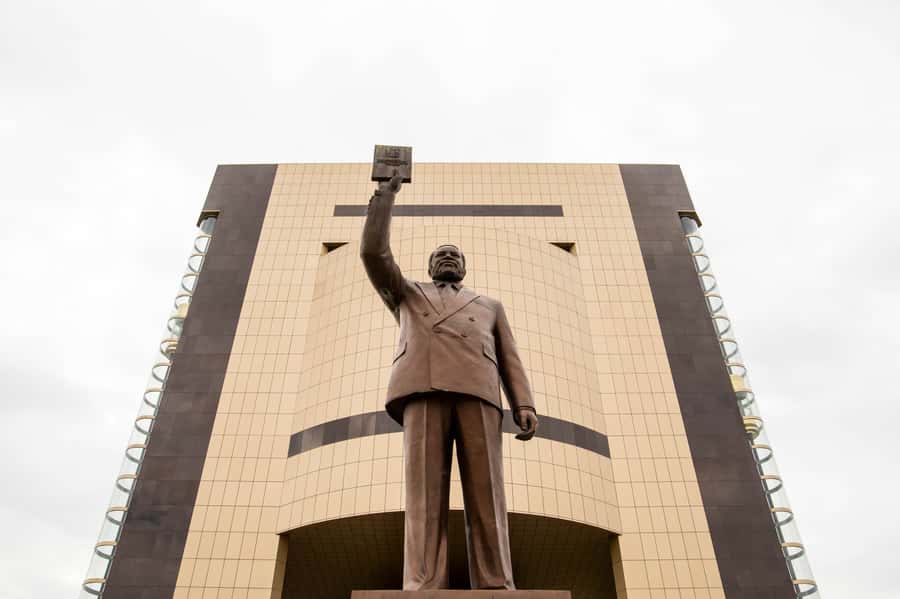
The city portion is a history sampler in the best way. You begin at Christ Church (Christuskirche) for a short sightseeing stop, which sets the tone: Windhoek has layers, and the architecture helps you see them quickly. Right after, you move through key center-area landmarks, including Independence Museum, which gives you context before you hop into the older and more grounded sites.
Then comes Alte Feste (Old Fort), one of those places that instantly makes a city feel older than it looks. You get only a brief window, but the stop is long enough to frame what you’re seeing for the rest of the tour—especially if you’re the type who likes to connect today’s Windhoek to its earlier chapters.
If history is your thing, don’t miss the stop at the old cemetery in Hochland Park. It’s not the type of stop most casual city tours include, and it’s specifically highlighted as a must-see for history lovers. It also changes the mood—suddenly you’re not thinking about government buildings or markets, you’re thinking about time and memory.
Parliament Gardens and the Houses of Parliament–National Assembly viewpoints
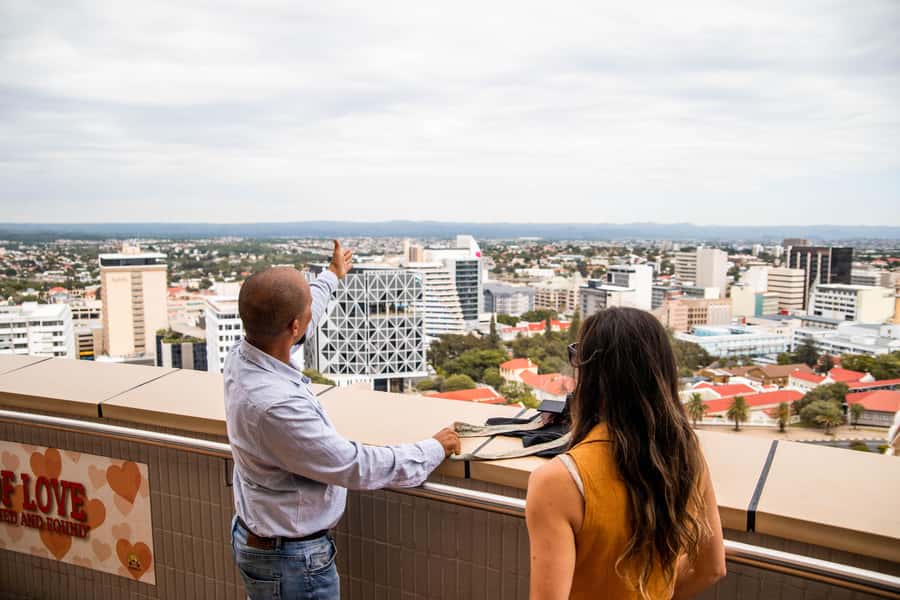
A big draw here is the direct line to the capital’s governance area. You’ll get a look at the Houses of Parliament–National Assembly and Parliament Gardens, with short sightseeing stops that make it easy to grab the key viewpoints without turning the city part into a marathon.
Why this matters: a lot of Namibia trips focus heavily on nature. Windhoek is where you understand how the country runs day-to-day. Seeing these places in person gives your later conversations context, even if you’re not a politics person.
It’s also a strong “orientation checkpoint.” Once you’ve seen Parliament and Gardens, Windhoek’s layout starts to make more sense, and the rest of your self-guided exploring feels less like guesswork.
Independence Museum and the Namibia Craft Center near the old railway station
After the early church and museum stops, the route includes a set of places that connect national story with local creativity. Independence Museum gives you a focused introduction, while the stops later around the old railway station and the Namibia Craft Center help you shift from big-picture history to what people build and sell with their hands.
The Namibia Craft Center is a useful pause if you want tangible souvenirs without hunting around all afternoon. And the old railway station stop adds atmosphere—rail sites often carry a sense of movement and change even if you’re only spending a few minutes there.
If you’re trying to shop lightly, this is where you can do it. If you’re trying to travel smart, this is also where you can start spotting the patterns you’ll see again in markets later, especially in Katutura.
Katutura Township: Single Quarters market and Kapana tastings
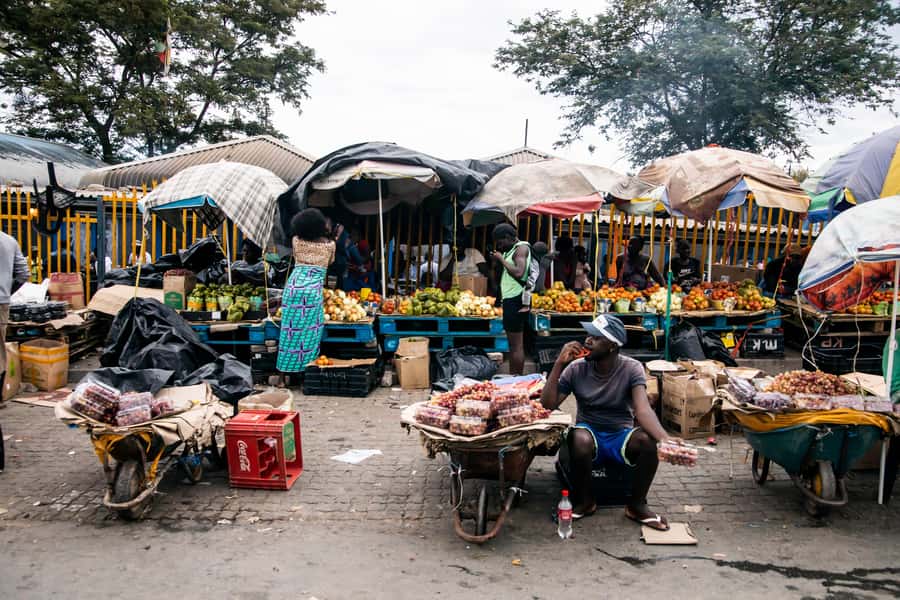
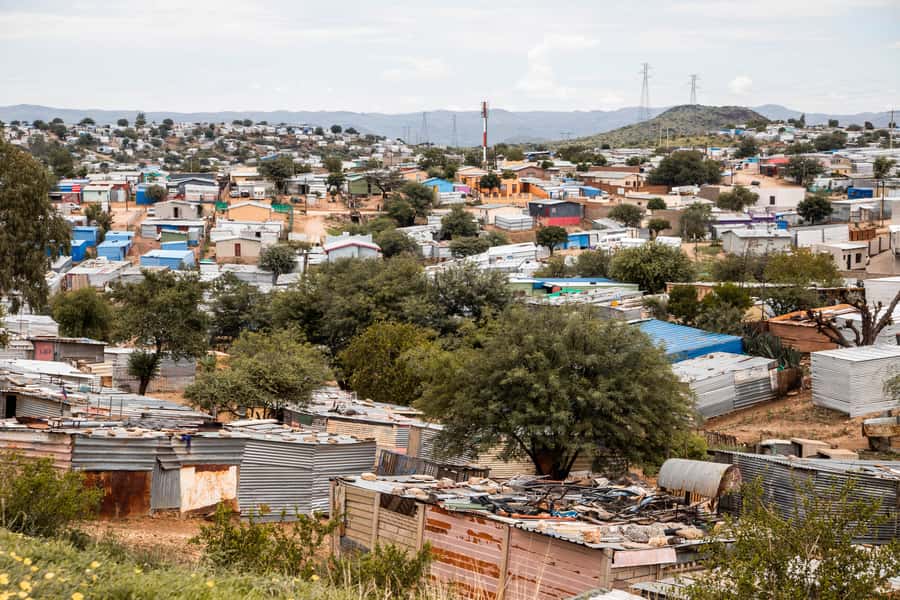
The Katutura part is the heart of the tour for many people, because it’s where Windhoek becomes human-scale. Katutura is described as Windhoek’s largest suburb, home to people from different cultural groups, so it’s not a single-note experience. You’ll get a glimpse of daily life, then you’ll head to a local market area—the Single Quarters market—where you can actually snack and talk with vendors.
The food stop is famous for a reason: Kapana, Namibian beef cooked by local vendors. In practice, it’s a grilled beef dish, often marinated and served with tomato salsa and fat cakes, which makes it more than a quick bite. It’s flavorful, it’s local, and it’s something you can taste in your memory long after your photos fade.
This is also where you should bring the right mindset. Township visits can make outsiders feel like they’re “watching,” even when they don’t mean to. The best approach is simple: be respectful, keep your questions gentle, and treat the market like you’re a temporary neighbor, not a spectator.
Time-wise, you get 45 minutes for the open market food tasting. That’s enough to try a few things, but not enough for shopping sprees. If you’re planning to buy craft later, leave room in your schedule and budget.
Penduka empowerment project: why this stop adds meaning
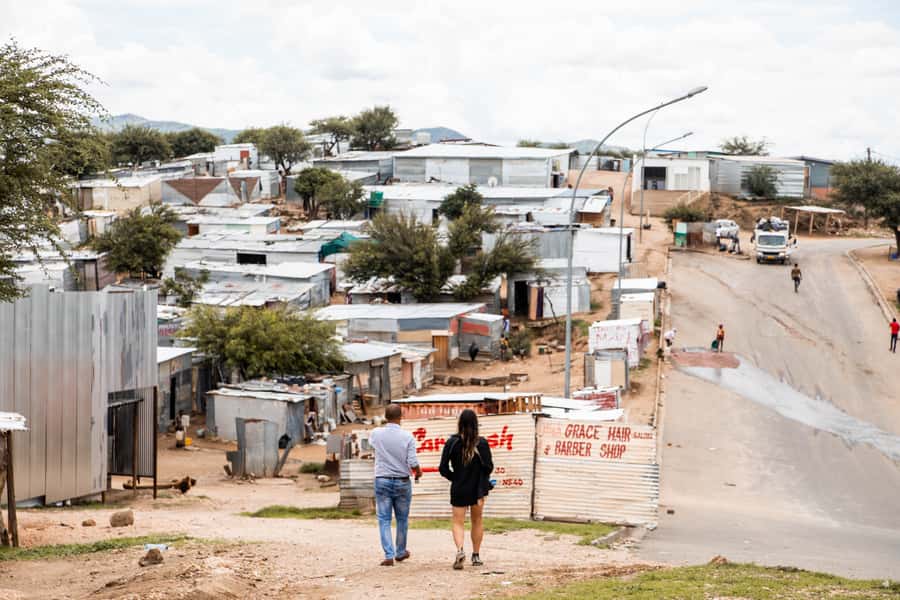
The tour doesn’t stop at scenery or food. It includes a stop at a community empowerment project in Katutura, named Penduka. Several guide-and-guest accounts highlight this as a key moment, not because it’s a photo-op, but because it gives your visit a purpose.
This is the kind of stop that changes how you interpret what you’re seeing. After you’ve toured government buildings and historic sites in the city center, the Penduka visit helps you see outcomes—how communities organize, create opportunities, and support each other. It turns the township segment from a “look and leave” stop into something with a thread you can carry through the rest of your day.
It’s also where the tone of the guide matters most. A good guide keeps the explanation grounded and honest, including what’s working and what challenges still exist. If your goal is to understand Namibia beyond nature photos, this is the section that makes it real.
Zero emission Windhoek City Tour: comfort with a modern touch
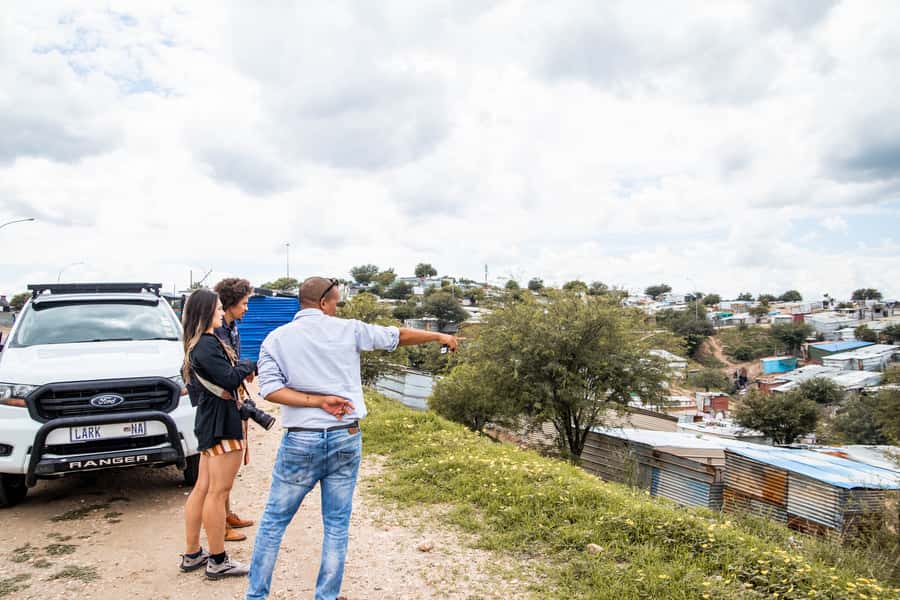
One of the tour’s clever claims is Namibia’s first zero emission Windhoek City Tour experience. In plain terms, it’s a modern driving approach for the city portion, and it pairs well with the short stops you have planned. You’re not stuck in a long transit slog, and the vehicle time doesn’t feel wasted.
Comfort also matters for a 4-hour tour. The setup includes hotel pickup and drop-off, which is a big deal in Windhoek. It saves you from arranging taxis between scattered sites, and it lets you focus on the stops instead of logistics.
What you’ll actually be doing each segment
Here’s the practical rhythm, so you can picture your day:
You start with pickup from your Windhoek accommodation, then you head to Christuskirche for a brief stop to orient you. Next you’ll visit Independence Museum, then continue to Alte Feste for that older-city perspective. After that, you move to Parliament Gardens and surrounding city viewpoints like the areas around Parliament.
You also pass the old railway station and the Namibia Craft Center, giving you a mix of history and hand-made culture. A stop at the old cemetery in Hochland Park adds weight for anyone who likes the human side of history.
Then the tour shifts from city landmarks to street life in Katutura, including the Single Quarters market and Kapana tastings. The schedule continues with an arts and crafts market visit before finishing with the Penduka empowerment project. Finally, you’re dropped back to your accommodation.
Price and value: is $40 for four hours fair?
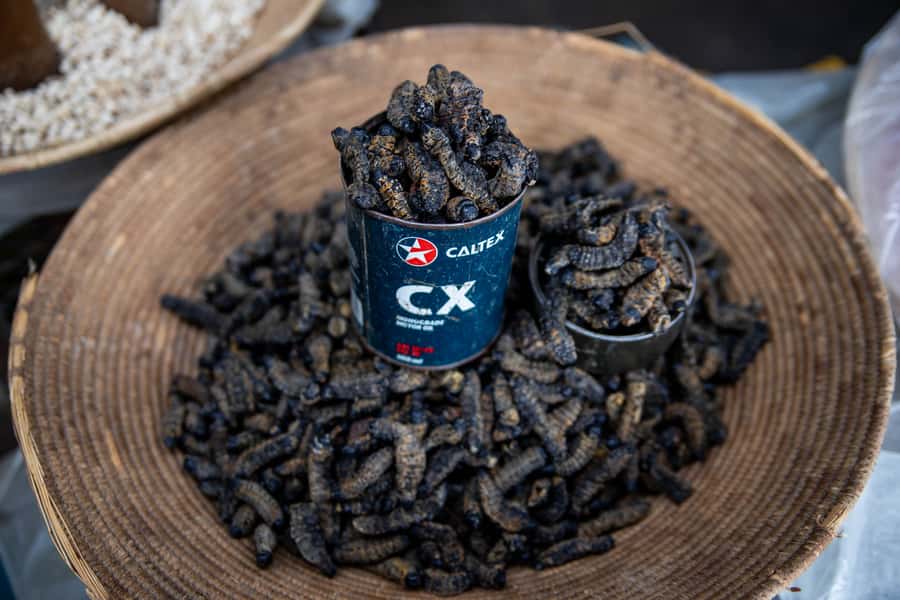
At $40 per person for a 4-hour small-group tour, the value is strong if you want both orientation and substance. You’re paying for more than driving around: you get guided stops at major landmarks, a township visit that’s hard to organize on your own, and food tasting included.
The hotel pickup and drop-off are part of the math. In a city tour, that convenience can easily be the difference between doing the tour and skipping it entirely. Add in the fact that local tastings are included (while food and drinks are not), and you get a real preview of what you’d otherwise spend time planning.
The only financial drawback is simple: if you end up buying crafts or snacks on top of the tastings, you’ll want extra cash. But that’s true for almost every market-based stop.
Who this tour suits best
This works especially well if you:
- want a first-day orientation in Windhoek
- enjoy city history but also want a purposeful township visit
- like guided explanations instead of trying to piece together sites solo
- want to taste local food like Kapana without hunting for the best stall
It may be less ideal if you:
- dislike structured schedules and short stops
- want a long, unhurried market wander
- prefer only “nature-focused” excursions and would rather skip township visiting
Should you book the Windhoek City and Township Tour?
I think you should book it if you want a well-paced introduction to Windhoek that goes beyond postcards. The mix of Christuskirche, Alte Feste, Parliament Gardens, and a Katutura market with Kapana and the Penduka empowerment project makes it one of the more meaningful half-day options in town.
Skip it if you’re the type who needs hours at one place to enjoy it. This tour gives you breadth, not length, so plan for it like a sampler: you’ll come away oriented, informed, and ready to follow your own curiosity after the tour ends.
FAQ
Is this tour suitable for a first day in Windhoek?
Yes. It’s designed as a quick orientation with stops across Windhoek’s city center and into Katutura, and it includes convenient pickup and drop-off.
How long is the tour?
The duration is 4 hours.
What is the group size?
It’s a small group, limited to 7 participants.
What language is the tour guide?
The live tour guide speaks English.
What are the main stops during the city portion?
You’ll visit places such as Christuskirche, Independence Museum, Alte Feste, Parliament Gardens, and the route also includes the old railway station and Namibia Craft Center.
What do you do in Katutura?
You’ll visit Katutura for a glimpse into the largest suburb, including the Single Quarters market and an arts & crafts market stop.
Is there food included?
Food and drinks aren’t provided, but the tour includes tasting local delicacies (including Kapana at the market).
What community project is visited?
You’ll visit a community empowerment project in Katutura, named Penduka.
Do I need to arrange transport?
No. Hotel pickup and drop-off are included in Windhoek.
Is there free cancellation?
Yes. You can cancel up to 24 hours in advance for a full refund.