REVIEW · LUXOR
Private Full-Day Luxor Highlights East and West Banks
Book on Viator →Operated by Luxor Travels · Bookable on Viator
Two banks, one unforgettable Luxor day. A private Egyptologist-led tour links the Valley of the Kings with Karnak and Luxor Temple, and you’ll get hotel pickup plus included lunch so the day stays smooth. It’s the kind of plan where you understand what you’re seeing, not just where to stand for a photo.
One thing to plan for: most interiors need entrance tickets that you pay for yourself, including the optional Tomb of Tutankhamun. Also, like many Luxor tours, there may be a quick stop in a shop—so I’d decide in advance whether you want that.
In This Review
- Key highlights to know before you go
- The real value: a private day that actually has a rhythm
- The one “watch this” moment
- West Bank start: the Valley of the Kings and its tomb storytelling
- Tombs you’ll see in this lineup
- The optional Tutankhamun tomb choice
- What makes the guide matter here
- Deir el Bahari and Hatshepsut: when the West Bank turns dramatic
- Colossi of Memnon: two statues, one big presence
- Karnak Temple: the main event on the East Bank
- What to focus on at Karnak (so it doesn’t blur)
- How to make Hypostyle Hall worth it
- Luxor Temple and the Avenue of Sphinxes: finishing with a calmer glow
- Lunch, local stops, and the guide factor you should care about
- The shop detour: decide your boundary early
- Pacing and free time
- Price and what you’ll likely pay beyond the $65
- Who this Luxor East and West day is best for
- Should you book this Luxor highlights tour?
- FAQ
- What time does the tour start?
- How long is the tour?
- Is hotel pickup and drop-off included?
- Is this a private tour?
- What’s included in the tour price?
- Are entrance fees included?
- Can I visit the Tomb of Tutankhamun?
- Is lunch included?
- Does the tour include any optional add-ons before it starts?
- What is the cancellation policy?
Key highlights to know before you go
- Private Egyptologist guidance that helps you read the sites instead of guessing
- Valley of the Kings tomb picks including Ramses IV (KV2) and other major interiors
- Deir el Bahari for Hatshepsut and a look at the Temple of the queen-pharaoh
- Karnak’s greatest hits: Hypostyle Hall (134 columns), obelisks, Temple of Amon, Sacred Lake
- Budget for entrance fees since tickets aren’t included, with Tut’s tomb specifically listed as optional
The real value: a private day that actually has a rhythm
Luxor is compact, but the sights are not light. A full day means a lot of time in a vehicle, a lot of walking outdoors, and (at least) a couple hours spent inside cooler, darker tomb and temple spaces. What makes this tour feel like good value is the private format: you’re not doing a rushed group shuffle. You’re guided, then you get practical breathing room at key stops—so you can look up, look closer, and ask questions without feeling like you’re holding up a crowd.
The tour is built around an 8-hour day starting at 8:00 am, with pickup and drop-off at Luxor hotels and transport in an air-conditioned vehicle. Lunch is included, which matters here, because you don’t want to lose half a day hunting down something reliable between West Bank and East Bank.
You can also read our reviews of more tours and experiences in Luxor.

The one “watch this” moment
Because entrance fees are not included, your day can cost more than the headline price once you’re on the ground. The optional Tomb of Tutankhamun is explicitly listed with a ticket price (300 EGP), so you’ll want to decide early whether you’re paying for that specific interior.
West Bank start: the Valley of the Kings and its tomb storytelling
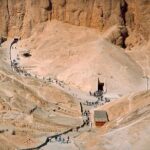
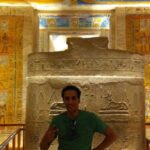
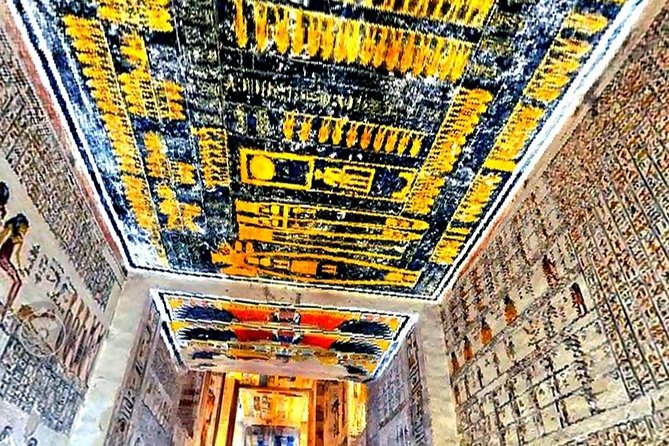
The day’s West Bank energy starts at the Valley of the Kings, the UNESCO-listed necropolis where pharaohs built their way toward eternity. Even if you’ve seen pictures before, walking into these tombs changes the scale. The ceilings, corridors, and painted programs aren’t just decoration—they’re a map of beliefs about the afterlife.
Tombs you’ll see in this lineup
You’ll spend time at multiple royal tombs, with the highlights focusing on a mix of artistic style and religious text. From what this tour emphasizes, you should expect:
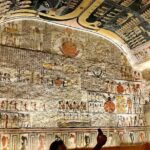
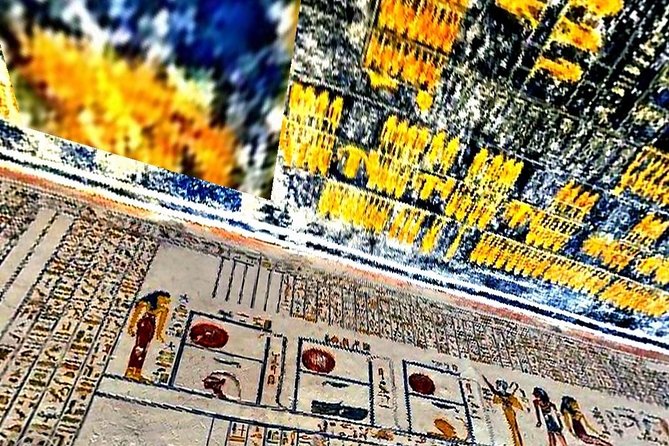
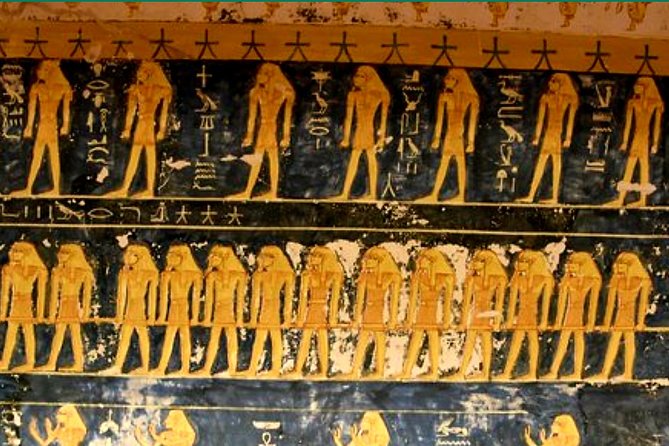
- Ramses IV (KV2): famous for its vivid, detailed astronomical-style ceiling decoration and bright interior color work. You also get a strong view of the tomb’s religious program, including scenes described as related to the Litany of Ra and multiple afterlife “books.”
- Ramses III (KV11): known for colorful painted reliefs and ritual texts, plus the presence of more unusual scenes in side areas—things like foreign tributes and detailed craft imagery.
- Merneptah (KV8): tied to the later kings of the New Kingdom and noted here for changes in layout, with corridors and rooms that feel different from earlier royal tomb design.
The optional Tutankhamun tomb choice
If you want the most famous name in the Valley, you can add the Tomb of King Tutankhamun (KV62). The listed fee for that interior is 300 EGP, and the tour frames it as optional, so this is your moment to decide how strongly you want that specific stop.
Practical tip: Tut’s tomb is popular, and that can affect how much time you feel like you need in the rest of the Valley. If you’re the type who likes to soak up inscriptions slowly, weigh that against how many tomb interiors you’d like to cover in one day.


What makes the guide matter here
In Luxor, the best guides do two things at once:
1) They connect the art to the story.
2) They help you not get lost in the details.
This tour is explicitly built around a qualified Egyptologist guide, and the standout feedback you’ll see for similar days is almost always about clarity and pacing—guides explaining each stop, then letting you wander with a sense of direction.
Deir el Bahari and Hatshepsut: when the West Bank turns dramatic
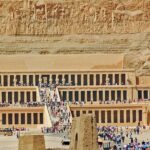
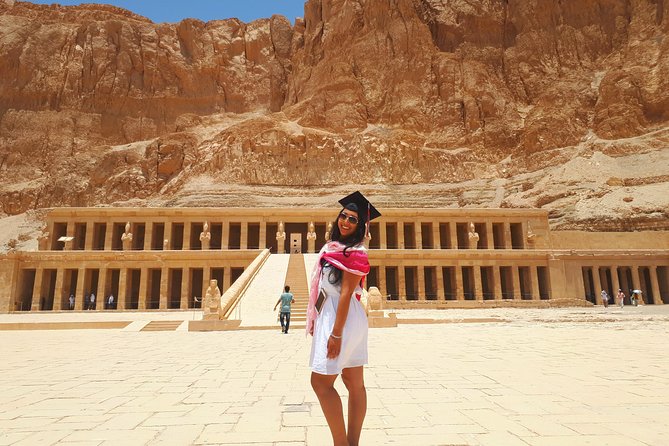
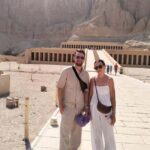
After the tombs, the route moves to Deir el Bahari, where you visit the Temple of Queen Hatshepsut. This is the kind of temple that makes you understand why ancient Egyptians loved symmetry, terraces, and sightlines. It sits so it feels staged for viewing, not just walking through.
The tour description highlights why Hatshepsut matters: she’s described as the only woman to reign as Pharaoh, and the day also connects her to the next wave of history by noting she was an ancestor of Tutankhamun through the same dynasty. That connection gives the site extra weight. You’re not only looking at a temple; you’re seeing one royal line speaking to another.
Colossi of Memnon: two statues, one big presence
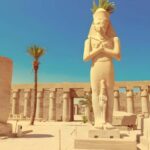
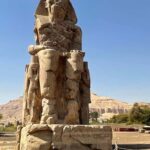
Next up is the Colossi of Memnon—two massive ancient statues dating to the era of Amenhotep III. At this stop, the vibe changes from “detailed interiors” to “scale and atmosphere.” You get brief time here (listed around 10 minutes), which works because these statues are so big that you either get it fast or you’ll want a second look later.
If you like memorable visuals, this is a good photo break. If you hate rushing, it can feel short—but in a full East/West day, the schedule has to be honest.
Karnak Temple: the main event on the East Bank
Karnak is where Luxor stops being a bunch of separate monuments and starts feeling like a living system. This tour gives you a meaningful visit to the Karnak Temple complex, with highlights that match what most people dream about: the scale of the Hypostyle Hall, the obelisks, and the religious focus of the Temple of Amon.
What to focus on at Karnak (so it doesn’t blur)
Karnak has so much going on that your enjoyment depends on whether you know what part is what. Here’s how this tour sets you up to enjoy it:
- Avenue of Sphinxes: linked with the ceremonial approach.
- Hypostyle Hall (134 columns): this is the “wow, that’s not normal” room. It’s hard to describe until you see it.
- Obelisks: including those attributed to Queen Hatshepsut and Tutomosis I.
- Temple of Amon: decorated with lotus and papyrus motifs mentioned as part of the complex.
- Granite Scarab of Amenophis III and Sacred Lake: the kind of features that reward a slower look—so try not to sprint.
The tour structure also includes multiple Karnak-related segments (with different time blocks listed for the complex and for the Temple of Amun). Practically, that means you’re not just passing through one corner. You get a broader taste of what makes Karnak feel endless.
How to make Hypostyle Hall worth it
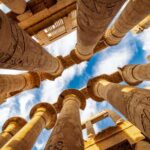
In the Hypostyle Hall, ceiling and column patterns can feel like visual noise if you don’t know what you’re looking for. This is where a good Egyptologist guide earns their pay: they’ll help you connect the layout to the religious and political meaning. Then you can look up with purpose instead of frustration.
Luxor Temple and the Avenue of Sphinxes: finishing with a calmer glow
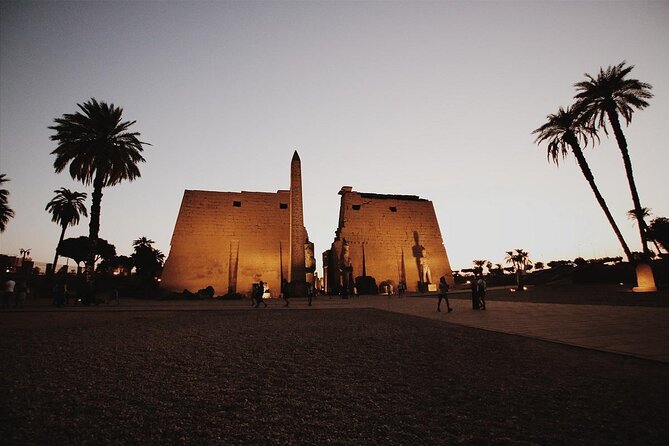
Toward the end of the day, the tour shifts to Luxor Temple, dedicated to the Theban Triad: Amun-Ra, Mut, and Khonsu. You’ll see granite statues connected to Ramses the Great, and the overall feel is different from Karnak. Karnak is massive and layered; Luxor Temple feels like an essential stop on a daily sacred route.
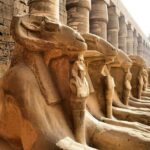
Then you visit the Avenue of Sphinxes, described as stretching between Luxor and Karnak in ancient times. Today it’s shorter, but it still gives you the sense of processional grandeur—the idea that these places were meant to be walked in ceremony, not viewed like separate “attractions.”
This ending works well for many people because it creates closure. You’ve seen tombs for the afterlife on the West Bank. Then you move to temples tied to daily divine order on the East Bank.
Lunch, local stops, and the guide factor you should care about
Lunch is included, and it’s often the point where the day either feels comfortable or feels like a speed bump. The best version of this tour pairs lunch with an authentic local restaurant choice. The less-perfect versions still offer a meal, but it might be more basic.
If you’re picky about meals, I’d keep expectations flexible. You’re paying for a private Egyptologist day across major sites, and lunch is part of keeping the day workable, not a fancy-food cruise.
The shop detour: decide your boundary early
One downside that pops up in feedback for this kind of route: you might be taken to a shop where stone figures are sold. In one case, the experience was described as awkward and pressured around buying. So here’s the practical approach:
- If you like browsing, browse.
- If you don’t, say no early and politely.
- Don’t negotiate emotionally. Just repeat a calm refusal and move on with your day.
A private guide can still be excellent and still bring you past a commercial stop. Your job is simply to protect your budget and your energy.
Pacing and free time
A strong theme in the best comments about this day is that guides explain what you’re seeing, then give you room to roam and take photos. That matters on both banks. In tomb interiors, time is limited, but you still need a minute to look at details once you know what they mean. Outside, you want a short reset so the next stop doesn’t feel like a blur.
Price and what you’ll likely pay beyond the $65
At $65 per person for a private day, the value is real—especially because it includes:
- a qualified Egyptologist guide
- lunch
- air-conditioned transport
- hotel pickup and drop-off in Luxor
But the tour also clearly states entrance fees are not included. That’s the big budget reality. You should plan for additional costs once you pick which tomb interiors you want, especially if you add Tutankhamun’s tomb (listed at 300 EGP for the optional interior).
My rule of thumb: treat the $65 as the cost of the guided day with transfers and lunch, then treat entrance fees as a separate line item for your final total.
Who this Luxor East and West day is best for
This tour is a good fit if you want:
- a private guide who can connect art to meaning
- both banks in one day (tombs on the West, temples on the East)
- a day with structured highlights but not constant sprinting
It’s especially attractive for people who don’t want to plan routes across Luxor on their own. If you’re traveling with kids or with a parent, the private format can also help keep attention focused and pacing manageable.
If you dislike crowds and you want a clearer sense of what each site represents, this fits that goal. If you want total freedom with no structured schedule at all, then you’d be happier with a DIY day and guide hire only for specific sites.
Should you book this Luxor highlights tour?
I’d book it if you want a guided, private sampler that covers the big, meaningful hits on both banks: the Valley of the Kings tombs (including optional Tut), Hatshepsut at Deir el Bahari, the Colossi of Memnon, and then Karnak plus Luxor Temple. The inclusion of lunch and hotel transfers makes it practical, and the private Egyptologist approach is exactly what helps these sites feel real instead of overwhelming.
Skip this tour vibe (or at least set your boundaries) if entrance fees feel like a deal-breaker for you, or if you strongly prefer zero commercial stops.
If you do book, decide ahead on Tutankhamun, bring money for entrance tickets, and tell your guide what kind of pace you like. You’ll get the day you came for: East and West Luxor, explained in a way that sticks.
FAQ
What time does the tour start?
It starts at 8:00 am.
How long is the tour?
It’s listed as approximately 8 hours.
Is hotel pickup and drop-off included?
Yes. Pickup and drop-off at Luxor hotels are included.
Is this a private tour?
Yes. It’s described as a private tour/activity, with only your group participating.
What’s included in the tour price?
The tour includes a qualified Egyptologist guide, lunch, air-conditioned vehicle transport, hotel pickup and drop-off, and the private tour.
Are entrance fees included?
No. Entrance fees are at your own expense.
Can I visit the Tomb of Tutankhamun?
You have the option to visit it, and the entrance fee is listed as 300 EGP. It’s not included in the tour price.
Is lunch included?
Yes, lunch is included.
Does the tour include any optional add-ons before it starts?
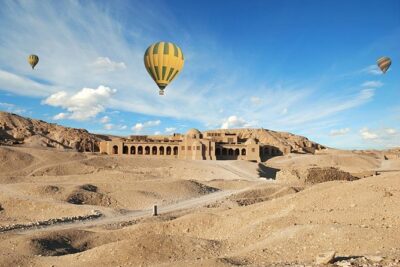
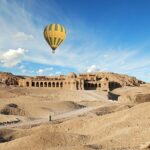
There’s mention that optional hot air ballooning may be possible before the tour.
What is the cancellation policy?
Free cancellation is available up to 24 hours in advance for a full refund.