REVIEW · CAPE TOWN
Cape Town: Guided Township Tour with Hotel Pickup
Book on GetYourGuide →Operated by Camissa Travel and Marketing · Bookable on GetYourGuide
A day that forces you to see Cape Town differently. This tour strings together District Six, Langa, and then Robben Island, so you’re not just hearing history—you’re moving through the places it shaped. I especially like the local angles you get from township guides (I’ve seen names like Godfrey and Songz connected to these departures), and I like that Robben Island is led by prison guides such as Sipoh in past experiences, who explain what life was like behind bars.
The only real drawback is logistical: the Robben Island ferry and guided prison visit aren’t included in the base price, aren’t prebooked by the operator, and can be affected by weather. Also, lunch isn’t included, and the tour ends back at the waterfront area (finish point: The Silo Hotel), so you’ll want a plan for how you’ll get home after.
In This Review
- Key things I’d circle on your plan
- Townships Meet Robben Island: what the day is really about
- Getting there from your hotel: pickup zones and how the day flows
- District Six: the forced-removal story starts here for a reason
- Langa on foot: why a local walking guide changes everything
- Bonteheuwel and Gugulethu: seeing post-apartheid life as more than a before-and-after
- V&A Waterfront lunch break: a needed reset before the ferry
- Robben Island: where Mandela’s imprisonment becomes concrete
- Price and value: what $54 really buys, and what you’ll add
- Who should book this, and who should rethink it
- Final verdict: should you book this Cape Town day?
- FAQ
- Is lunch included on this tour?
- Do I need to prebook Robben Island tickets?
- What time should I plan for the Robben Island ferry?
- What identification do I need for Robben Island?
- Is the tour wheelchair accessible?
- What if the ferry to Robben Island can’t run due to weather?
- Where does the tour end, and is return transfer included?
Key things I’d circle on your plan
- District Six first: you start at a site tied to the Group Areas Act, not a random roadside stop
- A Langa walking tour with a local site guide: you’ll get day-to-day explanations, not just dates
- Multiple townships in one day: Bonteheuwel and Gugulethu help you see how apartheid policies played out differently
- V&A Waterfront lunch window: a useful break with Table Mountain views before the ferry
- Robben Island prison tour: you see Mandela’s cell and hear the story from the inside
- Weather matters for the ferry: plan around the possibility of wind or fog disrupting the island segment
Townships Meet Robben Island: what the day is really about
This is one of those Cape Town days where the order matters. You begin with District Six—because that’s where you can understand how entire communities were uprooted under apartheid planning. Then you move through townships shaped by those policies, and only after that do you head out to Robben Island, where the political struggle turned into incarceration.
I like how the day builds meaning. District Six helps you grasp the loss and forced removal. Langa, Bonteheuwel, and Gugulethu then show how people adapted and how communities continued to function and grow. Finally, Robben Island puts names and dates onto one of the most famous prison stories in the world, including Mandela’s 18 years there.
You can also read our reviews of more tours and experiences in Cape Town.

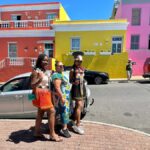
Getting there from your hotel: pickup zones and how the day flows
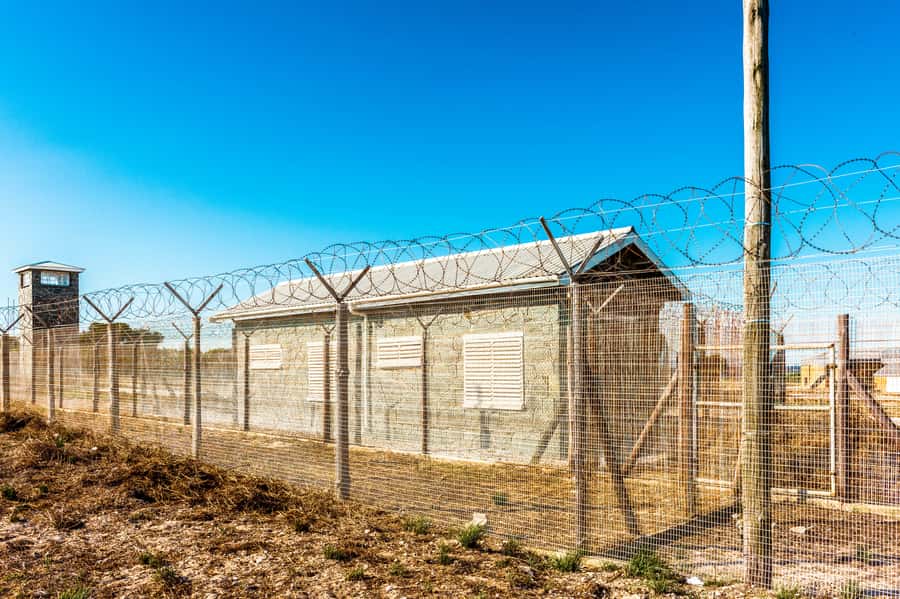
You’ll get hotel pickup from a good spread of central locations: Victoria & Alfred Waterfront, Tamboerskloof, Cape Town City Centre, Sea Point, Camps Bay, and Gardens. The tour runs about 8 hours, and it’s built around moving efficiently between sites rather than long free time.
Transportation is in an air-conditioned vehicle, which matters in Cape Town when you’re stacking a lot of stops back-to-back. You should also know the practical limits: pets aren’t allowed, and you can’t bring luggage or large bags. If you travel light, your day will feel smoother.
The day uses the waterfront as a hub. Lunch happens at the V&A Waterfront, and Robben Island departures are handled from there as well—so you’ll spend a chunk of time on the waterfront before the ferry.
District Six: the forced-removal story starts here for a reason
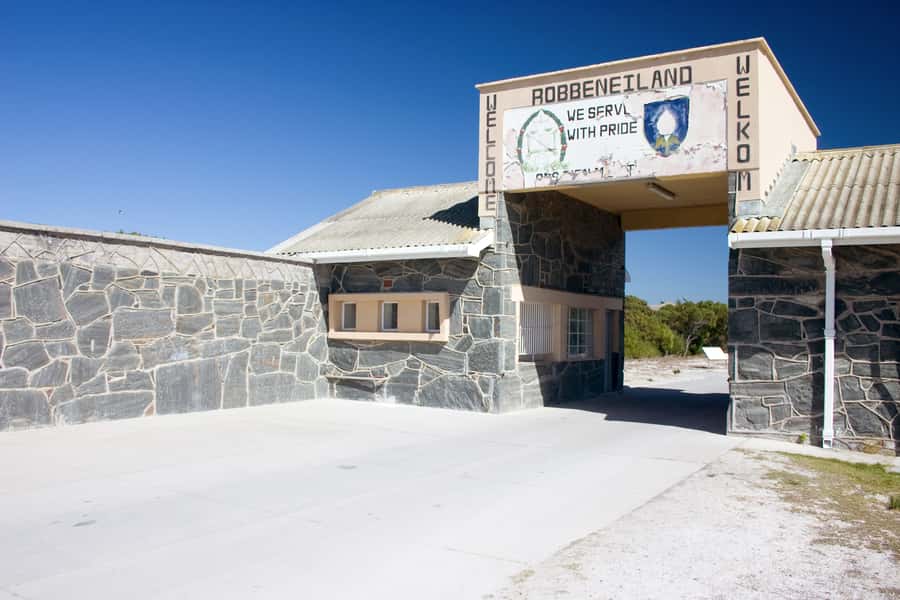
District Six is the opening act, and it’s a powerful one. This was home to communities that were forcibly removed under the Group Areas Act of 1950 during apartheid. Seeing the site first gives you context for everything that comes later in the day.
What makes this stop valuable isn’t just the tragedy; it’s the clarity. When you learn how a government classified and controlled where people could live, it helps you understand why later townships weren’t simply “neighborhoods.” They were outcomes of policy—planned separation, enforced distance, and everyday limits.
In a short amount of time on the clock, District Six gives your brain a framework. Without that, township stops can feel like a collection of locations. With it, they start to feel connected.
Langa on foot: why a local walking guide changes everything
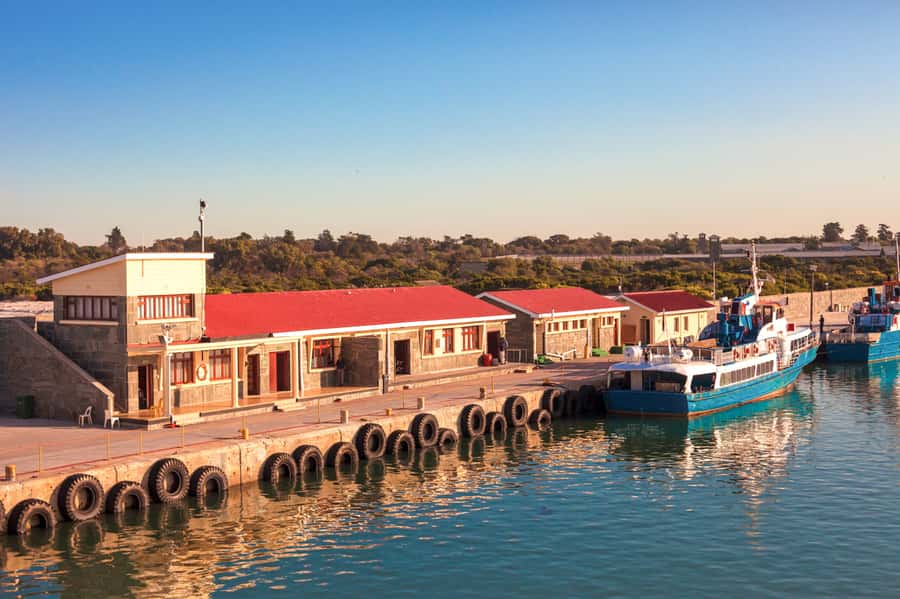
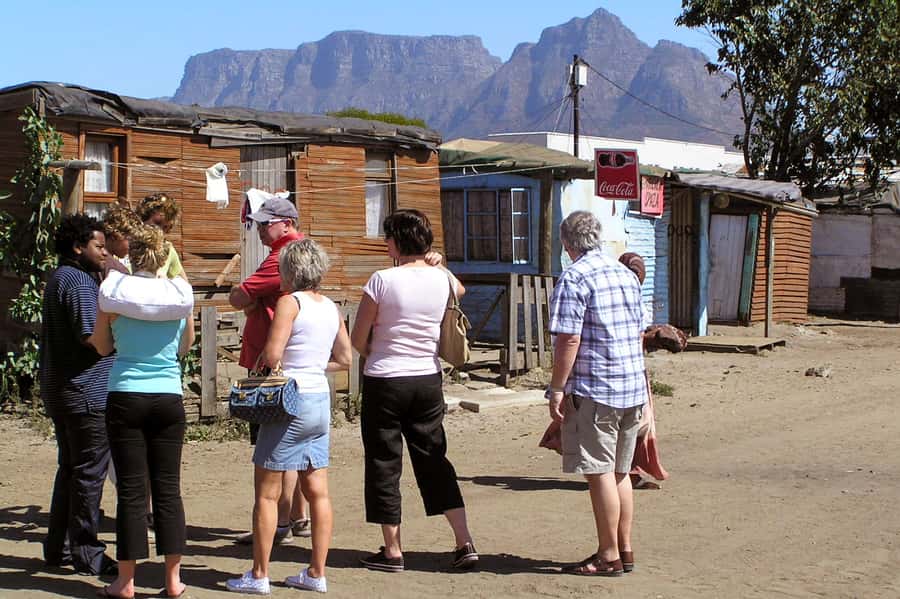
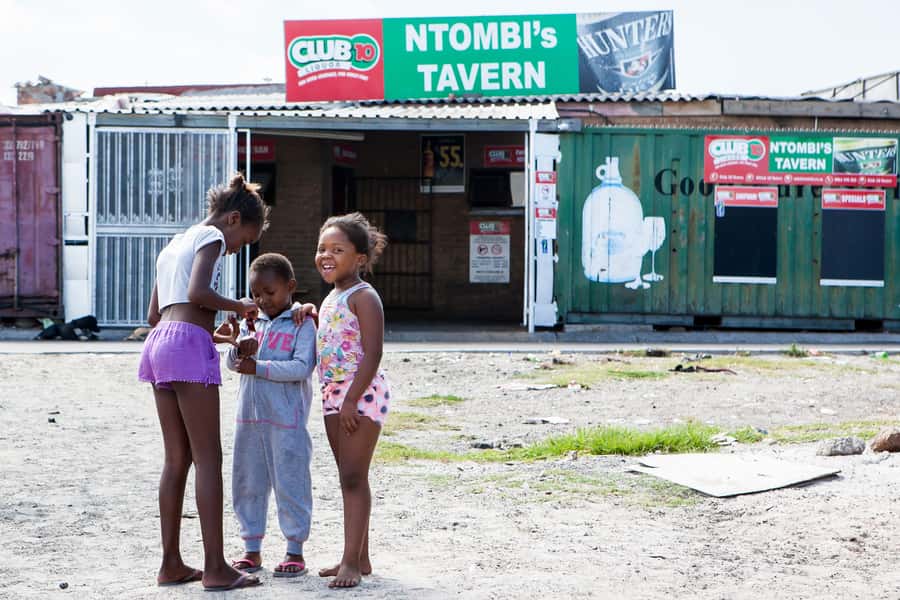
After the opening, the tour shifts to Langa, described as Cape Town’s oldest township. This is where you get out of the bus mode and into the walking-tour mode, led by a local site guide.
A guided walk does two things well. First, it slows you down just enough to notice how a community is laid out and how people navigate daily life. Second, it turns history from a lecture into something grounded in local explanations.
In past experiences tied to this tour style, guides have shared personal and family-level perspectives—so you’re not only hearing what apartheid did, you’re hearing how it was felt and how people learned to live with it. If you end up with a guide like Godfrey (a name that’s shown up in real experiences), you’ll likely get that extra layer of “this is how we understand it,” not just “this is what happened.”
Even with a short stop window, the Langa walk tends to leave visitors with better questions afterward. The tour doesn’t ask you to stay passive. It nudges you to think about how neighborhoods function, how they change, and what gets remembered.
Bonteheuwel and Gugulethu: seeing post-apartheid life as more than a before-and-after
From Langa you head to Bonteheuwel, a township developed from people classified as colored who were forcibly removed from District Six. That detail is important. It’s not one-size-fits-all apartheid. Classifications mattered, and the labels shaped the geography.
Bonteheuwel is a chance to see the socio-economic dynamics that emerged after apartheid. In other words, you’re looking at what replaced the old system and how neighborhoods continue to handle inequality, opportunity, and change.
Then you move on to Gugulethu, with over 300,000 residents. This stop helps you zoom out from one storyline and see how big communities develop over time. The guide’s job here is to explain how Gugulethu has grown after the fall of apartheid, and how that growth coexists with the lingering effects of the past.
If you like your history with real-world structure, these two stops are a good payoff. You’ll start to recognize patterns: how separation policies shaped access, how communities built around limitations, and how life continues with strengths, pressures, and pride.



V&A Waterfront lunch break: a needed reset before the ferry
Lunch is scheduled at the V&A Waterfront and it’s a 30-minute break. It’s not included in the price, but the location is smart because it’s scenic and easy to use as a waypoint.
You’re also close to Table Mountain viewpoints, which can help you shift gears mentally. Robben Island is heavy. A short, break-style lunch window lets your brain catch up before you step into the prison story again.
Keep your timing tight here. The day is structured around the ferry departure windows, and you don’t want to get stuck choosing between lunch lines when the boat clock is already ticking.
Robben Island: where Mandela’s imprisonment becomes concrete
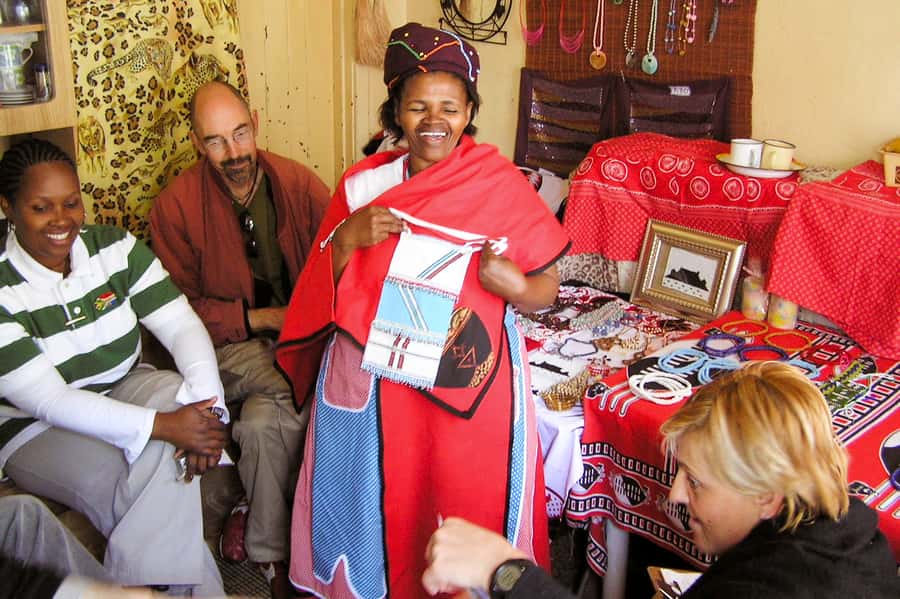
After lunch, you hop on the ferry to Robben Island. This is the emotional center of the day. Nelson Mandela was incarcerated for 18 of his 27 prison years there, and the island’s maximum-security prison is the point.
The base tour cost does not include the ferry and the guided prison tour, and tickets aren’t pre-arranged by the operator. You’ll make your own ticket plan directly with the Robben Island museum, either online or at the Nelson Mandela Gateway building at the waterfront.
Once you’re on the island, you take a guided tour of the prison where you can see Mandela’s cell. Past experiences with guides such as Sipoh highlight how powerful it can be when the explanation comes from someone who can connect the official record to lived prison realities.
One practical note: the ferry and timing are weather-dependent. Wind and fog can disrupt departures, and that can change whether you reach the prison tour as scheduled. If Robben Island is your top priority, build in flexibility on your Cape Town days.
Price and value: what $54 really buys, and what you’ll add
The tour price is listed at $54 per person, lasting about 8 hours. For that, you get hotel pickup, an air-conditioned vehicle, a driver-guide, and the core guided pieces on the ground: District Six plus a guided walking tour in Langa.
That makes the value strong for visitors who want transportation and interpretation without piecing together multiple bookings. You’re also paying for local on-the-ground explanation, which is often the hardest part to DIY correctly.
But budget for the add-ons:
- Lunch isn’t included
- Robben Island ferry and guided prison tour aren’t included (R600 per adult, R310 per child, with discounts for South African citizens)
- Return transfer to your hotel at the end of the tour isn’t included
So your real “all-in” cost is the base tour plus your Robben Island tickets, plus lunch, plus whatever transport you need after the tour ends near The Silo Hotel. Still, if you’d otherwise pay for separate transport and guides, the bundle can work out well—especially because it places the stops in an order that makes sense.
Who should book this, and who should rethink it
This tour fits best if you want Cape Town beyond the postcard version. If you’re the type who likes your travel grounded in real people and real systems—how policy shapes daily life—this day will likely hit hard in the best way.
It’s also ideal for first-time visitors who don’t want to juggle taxis, timing, and multiple guides across different areas. The hotel pickup and structured day helps you keep your sanity.
Reconsider if you hate schedule pressure. The day includes a number of stops in a set window, and Robben Island depends on ferry conditions. If you’re the kind of traveler who wants lots of free time and low effort, you may find the pacing intense.
It also suits solo travelers who want a guided structure, and it’s a calmer choice than self-navigating complicated routes. (In real experiences, many people have described feeling safe throughout the township portions.)
Final verdict: should you book this Cape Town day?
I’d book this tour if you want a meaningful day with strong context: District Six first, a walking Langa guide, then the Robben Island prison tour. The value is in the flow—each stop clarifies the next one.
But I’d plan carefully around Robben Island. Bring the passport or ID card you’ll need for ticketing, and make sure you choose the afternoon departure slot that fits your day (there are mentions of 13:00 and 15:00 options for the ferry timing). If weather changes the ferry schedule, you’ll want to be flexible about how your day ends.
If you can do that, this is a powerful Cape Town experience that goes beyond facts and into understanding.
FAQ
Is lunch included on this tour?
No. Lunch is scheduled at the V&A Waterfront, but it isn’t included in the tour price.
Do I need to prebook Robben Island tickets?
Yes, you should arrange Robben Island tickets yourself. The tour does not prebook the ferry or the prison tour tickets for you.
What time should I plan for the Robben Island ferry?
You’re guided to book an afternoon departure slot, with options noted as 13:00 or 15:00 for the ferry.
What identification do I need for Robben Island?
Bring your passport or ID card. After booking, you’ll need to provide passport/ID details for all participants to complete the Robben Island entry process, and you must bring the same identification document on the day.
Is the tour wheelchair accessible?
Yes. The activity is listed as wheelchair accessible.
What if the ferry to Robben Island can’t run due to weather?
The ferry is subject to weather and availability. If conditions prevent travel, you may miss the Robben Island portion since it isn’t prebooked by the operator.
Where does the tour end, and is return transfer included?
The tour ends at The Silo Hotel, and return transfer back to your hotel at the end of the tour is not included.