REVIEW · CAPE TOWN
Cape Town: Malay Cooking Class and Lunch in Bo-Kaap
Book on GetYourGuide →Operated by Cooking with love · Bookable on GetYourGuide
Bo-Kaap colors set the mood fast. This Cape Town Malay cooking class in Bo-Kaap is held in a local home with host Faldela, so you get both street-level culture and real kitchen know-how tied to the flavors people grow up with.
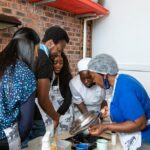
What I like most is the hands-on cooking and the fact that you eat what you make. The class is interactive, and you don’t need prior skills to take part, with clear step-by-step guidance and a friendly, funny vibe that keeps things relaxed.
One thing to consider: if the group is larger, you may not spend every minute chopping and stirring on your own. Still, the meal comes out in a way that feels shared and generous, even if you are rotating roles.
In This Review
- Key things to know before you go
- Bo-Kaap streets and Signal Hill energy before the apron
- Cooking Cape Malay at Faldela’s home: culture that stays practical
- The spice lesson that actually changes how you cook
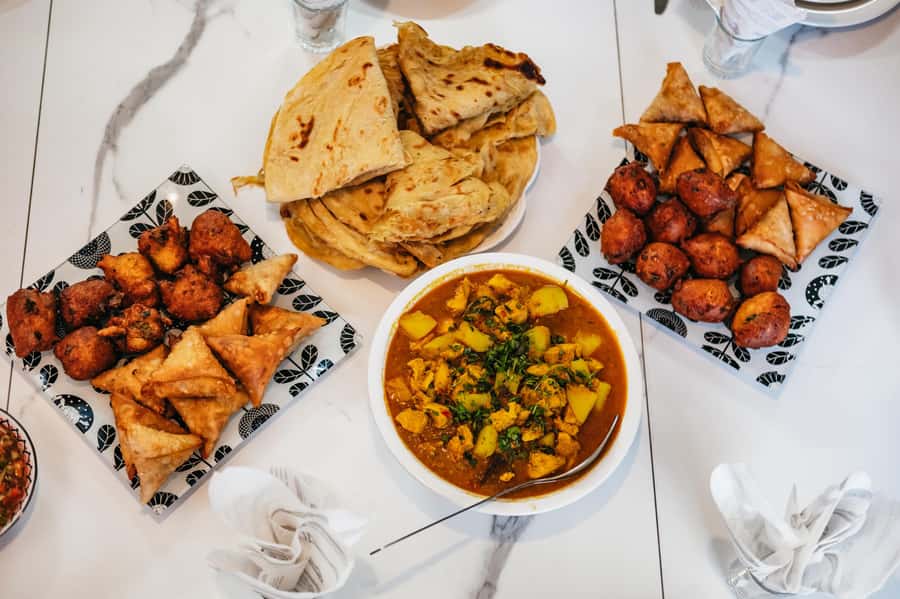
- What you might cook: curries, stews, roasts, plus rotis and samosas
- Lunch you made in a home, not a restaurant line
- Logistics that matter: 150 minutes, English, and what not to bring
- Price and value: why $49 feels fair for lunch plus instruction
- Who should book this Bo-Kaap cooking class
- Should you book Cape Town: Malay Cooking Class and Lunch in Bo-Kaap?
- FAQ
- Where is the meeting point?
- How long is the experience?
- What is included in the price?
- Is alcohol included?
- Can I cancel for free?
- Is it okay if I have no cooking experience?
- Are pets allowed?
Key things to know before you go
- Home-kitchen setting in Bo-Kaap: You cook where people actually live, not in a rented studio.
- Faldela runs the show: The host is warm, humorous, and focused on teaching through practical steps and spice stories.
- You learn the spice logic: Ginger, fennel, star anise, tamarind, and turmeric aren’t just named, they’re used.
- Likely curries, roasts, and sauce-heavy dishes: Cape Malay flavors often center on deep, spiced sauces.
- Lunch is included, and you eat the results: Soft drinks on the side, and food that’s more than a snack.
- You should plan for English instruction: The guide is English-speaking, with a friendly, easy flow.
Bo-Kaap streets and Signal Hill energy before the apron
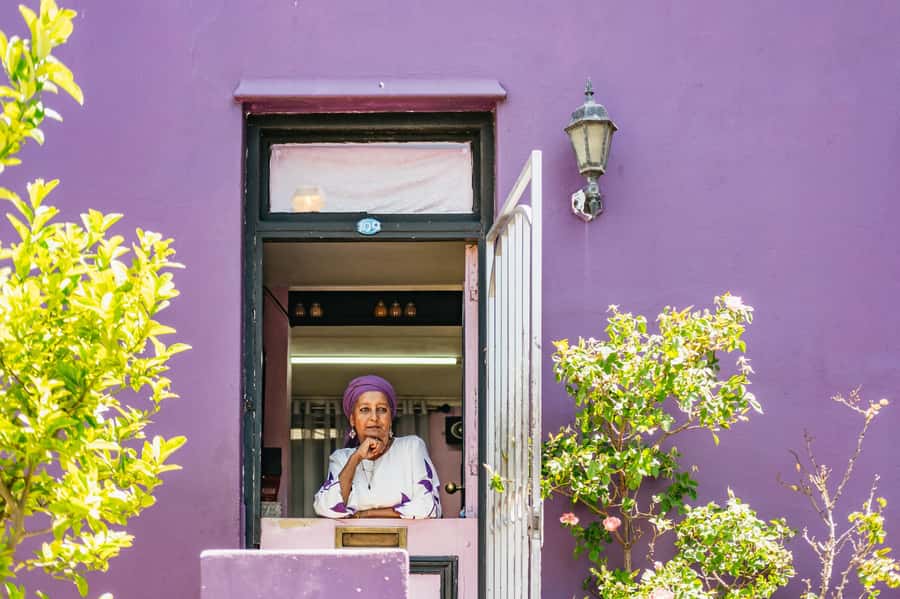
Bo-Kaap is one of those Cape Town places where the neighborhood itself teaches you something. The lower slopes of Signal Hill are dotted with houses painted bold shades like hot pink and burnt orange, stacked up the hillside like a postcard that got real.
This experience starts at 109 Wale St, Schotsche Kloof, Cape Town. From there, you move into the Bo-Kaap setting where the cooking class happens in a local home. I like starting in the neighborhood because it helps you connect the food to the place, not just the recipe list.
If you enjoy snapping photos, this is the kind of walk where it’s worth pausing. The class includes time to explore the area and grab pictures among the colorful houses, so you get that familiar Cape Town “wait, I want another shot” moment without turning your afternoon into a rigid sightseeing checklist.
The pace stays human. You’re not racing between stops; you’re settling into Bo-Kaap and then stepping into the kitchen.
You can also read our reviews of more tours and experiences in Cape Town.


Cooking Cape Malay at Faldela’s home: culture that stays practical
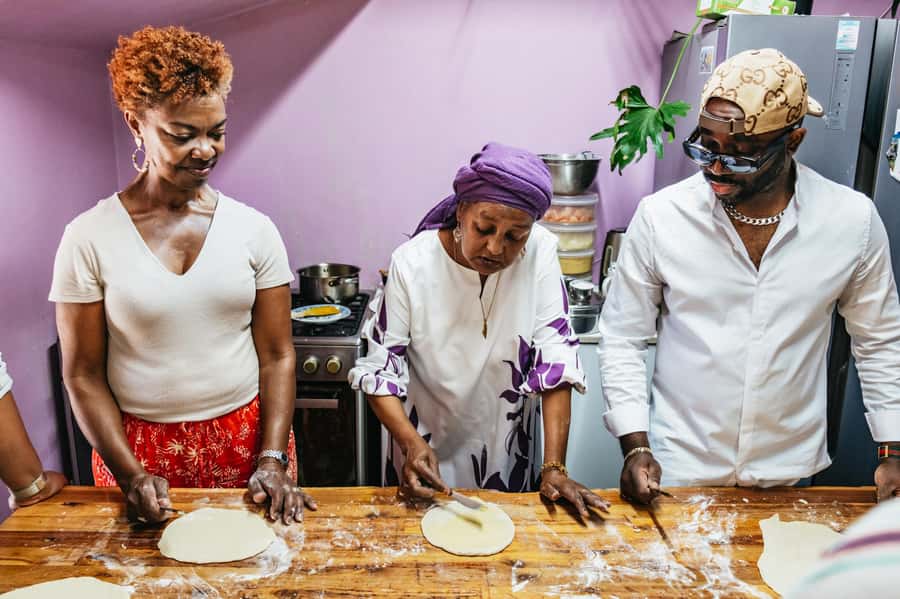
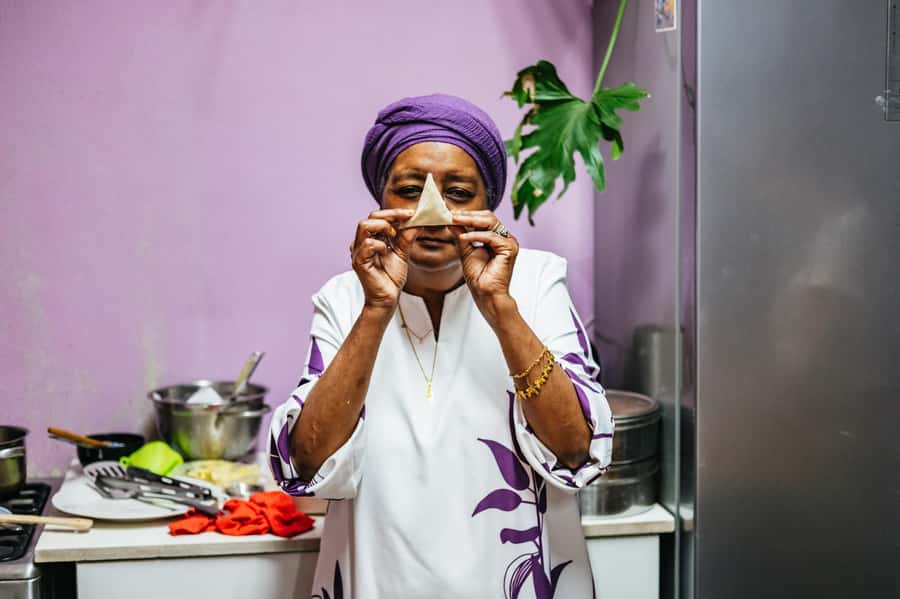
The heart of this experience is that it’s not a factory-style class. You’re welcomed into a home kitchen in Bo-Kaap and taught by a friendly local host, Faldela. Multiple class notes describe her as funny and warm, and several mention that she keeps things conversational while still walking you through steps.
Cape Malay cuisine is a fusion story, and the class frames it in a way that makes sense. Cape Malay food blends African traditions with influences connected to Malaysian and Indonesian slaves brought over by the Dutch in the 17th and 18th centuries. That matters because it explains why the cooking often feels spice-forward and sauce-heavy, not mild or bland.
You may also meet more than one person in the home setup. Some class accounts mention Faldela working with family members such as her daughter or sister. The takeaway for you: you’re not just attending a lesson, you’re joining a small household routine where cooking is part of daily life.
The class is also designed for comfort. Notes from past participants emphasize that even if you have never cooked before, you can participate. You’ll be taught what to do, what to look for, and how to keep moving without feeling rushed.
The spice lesson that actually changes how you cook
Malay cooking in this style doesn’t treat spices as decoration. You use them with intent, and the class does a good job connecting each spice to what it does in the dish.
Expect to work with spice combinations that include ginger, fennel, star anise, tamarind, and turmeric. Turmeric is the one everyone keeps coming back to, because it gives the food that distinct aromatic quality. The key isn’t just the list, it’s how the spices are combined to build flavor layers.
What’s especially useful is the teaching tone. Several class accounts mention extra tips beyond basic cooking, including how spices have health and multipurpose uses. Even if you don’t care about the medicinal angle, you’ll still get a clearer picture of why a specific spice goes in at a specific stage, and how changing timing can affect the final taste.
One practical tip I’d take from this kind of class: don’t treat Cape Malay flavor as one sauce. It’s built. You’re learning the building blocks—spices, aromatics, and then how sauce develops—so you can recreate the dish later instead of just copying a finished flavor.
Also, your class kit includes ingredients and equipment, so you’re not hunting for specialty items mid-lesson. The value here is that you learn how to use what’s available in a local market, not how to chase a rare ingredient that nobody sells.
What you might cook: curries, stews, roasts, plus rotis and samosas
The class centers on typical Cape Malay meal components, often including stews, roasts, and curries with a lot of sauce. The exact dishes can vary, but the goal stays consistent: learn techniques and how to balance spice, liquid, and cooking time.
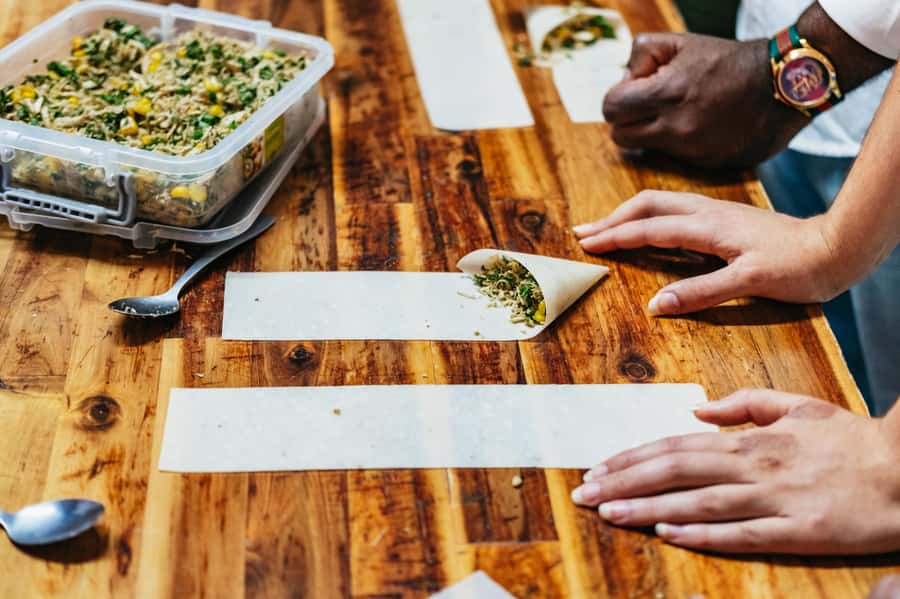
You’ll likely do more than one element of a meal. Some participants mention making dishes beyond just curry, including rotis and samosas. If those are on the menu for your session, it’s a great mix because roti teaches dough handling and cooking method, while samosas bring flavor and texture work.
The teaching style matters here. Reviews describe everyone taking part, which usually means you won’t be stuck watching from the sidelines. You’ll get specific guidance for each step—chopping, mixing, shaping, simmering—so you can move from ingredient to outcome.
And yes, the food portion is real. Multiple accounts describe finishing very full, and one comment even notes that tasting and learning through cooking is better than a restaurant meal for payoff. That matches the structure: you cook, then you eat what you made.
If you’re picky about one thing—like you hate curry flavor or don’t eat certain foods—tell your host ahead of time. One past note says dietary needs were handled with ease, but you’ll still want to communicate clearly so your meal fits you.
Lunch you made in a home, not a restaurant line
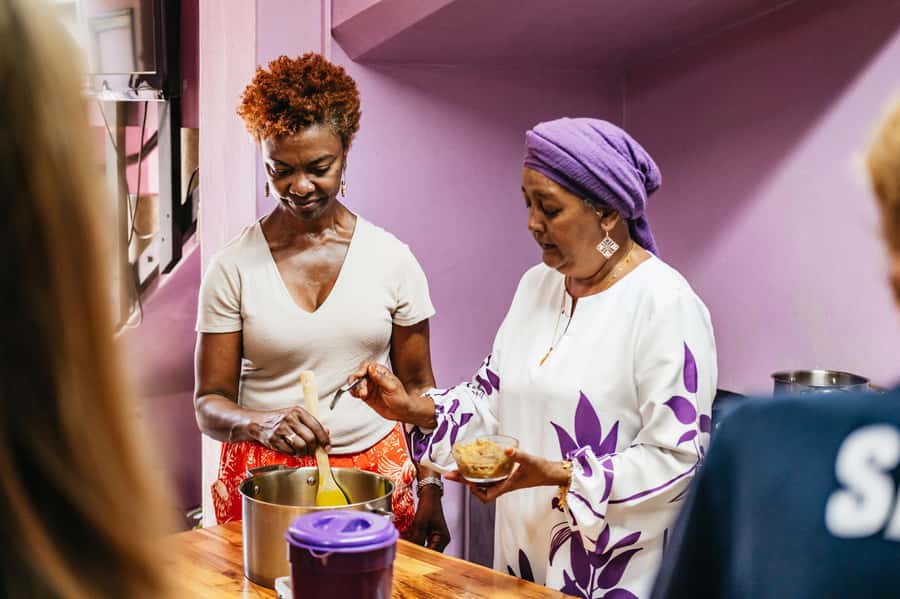
After cooking, you sit down and eat the feast you prepared. Lunch is included, along with soft drinks. Alcoholic drinks are not part of the deal, so expect a meal with drinks in the non-alcohol category.
What I like about this is that the lunch feels like part of the teaching, not an afterthought. The meal is built from what you just practiced, so you understand what worked and why. That is how recipes become usable later.
Some class accounts mention extras like salad, juice, and a dessert treat. Even if your menu doesn’t include all those pieces, the core promise holds: you’ll eat together and you’ll leave with the sense that you participated in the whole meal, not just the cooking part.
Also, the hospitality side tends to be strong. Several notes describe welcoming, homey conversation and a relaxed group atmosphere. Expect to share table space with other class participants, and you’ll likely learn a few personal stories along the way—especially about the host’s heritage and how her family ties cooking to community.






Logistics that matter: 150 minutes, English, and what not to bring
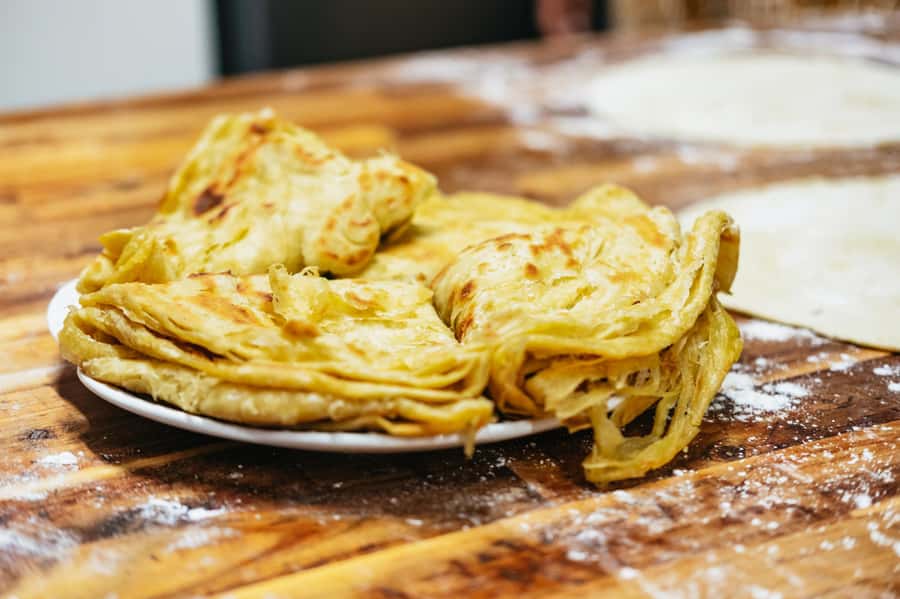
This experience runs about 150 minutes, which is long enough to learn real steps and short enough that you won’t lose your whole day to the class. You meet at 109 Wale St and then go into Bo-Kaap for the cooking portion, before returning back to the same starting point.
The guide is English-speaking, and past accounts repeatedly mention the humor and easy flow. That’s helpful if your cooking vocabulary is rusty, since the teaching stays plain and visual.
There are also clear rules about what’s allowed: no smoking, no pets, and no alcohol or drugs. That keeps the atmosphere calm and home-like, and it also means your soft drinks are the expected beverage.
If you have a mobility device, the class is listed as wheelchair accessible. Still, since this is a home setting, you may want to ask about doorway widths and any steps on entry when you book.
What to bring is simple: comfortable clothes you don’t mind getting spiced smells on, and come with an appetite. You’re meant to taste as you go, then eat lunch in full.
Price and value: why $49 feels fair for lunch plus instruction
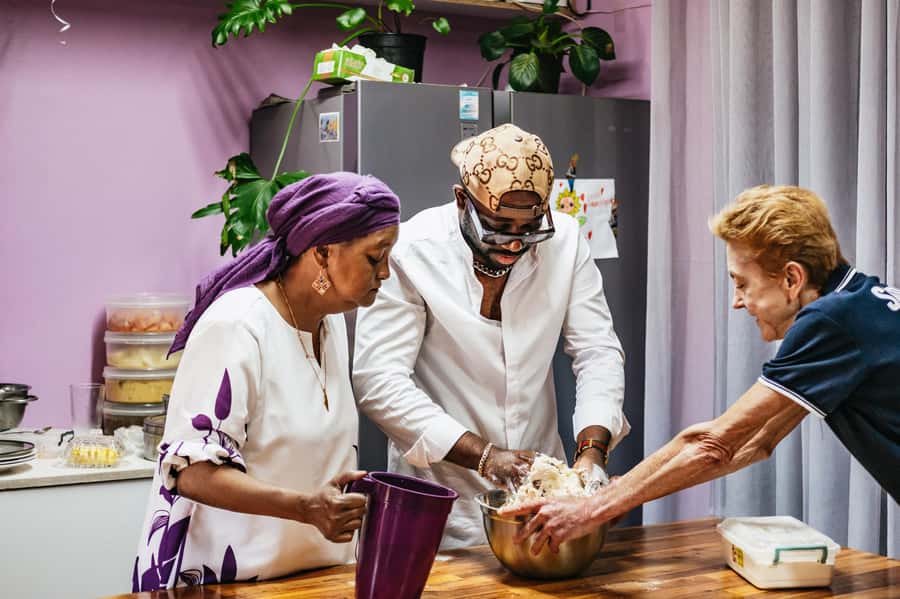
At $49 per person, this class competes well with Cape Town meals, especially because you get more than food. You’re paying for an instructor, ingredients, equipment, and lunch, plus the time to learn techniques that don’t come from reading a recipe alone.
A restaurant curry might cost similar money, but it won’t teach you how the sauce gets built, how spices are combined, or how to handle elements like roti or samosa dough. Here, you’re also walking away with a clearer “flavor method,” which is the part that makes the class useful months later when you cook at home.
Several participants mention that recipes are shared after the class. That adds value because it turns your new skills into something you can repeat, not just a tasty memory.
The setting also matters. Paying to cook in a local home in Bo-Kaap gives you a cultural experience that feels personal and specific to the neighborhood, not generic “South Africa food tourism.”
Who should book this Bo-Kaap cooking class
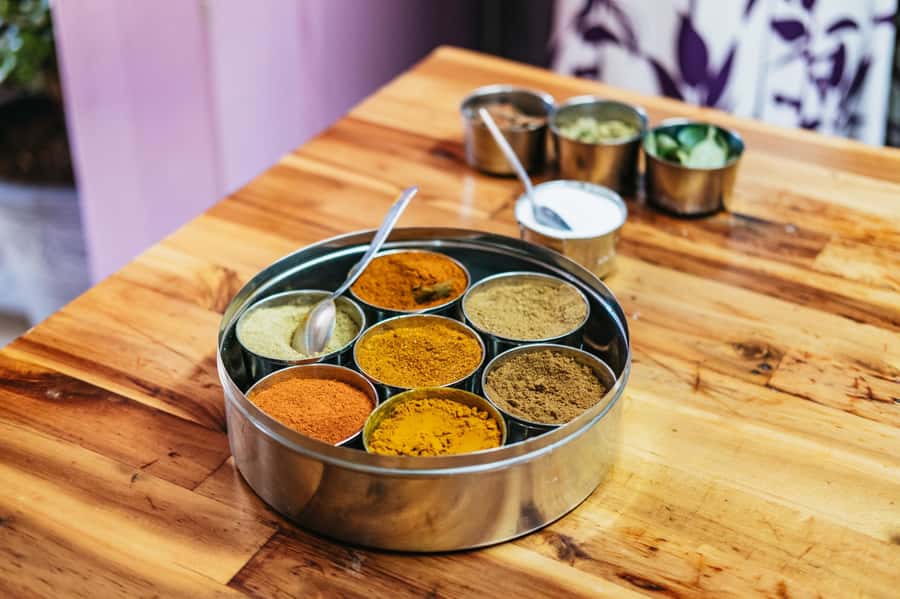
I’d book this if you want Cape Town food culture in a way that’s hands-on. It’s a great fit for solo travelers who want conversation without awkwardness, and for friends who enjoy learning together and then eating as a group.
It’s also a smart choice if you like practical learning. You’re not just tasting; you’re doing the steps that create the flavors—especially the spice combinations and sauce logic.
On the flip side, if you want a class where you control every part of the cooking all the time, you might feel limited if the group is larger. One past note mentions that a big group can mean less individual cooking time. Even then, you still get a full meal and a lot of interaction, just with more rotating roles.
Finally, if curry-heavy food isn’t your thing at all, you should confirm what your session will focus on. The class is centered on Cape Malay dishes that often involve sauce-heavy curries and spiced stews.
Should you book Cape Town: Malay Cooking Class and Lunch in Bo-Kaap?
Yes, I think you should book it if you want a real Bo-Kaap experience where cooking is the main event and lunch is part of the reward. The price is reasonable for the time, instruction, and food you get, and the strongest signals from past participants are the warm hosting and the way the class turns spices into understandable results.
Book it especially if you like learning by doing. Come hungry, wear comfy clothes, and don’t be shy about asking about your dietary needs. And if you care about getting recipes to take home, this class is set up for that kind of follow-through.
FAQ
Where is the meeting point?
You meet at 109 Wale St, Schotsche Kloof, Cape Town.
How long is the experience?
The duration is 150 minutes.
What is included in the price?
The class includes cooking class, ingredients, equipment, an English chef instructor, lunch, and soft drinks.
Is alcohol included?
No. Alcoholic drinks are not included. The class includes soft drinks.
Can I cancel for free?
Yes. You can cancel up to 24 hours in advance for a full refund.
Is it okay if I have no cooking experience?
Yes. The class is described as suitable even if you have no cooking experience, because the host teaches step-by-step.
Are pets allowed?
No. Pets are not allowed.