REVIEW · MARRAKECH
Marrakech: Atlas Mountains, Ourika Valley, Waterfall with Guide
Book on Viator →Operated by CLICK EXCURSIONS · Bookable on Viator
Ourika Valley feels like a breather from the city, with Setti Fatma waterfall hike and Berber village stops that actually change your day. I love how the trip is paced to reduce wasted car time, and I especially like that round-trip hotel transfers keep logistics simple.
One thing to consider: the waterfall walk is not a casual stroll. You’ll be climbing on rocky ground, and you’ll want proper shoes and a steady pace—some people find it challenging.
In This Review
- Key Points at a Glance
- A Marrakech Day Trip That Feels Like It Leaves Town
- Hotel Pickup and the Drive That Sets the Pace
- Stop 1: Marrakech Briefing Before You Head Out
- Stop 2: Tnine Ourika Berber Villages (Amazigh Life in Plain Sight)
- Stop 3: Women’s Argan Cooperative (More Than a Souvenir Stop)
- Stop 4: Setti Fatma and the Waterfall Walk with a Local Mountain Guide
- Stop 5: Free Time by the Ourika River for Lunch
- Stop 6: Back to Marrakech and Time to Process What You Saw
- Price and Value: Why This Tour Can Be a Smart Buy
- What You Should Wear and Bring (This Tour Is About Footing)
- Who This Trip Works Best For
- Should You Book the Marrakech to Ourika Valley Waterfall Tour?
- FAQ
- What time does the tour start?
- How long is the day trip?
- Is hotel pickup and drop-off included?
- What stops do you visit during the day?
- Is lunch included?
- How long is the hike to the waterfalls?
- What should I wear for the hike?
- Can kids join?
- How does cancellation work?
Key Points at a Glance
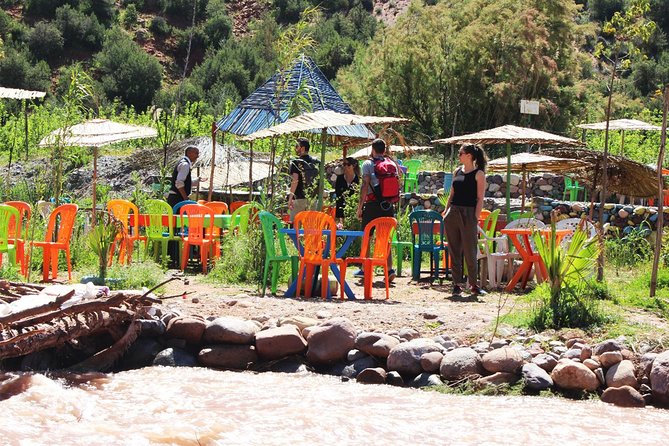
- Berber village stop (Tnine Ourika) with a real look at Amazigh life and the chance to time it with a weekly souk
- Women’s argan cooperative visit focused on how argan nuts are harvested and processed
- Local hiking guide in Setti Fatma for the 1.5-hour walk to the waterfalls area
- Free time by the Ourika River to handle lunch on your own (not included)
- Multiple guide languages may be used (French and English show up in guides’ commentary)
A Marrakech Day Trip That Feels Like It Leaves Town
Marrakech has plenty of “day tour” options that start strong and then turn into long drives and short stops. This one is built around the idea that you should spend your energy in the valley, not on the road.
Ourika Valley is known for its scenery and, in this route, it’s framed as a place that still feels less overrun than the most central tourist loops. That matters because the best parts of a day like this are the moments when the landscape changes, air cools off a bit, and you can slow down.
You’ll also get a cultural layer, not just photos. You’ll step into Amazigh village life and visit a women’s argan cooperative. Even if you only spend 20 minutes at each, the structure keeps it from feeling like a rushed “checklist stop.”
You can also read our reviews of more tours and experiences in Marrakech.
Hotel Pickup and the Drive That Sets the Pace
Your day starts at 9:00 am with pickup from your hotel or a nearby meeting point if your exact address isn’t accessible by car. From there, you’ll ride in a vehicle described as comfortable, with a professional driver.
This is the part that makes the itinerary work for real life. When you’re based in Marrakech, the Atlas foothills can feel far on a map. The tour’s timing is designed to keep the day moving: a briefing early on, a first cultural stop before the bigger hike, then a waterfall walk before you relax by the river.
A practical note: the reviews consistently highlight safe, careful driving on mountain roads. That’s not a small detail. It changes how relaxed you feel, especially if you’re not thrilled by curvy roads.
Stop 1: Marrakech Briefing Before You Head Out
Before you start rolling, the guide gives you the day’s basics—what to expect, what the timeline looks like, and where your energy should go. It’s a short setup, but it helps you know how the day is shaped.
If you’re the type who likes to understand the order of stops, you’ll appreciate this. It also makes it easier to plan small decisions like when you’ll need water, how seriously to take the hike footwear, and how much cash you’ll want for lunch later.
Stop 2: Tnine Ourika Berber Villages (Amazigh Life in Plain Sight)
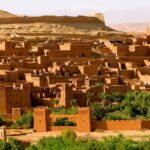
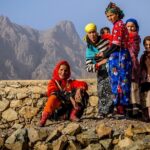
Your first real stop is Tnine Ourika, a chance to visit hilltop Berber villages and get a feel for indigenous Amazigh culture. This part is short—about 20 minutes—but the value comes from seeing how the community lives and works rather than just passing by from a viewpoint.
Here’s what you can expect to look for:
- distinctive local architecture
- artisans at work
- the rhythm of village life
One detail that can make this stop extra fun: if your day lines up with the weekly souk, you may catch the open-air market energy (the description notes Monday or Thursday markets). Even if you don’t catch the market, it’s the kind of stop where you’ll notice textures—doorways, pathways, and how daily life is arranged on the hillside.
This is also the kind of stop where a good guide helps you connect what you’re seeing to real meaning. Some guides named in feedback—like Walid and Mehdi—were described as engaging, informative, and helpful during the day. If you get one of those styles, you’ll get more out of the time you have.
Stop 3: Women’s Argan Cooperative (More Than a Souvenir Stop)
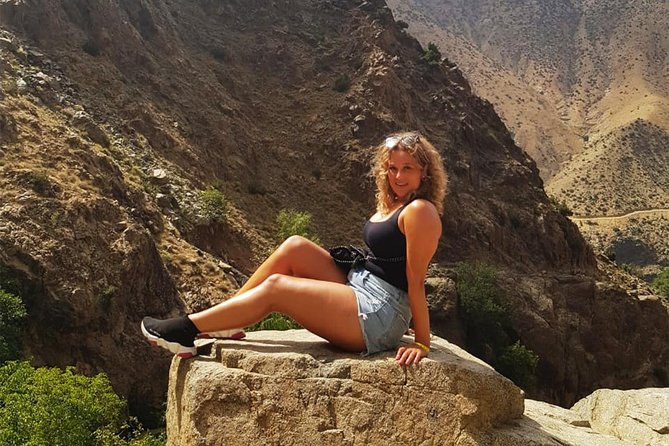
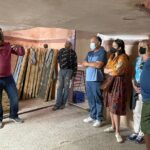
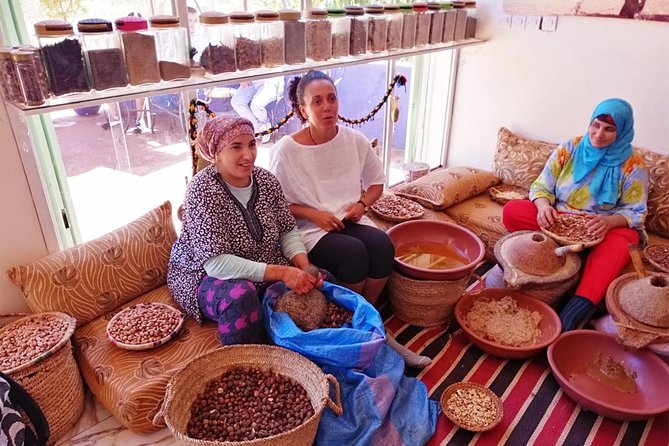
Next is Ourika, with a visit to a women’s argan cooperative. This is about argan nuts: how they’re harvested and processed, and how the cooperative supports women’s skills and economic independence.
It’s only about 20 minutes, so don’t expect a long production tour. But even a brief visit can give you useful context when you’re buying argan oil later in Marrakech. You’ll be able to connect the product to a local system—rather than treating it like a generic shop item.
Also, it’s not a purely “cultural show.” The cooperative angle matters because it’s tied to sustainability and local livelihoods. You’re learning why this craft and industry exists in the first place, and how communities keep traditions while supporting themselves.
If you care about ethical shopping (and you’re choosing what to buy while you’re in Morocco), this stop gives you a meaningful framework for your decisions.

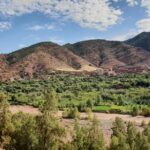

Stop 4: Setti Fatma and the Waterfall Walk with a Local Mountain Guide
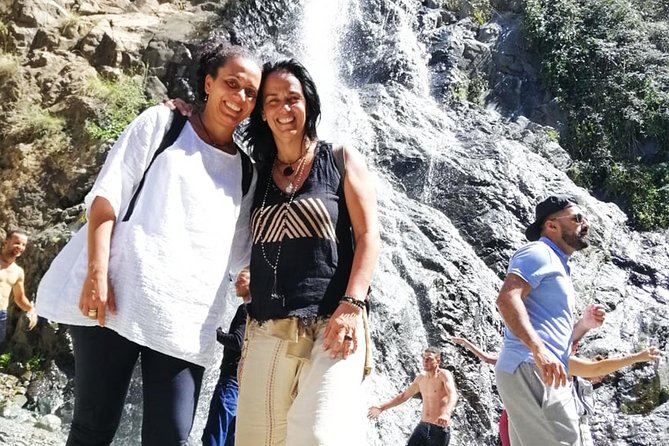
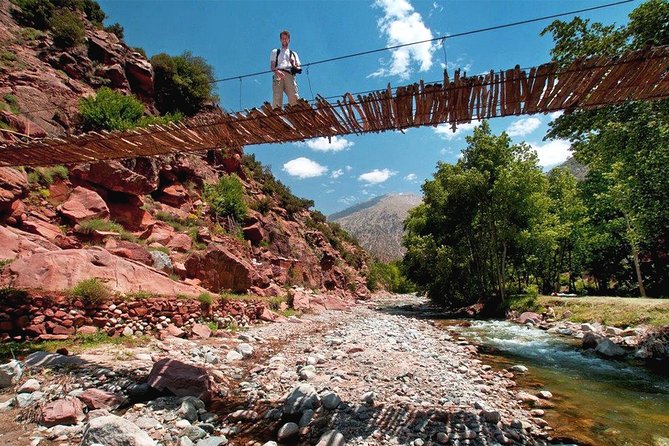
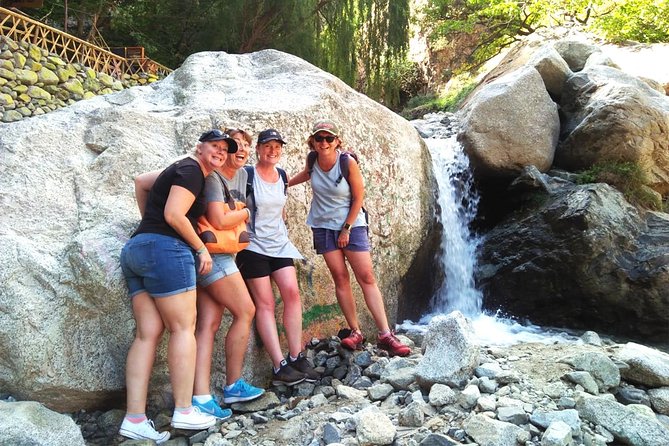
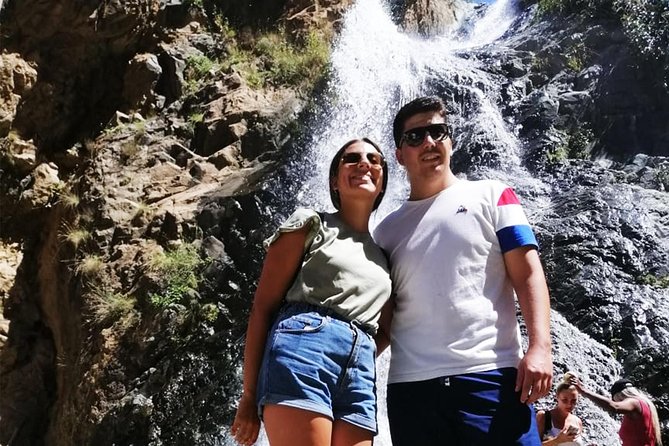
Now for the main event: Setti Fatma and the 1 hour 30 minutes hike to the waterfalls nearby. A local hiking guide meets you once you arrive, and the walk is the part of the day that most affects what you’ll remember.
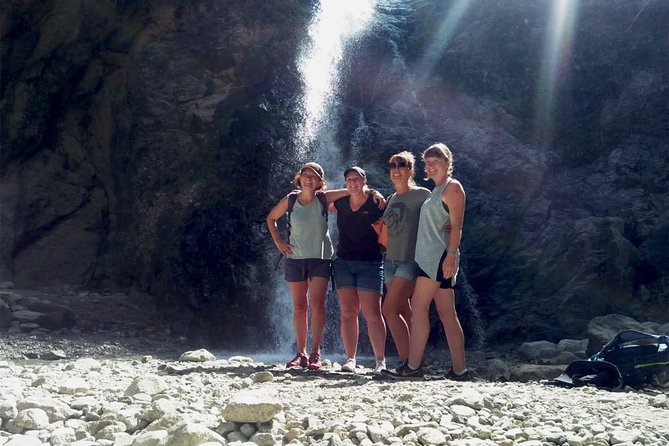
Let’s talk honestly about difficulty. Reviews repeatedly warn that the hike is challenging. Expect rocky terrain, and some people describe it as more like bouldering than a gentle nature walk. Rocks can be slippery, especially if conditions aren’t dry. That’s why good shoes are not optional.
What makes this hike worth it:
- It’s guided. You’re not just guessing where to step.
- The route gives you that Atlas-to-valley feeling—changes in scenery as you climb.
- The guide can help you pace it safely.
Names that show up in feedback include Saber, Rachid, and others leading the hike, and multiple comments mention guides being helpful, patient, and focused on safety. One person specifically praised support for an older passenger. That tells me the guides here often adapt to the group, not just the “young and athletic” crowd.
If you’re coming with kids, it can work too—one family mentioned seeing monkeys in trees during the outing, which can turn a tough hike into a mini adventure. Still, don’t assume it will be easy for everyone. Bring patience, plan water, and dress for slipping rocks.
Stop 5: Free Time by the Ourika River for Lunch
After the hike, you get about an hour of free time to enjoy lunch near the Ourika River. Lunch isn’t included in the tour price, so you’ll either buy food there or bring your own plan if you prefer.
This is a key part of the itinerary. It gives your legs a break and lets you enjoy the valley without rushing. The river setting is the reason to linger. Even if you keep your lunch simple, you’re resting in a scenic place.
Some people found the food good but not necessarily special, while others liked the lunch experience and called it a strong point. The practical takeaway: treat it as comfort after hiking, not as a gourmet “must-try” meal. If you’re picky, I’d plan to eat what looks fresh and easy to enjoy on a riverside setting.
Stop 6: Back to Marrakech and Time to Process What You Saw
The return to Marrakech is about 1 hour 50 minutes. By now, you’ll be tired in a good way—eyes full of mountain scenery and your head full of village and argan co-op impressions.
This last stretch matters more than people think. It gives you time to slow down and mentally sort the day: what surprised you, what you want to remember, and what you might want to revisit on your own later.
If you had a guide who talked a lot (some feedback mentions good English and French), you’ll likely use the drive to connect the dots about what you saw earlier. It’s also when the safe driving becomes part of the experience—less bouncing stress, more relaxed wind-down.
Price and Value: Why This Tour Can Be a Smart Buy
At $17.38 per person, this is priced as an accessible day trip. For Marrakech, that’s the kind of price where you wonder what gets cut.
Here’s what you actually get for the money, based on the tour details:
- professional transport with a comfortable vehicle
- hotel pickup and drop-off
- visits included for the Berber village stop
- a women’s argan cooperative visit
- a local hiking guide during the main walk
You’re also getting a structured itinerary that hits cultural stops plus nature. For many travelers, that balance is the value. It’s not just one long hike or just shopping stops. You do both—within a single day.
Is there a drawback with value tours? Sometimes lunch quality or extra time can feel tight. One clear consideration from feedback is that the river/lunch time can feel short if you want more pure relaxation. If that’s your priority, plan to enjoy a longer meal back in Marrakech after you get home.
What You Should Wear and Bring (This Tour Is About Footing)
The biggest “real world” advice is footwear. Multiple comments mention slippery rocks and the need for sport shoes. Don’t show up in fashion sneakers and hope for the best.
I’d aim for:
- grippy shoes with good traction
- layers you can adjust as temps shift in the valley
- a light daypack for water and a small snack
- sun protection, since you’ll be outside during parts of the hike and walk
Dress code is listed as smart casual, but the hike dictates practicality. Think of it as smart casual for the drive and village stops, with hike-ready clothing for Setti Fatma.
Also, remember lunch isn’t included, so having a plan for money or payment helps you avoid stress when you’re hungry and tired.
Who This Trip Works Best For
This tour is a great fit if you want a day that feels different from Marrakech street life, without losing most of your day to driving.
You’ll enjoy it if:
- you like hands-on culture stops (Berber village life and the argan cooperative)
- you want a guided nature walk with real payoff
- you’re okay with a challenging hike and you prepare for it properly
It might be less ideal if:
- you want a very easy walk with lots of lounging
- you have mobility limits that make rocky terrain a problem
- you expect a fully included, fancy meal experience (lunch is not included)
The good news is that the guides described in feedback sound accustomed to supporting different paces. But safety still depends on your own comfort with the hike.
Should You Book the Marrakech to Ourika Valley Waterfall Tour?
I’d recommend booking this tour if you’re looking for a day where culture and scenery both matter—and you’re willing to respect the hike. The payoff is real: Berber village atmosphere, a meaningful stop at a women’s argan cooperative, and a guided walk to Setti Fatma with mountain views you can’t get from the city.
Skip it if you want an easy, low-effort day, or if you’re not comfortable on uneven, rocky ground. Also, if you’re the type who needs a long, leisurely meal break, you may feel like lunch time is just “enough.”
If you do book, do your part: wear proper shoes, bring water, and keep a steady pace. When you do, this is the kind of Morocco day trip that sticks with you long after you return to Marrakech.
FAQ
What time does the tour start?
The tour starts at 9:00 am.
How long is the day trip?
It runs about 8 hours (approx.).
Is hotel pickup and drop-off included?
Yes. Round-trip hotel transfers are included, with pickup by car where possible.
What stops do you visit during the day?
You’ll visit Berber villages in Tnine Ourika, a women’s argan cooperative, and Setti Fatma for the waterfall walk. You also get time by the Ourika River for lunch.
Is lunch included?
No. Lunch is not included, and you’ll have free time by the river where you can eat.
How long is the hike to the waterfalls?
You’ll hike for about 1 hour 30 minutes with a local hiking guide.
What should I wear for the hike?
Dress is smart casual, but you should prioritize sport shoes because the rocky route can be slippery.
Can kids join?
Children must be accompanied by an adult, and most travelers can participate.
How does cancellation work?
Free cancellation is available up to 24 hours before the experience’s start time for a full refund. If you cancel less than 24 hours before, it’s not refunded.