REVIEW · GIZA
Sharm El-Sheikh: Full-Day Tour of Cairo and Pyramids by Bus
Book on GetYourGuide →Operated by FTS Travels · Bookable on GetYourGuide
Cairo in one day, minus the guesswork. The early pickup from Sharm El-Sheikh and an Egyptologist guide makes the whole day feel organized and personal, and it helps that guides like Sarwat and Ahmed Hassan are big on explaining what you’re actually looking at.
I also love the hit list: the Great Pyramid area plus the Egyptian Museum in one long, well-paced outing. One thing to watch is that it’s a long haul (and the coach/van can feel a bit tight), so plan for a serious early start and keep your expectations on a “tiring but worth it” level.
In This Review
- Key things to know before you go
- The long ride out of Sharm El-Sheikh (and why it’s worth planning for)
- First stop: Giza Plateau with an Egyptologist guide
- Great Pyramid area: photos, camel rides, and how to avoid getting harassed
- If you add the Great Pyramid interior visit, here’s how to decide
- The Egyptian Museum on Tahrir Square: what you’ll actually want to see
- Lunch, Nile boat option, and the “shopping” stops that split opinions
- The guides: Sarwat, Ahmed, Ibrahim, Mohamed Amin, and why they change the day
- Transport comfort and timing: what can go right and what can go sideways
- Value check: is $88 a smart buy from Sharm to Cairo?
- Should you book this Cairo day trip from Sharm?
- FAQ
- How early is the pickup in Sharm El-Sheikh?
- What stops are included during the day?
- Is lunch included?
- Are entrance fees included in the price?
- Can I enter the Great Pyramid?
- Is a camel ride included?
- Do I need a visa, and how much is it?
- What should I bring?
- What languages is the tour guide available in?
Key things to know before you go
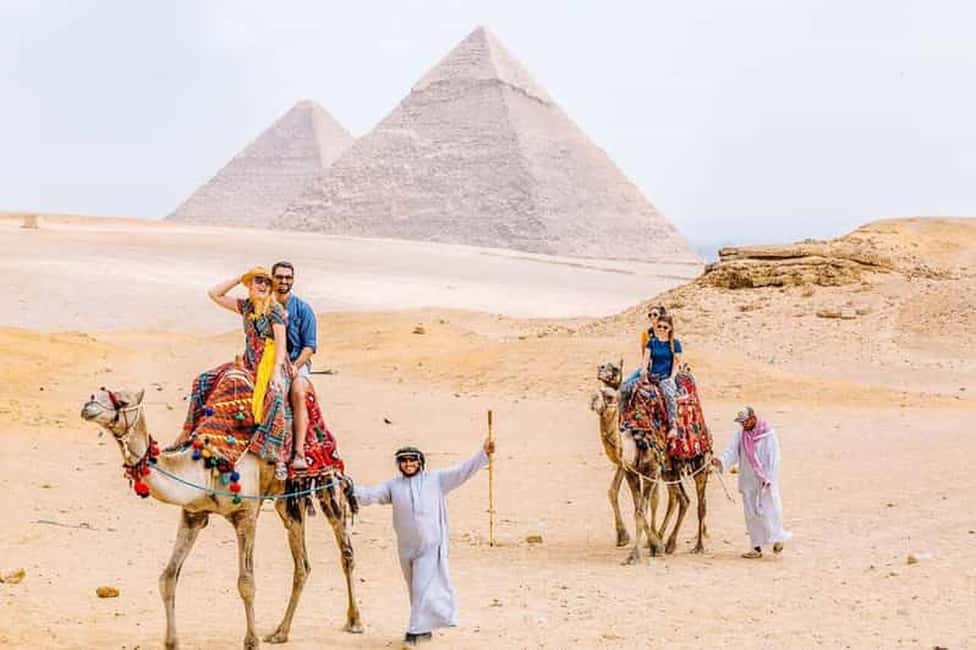
- Early timing for the pyramids means you get there before the worst of the day’s heat.
- Big monument checklist in one day: three pyramids, the Sphinx, plus Tahrir Square.
- Optional add-ons can change the pace a lot (camel ride, Nile boat, and even Great Pyramid interior if selected).
- Your guide matters: people highlight Sarwat, Ahmed Wahip/Waheeb, Ibrahim Hamed, and Mohamed Amin for keeping things engaging and moving.
- Scam and street-seller tactics are real—you’ll get warnings, and you should follow them.
- There can be extra “sales-style” stops like oils/perfumes or shops, so decide ahead of time what you’ll skip.
The long ride out of Sharm El-Sheikh (and why it’s worth planning for)
This tour lives and dies by the drive. You start early with hotel pickup in Sharm El-Sheikh, then head to Cairo in a van that feeds into the main transport (an air-conditioned bus is part of the day). The ride is long, so snacks and water are your friend, especially before you reach Giza.
A few practical notes help you feel in control:
- Pickup time depends on your hotel, and delays of up to about 10 minutes can happen, so don’t plan anything tight right before pickup.
- If you’re the type who gets cranky without sleep, aim to rest on the way. People report the trip as possible to sleep through when transport is comfortable.
There’s also the real-world issue of paperwork. If you need a visa and it’s handled on the ground, expect that your passport may be requested more than once and you might lose time at check points. That doesn’t mean the whole day is doomed—just plan to be patient and stay close to the group.
The best part of the long ride is that it buys you time in the places that matter most. In other words, you’re paying for convenience: you won’t have to figure out transport across Sinai into Cairo on your own.
You can also read our reviews of more tours and experiences in Giza.

First stop: Giza Plateau with an Egyptologist guide
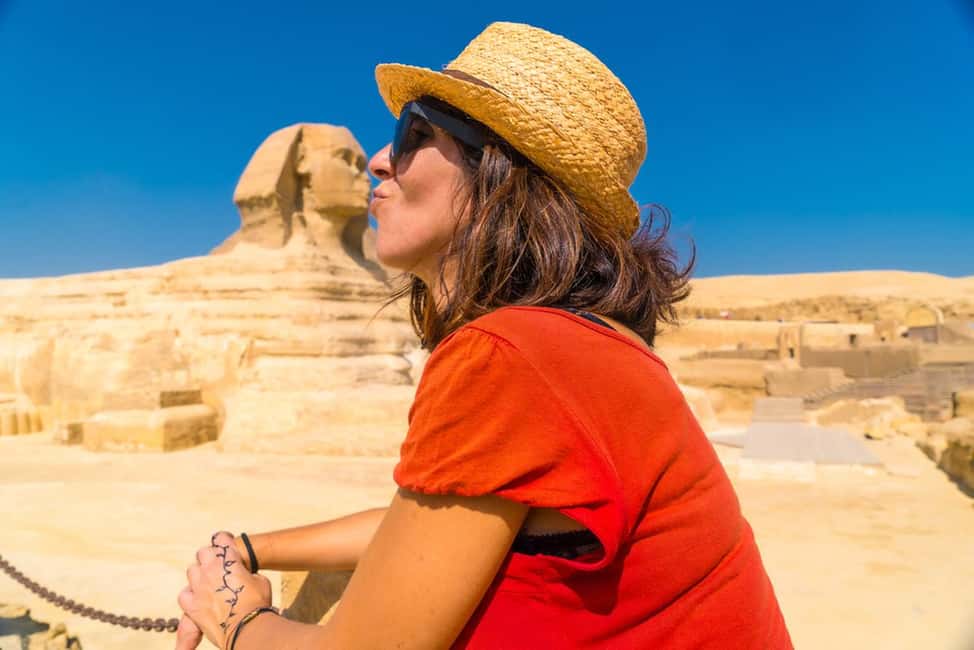
Once you reach Giza, the tour’s structure starts making sense. You go straight to the pyramid area, where the guide can explain what you’re seeing before you wander too far.
Here’s the core Giza experience you’re building around:
- Cheops (Khufu), Khafre (Chefren), and Mykerinos (Menkaure)—the Big Three
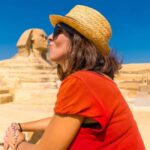
- The Great Sphinx
- The surrounding “city tour” style viewpoints around the plateau
What I like about this setup is that you get the monument tour in the right order. When you see the pyramids first, the museum visit later feels more connected. And when you understand the basics—what the pyramids were built for, what the different sites are—you’ll notice more detail rather than just taking photos and moving on.
Heat management is the silent hero here. A lot of people choose this tour specifically because it tends to reach Giza early, before the day turns into a sun-baked marathon. Still, protect yourself: comfortable shoes and sunglasses are non-negotiable.
Great Pyramid area: photos, camel rides, and how to avoid getting harassed
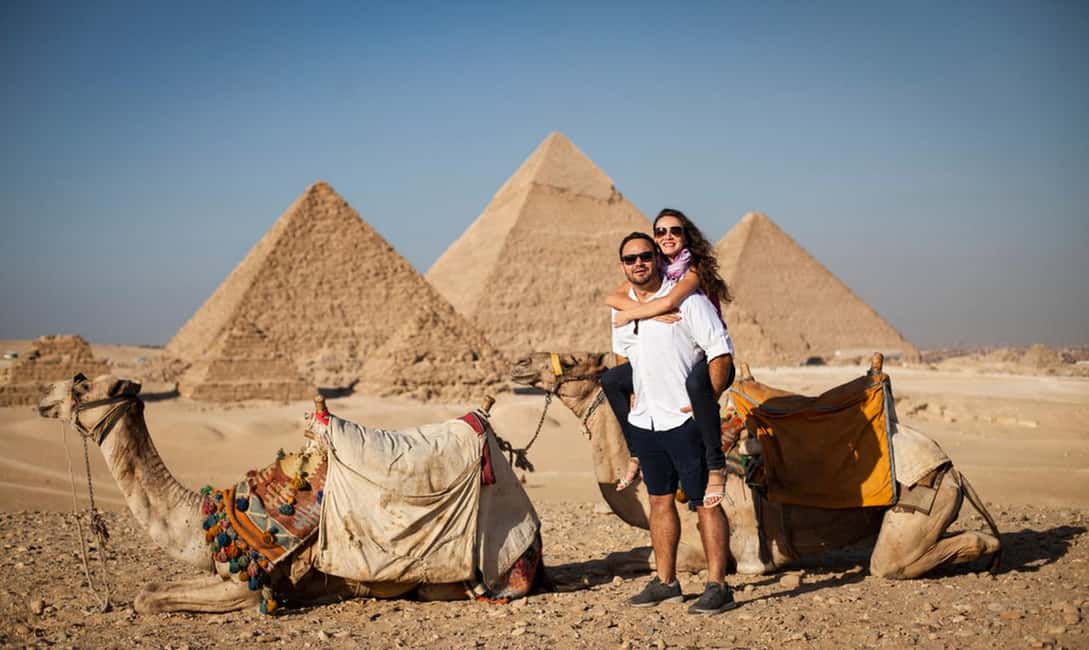
The Great Pyramid area is breathtaking. It’s also a magnet for scams, aggressive sales talk, and people trying to pull you off your plan. The good news: you don’t have to handle that alone. Guides on this tour are repeatedly praised for warning you about what to expect and how to respond.
For photography, you’ll get guidance on where to stand and when to move. Some guides are also known for helping the group with photos throughout the day, and there’s an optional add-on for a professional photographer if you want more of that.
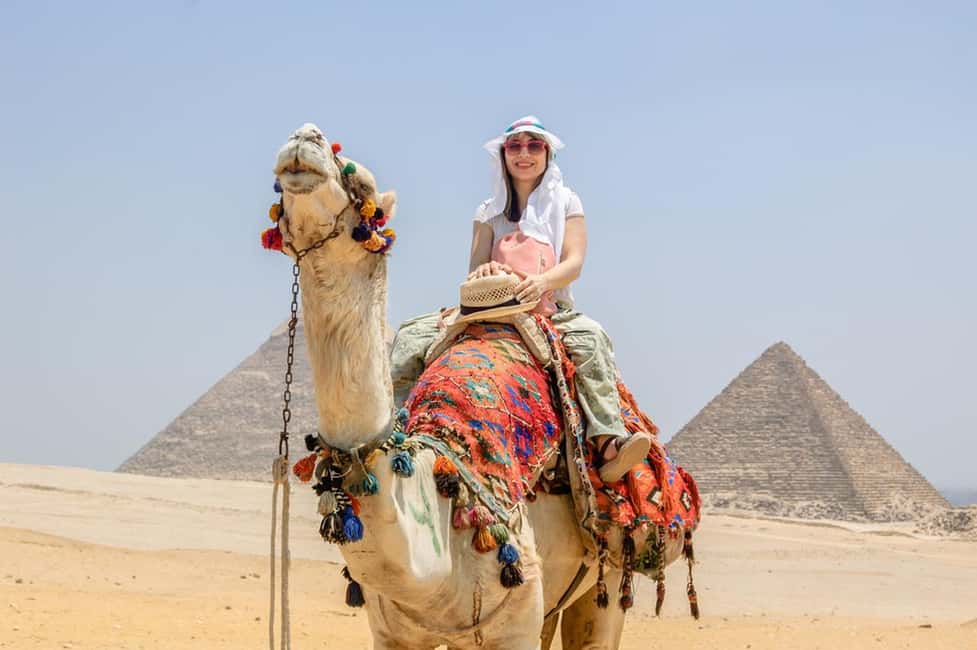
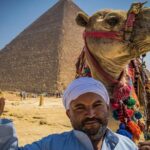
Camel rides are usually positioned as an optional activity once you’re on the plateau. If you choose it, treat it as a short add-on, not a core replacement for the rest of the Giza time. The camel ride can give you a different angle on the pyramids—just remember you’ll likely lose some time that you might otherwise use for walking and photos.
My practical tip: listen when your guide talks. It’s not just history—it’s also a safety and pacing tool. When you follow the group and don’t get separated, the whole experience runs smoother.
If you add the Great Pyramid interior visit, here’s how to decide
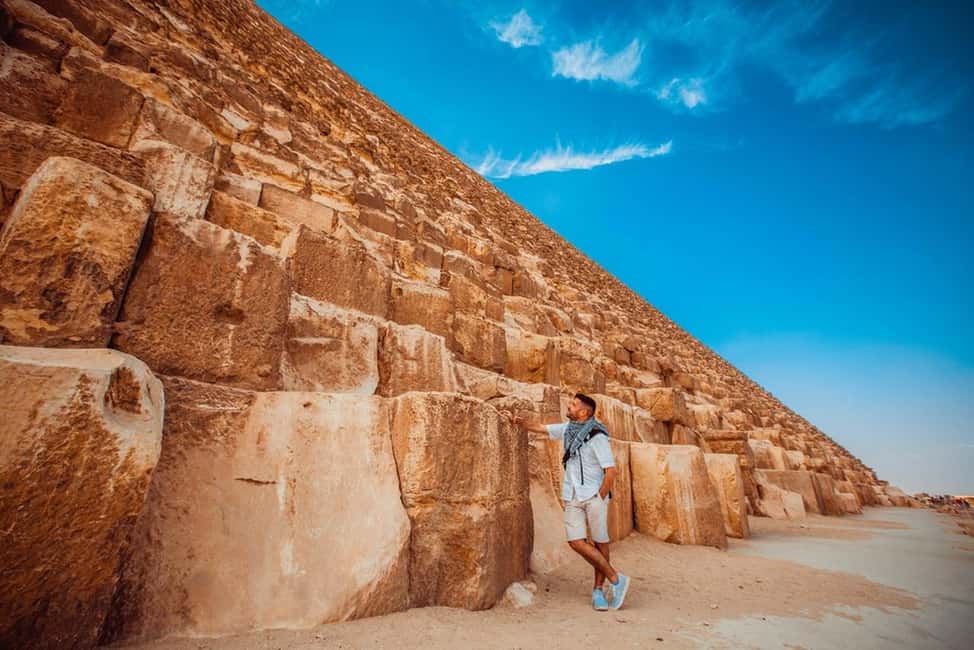
Some versions of this tour include an option for a Great Pyramid interior visit. This can be a memorable choice because it changes the experience from “seeing” to “going inside,” but it can also affect your timing on a day that’s already packed.
Here’s how I’d weigh it:
- If you’re the type who loves “the moment you step in,” pick it.
- If you’re sensitive to crowds or tight indoor spaces, you might prefer to keep your time focused on the Sphinx area and viewpoints outside.
- Either way, wear comfortable shoes and don’t over-plan what you’ll see next. Inside visits can shift timing.
Because the interior is optional, you’re not locked into it. Think of it as a “choose your style” add-on: outside exploration and photos, or a more physical, inside experience.
The Egyptian Museum on Tahrir Square: what you’ll actually want to see
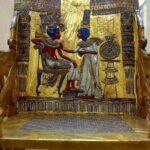
After lunch, you head to Cairo’s Egyptian Museum on Tahrir Square. This part of the day is your payoff for understanding the pyramids, because you start seeing objects linked to ancient kings, burial culture, and daily life.
The collection highlights you’re likely to run into include:
- Treasures connected to Tutankhamun’s tomb
- Statues and other ancient artifacts
- Mummies (when on display)
This is where the guide really matters. A good guide doesn’t just list names. They help you focus so you don’t get lost in rooms and spend your best energy wandering.
If you want to get value, aim for a short, intentional museum approach:
- Use the guided time to hit the key rooms and objects.
- Save your free time for what your guide points you toward, not for random doors.
Also, museums are a great break from sun. If the day has felt long already, this stop can feel like relief—even if the volume of artifacts still keeps your brain busy.
Lunch, Nile boat option, and the “shopping” stops that split opinions
Lunch is included, served at a restaurant. Based on day-of experiences, the meal is often a buffet-style setup. Drinks may require cash depending on how the lunch is handled, so having some Egyptian pounds on you helps.
If you select the optional Nile Boat trip, this is a nice reset after museums and pyramids. Reviews describe it as a short ride with time to take photos, and it often feels like the most relaxing segment of the day.
Then there’s the part that can make or break your mood: shop stops. Some add-ons and optional stops can include traditional products like papyrus-style demonstrations or oil/perfume sales pitches. One clear drawback that shows up in feedback is that the oils/perfumes stop wasn’t always clearly flagged ahead of time, and it can feel disruptive if you came for monuments only.
My advice:
- If you dislike sales pressure, tell yourself you’re here for monuments, not purchases.
- If you’re okay with quick demos, treat them like cultural extras and move on fast.
- If you want to buy nothing, don’t get stuck in long conversations. Stay with the group and keep moving.
Shopping stops are common in this kind of tour. The key difference is whether they’re explained well and whether you feel pressured. If that worry is in your head, ask your guide early how much time is planned and what’s optional.
The guides: Sarwat, Ahmed, Ibrahim, Mohamed Amin, and why they change the day
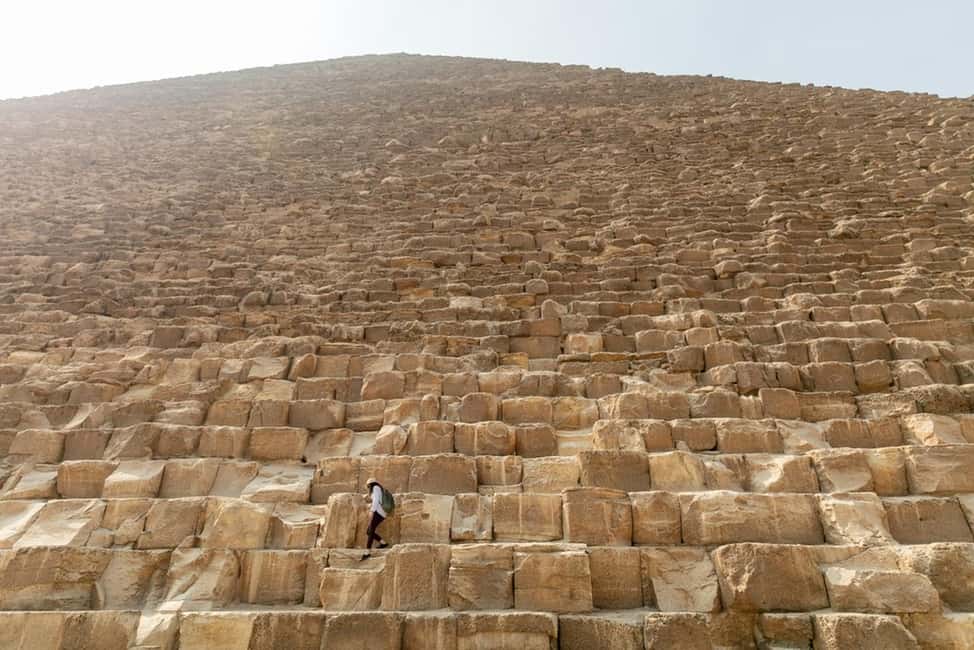
One of the biggest strengths of this tour is the human factor. Multiple names come up, and the pattern is clear: the best experiences are built around guides who keep things organized and explain in a way that makes history feel usable.
You’ll see praise for guides including:
- Sarwat, highlighted for fun delivery, lots of facts, and warnings about scams at the pyramids
- Ahmed Hassan / Ahmed Wahip / Ahmed Waheeb, praised for professionalism, kindness, and keeping the day moving efficiently
- Ibrahim Hamed, often mentioned for deep knowledge and a friendly, welcoming tone
- Mohamed Amin, described as engaging and good at keeping the group active
Photographers also get shout-outs. If you add the photography option, people note that you’re more likely to end up with better group shots and fewer “please take my picture” hassles during the prime pyramid moments.
Here’s what I’d watch for in any guide, even before you meet them:
- Do they answer questions clearly?
- Do they keep the group on schedule so you actually see everything?
- Do they help you navigate the busiest areas safely?
The positive reviews suggest that many guides hit those points consistently.
Transport comfort and timing: what can go right and what can go sideways
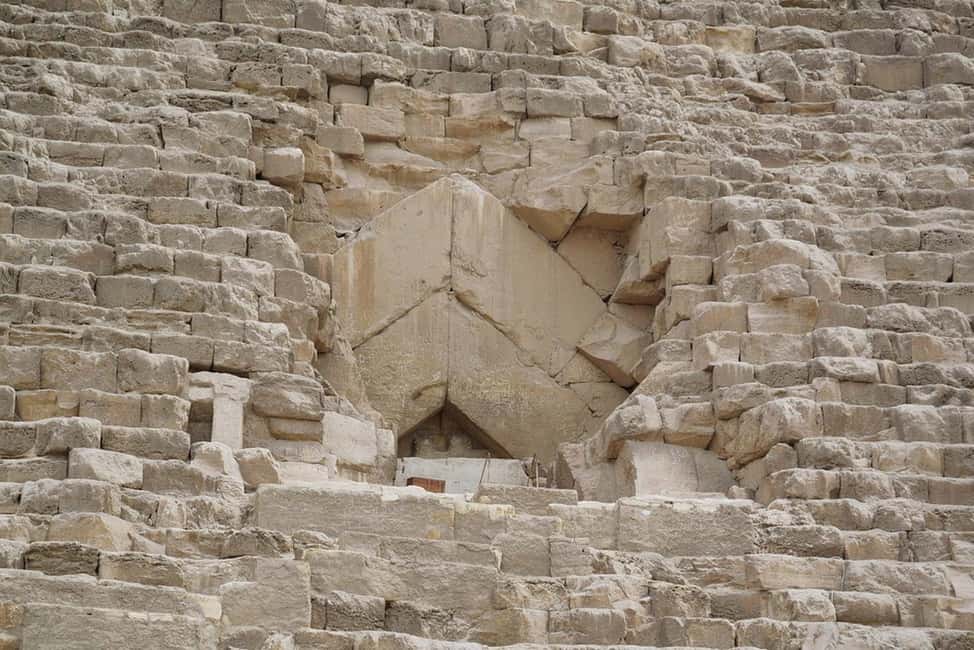
Let’s be honest: this tour is a long day built on long-distance driving. Comfort helps a lot. People describe air-conditioned transport as a major plus, and some report easy rest on the way out.
But there are also “real life” complications that can pop up:
- Late starts if some passengers are delayed for passport/visa steps
- Extra waiting time when visas are being handled on the spot
- In rare cases, mechanical issues that cause delays (one review mentions a van breakdown)
- Late arrival back to the hotel when the day runs long
So how do you protect your energy?
- Assume this is not an early-to-bed tour. You’re looking at an all-day schedule from morning until late.
- Pack for the sun and for the ride: sunglasses, water, and a snack for the drive help.
- Don’t schedule anything serious right after you get back to Sharm.
The good news is that even when the day starts slower, guides often work hard to recover time and still hit the main sights.
Value check: is $88 a smart buy from Sharm to Cairo?
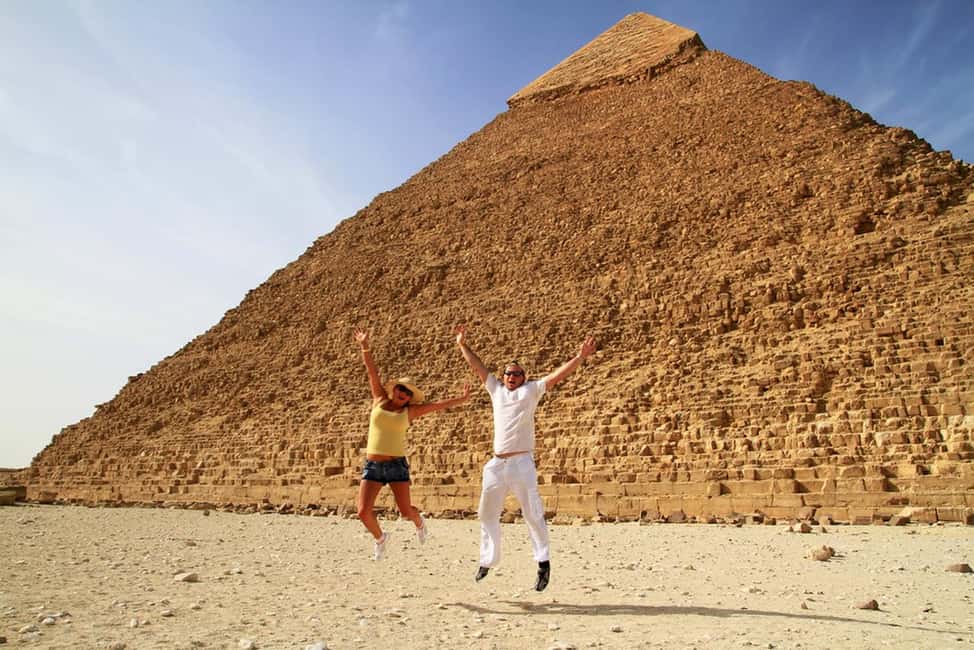
At $88 per person, you’re not just paying for sightseeing. You’re paying for logistics: door-to-door pickup and drop-off, air-conditioned transport, a guide, lunch, and—depending on your options—entry fees and extras.
What’s great value in this price:
- You’re getting a tight list of “must-sees” without spending your day planning transit across huge distances.
- You’re not left alone at Giza or Tahrir. A guide can save you time and reduce stress, especially with crowds and scam behavior.
- Lunch is included, so you avoid hunting for food during peak crunch times.
What can reduce value if you’re not careful:
- Visa isn’t included if required, and it’s listed as $35 paid in cash onsite.
- Add-ons can stack costs: interior pyramid visit, Nile boat, photographer, and optional scarf/oil products.
- If some shop stops feel like pressure, your time may feel less “monument-focused” than you planned.
I’d call it a good deal if you want a structured day and you don’t want to manage Cairo transport yourself. If you’re already confident navigating and you prefer a slower pace, you might feel this is rushed. But if your goal is to see pyramids and the museum in one trip, $88 is a fair price for that level of coordination.
Should you book this Cairo day trip from Sharm?
Book it if:
- You want maximum big sights in one day: pyramids, Sphinx, and the Egyptian Museum.
- You like having an Egyptologist-style guide who explains what you’re looking at.
- You’re okay with an early start and a long drive, and you’d rather pay for structure than build your own plan.
Skip it (or adjust expectations) if:
- You dislike long, tiring travel days and prefer to move at your own speed.
- You strongly dislike sales stops. If this matters, choose add-ons carefully and be ready to say no quickly.
If you do book it, do two things and you’ll feel the payoff: bring sun protection for Giza, and listen closely when your guide gives you safety and timing tips at the pyramids. That’s where the day gets its smoothness.
FAQ
How early is the pickup in Sharm El-Sheikh?
Pickup is early in the morning, but the exact time depends on your hotel location. You’re asked to confirm the exact pickup time one day before the trip, and delays of up to about 10 minutes can happen.
What stops are included during the day?
You visit the Giza Plateau for the pyramids and Great Sphinx, plus the Egyptian Museum in Tahrir Square. A Nile boat trip is included only if you select that option.
Is lunch included?
Yes. A restaurant lunch is included in the tour.
Are entrance fees included in the price?
Entry fees to the attractions mentioned are included only if the option is selected. Once you arrive, you may have the choice to pay entrance fees in advance or in cash.
Can I enter the Great Pyramid?
You can if you select the optional Great Pyramid interior visit. It’s listed as an add-on option.
Is a camel ride included?
A camel ride is described as optional around the Giza Plateau.
Do I need a visa, and how much is it?
Visa details depend on your situation. If a visa is required, it’s listed as $35 paid in cash onsite.
What should I bring?
Bring your passport or ID card, comfortable shoes, and sunglasses. If you need a visa, bring whatever you need for that and have it ready as required.
What languages is the tour guide available in?
The languages listed are English, German, and Arabic.