REVIEW · MARRAKECH
3-Day Tour to Merzouga Erg Chebbi with Food & Camel Trek
Book on Viator →Operated by Ando Travel SARL · Bookable on Viator
Sand meets history on this desert route. This 3-day trip pulls you out of Marrakech fast, crossing the High Atlas via the Tizi-n-Tichka pass and then bringing you to the UNESCO site of Aït Benhaddou with a guide, so the journey feels like more than just driving. You end up in Merzouga for an Erg Chebbi camel trek and a night camped in the Sahara.
I like that the big sights are spaced out, not crammed into one long day: Atlas views one day, kasbah culture the next, and then dunes plus stars. One catch to plan for: you’re in the vehicle for a lot of time, and lunch is not included (so expect extra costs and roadside restaurant stops that may not feel like your first choice).
In This Review
- Key Highlights You’ll Actually Feel
- High Atlas To Erg Chebbi: Leaving Marrakech Without Feeling Like You’re Slipping Into a Tour Bus Line
- Tizi-n-Tichka Pass And The Atlas Drive: What It Feels Like From 7:00 AM
- Aït Benhaddou Kasbah: UNESCO Worth Seeing, With An Optional Local Guide
- Skoura Oasis And The Dadès Valley Stop: Palm Trees As A Desert Reset
- Todra Gorge And Rissani: The Day-2 Detour That Makes The Dunes Feel Bigger
- Camel Trek To Erg Chebbi: Sunset Riding, Berber Camp Dinner, And The Star Moment
- Meals On The Road: What’s Included, What Costs Extra, And How To Avoid Meal Frustration
- Desert Camp Comfort: Toilets Outside, Showers In The Lodge, And Why That’s Normal
- Timing, Group Size, And Why Long Drives Are Part Of The Deal
- Who Should Book This Merzouga And Erg Chebbi Tour
- Should You Book This $133 Marrakech To Erg Chebbi Experience?
- FAQ
- What are the main sights included on the trip out of Marrakech?
- Are meals included, and is there a vegetarian option?
- What does the camel trek include, and when does it happen?
- What accommodation and bathroom setup should I expect for the two nights?
- What should I pack for weather and comfort?
- What time does the tour start, and when do you return to Marrakech?
- Can I cancel for free?
Key Highlights You’ll Actually Feel
- High Atlas crossing over the Tizi-n-Tichka pass for that wow-factor scenery right away
- Aït Benhaddou kasbah with guide time at a UNESCO World Heritage stop
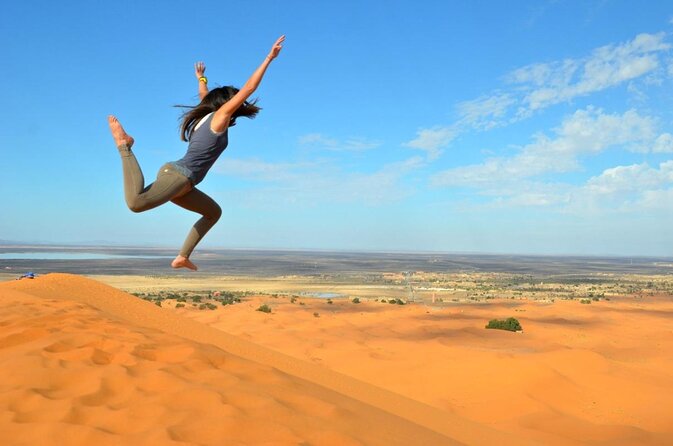
- Camel trek to Erg Chebbi in late afternoon with dinner and traditional music at camp
- Todra Gorge and Rissani give you variety beyond dunes and kasbahs
- Hotel night with normal showers vs desert-camp basics (toilets usually outside)
- Price-to-inclusions value: two nights, camel trek, and multiple meals are bundled around $133.24
High Atlas To Erg Chebbi: Leaving Marrakech Without Feeling Like You’re Slipping Into a Tour Bus Line
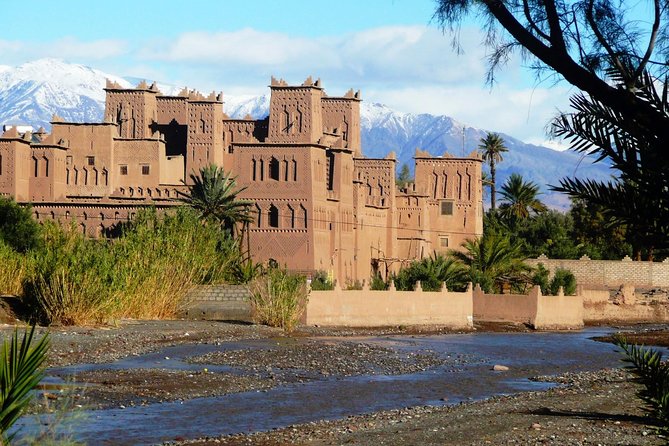
This is a classic Morocco “big contrast” trip. You start in Marrakech, then you steadily trade city energy for mountain roads, kasbah walls, oasis palms, and finally Sahara dunes. If you want the desert experience but you also want stops that explain why Morocco looks the way it does, this route makes sense.
The itinerary is built around a simple idea: moving day by day, not hopping randomly. Day 1 leans into the Atlas and heritage. Day 2 adds a gorge and a historic town before you reach Merzouga. Day 3 is about sunrise-or-not dune time and then the return across the mountains. You’re not just doing one thing; you’re changing scenery often enough to keep the long drives from feeling monotonous.
One more practical win: the transport is air-conditioned, and the tour includes hotel pickup inside Marrakech. That matters in Morocco. Heat in the van can turn a scenic ride into a grind.
You can also read our reviews of more tours and experiences in Marrakech.
Tizi-n-Tichka Pass And The Atlas Drive: What It Feels Like From 7:00 AM
You start early, around 7:00 am, which is smart for two reasons. First, you beat some of the day’s heat. Second, you get into the mountains while the light still looks dramatic on the ridgelines.
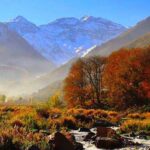
This part of the trip is about scale. You’ll pass Berber villages where shepherds herd flocks the way they have for generations, then climb into mountain views that make you stop asking what time it is and start paying attention to the road itself. Expect frequent restroom stops along the way. One practical note from real-world experience: you should plan for breaks about every two hours.
Also, don’t ignore comfort basics. Bring sunscreen and sunglasses. Even when the air feels cool at elevation, sun glare on mountain stretches is real. And yes, wear your seat belt. There can be police stops, and traffic flow can be unpredictable.
If you dislike long rides or you get carsick easily, this tour can still work, but you’ll want to manage your expectations. This is a “travel days with major stops” style trip, not a lazy hop between nearby points.
Aït Benhaddou Kasbah: UNESCO Worth Seeing, With An Optional Local Guide
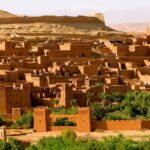
Aït Benhaddou is the moment where the trip feels like it earned its distance. This UNESCO-listed kasbah is known as a historic meeting and trading place, and when you walk it with a guide, you understand why the walls and streets were built the way they were: it’s built for people living through desert travel, not for photos alone.
Here’s what I like: you get time to soak in the atmosphere, then you move on. It doesn’t feel like a rushed drive-by. The kasbah is included, and the tour mentions a guide for the visit.
If you want extra detail, there’s an optional local guide available at an extra charge (listed as 2€ per person). It’s not required, but if you enjoy hearing how trade routes worked and how daily life shaped architecture, it can be worth it.
A practical downside to know: like many major Moroccan sites, this stop can lead into sales conversations for rugs, scarves, and souvenirs. That’s not “bad,” it’s just how the place works. If you’d rather keep your focus on the kasbah itself, you can politely keep moving and save shopping for later.
Skoura Oasis And The Dadès Valley Stop: Palm Trees As A Desert Reset
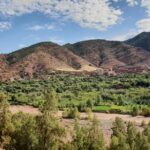
After the kasbah, you’re back on the road, then you reach Skoura’s oasis area. This is one of those stops that breaks the visual pattern. Instead of stone and sand, you see green palm trees in a dry setting, which makes the desert feel even more dramatic later.
The tour gives you time to pause and admire the oasis, then it continues toward an overnight in the Dadès region (Bourmaine du Dadès is named in the route). That night matters because it gives you a real hotel stay with toilets and showers inside rooms. You’re not going from desert camp to another desert night instantly. You get a chance to rinse off, regroup, and sleep with less fuss than you’ll have later.
If you’re deciding what to pack, this is a good moment to think ahead. Keep comfortable layers for evenings. Even if daytime is warm, nights in Morocco can get cold, especially in desert season.
Todra Gorge And Rissani: The Day-2 Detour That Makes The Dunes Feel Bigger
Day 2 is where the route earns its variety. You travel along the Road of 1000 Kasbahs, stopping around Tinghir and then heading to the Todra Gorge. The gorge is famous for a deep crevasse in orange limestone, and when you stand near it, the scale is hard to fake. It’s dramatic and it’s easy to appreciate even if you’re not the type to read every sign.
Lunch here is at your own pace in local cafes (and lunch isn’t included). This is a key budgeting point. You’ll have several meals included, but lunch is the recurring extra cost. Based on real-world pricing patterns from the road stops, plan on paying more than you’d pay in Marrakech.
Then you go to Rissani, described as the holy town and birthplace of Morocco’s ruling royal family, connected to the Tafilalt region. It’s not just a quick photo stop. The tour has you spend time in the afternoon before continuing to Merzouga.
By the time you reach Merzouga, you’re mentally switched into desert mode. The town sits right near the border of the Sahara, so the transition doesn’t feel like a sudden drop—it feels like you’ve been moving toward it all day.
Camel Trek To Erg Chebbi: Sunset Riding, Berber Camp Dinner, And The Star Moment
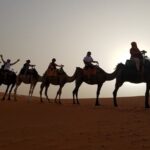
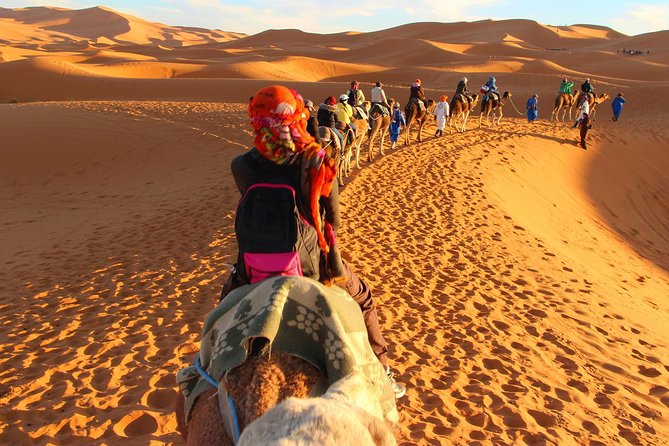
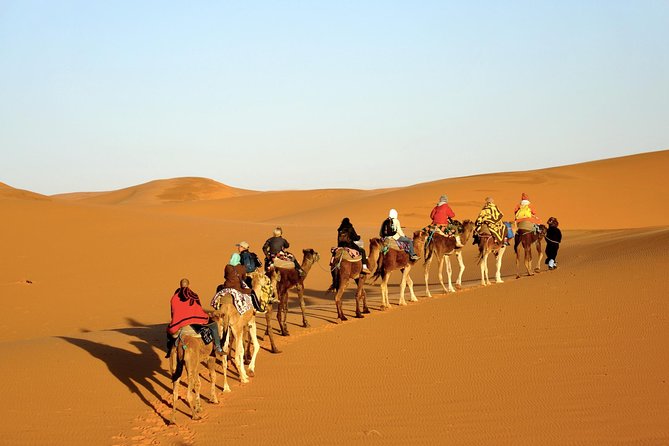
This is the heart of the trip. You meet your camel caravan in Merzouga, then set off toward Erg Chebbi as the sun shifts across the sky. Camel rides can sound like a box-check activity, but on this route, it tends to land as the experience people remember.
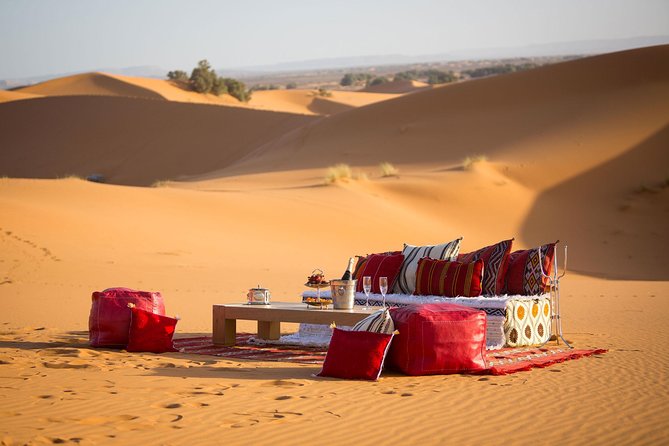
At camp, you have dinner and an evening with traditional music from local nomads under the stars. That combination matters. The desert isn’t just scenery; it’s an atmosphere you feel more at night than during daylight. If you take even a few minutes to sit back after dinner and look at the sky, you’ll understand why people call the Sahara magical.
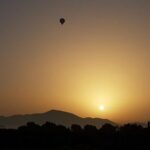
You also have an optional early plan: a sunrise stroll on day 3 is mentioned as optional, and it pairs naturally with a camel return. Sunrise isn’t guaranteed to match every expectation, but it’s a strong choice if you’re already awake and want dunes at the softest light.
One real-world caution: nights get cold. Even if daytime feels fine, desert temperature swings happen. Bring warm layers for camp time.
Meals On The Road: What’s Included, What Costs Extra, And How To Avoid Meal Frustration
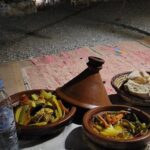
You get breakfast and dinner included. The tour lists breakfast (2) and dinner (2) as part of the package, with vegetarian options available. That’s a big deal because it reduces how often you need to hunt down food after long driving stretches.
Lunch is not included. The tour also notes that local meals are served at restaurants for lunch at your leisure, and those stops can become a shared-group routine. Some people love convenience. Others find the lunch stops not worth the price. If you’re the picky-food type, consider bringing small snacks for the ride so you’re not stuck waiting for the next restaurant.
Also pay attention to the difference between meal included at hotels vs meal in desert camp. The included desert camp dinner is part of the overall value and tends to feel more satisfying because you’re already in the experience mood. Lunch can feel like the “practical” part of the day, not the highlight.
If you want to keep costs predictable, budget lunches and drinks. Even one or two paid lunches can add up across a 3-day loop.
Desert Camp Comfort: Toilets Outside, Showers In The Lodge, And Why That’s Normal
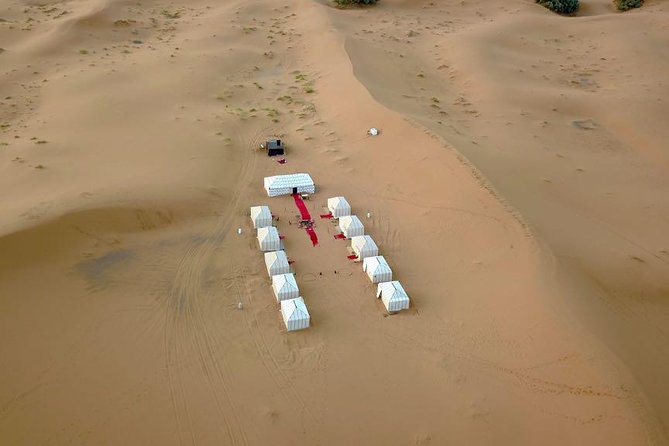
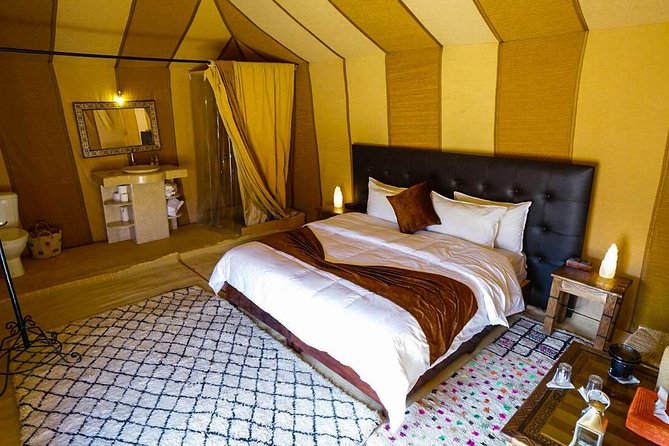
Your second night is at a Sahara desert camp. The tour is specific about the bathroom setup: toilets outside and showers in the lodge. That means you should expect a basic, functional setup, not a hotel bathroom experience.
This is where the “camp vibe” matters. Some travelers compare different camp styles. When camp quality is higher, you may find nicer bathroom arrangements and more comfort at night. When it’s more basic, you trade comfort for authenticity and price value. Either way, you’ll want to bring a headlamp or phone light for early dune walks inside camp areas.
Cold nights show up in feedback again and again. Even in November, one traveler noted it got pretty cold at night, but tents were comfortable. The tour also explicitly warns that it can be cold in winter, so don’t pack a summer-only outfit.
The good news: you do get decent downtime. After a full day of driving and a camel ride, sleeping in a desert camp under clear skies is the kind of memory that keeps a trip feeling worthwhile even if the bathrooms are simpler than you’d like.
Timing, Group Size, And Why Long Drives Are Part Of The Deal
This is a loop that returns to Marrakech around 8:00 pm on day 3. That’s a long day, but it’s also why the tour includes so many major stops. You’re trading some pure rest time for seeing more of Morocco in fewer days.
Group size is capped at a maximum of 100, which helps keep it organized. Still, you should expect a shared schedule and shared stops. That can make the trip feel a bit like a rhythm: drive, pause, drive, pause. If you’re okay with that, you’ll probably enjoy how the scenery keeps changing.
Vehicle comfort is generally part of the planning. The tour description says air-conditioned transport, and one traveler specifically mentioned a standard 17-seat van with reasonable space. What matters most is how the driver handles the ride and how often you get breaks. Rest stops matter. So do seat belts. It’s not glamorous, but it keeps the trip pleasant.
Also, the tour can be seasonal. August gets too hot for comfort, and that kind of timing factor is real. If you’re choosing travel dates, try to avoid the peak heat months unless you know you can handle it.
Who Should Book This Merzouga And Erg Chebbi Tour
This tour is a great fit if:
- You want Erg Chebbi and a camel trek but also want major Morocco stops like Aït Benhaddou, Todra Gorge, and Rissani.
- You like a guided structure and you’re happy to spend a lot of time in transit as long as the scenery keeps coming.
- You prefer having breakfast and dinner included, so you’re not scrambling for food after long drives.
It might not be the best fit if:
- You hate long car days or you’re prone to car sickness.
- You want total control over lunch and meals at every stop.
- You’re very sensitive to basic camp comforts at night.
If you’re flexible and you treat lunch and driving as the “cost” of getting this far, the overall payoff is strong.
Should You Book This $133 Marrakech To Erg Chebbi Experience?
Yes, I’d book it if desert is your main goal and you want the route to feel full, not empty. At around $133.24, you’re paying for two nights, air-conditioned transport, multiple meals, and the camel trek. That’s solid value compared to piecing together separate transportation and desert camp costs on your own.
But book with eyes open. The biggest tradeoffs are the long road time and lunch being extra. Pack warm layers for the desert night, and bring sunscreen and good walking shoes for the kasbah and gorge stops.
If you want to maximize your experience, pay attention to the guide energy. You might get drivers like Omar, Abdul, Brahim, Adil, or Youssef, and guides at Aït Benhaddou like Muhammed are mentioned as strong storytellers. You can’t control who you get, but you can control your mindset: ask questions, be curious, and don’t treat the van time as wasted.
FAQ
What are the main sights included on the trip out of Marrakech?
You’ll cross the High Atlas via the Tizi-n-Tichka pass, visit the UNESCO World Heritage site of Aït Benhaddou kasbah, stop at Skoura oasis, see Todra Gorge, visit Rissani, and then spend time in Merzouga and the Erg Chebbi desert area.
Are meals included, and is there a vegetarian option?
Breakfast and dinner are included (two breakfasts and two dinners). Lunch is not included, and a vegetarian option is available for the included meals.
What does the camel trek include, and when does it happen?
You’ll ride camels from Merzouga toward Erg Chebbi in the late afternoon, arriving at the camp area for dinner and the evening. On day 3, you’ll ride camels back to Merzouga before continuing back to Marrakech.
What accommodation and bathroom setup should I expect for the two nights?
You get hotel accommodation for one night with toilets and showers inside the rooms. The desert camp includes toilets outside, with showers available in the lodge.
What should I pack for weather and comfort?
Bring good walking shoes, sunscreen, and sunglasses. The tour notes it can get cold at night, especially in winter, so pack appropriate warm clothing for evenings.
What time does the tour start, and when do you return to Marrakech?
The start time is 7:00 am, and you return to Marrakech around 8 pm on day 3.
Can I cancel for free?
Yes. You can cancel up to 24 hours in advance for a full refund. If you cancel less than 24 hours before the experience’s start time, it will not be refunded.