REVIEW · MARRAKESH
From Marrakech: 3-Day Sahara Desert Adventure to Fes
Book on GetYourGuide →Operated by Ando Travel Ltd · Bookable on GetYourGuide
Sahara quiet, then pure motion. This 3-day drive from Marrakech to Fes blends camel rides over Erg Chebbi with a night at a Berber desert camp under big skies. I also love the way the trip gives you both sunrise and sunset on the dunes, so the desert looks different in every direction.
The only real catch is the time on the road and the cold factor at night. You’ll be driving for hours, and in winter the desert camp can feel freezing, with warm showers not always a sure thing.
In This Review
- Key points before you go
- From Marrakech at 7:00 AM: your High Atlas warm-up
- Ait Ben Haddou: UNESCO kasbah time with movie vibes
- Boumalne Dades and the Dades River sunset: scenic payoff, then sleep
- Road of 1001 Kasbahs: old villages and fortifications on the move
- Tinghir Oasis and Todgha Gorges: the hike that feels worth the miles
- Erg Chebbi camel rides: sunset and sunrise, plus sandboarding
- Desert camp night: dinner, Berber drumming, and star time
- Luxury vs standard tents: bathrooms, warmth, and luggage
- After the dunes: palm valleys, Midelt lunch, and Erfoud fossils
- Cedar forests and the drive into Fes: early evening drop-off
- Price and logistics: is $138 good value for this route?
- Who this trip fits best (and who should rethink it)
- Practical tips that make a real difference
- Should you book this Marrakech to Fes Sahara adventure?
- FAQ
- What are the main included activities in the Sahara portion?
- What is the difference between standard and luxury desert tents?
- How long is the full tour and what time does it start?
- Do I need extra money for meals?
- Can I avoid riding the full camel distance?
- Is this tour suitable for everyone?
Key points before you go
- Sunrise and sunset Erg Chebbi rides give you two desert moods instead of one
- Ait Ben Haddou guided walk at UNESCO speed, with time for photos and lunch nearby
- Todgha Gorges hike from Tinghir Oasis is the best “walk your legs” stretch on the route
- Desert camp evening program means drumming, a fire, and dinner under the stars
- Standard vs luxury tents changes the bathroom setup, and packing warm layers matters
From Marrakech at 7:00 AM: your High Atlas warm-up
Your day starts early, around 7:00 AM in Marrakech, with pickup from your riad or hotel. The drive immediately turns into mountain scenery as you cross the High Atlas. It’s not a gentle start, but it’s a good way to shake out jet lag and build excitement fast.
Expect long stretches behind the wheel after that. The route is packed: kasbahs, gorges, palms, dunes, and then cedar forests. The upside is you’re not stuck in one place for days.
You can also read our reviews of more tours and experiences in Marrakesh.

Ait Ben Haddou: UNESCO kasbah time with movie vibes
Ait Ben Haddou is the stop that most people picture when they hear Morocco. You get a guided walking tour inside the UNESCO-listed ksar, with time to wander ancient lanes and see how the settlement is laid out. If you like architecture and small details, this part rewards you.
This is also a practical stop: you can grab lunch at a local café, and you’ll have time to browse. One note to keep your expectations realistic: some people find the place a bit “tour shaped,” so go for the textures of the kasbah itself, not the shopping.
Boumalne Dades and the Dades River sunset: scenic payoff, then sleep
After Ait Ben Haddou, the trip moves northeast toward Boumalne Dades via Ouarzazate. Late in the day, you catch sunset views along the Dades River, with the valley turning golden as the light drops.
Then it’s check-in and dinner at your accommodation in Dades. This first overnight is included in an AC private hotel room with a bathroom, but some travelers have reported that shower conditions and hot water can be inconsistent. If you’re picky about warm showers, plan around the possibility of a cool rinse.
Road of 1001 Kasbahs: old villages and fortifications on the move
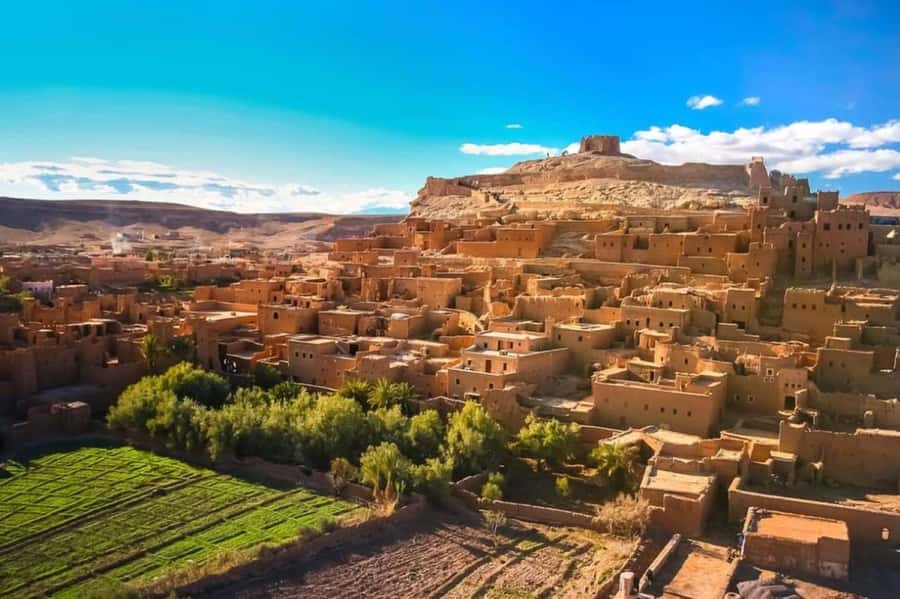
The next segment keeps you moving along the famous “road of kasbahs,” passing older villages and desert fortifications. The value here is perspective: you see how settlements survive in a harsh climate, and why people built in protected, strategic clusters.
This is also a day of transitions. You’ll shift from mountain valleys and kasbah country toward the oasis and gorge region, then continue onward toward Merzouga. If you’re the type who gets antsy on long drives, this is where extra toilet stops and photo pull-offs help the time pass.
Tinghir Oasis and Todgha Gorges: the hike that feels worth the miles
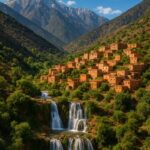
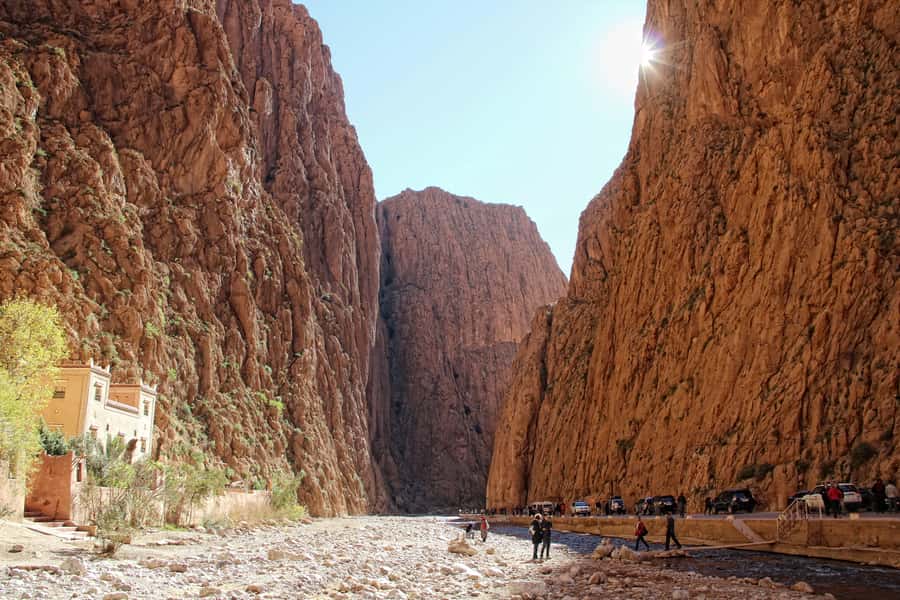
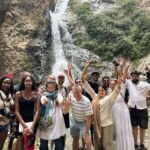
Tinghir Oasis is the calm break in the itinerary. Then you go for a guided hike into Todgha Gorges, where palm-lined canyons open into tall limestone walls shaped by centuries of water. This is the best stretch to stretch your legs and get out of the vehicle for a while.
The gorges hike is also a nice contrast after kasbahs. Instead of human-made layers, you’re looking at nature’s lines—vertical cliffs, narrow corridors, and that cool pocket-of-air feeling in the canyon. Wear shoes with grip; the walk is worth it, but you’ll want stable footing.

Erg Chebbi camel rides: sunset and sunrise, plus sandboarding
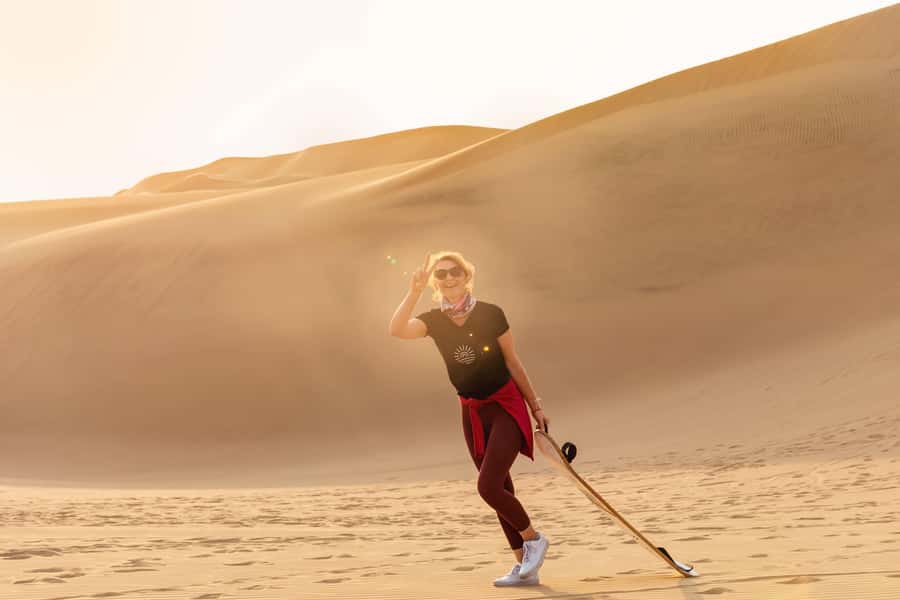
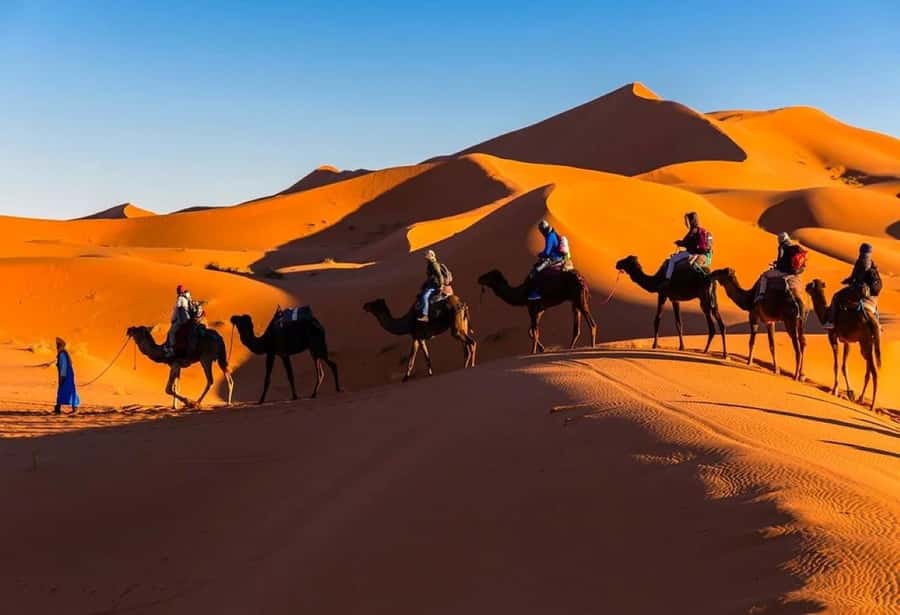
Then comes the moment Morocco turns into a classic desert postcard. You travel toward Merzouga, and once you arrive, you head into Erg Chebbi.
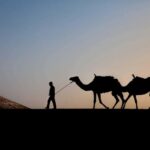
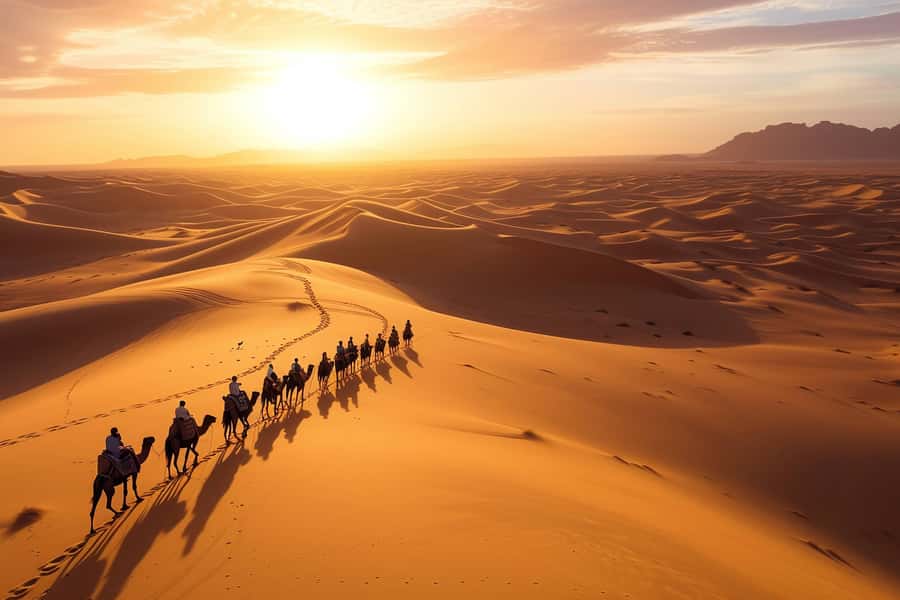
You get a sunset camel ride across the dunes, and you’ll do it again at sunrise the next morning. That double play matters. In the evening, the dunes look sculpted and warm; at dawn, the desert goes quiet and sharp-edged. It’s not just the photo moment—it’s the change in temperature and light.
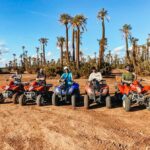
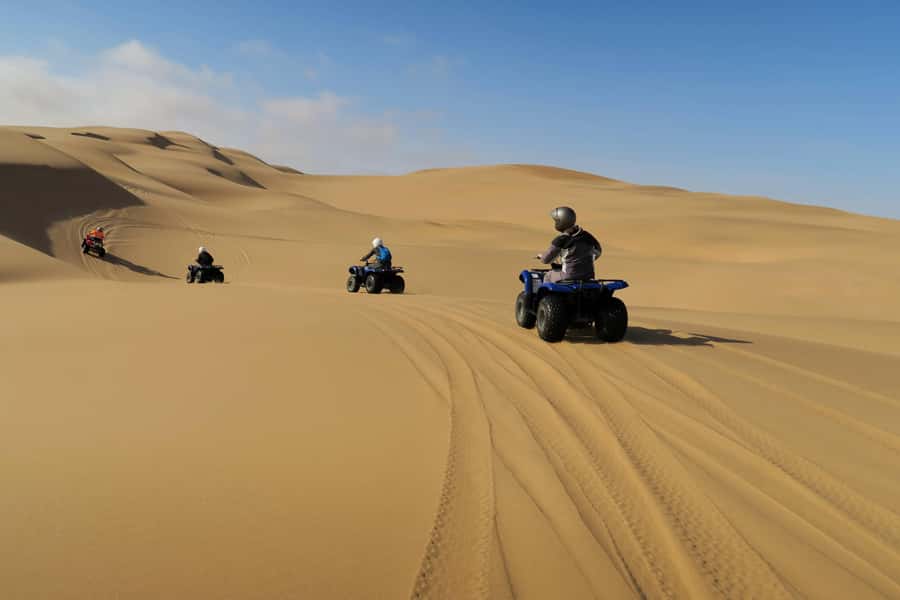
Sandboarding is included too, so you can swap your “watch” time for “try it” time. If you want even more action, quad biking is an optional add-on (paid separately).
A quick reality check: some people choose to walk to camp or request a 4×4 transfer instead of riding the full distance by camel. That’s available for an extra fee per vehicle, and it’s a good option if you want less time on the camel saddle.
Desert camp night: dinner, Berber drumming, and star time
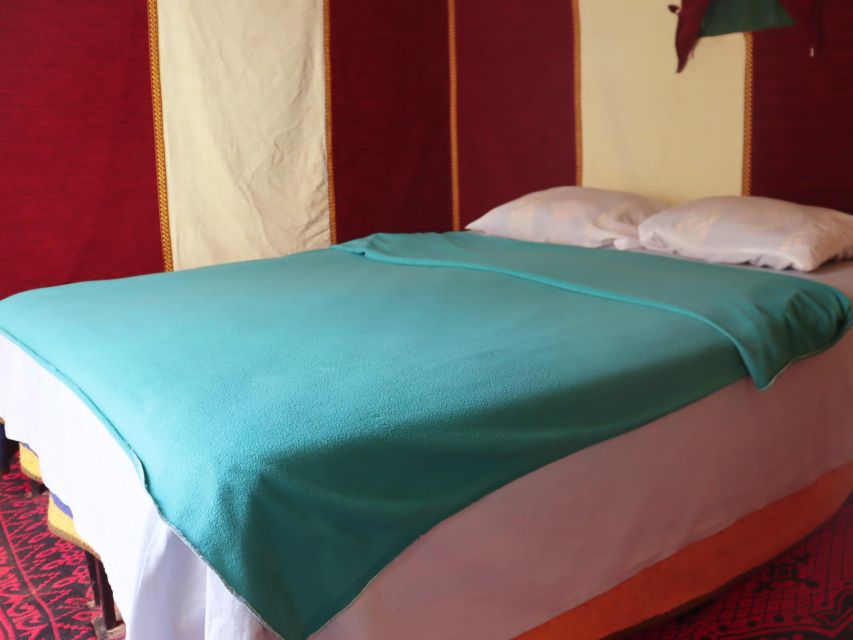
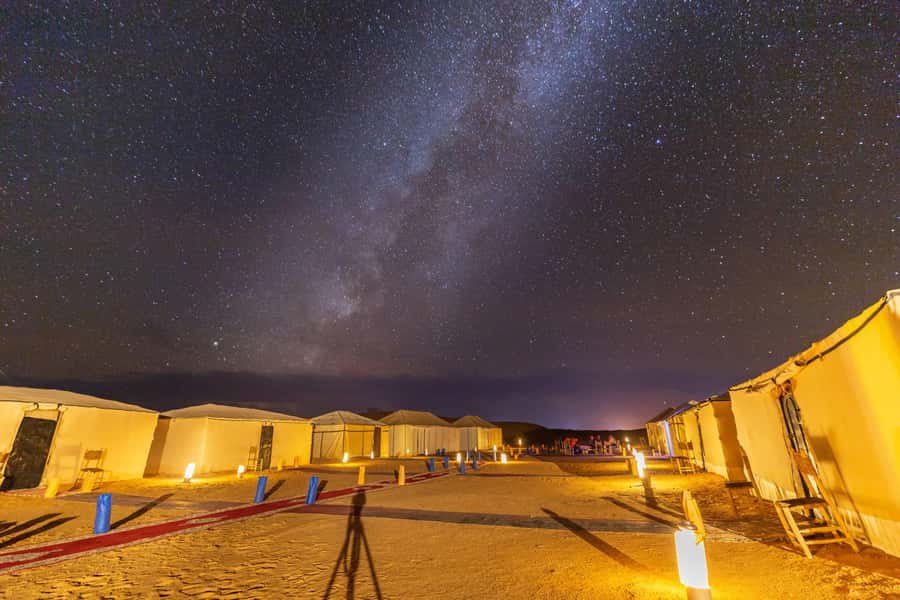
Your desert camp is where the tour starts to feel like it’s slowing down. You’ll reach camp before dark, then settle into either a standard or luxury tent (both are private tents). Dinner is included, with a traditional Moroccan spread and vegetarian options available.
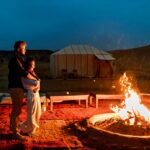
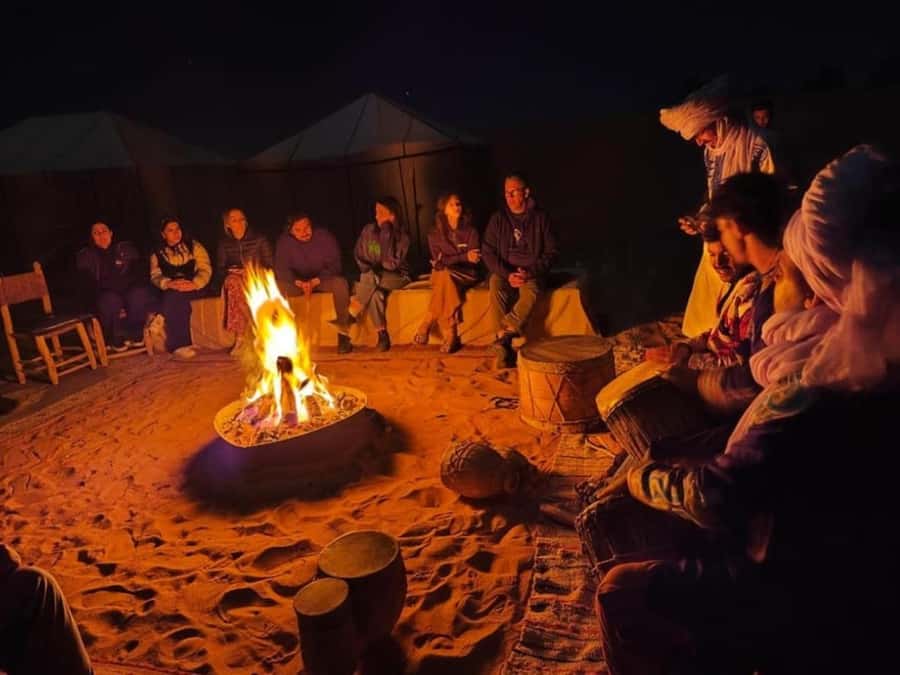
After dinner, you gather around the fire for Berber drumming and music. This part is less about performance and more about atmosphere. You’re surrounded by night sounds, people moving around the fire, and the sense that everyone is sharing the same big sky.
Then you get the payoff: star gazing from the tent area. In winter, remember the desert drops fast. Several travelers have mentioned the camp can lack heating and that cold can seriously affect sleep, so pack for the temperature you’ll actually feel at night.
Luxury vs standard tents: bathrooms, warmth, and luggage
This is the area where I’d make your decision carefully, because it affects comfort day and night.
- Luxury tents: private in-tent bathrooms. Some travelers also like that luggage is handled separately (luxury option uses 4×4 for luggage handling).
- Standard tents: shared facilities nearby, including bathrooms and showers in a common setup.
Both options include the camel rides and breakfast, so you’re really choosing between bathroom privacy and how you manage your gear. If you hate shared bathrooms after a long day of driving, luxury is worth considering.
Also, pack for cold nights. Even when daytime feels manageable, desert evenings can be brutal in Nov–Feb. Long sleeves, warm layers, and something cozy for sleeping make a real difference.
After the dunes: palm valleys, Midelt lunch, and Erfoud fossils
The next day is the “leave the desert” stage, and it’s surprisingly scenic. You go through Ziz Valley, known for palm groves and old villages, then stop for lunch in Midelt (not included, so you’ll want cash or decide what to buy on the spot).
You also pass through Erfoud, famous for fossils. This is a quick detour stop, but it reinforces the idea that Morocco isn’t only dunes and kasbah walls—there’s desert geology too.
Then the scenery changes again as you head toward the Middle Atlas region. Reviews and itinerary notes both point to a dramatic shift from arid terrain to greener cedar forests.
Cedar forests and the drive into Fes: early evening drop-off
On the way into Fes, you pass through the Middle Atlas and its cedar forests. You may even spot wild apes there, depending on the season and where the road stops allow you to look.
Finally, you arrive in Fes by early evening (around 7:00 PM). Your driver drops you off at your hotel or riad. This is the moment you’ll feel the full length of the trip, but it’s also when you can finally breathe and decide how you want to spend your first evening in the city.
Price and logistics: is $138 good value for this route?
At $138 per person for a 3-day Marrakech-to-Fes circuit, the value is mostly about what you get included. You’re not just paying for driving. You’re getting:
- pickup and drop-off across two major cities
- a guided Ait Ben Haddou walking tour
- a guided Todgha Gorges hike
- two camel rides in Erg Chebbi
- sandboarding
- a desert camp dinner + drumming program
- breakfasts and Moroccan meals along the way
Where the price can feel tight is lunch and beverages on the road. You’ll need cash for meals, and some lunch choices can be hit or miss. One of the most common practical tips from travelers: carry about 300–400 dirhams for lunches, since cards don’t always work in every stop.
If you compare this to doing parts of the route alone, you’re paying for coordination and time. The tour reduces decision fatigue and keeps the stops logical. That matters on a route this long.
Who this trip fits best (and who should rethink it)
This tour is best for you if you want a fast, varied Morocco sampler: kasbahs, canyons, palms, desert dunes, and cedar forests, all stitched into one timeline.
It also tends to suit solo travelers well, and travelers have praised guides for being patient and safety-focused on long drives. You’ll also get multilingual guiding support from the driver-guide.
If you’re pregnant, this one isn’t suitable. And if you’re sensitive to cold nights, the desert part is the big test. You can lower the risk with smart packing and by choosing the luxury tent version for private bathroom comfort.
Practical tips that make a real difference
A few small things can turn this from good to smooth:
- Bring snacks and water for the long drive. The itinerary includes time for toilet breaks and stops, but being proactive helps.
- Pack a small overnight bag. Main luggage is handled in the vehicle, and luxury versions use separate luggage transport.
- Bring cash for meals along the way. In some places, card payment isn’t reliable.
- Pack warm layers for the desert night. Even when the day feels okay, night can be a shock in winter.
- If you dislike camel riding distance, ask about the 4×4 transfer option for the camel route segment.
One more tip: the experience often hinges on your driver’s style. Many people named guides like Kamal, Ajbli, Abderrahman Abbassi, Noureddin, and Hassan as standouts for safety, humor, and good explanations during scenic stops. If that matters to you, you can’t always choose, but it’s worth being flexible and friendly during the ride.
Should you book this Marrakech to Fes Sahara adventure?
I think you should book this if you want one trip that covers the big Morocco highlights without needing to plan every day. The combination of Ait Ben Haddou, Todgha Gorges, and the two-part Erg Chebbi camel ritual is the main draw. At this price, you’re paying for time saved and an organized rhythm.
Before you commit, decide which comfort trade-off you can handle. If you hate shared bathrooms or want a more private setup, choose the luxury camp. If you’re winter-traveling, don’t underestimate the cold; layers are not optional here.
And if you’re the type who likes to travel with confidence, pay attention to how you feel about long driving days. This tour is a long-day kind of adventure, but the payoff is that you reach Fes with a stack of very different Morocco moments in your head.
FAQ
What are the main included activities in the Sahara portion?
You’ll get a sunset camel ride and a sunrise camel ride at Erg Chebbi, plus sandboarding. At the camp, dinner is included along with Berber drumming and campfire music, and you’ll have a Moroccan breakfast the morning after.
What is the difference between standard and luxury desert tents?
Both options use private tents. Luxury tents include private in-tent bathrooms, while standard tents use shared facilities nearby. Luxury also includes luggage handling via separate transport.
How long is the full tour and what time does it start?
The tour starts around 7:00 AM in Marrakech on Day 1 and ends around 7:00 PM in Fes on Day 3.
Do I need extra money for meals?
Lunches and beverages along the way are not included. You’ll want cash for lunches, since card payment may not work at every stop.
Can I avoid riding the full camel distance?
You can choose a camel ride alternative. There’s an option to walk to the standard camp, or you can request a 4×4 transfer for an extra fee per vehicle.
Is this tour suitable for everyone?
It’s not suitable for pregnant women. Also, if you travel in winter, plan for cold desert nights and bring warm layers, since heating may not be available in the camp.