REVIEW · MARRAKECH
Marrakesh cooking class with chef Hassan – Local dishes
Book on Viator →Operated by Cook in Marrakesh with Ahmed and Hassan · Bookable on Viator
Tagines here come with a story. I love the market-to-kitchen flow, including picking and weighing fresh vegetables, and I love the mint tea lesson that sets the mood. One heads-up: if you want couscous, ask ahead so it’s planned for your session.
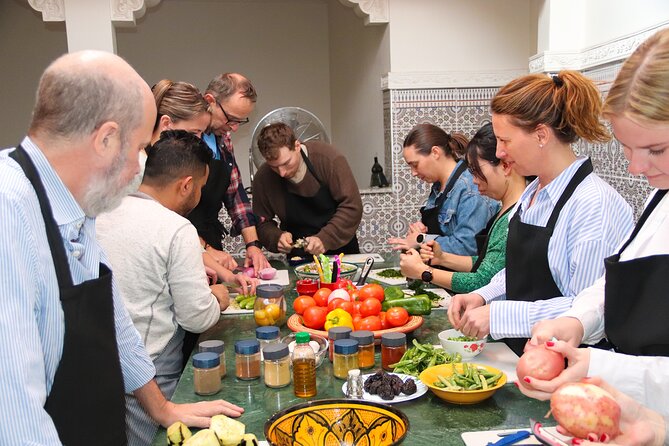
This is a hands-on, small-group class run by Hassan and Ahmed, and it’s designed so you cook together instead of watching from the sidelines. With an air-conditioned cooking area and a group capped at 9 (sometimes 10), you get real time to chop, stir, and ask questions, then sit down to eat what you made.
In This Review
- Why This Cooking Class Feels Like Real Marrakech
- Key Highlights You Should Know Before You Book
- Start at the Pharmacy, Then Shop the Local Market
- Mint Tea First: The Warm-Up That Changes the Whole Class
- The Cooking Rhythm: Tagines Start with the Slowest Dish
- Four Tagines, One Team: What You’ll Actually Do
- Couscous and Moroccan Salads: How to Get What You Want
- Dietary Options Are Built In, If You Ask
- Eating the Results: Sit Down With Your Own Tagines
- Recipes to Take Home (Plus Spice Shopping)
- Value and Pricing: $34.76 for a Full Skill Lesson
- Practical Details That Make the Day Easier
- Who Should Book This Cooking Class
- Should You Book This Marrakech Cooking Class?
- FAQ
- How long is the Marrakech cooking class?
- Is this class offered for lunch or dinner?
- How large is the group?
- What dishes will we learn to cook?
- Can the class handle vegan, vegetarian, or gluten-free diets?
- Do we learn Moroccan mint tea?
- Where do we meet, and how do we find the start location?
- Are kids allowed?
- What’s included in the price?
Why This Cooking Class Feels Like Real Marrakech
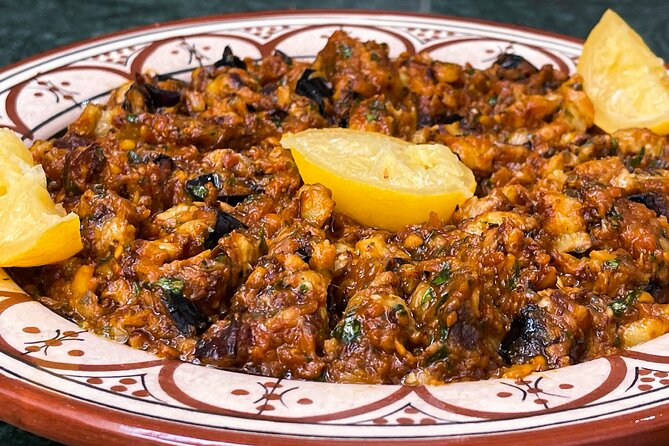
Marrakech has plenty of food tours, but this one is built around one skill: how Moroccan dishes are actually put together at home. The day isn’t just about eating well (you will). It’s about learning the rhythm of cooking in Morocco, from market shopping to spices to the slow, patient magic of tagines.
Chef Hassan is the face of the cooking, and Ahmed often helps drive the group process and explain the history and technique behind what you’re making. The end result is a meal that tastes simple, but layered and deep, because you learned why each step matters.
Key Highlights You Should Know Before You Book
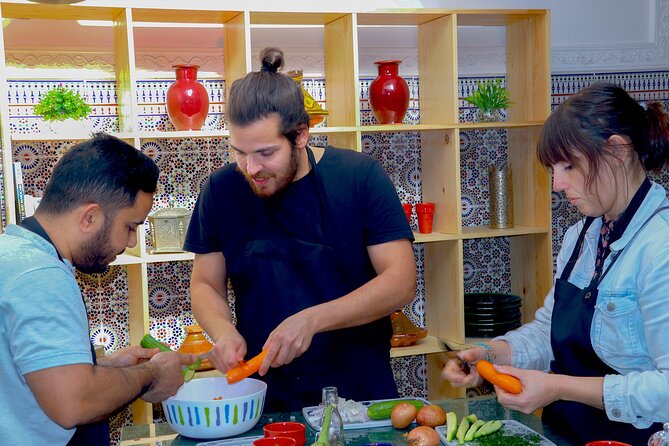
- Market shopping near the kitchen: you buy fresh ingredients close to where you’ll cook, instead of touring far and rushing later
- Mint tea made the right way: you learn the proper method and timing, not just the drink
- Four tagines (typical pattern): you cook multiple tagines as a team, rather than one single dish
- Small-group cap of 9 (maybe 10): more hands on the cutting board and fewer people to wait on
- Dietary flexibility: you can request vegan, vegetarian, and gluten-free options in advance
- Take-home recipes plus spice shopping: recipes are shared at the end, and you can buy spices and tagines at better prices than tourist shops
You can also read our reviews of more tours and experiences in Marrakech.



Start at the Pharmacy, Then Shop the Local Market
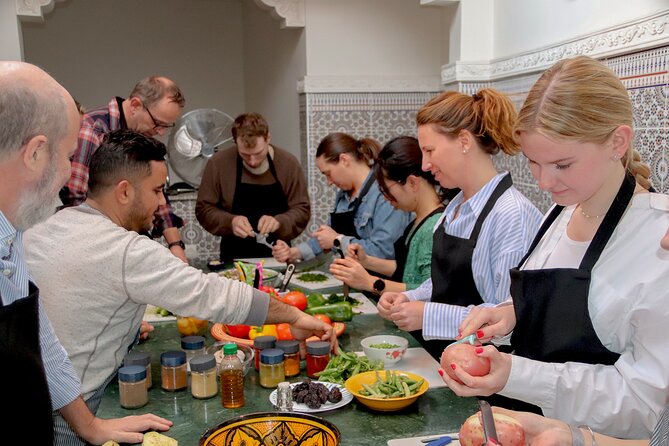
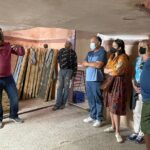
The class begins at a set meeting point at a nearby pharmacy. From there, you’ll walk to a local market close to the kitchen where you’ll buy the ingredients for your cooking session. This matters more than it sounds. When you shop with your hands in mind—what looks good, what’s in season, what’s affordable—you stop thinking of cooking as following a recipe and start thinking like a cook.
In the market, you’ll typically pick vegetables and other items the team will use, and you may even get involved in weighing produce. That small detail helps you remember proportions later when you try it at home.
One practical note: the meeting point is specific (J2P3+C26، زنقة بوطويل، Marrakech 40000, Morocco). If you worry about finding it, don’t. The provider texts you after your booking so you can locate the start point without stress.
Mint Tea First: The Warm-Up That Changes the Whole Class
Before you start cooking, the group makes mint tea together. This isn’t a quick pour-and-go moment. The class teaches the proper method for Moroccan mint tea, including how to do it so it tastes right and feels like the real ritual.
Chef Hassan and Ahmed also use this time to break the ice and share context about Moroccan food culture. You’ll also use the tea break to get to know the group—handy when you’re cooking side-by-side and sharing a kitchen workflow.
If you’ve only ever had mint tea as a menu item, this part is the turning point. It teaches you that Moroccan hospitality has technique, not just ingredients.
The Cooking Rhythm: Tagines Start with the Slowest Dish
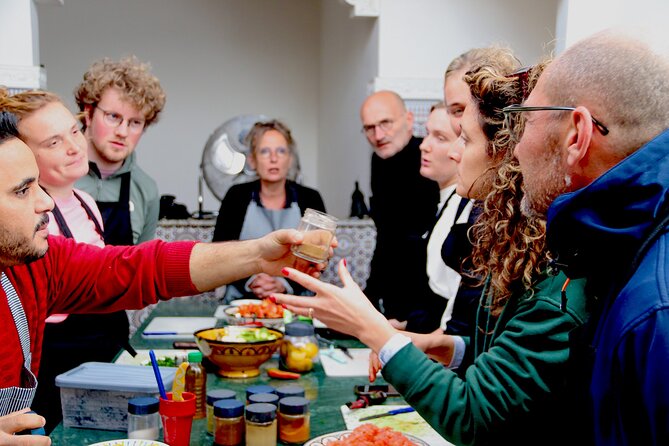
Once everyone has the basics, the group moves into cooking. One detail I really like about how this class is run: you begin with the dish that takes the most time to cook. That slowest tagine goes on fire while you work on other components.
That approach keeps the whole session moving and teaches planning, which is what separates a successful home cook from someone who just follows steps. In a tagine meal, timing is everything—some items need slow heat to soften, while others can be prepped in parallel.
And you’re not cooking one dish and hoping for the best. You’ll work as one team to make different tagines, and the exact protein style can vary: vegetable tagines, chicken tagines, beef tagines, or even meatballs in tagine form. The format stays the same: group cooking with real instruction.
Four Tagines, One Team: What You’ll Actually Do
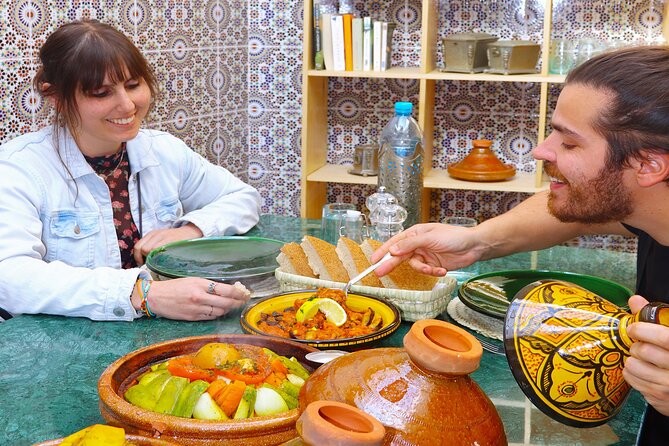
The class is designed for participation. Instead of one person cooking while everyone watches, you’ll be cutting, stirring, seasoning, and assembling in turns. That’s why the group size matters so much here: with a maximum of 9 people (and sometimes 10), you’re not stuck waiting for your turn.
From the way Hassan and Ahmed run it, you’ll get a feel for Moroccan cooking logic:
- Spices are part of the process, not an afterthought
- Fresh ingredients shape the flavor more than heavy sauces
- Tagine cooking is about patience, not speed
You’ll also get explanations along the way, including some of the history and cultural meaning behind what you’re making. It turns the class into something you can talk about later, not just something you eat and forget.





Couscous and Moroccan Salads: How to Get What You Want
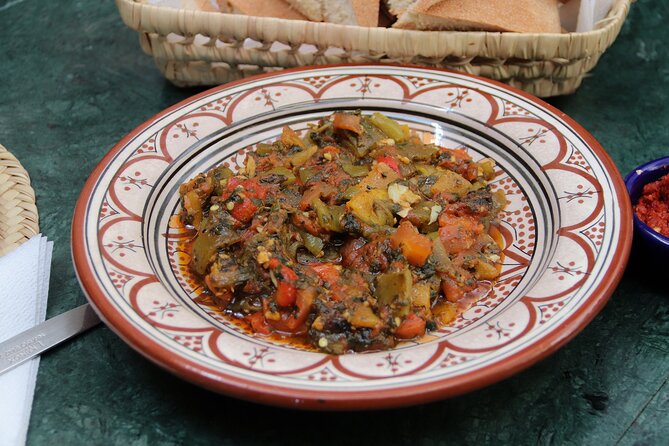
The class highlights classic tagines plus couscous and Moroccan salads. But there’s one important scheduling point: couscous may be included, but it’s better if you specify that before the cooking class.
So if couscous is a must for you—especially if you’re coming specifically for it—send a note or confirm during booking. This is one of those small planning steps that makes the difference between getting what you pictured and getting a similar-but-not-exact menu.
Even without couscous, you should expect a meal built around the Moroccan flavor profile: salads served alongside tagines, bread on the table, and a spread that feels like a full Moroccan home meal.
Dietary Options Are Built In, If You Ask
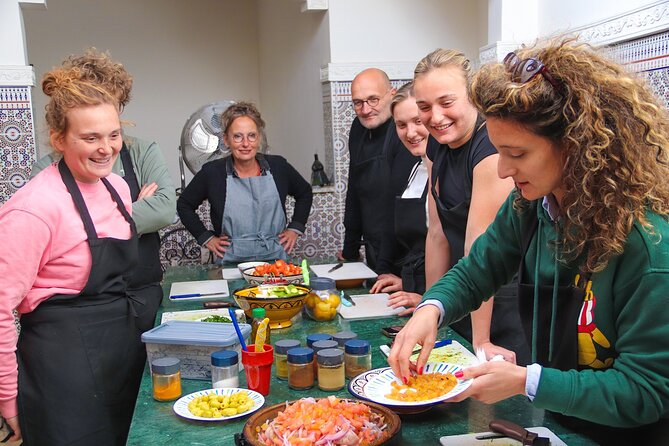
This cooking class is flexible for vegan, vegetarian, and gluten-free needs. That’s a huge advantage in Marrakech, where some tours treat dietary requests as an apology instead of a plan.
Just make sure you request your needs in advance. The provider explicitly says they can adapt, and the cooking format is set up for different versions of tagines and sides. If you don’t ask early, you’re the one risking an outcome that doesn’t match your expectations.
Kids are allowed in the class, with one clear guideline: children under 7 (including babies) are not recommended. If you’re traveling with kids, this is worth reading carefully so you can bring the right age group.
Eating the Results: Sit Down With Your Own Tagines
After cooking, you get time to eat and enjoy what you prepared. This is a key part of the experience. Moroccan cooking isn’t just about individual dishes—it’s about how everything works together on the table: tagines, sides like salads, and bread.
Because you cooked in a group, it feels communal in a good way. You’re sharing the meal with the people you cooked next to, and you’ll likely understand what you’re tasting better than you would from a restaurant meal.
Bread and welcome tea are included, and bottled water is provided. Alcohol and soda aren’t included, so plan on non-alcoholic refreshments unless you’re buying separately elsewhere.
Recipes to Take Home (Plus Spice Shopping)
One of the best parts of this class is that you’re not sent home empty-handed. Recipes for the dishes you make are shared at the end, along with additional ideas. This is where the learning becomes useful, because you can reproduce flavors rather than just remembering that it tasted good.
There’s also a shopping angle that I think is actually practical. At the end of the class, the provider sells spices and tagines at prices cheaper than tourist shops. If you cook at home, that’s a smart way to pick up spice blends you learned how to use.
If you don’t cook much, you can still buy a small set of spices you’ll recognize from the class. It’s the kind of souvenir that doesn’t turn into clutter.
Value and Pricing: $34.76 for a Full Skill Lesson
At $34.76 per person for about 4 hours, this class isn’t priced like a fancy private chef session. It’s more like a skills-and-meal package: market shopping, mint tea, hands-on cooking, and then you eat.
Here’s what you’re really paying for:
- The market component, which gives you ingredient context
- Multiple tagines, meaning you learn more than one technique
- A small-group setup, so instruction and participation aren’t diluted
- Recipes at the end, so you can cook again later
Compared with eating your way through Marrakech, this gives you a repeatable experience. Compared with basic cooking demos, it gives you actual kitchen time.
Also, if you’re planning around schedule stress: you can choose lunch or dinner options, and the class runs around half-day timing. That’s helpful when you’re bouncing between sights in the medina.
For planning peace of mind, there’s free cancellation up to 24 hours in advance for a full refund.
Practical Details That Make the Day Easier
A few small things will help your class run smoothly:
- Bring a hairband if you have long hair (the class recommends it).
- Wear comfy clothes you don’t mind getting spice or food on.
- The cooking area is air-conditioned, which is a lifesaver in warmer months.
- The class is open during Ramadan, so you’re not shut out of food-focused activities during that period.
- If you’re one person, reach out before booking. There’s a minimum of two participants.
Also, the class ends back at the meeting point, so you’re not stuck figuring out a complicated return plan.
Who Should Book This Cooking Class
I think this is a great fit if you want:
- A hands-on Marrakech food experience (not just tasting)
- To learn tagine techniques and spice logic
- A small-group setting where Ahmed and Hassan can explain as you cook
- A real shot at getting dietary accommodations done properly
It may be less ideal if:
- You only want to watch and don’t want kitchen work
- You’re traveling with very young kids under 7
- You’re strict about including couscous unless you’ve asked in advance
If you’re trying to choose between “one dish” classes and “full meal” classes, this one is set up to deliver more. You’ll cook several tagines and sides, then eat what you made.
Should You Book This Marrakech Cooking Class?
Yes, if your goal is to take home real cooking skills and not just photos. The best reason to book is the structure: market first, mint tea ritual, then team tagine cooking with clear participation, followed by a shared meal and recipe handoff.
One smart move: confirm your dietary needs and any special requests like couscous before you arrive. Do that, and you’ll get a version of the menu that matches what you came for.
If you want, tell me your travel dates and whether you’re aiming for lunch or dinner, plus any dietary needs, and I’ll help you decide the best way to plan around this 4-hour class.
FAQ
How long is the Marrakech cooking class?
It runs for about 4 hours.
Is this class offered for lunch or dinner?
Yes. You can choose either lunch or dinner options.
How large is the group?
The group size is capped at 9 people (it may be 10 in some cases).
What dishes will we learn to cook?
You’ll learn Moroccan signature dishes, with a focus on tagines, plus Moroccan salads. Couscous is also part of the class, but it’s better if you specified it before the session.
Can the class handle vegan, vegetarian, or gluten-free diets?
Yes. The class is flexible, and they say they can cook vegan and vegetarian food. Gluten-free options are also mentioned as something you can request.
Do we learn Moroccan mint tea?
Yes. You’ll learn to make fresh mint tea and have it together at the start of the cooking.
Where do we meet, and how do we find the start location?
You start at a specified meeting point at a pharmacy area in Marrakech, and you’ll be texted once your booking is received so you don’t worry about finding them.
Are kids allowed?
Kids are allowed, but children under 7 (including babies) are not recommended for the class.
What’s included in the price?
Included are bottled water, lunch or dinner (depending on your option), bread, and welcome tea. Soda/pop and alcoholic beverages are not included, and private transportation isn’t included.