
REVIEW · MARRAKESH
Marrakech: Tajine Cooking Class in a Traditional Riad
Book on GetYourGuide →Operated by Intrepid Urban Adventures - Europe · Bookable on GetYourGuide
Mint tea, spices, and real medina life. This Marrakech tajine masterclass pairs souks shopping with hands-on cooking in a traditional riad, led by friendly hosts like Amina, Samira, and Sanae. I love that you learn the ingredient logic behind dishes, not just the steps, and I also love the small-group feel (up to 12) with plenty of time to ask questions. One thing to plan for: the medina route can run longer than you expect, so if you have a tight schedule afterward, keep a buffer.
The best part is how the day blends food with everyday culture. You’ll start at Djemaa El-Fna (right outside Café France), then walk into the souks with Arabic food vocabulary and practical shopping know-how, before returning to cook and eat together. I’m also glad it’s built for real dietary needs (veg, vegan, gluten-free) and you get a take-home recipe sheet to recreate your tajine at home.
In This Review
- Key highlights you’ll feel fast
- Marrakech Tajine Class: Start at Djemaa El-Fna, Then Follow the Smell
- Souks Shopping and Haggling Tips You Can Actually Use
- Mint Tea Lesson: The Warm-Up That Changes How You Taste Everything
- Cooking in a Traditional Riad Kitchen: It’s Hands-On, Not a Demo
- Tajine Technique: Preserved Lemon, Olives, and the Flavor Logic
- Salad and Dessert: The Meal Feels Complete, Not Like a Side Quest
- Medina Life and Meeting Local People: Why This Feels More Real
- What $57 Buys You in 4 Hours (And Why It’s Fair)
- Logistics That Matter: Dress Code, Timing, and How to Find Your Guide
- Should You Book This Marrakech Tajine Cooking Class?
- FAQ
- Where is the meeting point for the tajine cooking class?
- How long is the experience?
- How much does it cost?
- Is hotel pickup or drop-off included?
- How many people are in the group?
- What do you cook and eat during the class?
- Does the class work for vegetarian, vegan, or gluten-free diets?
- Is there a dress code?
- Is this class good for families or children?
- What’s the cancellation policy?
Key highlights you’ll feel fast
- Small-group size (up to 12) means you’re not standing around watching
- Souk shopping with Arabic food tips helps you understand what you’re buying
- Riad kitchen, hands-on cooking with a local chef and assistants
- Mint tea as a first lesson, not just a drink
- A meal you make yourself, typically chicken tajine, salad, and dessert
- B Corp, carbon-neutral framing adds value if you care about local impact
Marrakech Tajine Class: Start at Djemaa El-Fna, Then Follow the Smell
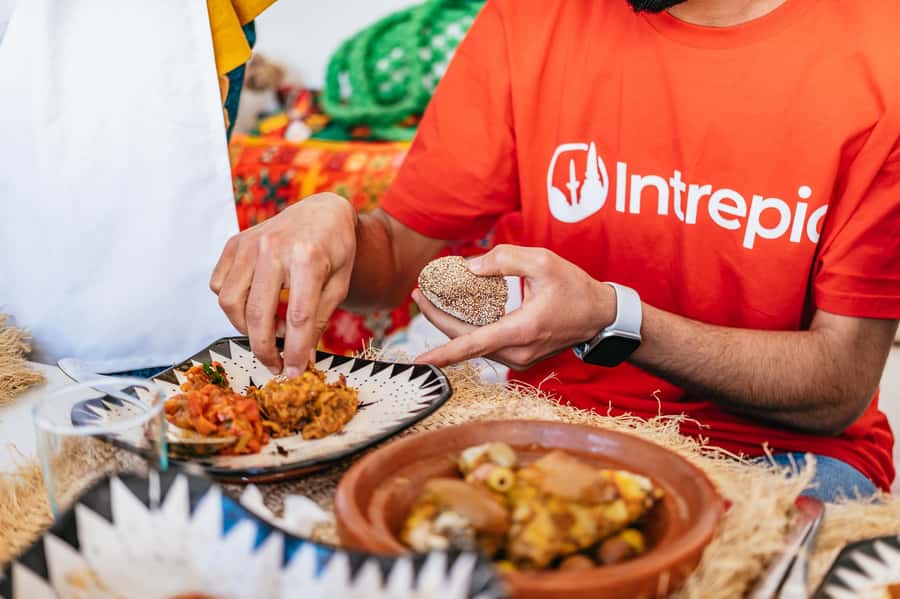
You begin in Djemaa El-Fna, at the meeting point outside Café France. Look for the official Urban Adventures guide holding an Urban Adventures sign or badge; the square also has people who try to steer you toward other tours, so this check matters.
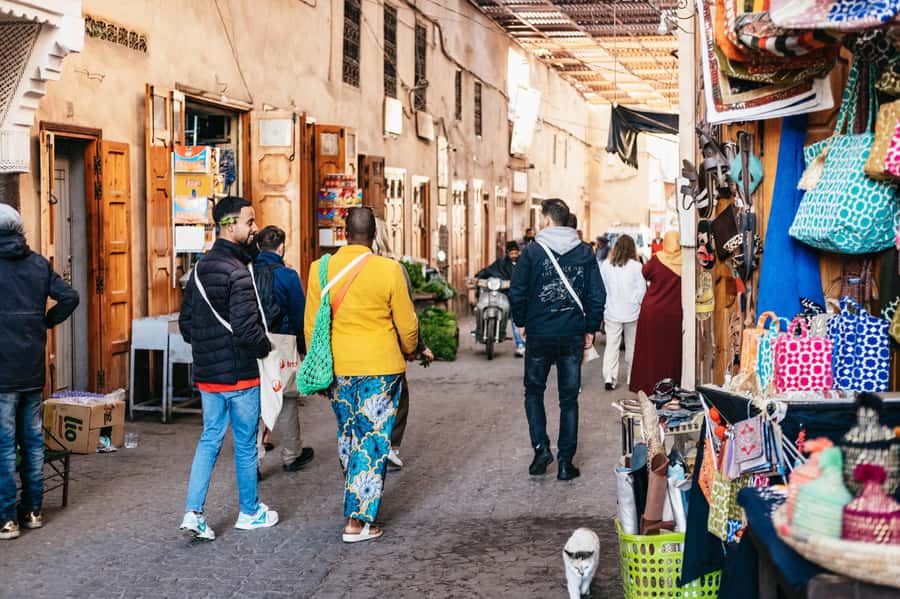
Once you’re with the right guide, you’ll head into the medina and start building your ingredient list. The walk isn’t just scenic—it’s where you learn the difference between buying spices that smell good and buying spices that only look good. You’ll also pick up Arabic food vocabulary along the way, which helps you feel less lost when you’re surrounded by stalls and shouting.
The “good value” part here is simple: you’re paying for a full food education, not a quick photo stop. If you enjoy markets and want to understand why Moroccan cooks choose certain ingredients, this start is exactly what you want.
You can also read our reviews of more tours and experiences in Marrakesh.



Souks Shopping and Haggling Tips You Can Actually Use
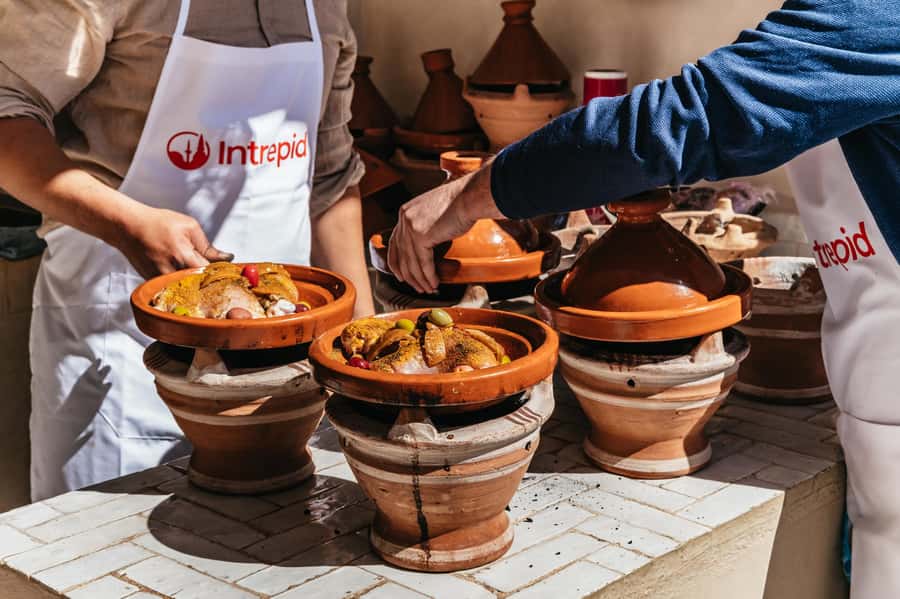
The souks can be chaotic if you walk in alone. With a guide, you’re not just buying things—you’re learning how to shop like a local.
You’ll focus on fresh produce, herbs, and spices for your tajine and salad. Over and over in the feedback, people mention how helpful the shopping phase was—especially the way guides explain what’s fresh and how to choose it. Some hosts also guide you on buying teaware and small cooking supplies after the main class, which can be handy if you want to carry the experience home.
A small practical note: you’ll be walking through busy lanes, so wear shoes you can stand in for a few hours. Also, keep your shopping mindset calm. The point isn’t to win every bargaining exchange—it’s to learn what good ingredients look and smell like, so your later cooking actually tastes Moroccan.
Mint Tea Lesson: The Warm-Up That Changes How You Taste Everything
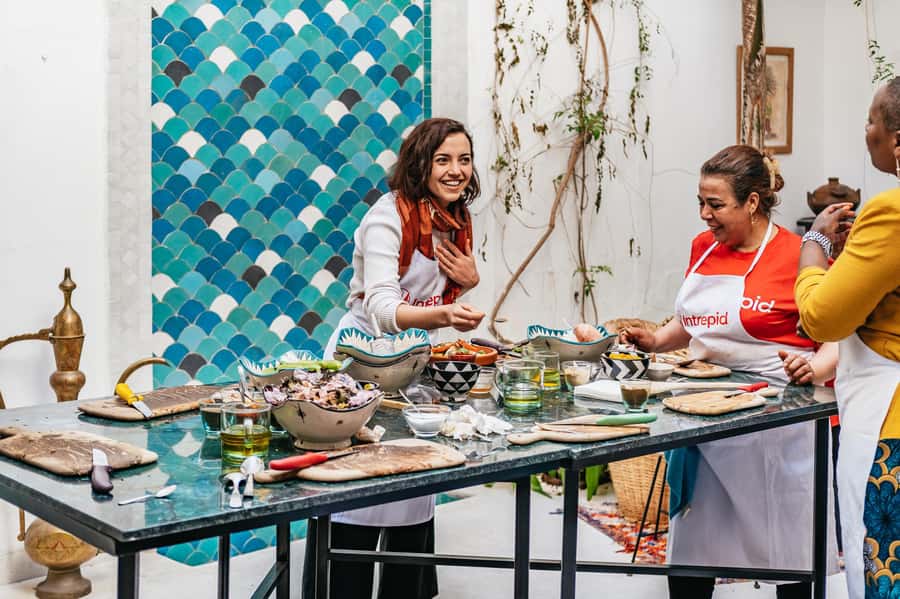
You don’t rush past Moroccan tea. Many classes start the meal with mint tea brewing, and it’s treated like a real lesson.
Expect a patient explanation of the tea method and why mint and green tea work so well together with spices. People who’ve taken the class repeatedly call this moment a highlight because it slows the pace down and gives you something enjoyable while you’re still learning the basics.
This matters more than it sounds. When you understand the tea, you understand the mood: the day is built around slow steps, shared pauses, and eating in a social setting. You’ll feel it when you sit down later for tajine and salad—you’re not just tasting food, you’re tasting the rhythm of a Moroccan meal.
Cooking in a Traditional Riad Kitchen: It’s Hands-On, Not a Demo
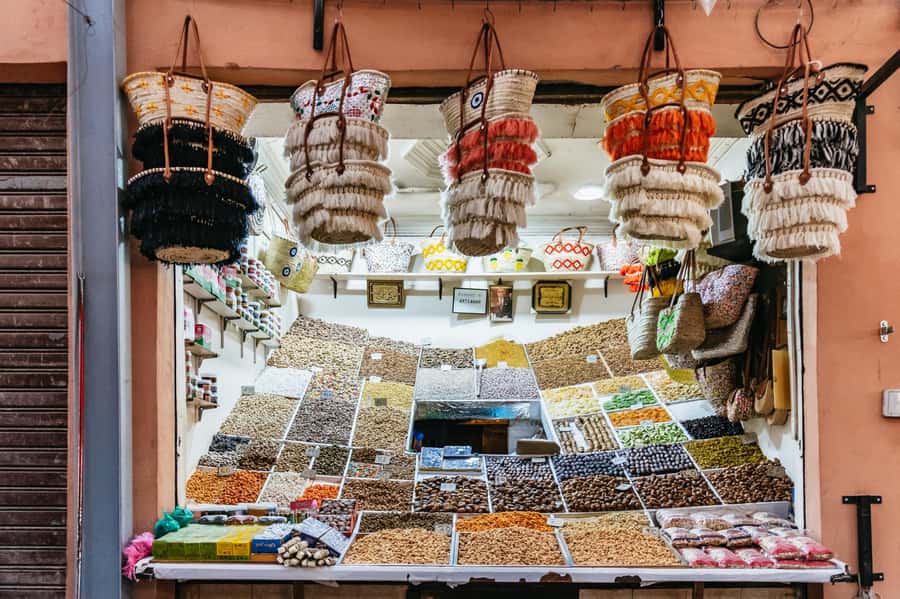
The class culminates in a traditional riad kitchen. This is where the experience earns its keep.
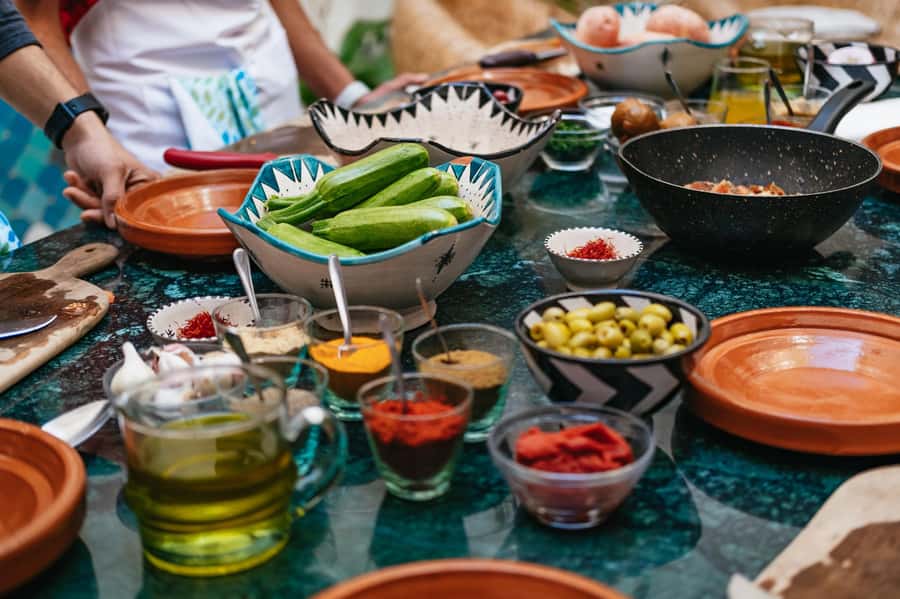
Cooking is hands-on, and you’ll work with ingredients for your tajine and salad. Depending on the host and availability, you’ll likely get help from additional family members or assistants, so the kitchen has that warm, home-cooking energy. In past sessions, people have mentioned hosts like Amina, with sisters Khadija and Meriem helping in the kitchen, and chefs like Samira working with supportive co-teachers to make sure everyone can follow along.
One of the best practical outcomes: you learn sequencing. Moroccan cooking often feels like layering—spices, aromatics, vegetables, and meat need the right order and the right heat management. If you’ve ever tried to copy a tagine recipe and ended up with bland flavor, this is why a guided class helps. You’re learning how cooks think.
Small-group size also helps here. With a group capped at 12, you’re more likely to get direct feedback on chopping, seasoning, and how much to add. That’s the kind of learning that sticks.
Tajine Technique: Preserved Lemon, Olives, and the Flavor Logic
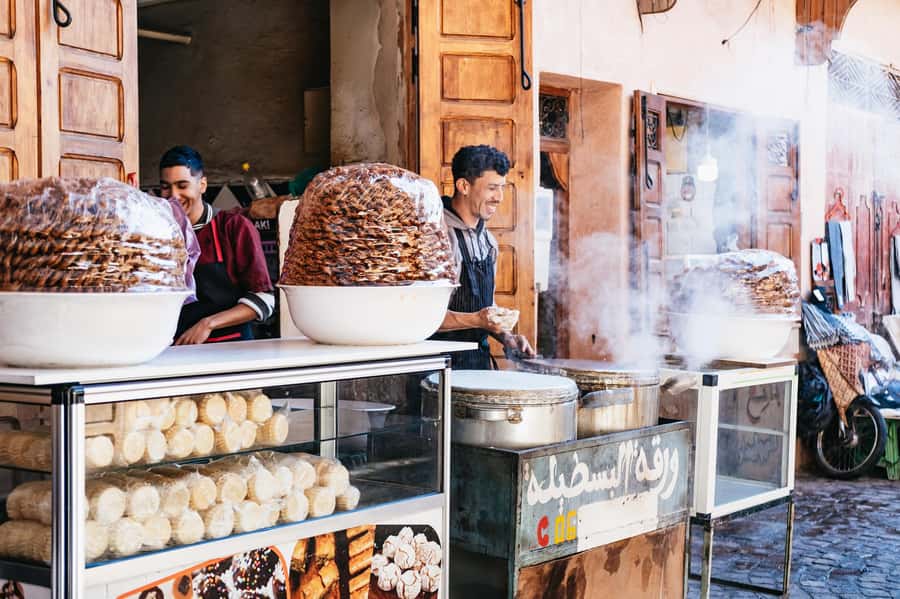
The star dish is a traditional tajine, commonly a chicken version. Many participants specifically mention learning a classic style with preserved lemon and olives, which is one of those Moroccan flavor combos that seems impossible until someone shows you the rhythm of adding ingredients.
You’ll practice how to season and layer. Spices matter, but the timing matters too—adding them in the right moment helps their perfume spread through the dish instead of sitting on top. Your guide also explains the logic behind choices, like which herbs and aromatics pair well and why certain cuts or vegetables behave differently in a slow-cooked pot.
If you’re vegetarian or vegan, the class can accommodate you, and you can still build a tajine with vegetables. One good thing in the setup is that you’re not stuck with one rigid menu; the class can adapt to dietary needs. Just tell your guide your preferences early so the shopping plan matches your meal.






Salad and Dessert: The Meal Feels Complete, Not Like a Side Quest
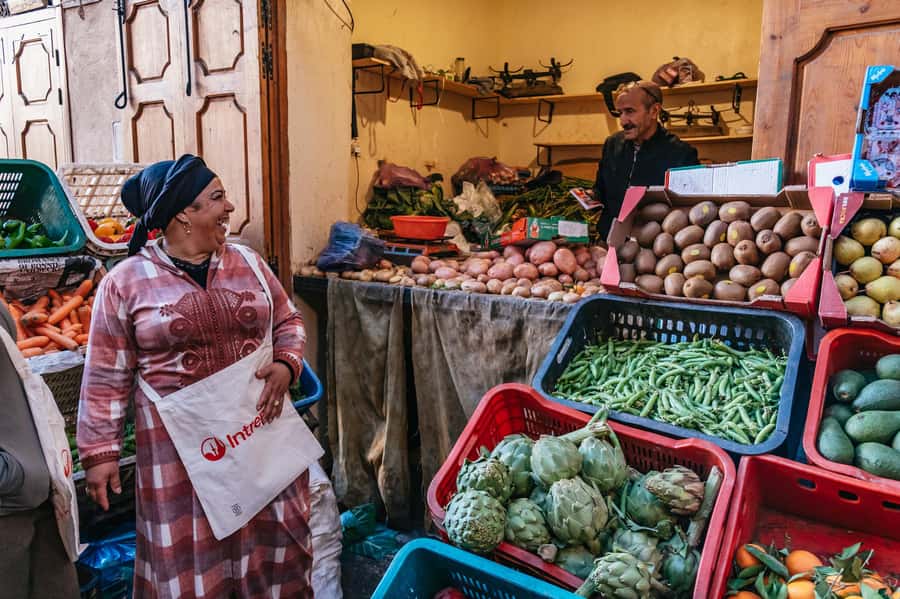
A tajine class should give you more than one pot of food. Here, you typically also prepare a fresh Moroccan salad and a dessert.
Salad work is part of the value because it teaches balance. Tajine is warm, spiced, and slow. Salad brings brightness—often crunchy vegetables and fresh herbs—so the meal doesn’t feel heavy.
Dessert varies, but people often mention ghriba cookies and also citrus-and-cinnamon styles. The point isn’t which specific dessert you get; it’s that you see how Moroccans finish a meal with something sweet that fits the tea service. Moroccan tea shows up again, and it makes the whole meal feel connected.
And yes, you’ll eat what you make. That’s a big difference from classes where you cook one small component and then leave. Here, the meal on the table is yours, and that makes your recipe sheet more meaningful because you remember what you did.
Medina Life and Meeting Local People: Why This Feels More Real
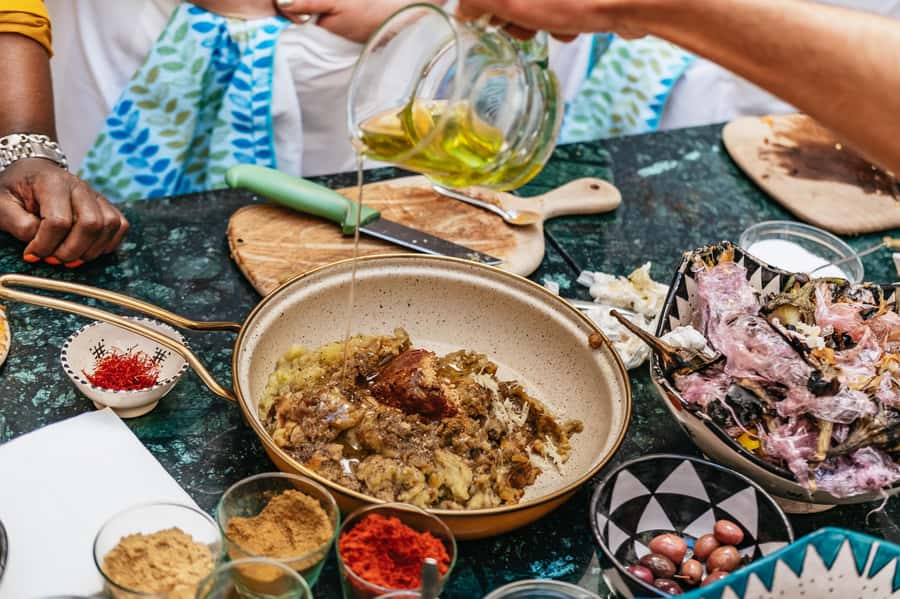
What you’re really paying for is the human texture. The class includes time meeting local family members and learning about medina life, and it’s not framed like a performance.
People describe getting welcomed into a home setting with warm hospitality from the guide and the people helping in the kitchen. In at least one case, the home felt very local and personal—exactly the kind of place you’d miss if you only did big-ticket sights.
This is also where the B Corp and carbon-neutral aspect becomes more than a marketing line. If you care about where your tourism money goes, it helps to know the organizer frames the experience as using travel as a force for good. It also aligns with the kind of day you’re having: small groups, local sourcing, and community connection.
Is it perfect? No experience is. One practical consideration: the medina can be lively, and the schedule can run a bit long. If you’re trying to squeeze in another commitment right after, build in breathing room.
What $57 Buys You in 4 Hours (And Why It’s Fair)
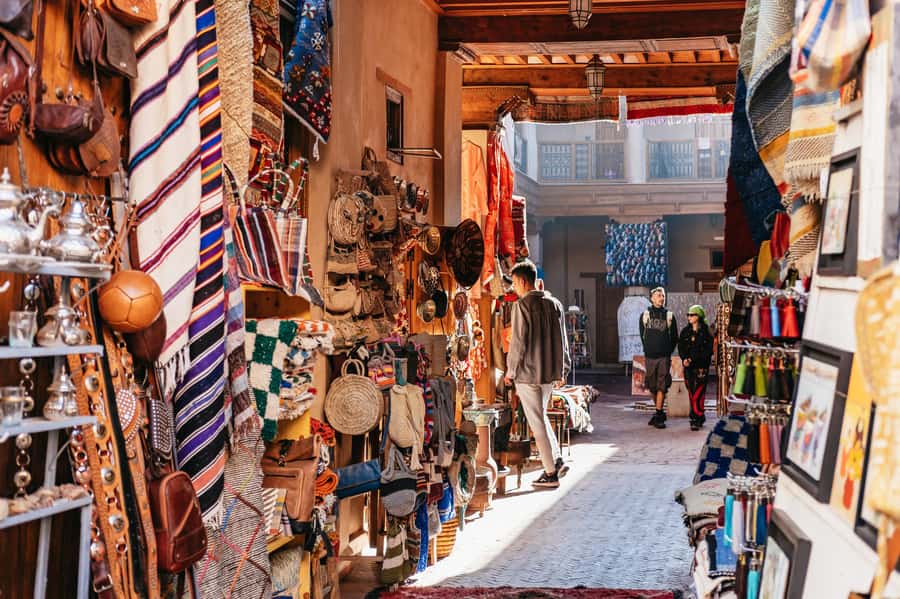
Let’s talk value. At about $57 per person for roughly 4 hours, you’re not just paying for cooking instructions.
Your price typically covers:
- a riad-based cooking session
- souk shopping with ingredient guidance (and Arabic food tips)
- all main tajine ingredients (like vegetables, herbs, spices, and chicken, depending on your selection)
- Moroccan tea
- the meal you prepare
- a take-home recipe sheet
That matters because ingredients in Marrakech aren’t free, and market shopping with a guide takes time and local expertise. Plus, you’re getting a small-group setting that makes learning easier. Even if you’re an experienced cook, learning the Moroccan flavor logic—like preserved lemon, olive balance, and spice order—is the kind of knowledge that’s hard to get from a cookbook alone.
If you want one food experience that feels worth the money without turning into a tourist factory, this is a strong candidate.
Logistics That Matter: Dress Code, Timing, and How to Find Your Guide
This isn’t a “come as you are” activity. There’s a clear dress rule: no shorts, no short skirts, and no sleeveless shirts. Plan for that before you leave your hotel.
You’ll meet outside Café France in Djemaa El-Fna. If you can’t find the Urban Adventures guide holding the sign/badge, don’t guess—double-check. The square has convincing fake guides trying to get you to follow them, so your best move is to stand where your official guide will be and wait.
Timing can shift a bit depending on the day’s shopping and cooking flow. One participant mentioned the class running longer than expected, so if you have a second tour, dinner reservation, or train to catch, keep your schedule flexible. If weather changes, don’t panic—guides have handled small surprises like finding an umbrella for guests during drizzle.
Also, the provider can change the route and places visited, and food inclusions can depend on availability. That’s normal in markets, but it’s good to know so you’re not disappointed if dessert or a specific ingredient varies.
Should You Book This Marrakech Tajine Cooking Class?
Book it if you want a real Marrakech food day—spices, souks, and cooking in a traditional riad—with a guide who helps you understand ingredients. It’s especially ideal for:
- food lovers who enjoy markets
- cooks who want the flavor logic behind tajine, not just a recipe
- couples or small groups who want a more personal, home-style setting
- vegans, vegetarians, or anyone with gluten-free needs who wants the experience to adapt
Skip it if you hate market wandering, you’re very sensitive to schedule changes, or you’re only looking for a quick snack with minimal walking.
If you’re choosing between a “see sights” day and a “learn and eat” day, this is the kind of experience that tends to stick. You leave with real cooking skills, a meal you made yourself, and a recipe sheet you can use the next time you want preserved lemon and olives to taste like Marrakech.
FAQ
Where is the meeting point for the tajine cooking class?
You meet outside Café France in Djemaa El-Fna, in front of the 3-storey café on the right side of the square. Your official guide should be holding an Urban Adventures sign or badge.
How long is the experience?
The duration is 4 hours.
How much does it cost?
The price is $57 per person.
Is hotel pickup or drop-off included?
No. Hotel pickup/drop-off is not included.
How many people are in the group?
It’s a small-group experience with up to 12 guests.
What do you cook and eat during the class?
You prepare a traditional tajine and a fresh Moroccan salad, and you eat the tajine meal you’ve made. Moroccan tea is served during the experience, and dessert may be included depending on availability.
Does the class work for vegetarian, vegan, or gluten-free diets?
Yes. The experience can accommodate vegetarians, vegans, gluten-free, and other dietary restrictions.
Is there a dress code?
Yes. Shorts, short skirts, and sleeveless shirts are not allowed.
Is this class good for families or children?
It’s child-friendly. Children under age 6 are permitted to join free of charge.
What’s the cancellation policy?
You can cancel up to 24 hours in advance for a full refund.