REVIEW · JERUSALEM
Masada, Ein Gedi and The Dead Sea from Jerusalem
Book on Viator →Operated by Tourist Israel · Bookable on Viator
Masada feels like it belongs to another planet. This full-day outing strings together three of the most dramatic stops in the Judean Desert, with transport from central Jerusalem and time to explore at your own pace. I especially like that you get guided history where it counts and then some breathing room to soak up the views.
I love the combo of Masada National Park and the Dead Sea private beach. Masada gives you Roman-era ruins plus a guided walk through key excavations, and the Dead Sea stop includes access to a private shoreline where you can float and try the mineral mud. One consideration: the Ein Gedi hike can be too much for people with balance or mobility limits, because it’s a real walk on uneven terrain in a heat-and-water-in-a-wadi kind of setting.
In This Review
- Key highlights worth marking on your map
- Why this Judean Desert day trip makes sense from Jerusalem
- Masada National Park: cable car up, guided ruins on top
- Ein Gedi Nature Reserve: the oasis wadi walk, and when it’s not for everyone
- Dead Sea private beach: floating, mud, and saltwater safety
- Price and value: what $89 covers and what you’ll pay extra
- Timing, pacing, and group size: the reality check
- Transport and meeting point: starting on the right foot
- What to pack for Masada, Ein Gedi, and the Dead Sea
- Who this tour is best for (and who should think twice)
- Should you book this tour from Jerusalem?
- FAQ
- What is the duration of the Masada, Ein Gedi, and Dead Sea tour?
- Where does the tour start and what time is pickup?
- What is included in the $89 price?
- Are admission fees included for Masada, Ein Gedi, and the Dead Sea beach?
- Is lunch included?
- Do I need to pay for the Masada cable car?
- Is there time at the Dead Sea to swim or apply mud?
- Is the tour family-friendly?
Key highlights worth marking on your map
- Masada cable car option (extra cost): ride up for big views and arrive ready to tour the fort ruins
- Guided walk through Ein Gedi’s oasis: a desert wadi that can feel like a shortcut to somewhere greener
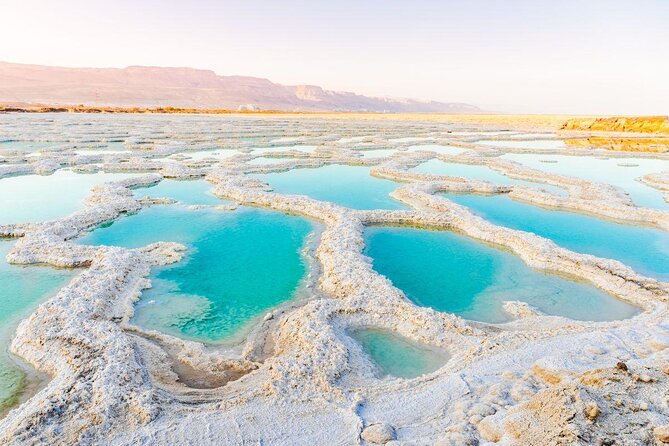
- Dead Sea time on a private beach: saltwater floating and mud application without the public beach chaos
- Independent time at each stop: you’re not just herded through photo stops
- A small group cap: up to 30 people, which helps keep the pace manageable on a long day
Why this Judean Desert day trip makes sense from Jerusalem
Jerusalem is amazing, but the real wow-factor in this region often shows up outside the city limits. This is a straight shot into the Judean Desert for a full day, and that matters because Masada, Ein Gedi, and the Dead Sea are spread out. You won’t want to stitch this together with buses and uncertain connections when you’re also trying to enjoy the time on-site.
What works for me is the structure: you get a guide on the ground for the big “what am I looking at?” moments, plus free time for the slower parts. That’s key at Masada, where the ruins and angles of the plateau can be hard to appreciate if you’re rushing. And it’s key at the Dead Sea, where you’ll want time to float, rinse, and—yes—plan around how extremely salty it is.
The tour also has a realistic rhythm. Start early from the David Citadel Hotel area, then move through three very different environments: stone fortifications, an oasis wadi walk, and a hypersaline shore. If your first goal is to get your bearings in the region fast, this kind of packed day is a smart way to do it.
You can also read our reviews of more tours and experiences in Jerusalem.
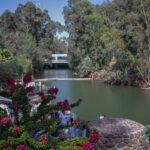
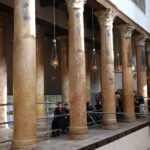
Masada National Park: cable car up, guided ruins on top
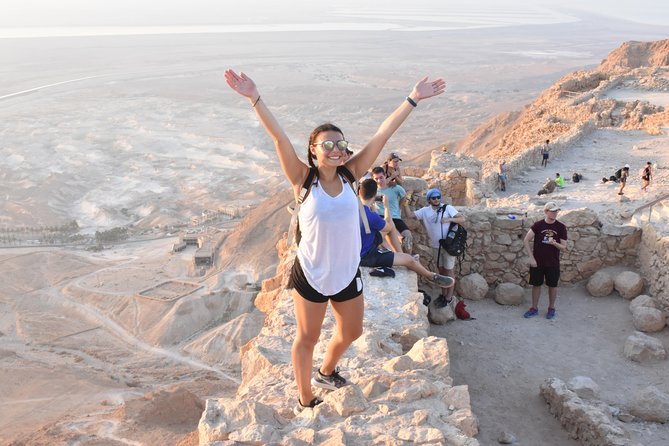
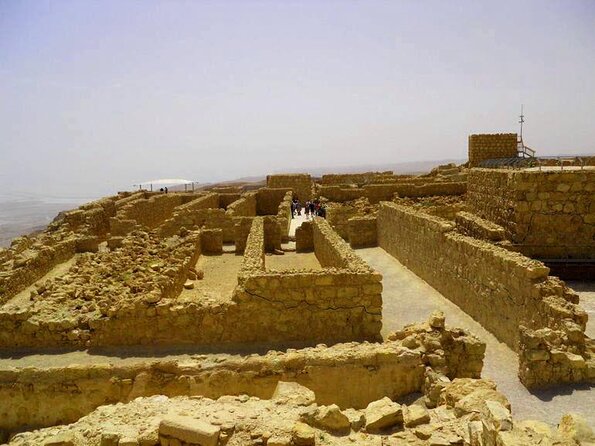
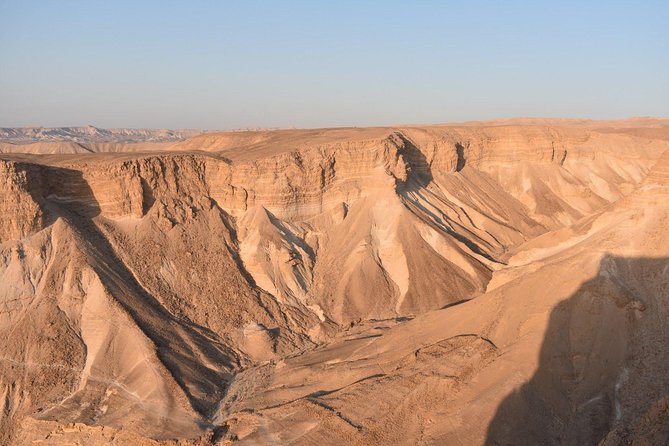
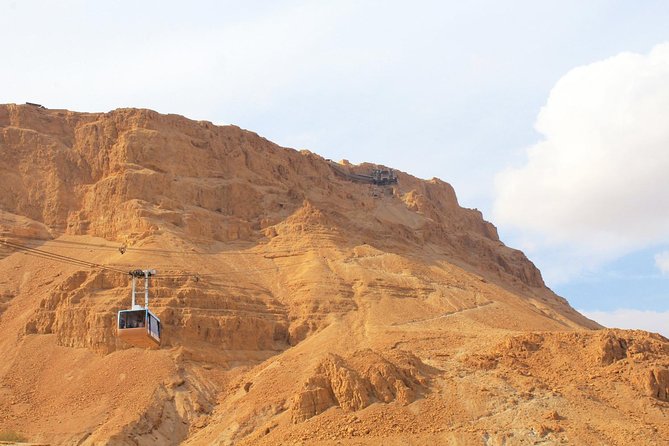
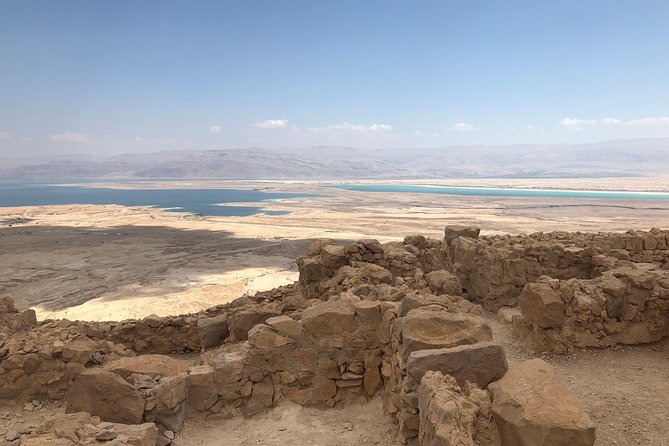
Masada is the reason many people book this tour, and it’s easy to see why once you’re up on the plateau. This stop is built around the classic Masada sequence: ascend (with the option of taking the cable car, paid separately), then get a guided tour of the major sites on the hill.
Here’s what the guided portion typically covers at Masada:
- the ancient palace walls
- a synagogue
- a stepped pool
- additional excavations you can’t really pick out on your own
This mix is valuable because Masada isn’t just “a fortress.” It’s a place where the architecture and daily-life details help explain why this site mattered. A guide can point out what looks similar from a distance, and what’s different when you’re standing near it.
The cable car question (and how to decide). The tour description makes it clear the cable car is your expense. If you’re short on time or your legs aren’t up for a longer walk, the cable car is the obvious stress-reducer. If you love exercise and views at a slower pace, you might prefer alternatives—but the key point is simple: plan your budget and avoid surprise costs by assuming the cable car is extra.
Time on Masada is tight-but-not-ridiculous. You’re usually allotted around 2 hours at Masada. That’s enough for the guided walk plus your own wandering. If you want to read every sign and photograph everything, you’ll want to move efficiently with your photos while you’re still on the plateau.
Ein Gedi Nature Reserve: the oasis wadi walk, and when it’s not for everyone
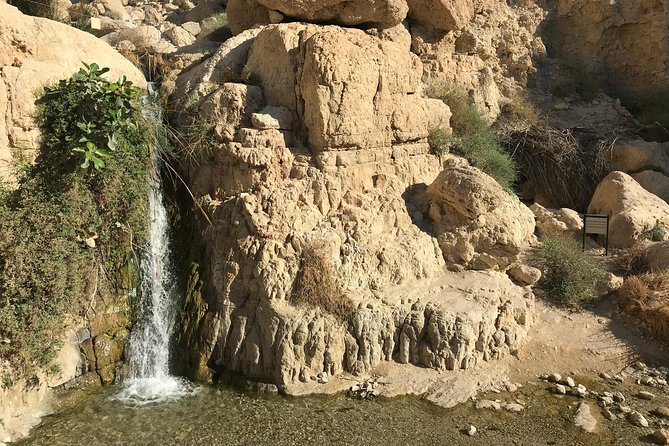
Ein Gedi is the plot twist. Masada is all stone and heat; Ein Gedi is where the desert briefly turns “alive,” with a guided walk through a real nature reserve oasis. The walk is guided and typically includes time for you to experience the wadi area (the small river setting) and, if conditions allow, the sensation of waterfalls.
This stop is special because it changes what you think “desert” means. You’re walking where water has shaped the area, and the vegetation and microclimate feel different from the rocky slopes you’ll see on the drive.
But here’s the honest part: Ein Gedi can be strenuous. Some people find it absolutely worth it; others find it too hard, especially if you deal with balance issues or mobility limitations. The terrain can be uneven, and you’ll also be managing heat. If you’re traveling with older relatives or someone who needs steady footing, I’d consider skipping the deeper parts of the hike and sticking closer to the easier sections.
Smart way to enjoy Ein Gedi anyway: Go in with a flexible mindset. Treat it like a walk you can pace. If you feel rushed by the group, that’s when people struggle. You’ll have guided structure, but your best experience comes from moving at your own comfort level.
Dead Sea private beach: floating, mud, and saltwater safety
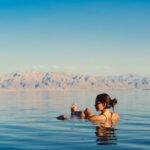
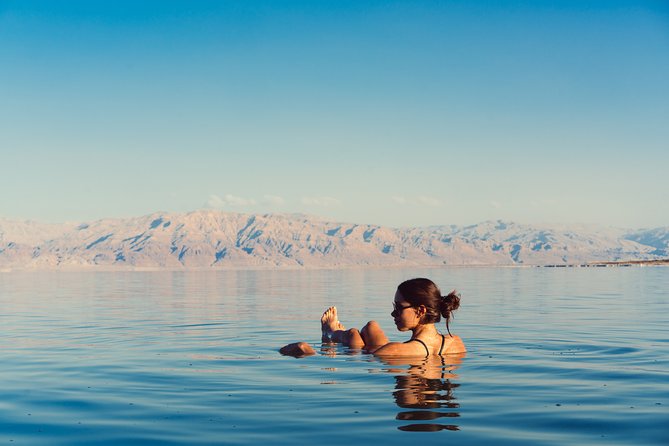
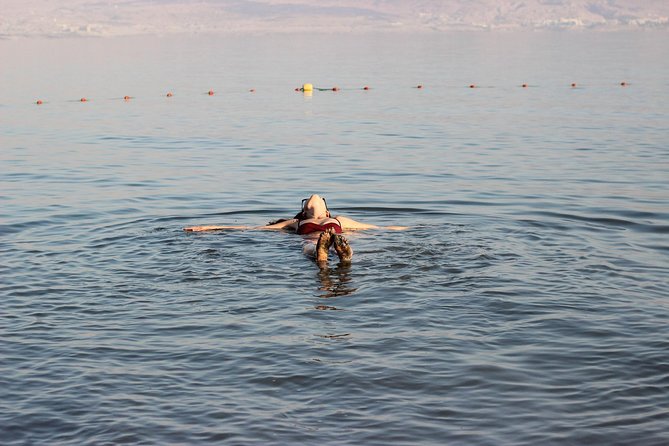
The Dead Sea stop is built around freedom. You get about 2 hours by the water, with access to a private beach included in the tour. This is a big deal. A private shoreline tends to feel calmer and easier to navigate when you’re trying to manage wet clothes, towels, and the unique friction of saltwater.
What to do there:
- float in the hypersaline water
- try the mineral-rich mud
- take time to enjoy the surreal feeling of being buoyant
The Dead Sea is famous for how salty it is, and that salt has a way of getting into everything—especially your eyes and your gear. For the smoothest experience, I recommend you bring swim goggles if you’re sensitive, and rinse your face and hands early rather than waiting until you’re fully coated.
How to think about “therapeutic mud” time. Mud is fun, but it takes handling: apply it, give it a bit, then rinse. With only about two hours total, I’d treat mud as one planned activity, not an all-day project.
Also, don’t over-plan outside the water. People often spend the first few minutes getting the feel for floating, then the next chunk dealing with rinsing and drying. Build in time for all of that so you don’t feel like you’re racing the clock.
Price and value: what $89 covers and what you’ll pay extra
At $89 per person, the tour price feels like a “get there, get explained, get the main stops” deal. You’re paying for transport in an air-conditioned bus and for a guide.
What’s not included is the stuff that can surprise you if you assume it’s all bundled:
- lunch
- admission fees for Masada
- admission fees for Ein Gedi
- Dead Sea beach admission (the private beach access is included, but ticketing costs can still appear separately)
A practical note: one traveler reported paying extra in cash on the bus for entry fees (around 130 NIS per person). Even if the exact number changes, the takeaway stays the same—plan for additional cash for entrance fees, and don’t wait until you’re standing there to figure it out.
Lunch is the other budget wildcard. The tour doesn’t include lunch, and the timing can be a bit late depending on how the day runs. If you hate scrambling, bring a snack kit: water, something salty, and a quick energy bite. That small move can save you from feeling hungry during the long desert stretches.
When I judge value for a day like this, I care about two things: (1) you get a guide for the parts that need context, and (2) you aren’t stuck spending all your time in transit. This tour scores well on both. You’re not just doing a bus tour; you’re doing a “three-stop highlight day” with some real time at each place.

Timing, pacing, and group size: the reality check
This is an early start. Pickup begins at 7:45 am at the David Citadel Hotel area on King David Street. The tour runs about 8 hours total, depending on conditions and how the day flows.
Two things matter for a tour like this:
- Order may change based on conditions. Don’t plan tight timing for anything else that same day.
- Your enjoyment depends on how the group moves at each stop. Even when the tour is designed well, larger groups can slow things down.
The group size is listed with a maximum of 30 travelers. In practice, any day trip can still feel busier than you expect if people are slow returning from bathrooms, photos, or buying small items. Keep that in mind when you’re assessing comfort with a packed schedule.
No-lavatory moments: One traveler flagged that the hotel pickup location may not allow bathroom use, and the bus may not have a restroom. That’s not something you want to learn mid-day. Before you meet the group, use the restroom where you can, and bring a small convenience kit (tissues, hand sanitizer, and wipes) for the rest of the day.
Transport and meeting point: starting on the right foot
You meet at the David Citadel Hotel (King David St 7) and then ride in an air-conditioned bus. The listing uses a mobile ticket, which is usually simple—just make sure your phone battery is topped up before you leave your room.
You’ll also want to keep luggage simple. The tour allows one suitcase and one carry-on per person, and oversized luggage may be restricted. If you’re traveling with something bulky, confirm ahead of time so your day doesn’t get delayed at pickup.
The bus is also part of the day’s comfort equation. After early wake-up and a long sit on the road, you’ll appreciate air-conditioning, especially if you’re traveling in warmer months. This tour’s comfort level here is a real plus.
What to pack for Masada, Ein Gedi, and the Dead Sea
You’re going from rock-hot to water-salty, and packing wrong can make the day less fun. Here’s what I’d bring, based on what this route demands:
- Water (and a small snack): no lunch is included
- Hat + sunscreen: Masada and the desert stops don’t forgive mistakes
- Comfortable shoes: especially for Ein Gedi’s walk
- Swim stuff and a towel: Dead Sea time is part of the experience
- Eye protection if you’re sensitive to salt (goggles help)
- A small bag for wet items: you’ll want to separate wet from dry
- Basic cash for admission fees not included in the tour price
Also, keep your phone ready but protected. If you’re applying mud at the Dead Sea, you don’t want to be handling your phone with salty fingers.
Who this tour is best for (and who should think twice)
This is ideal for first-timers who want a big “Judean Desert hits” day with minimal planning. It’s also a strong pick if you like guided storytelling at the historical sites, but don’t want a full-on guided walking tour for every second.
You’ll probably love it if:
- you’re seeing Masada for the first time
- you want a real Dead Sea experience with a private beach slot
- you like a mix of guided context and independent exploration
You might want a different plan if:
- Ein Gedi’s hike would be hard for you (balance, mobility, or vision concerns)
- you need a very slow pace with long bathroom breaks and no rushing
The guide can make a huge difference on a day like this. When the guide leans into the stories and explanations, Masada and Ein Gedi feel way more connected instead of like three unrelated stops. Some guides have stood out for their enthusiasm and ability to keep the day enjoyable for larger groups, even when the schedule is tight.
Should you book this tour from Jerusalem?
Book it if you want a one-day overview that hits Masada, Ein Gedi, and the Dead Sea in a way that’s easy to manage from Jerusalem. The guide-led context at Masada and the included private-beach time at the Dead Sea are the two big reasons this feels like good value for most first-time visitors.
Skip or adjust if you know Ein Gedi’s walking will be a problem for your group. If you can handle a desert hike, you’ll leave with three very different memories that all fit together: fortress, oasis, and salty float.
FAQ
What is the duration of the Masada, Ein Gedi, and Dead Sea tour?
The tour is about 8 hours.
Where does the tour start and what time is pickup?
Pickup starts at the David Citadel Hotel (King David St 7, Jerusalem) at 7:45 am.
What is included in the $89 price?
Transport by air-conditioned bus and a guide are included.
Are admission fees included for Masada, Ein Gedi, and the Dead Sea beach?
No. Admission fees are not included in the tour price.
Is lunch included?
No, lunch is not included.
Do I need to pay for the Masada cable car?
The ascent by cable car is an own-expense item.
Is there time at the Dead Sea to swim or apply mud?
Yes. You get free time on the shores of the Dead Sea, with access to the private beach, and you can bathe and apply the muds.
Is the tour family-friendly?
Children must be accompanied by an adult, and most travelers can participate.