REVIEW · MARRAKESH
From Marrakech: 3-Day Desert with luxury camp, camel & meals
Book on GetYourGuide →Operated by RED CITY TRANS · Bookable on GetYourGuide
That first glimpse of the Sahara is something else. This 3-day run from Marrakech to Merzouga strings together the High Atlas, UNESCO kasbahs, dramatic gorges, and the big Erg Chebbi dunes. It is the kind of trip where every day has a different Morocco flavor, from mountain hairpins to starlit campfire music.
What I like most is the mix of stops that explain Morocco, not just postcard corners: you pass Tizi n’Tichka (2,260 m), visit Aït Ben Haddou and Ouarzazate’s film studios, then end up doing camel trekking in Erg Chebbi. The second big win is the overnight experience in a Berber luxury camp with traditional dinner and live music, plus sunrise and sunset on the dunes. The main drawback to plan around is the long time in the car, and lunch isn’t included, so you’ll want to budget extra and keep snacks handy.
In This Review
- Key highlights you’ll actually feel
- Marrakech to the High Atlas: a long ride with built-in payoffs
- A quick reality check on comfort
- Tizi n’Tichka pass at 2,260 m: where the mountain road takes over
- Aït Ben Haddou and Ouarzazate film studios: kasbahs you can picture
- Photo tip that’s worth more than you think
- Dades and Todra gorges plus the Valley of Roses: the red-rock reset
- Where people get the most value here
- Merzouga and Erg Chebbi: the camel trek timing is the whole point
- What to expect with the camels
- Luxury Berber camp: dinner, music, and star-gazing reality
- The one camp expectation you should get right
- Road time, meals, and the small logistics that matter
- The driving days can be long
- Lunch and drinks are on you
- The included meals are breakfast and dinner
- Optional dune extras: 4×4 and sandboarding
- Who should book this desert trip (and who might not love it)
- Ask about guide fit before you lock it in
- Should you book this 3-day Marrakech to Merzouga desert trip?
- FAQ
- Where does this tour start, and where can you be dropped off?
- How do you travel between Marrakech and the desert?
- What’s included in the desert experience?
- Do you get to see both sunset and sunrise in the dunes?
- What meals are included, and what is not included?
- Are there luxury tent options?
- Can you add extra activities like dune rides or sandboarding?
- Is this tour wheelchair accessible?
- What should I pack for the trip?
Key highlights you’ll actually feel
- Tizi n’Tichka pass (2,260 m): big altitude scenery and a real sense you’re leaving cities behind.
- Aït Ben Haddou + Ouarzazate film studios: kasbah drama meets modern movie-making.
- Dades and Todra gorges: red-rock scenery that makes the drive worth it even before the desert.
- Erg Chebbi camel trek: you get sunset and sunrise moments, not just one photo stop.
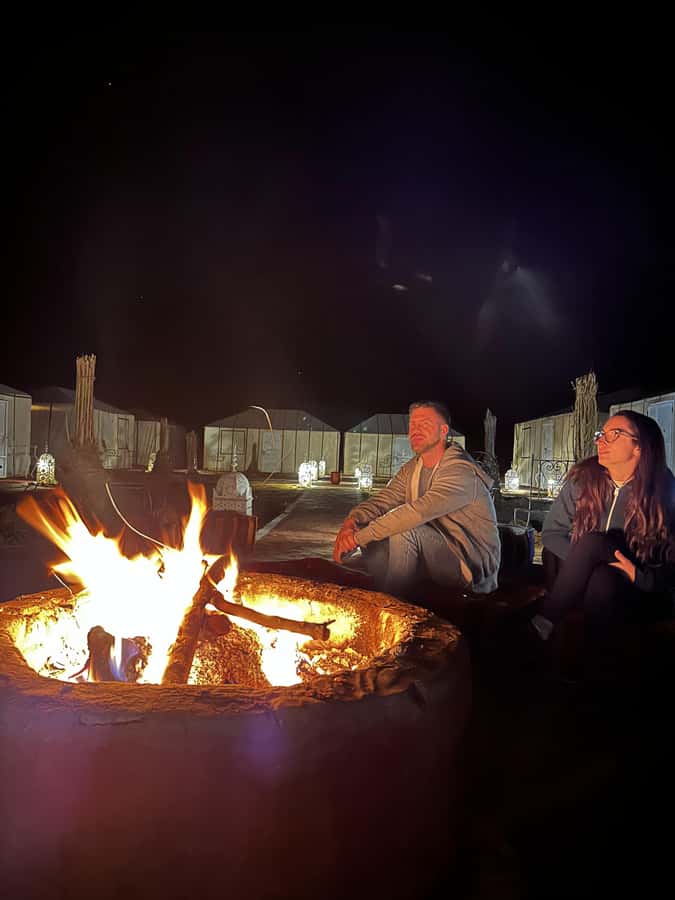
- Luxury Berber camp: traditional dinner and live music under the stars.
Marrakech to the High Atlas: a long ride with built-in payoffs
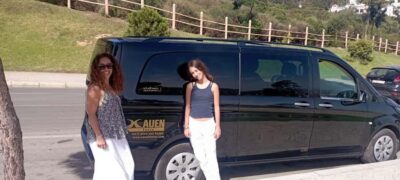
This trip is designed around one truth: Morocco’s best scenery is spread out. You’ll spend significant hours in an air-conditioned minibus, but the route is paced with frequent stops so you can stretch, breathe, and reset. The driver’s job is not only driving; it’s keeping the day moving without feeling like you’re stuck in traffic all the way.
One of the most practical perks is pickup from your hotel (or the nearest accessible point) and then flexible drop-off. Depending on what you choose, you either return to Marrakech or continue onward to Fez. That flexibility matters if you’re building a longer Morocco circuit.
I also like that the experience is built for small-group comfort. You’ll be traveling with other guests, but the pace and stops still feel intentional instead of rushed. If you get a good driver, the whole mood changes fast. I’ve seen names like Alae, Chafik, Bijad, Idris, and Abdul praised for handling the day well, keeping things organized, and making the long drives feel lighter with conversation, clear explanations, and good road music.
You can also read our reviews of more tours and experiences in Marrakesh.
A quick reality check on comfort
The minibus is air-conditioned, but a few people note that cooling can be less than perfect during heat. I’d pack for that. Bring light layers, and keep ice water within reach when you can. And do not underestimate the sun once you’re near the dunes.
Tizi n’Tichka pass at 2,260 m: where the mountain road takes over
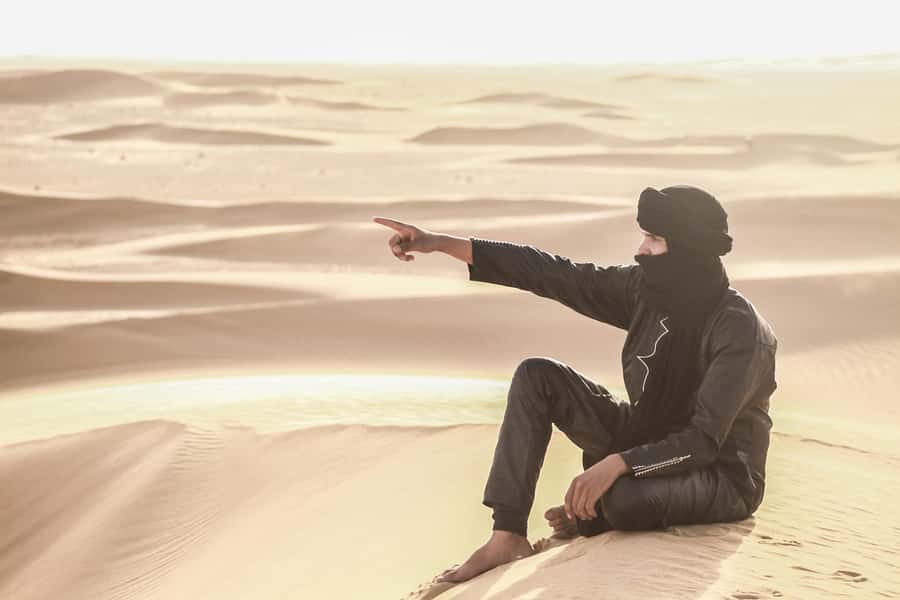
Crossing the High Atlas Mountains is not just travel time on this route. The pass is the dramatic hinge between Morocco’s greener mountain zones and the wider desert horizon. At 2,260 meters, the air feels different and the road has that winding, elevation-by-elevation feel that makes you keep looking out the window.
What makes this portion worth it is the built-in rhythm: you’re not just going from point A to point B. You’ll pause so you can take photos, soak in the views, and let your brain catch up to the height and scale. Even if you’ve done mountain drives elsewhere, this one has a distinct Morocco flavor, with steep slopes, scattered villages, and long stretches where the road seems to float above the valleys.
If you’re prone to motion sickness, consider preparing early. Long travel days plus winding roads can add up, even when the vehicle is comfortable. A light stomach and a few minutes of fresh air during stops can make a difference.
Aït Ben Haddou and Ouarzazate film studios: kasbahs you can picture
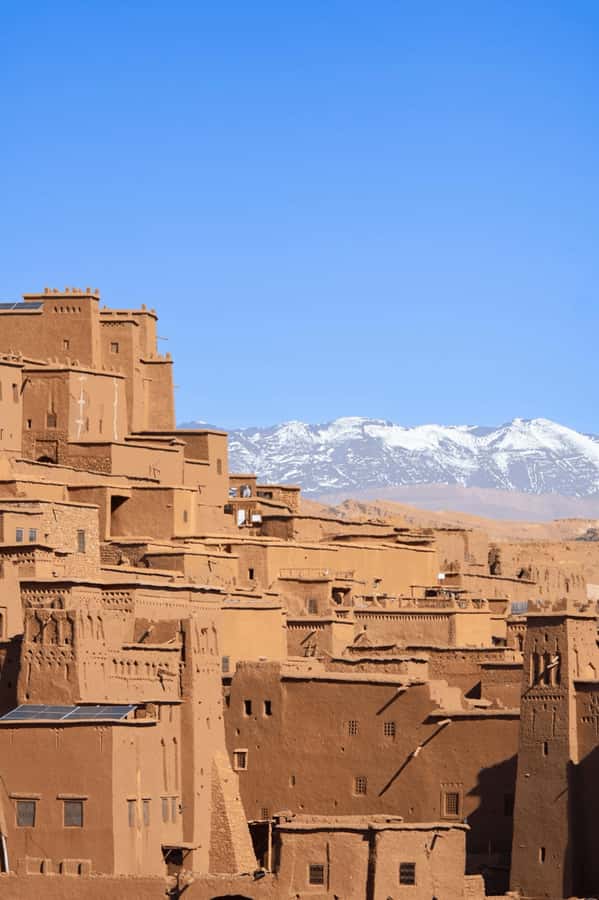
This is one of those rare stops where history and modern pop culture actually connect. Aït Ben Haddou is UNESCO-listed, and you’ll feel why as soon as you see the kasbah structure hugging the terrain. The clay-and-stone look is strong from every angle, which means the place reads like a set even before you think about movies.
Then comes Ouarzazate’s film studios, where you get the modern counterpart to the old-world walls. Even if you’re not a film nerd, it helps you understand why productions keep coming back here. The region gives you something hard to fake: light that turns buildings golden, hills that frame the shot, and that broad Moroccan sky.
Photo tip that’s worth more than you think
Bring a phone camera cleaning cloth or just a bit of tissue. Dust happens on desert-bound routes, and the lighting can be perfect for clear shots. If you’re serious about photos, sunrise and sunset in the desert will do more for your gallery than the midday stops, but the kasbahs still photograph beautifully when you choose the right moments.
Dades and Todra gorges plus the Valley of Roses: the red-rock reset
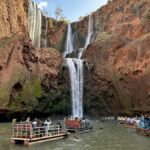
After you clear the big mountain day, the scenery shifts into red-rock drama. The Dades Valley is known for its cliffy rock formations, and you’ll feel how the region looks carved by time. The tone changes again around Todra Gorge, where the canyon walls rise so steeply you almost feel like the sky is a smaller box above you.
The Valley of Roses is another good change of pace. You may not see roses in full abundance depending on the season, but the stop works as a reminder that Morocco isn’t only mountains and dunes. It’s also agriculture and seasonal life. If you’re the type who likes a little cultural context alongside the photos, this day delivers.
Where people get the most value here
This section of the trip is not the part where you do a big activity like camel trekking, but it’s where you start understanding the geography. The rocks you see in Dades and Todra are part of the same long story that leads to Merzouga. Once you’ve seen the gorge walls, the later dunes feel even more dramatic because you’ve already learned what different landforms look like in Morocco.
Merzouga and Erg Chebbi: the camel trek timing is the whole point
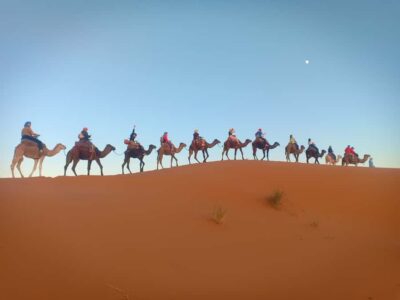
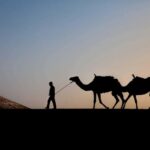
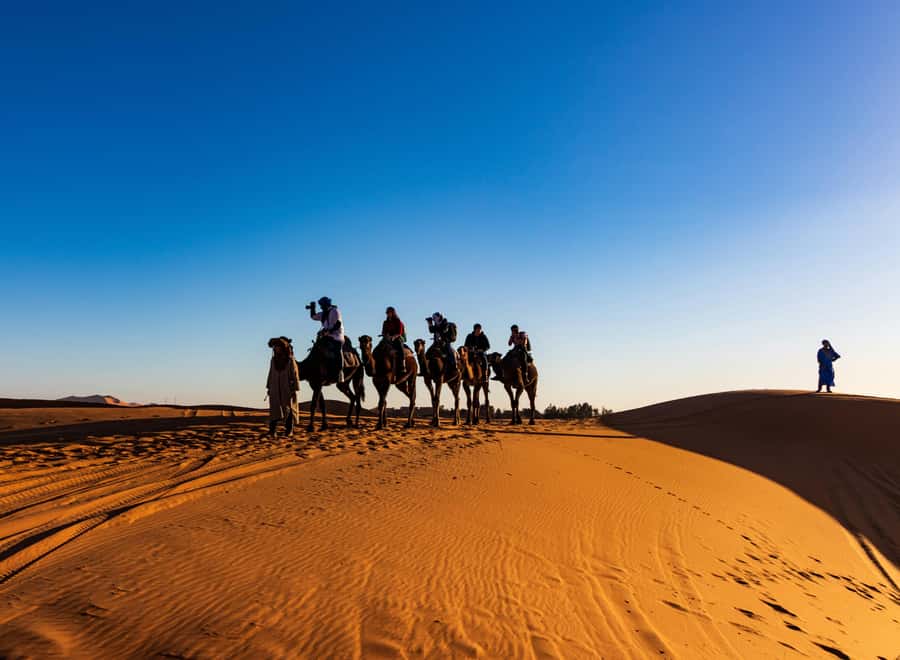
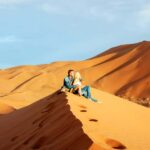
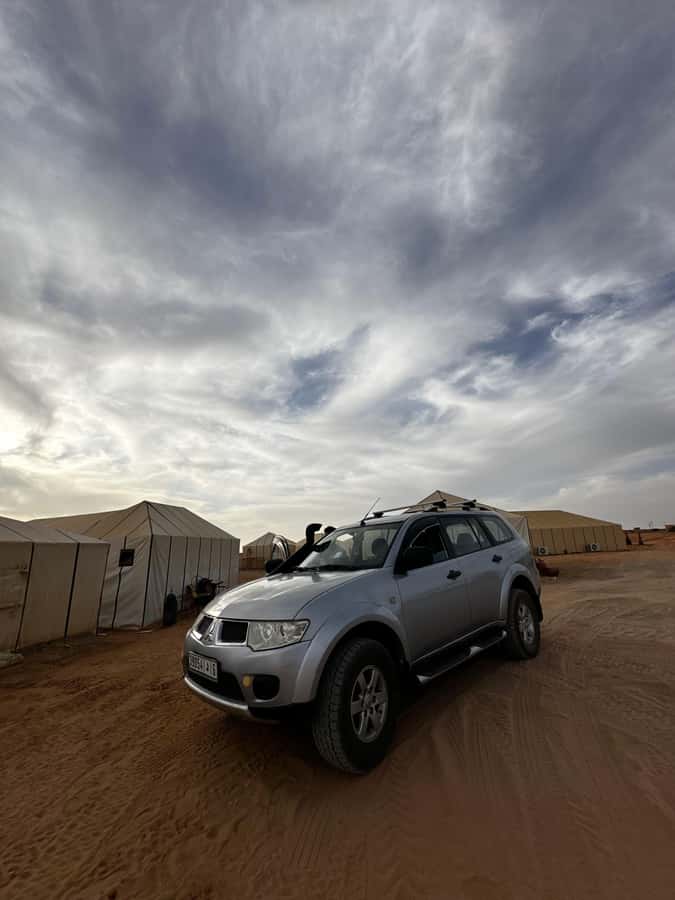
Erg Chebbi is the desert stage for this tour, and the camel trek is a center-bright moment. You’ll ride into the dunes for sunset and sunrise experiences, which is key. One-time desert walks can be nice, but two proper light changes turn it into something you remember long after the photos.
Camel trekking also slows your brain down. You stop thinking like a checklist traveler and start noticing small desert details: the silence between dune ridges, how the sand changes texture underfoot, and how quickly the temperature shifts as the sun drops. You’ll feel it in your face before you fully clock it.
What to expect with the camels
Camel time can feel like a long sit for some people, especially on days that already include a lot of driving. Wear comfortable shoes for the rest of the trip, and plan for your body to appreciate breaks when you can. Some participants mention the camel part as enjoyable but longer than expected, which is fair. The goal is a night in camp, so the pace is set for that.
Luxury Berber camp: dinner, music, and star-gazing reality
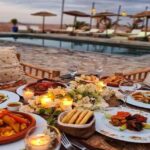
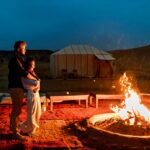
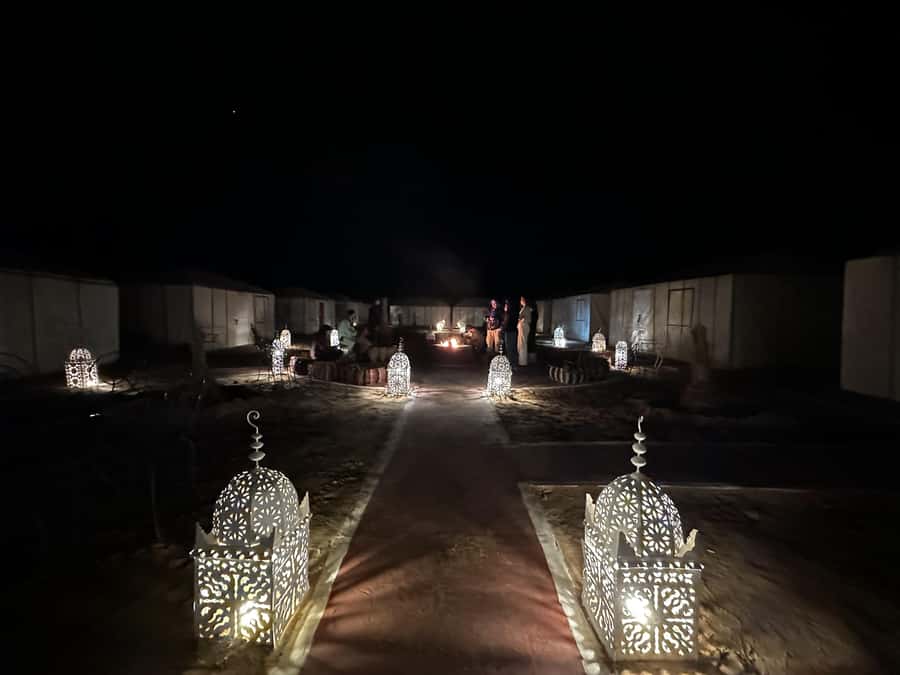
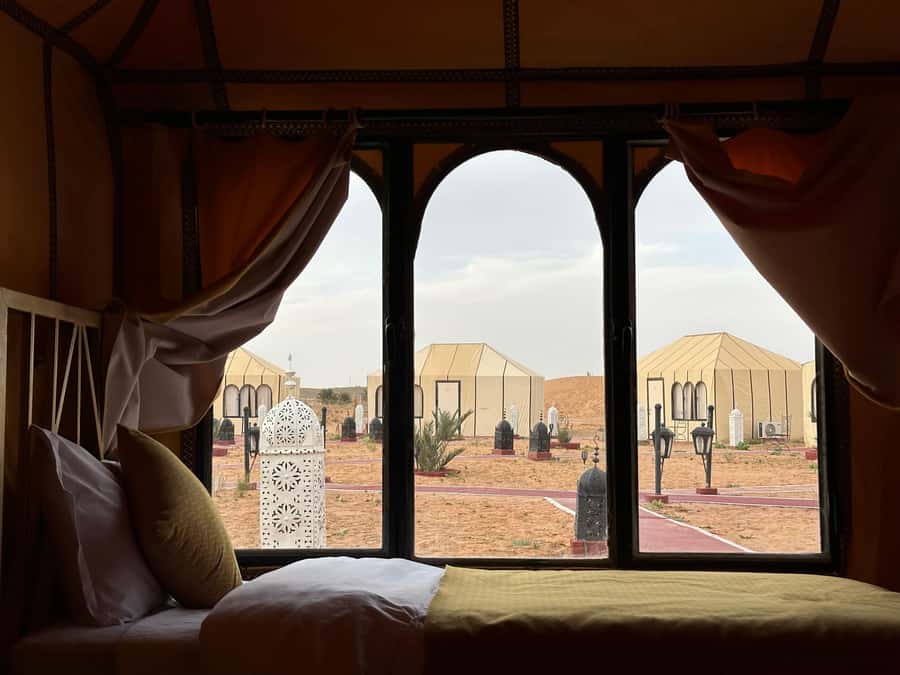
This is the emotional payoff. You’ll spend the night in a Berber camp on the dunes with traditional dinner and live Berber entertainment. Even when camps differ in feel, the big constant is the atmosphere: low lights, warm conversations, and the feeling that the desert is holding you still.
You can choose between standard and luxury tent options, and the luxury setups are often glamping-style with nicer facilities. Some guests report comfortable tents and good showers, but details can vary. A few notes I’d take seriously: wifi may be weak or limited, privacy in bathrooms may not be as modern as you expect, and water pressure can be less than you’re used to. In other words, luxury here still means desert luxury, not hotel luxury.
The one camp expectation you should get right
If you’re paying extra for luxury, you should be mentally prepared for basic desert tradeoffs. Bathrooms might have limited privacy, and the camp is operating with desert logistics, not city plumbing. The upside is the experience itself: dinner, music, and the night sky out there has a different weight.
Road time, meals, and the small logistics that matter
Let’s talk about the part that can make or break your mood: time in transit and where meals fit.
The driving days can be long
This is a 3-day journey across big distances, so expect a lot of hours on the road. People often report around 6–8 hours of driving per day, typically split into chunks with breaks rather than nonstop. That is normal here. If you try to treat this like a short hop, you’ll feel annoyed. If you treat it like a slow reveal, it works.
Lunch and drinks are on you
Lunches and drinks are not included. That’s not a deal-breaker, but it changes budgeting. Some guests describe lunch stops as pricey and mention minimum spending at certain places. You may not love every lunch choice, so come prepared:
- keep some cash on hand
- eat lightly before long drives when possible
- pack small snacks so you’re not stuck hungry between stops
The included meals are breakfast and dinner
Dinner is part of the camp experience on desert night, and breakfast is included across the included days. This helps you avoid spending every meal. Just keep in mind that included meals can be simple and focused on local hospitality rather than gourmet variety.
Optional dune extras: 4×4 and sandboarding
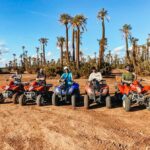
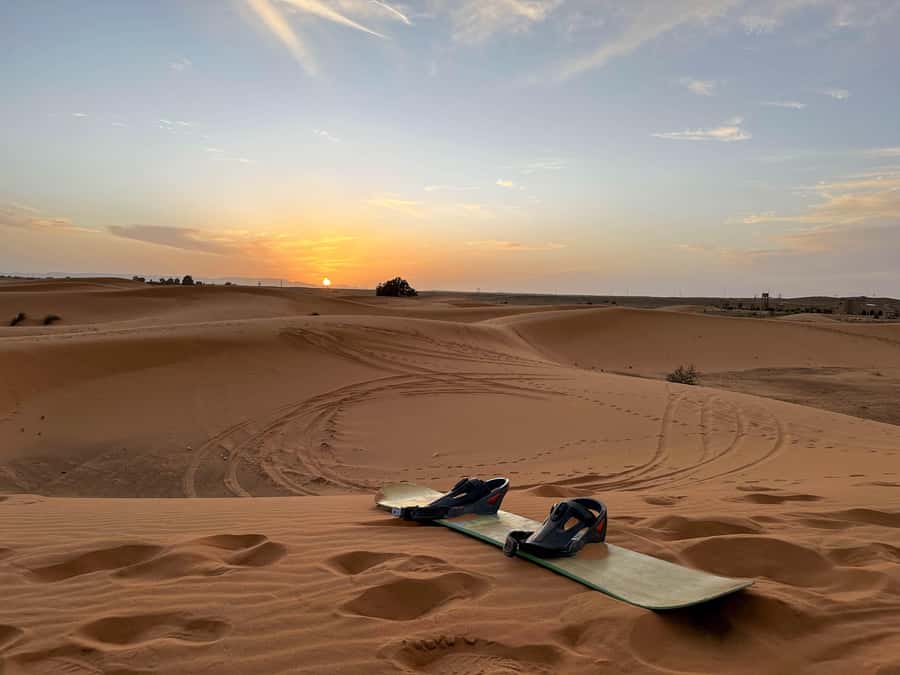
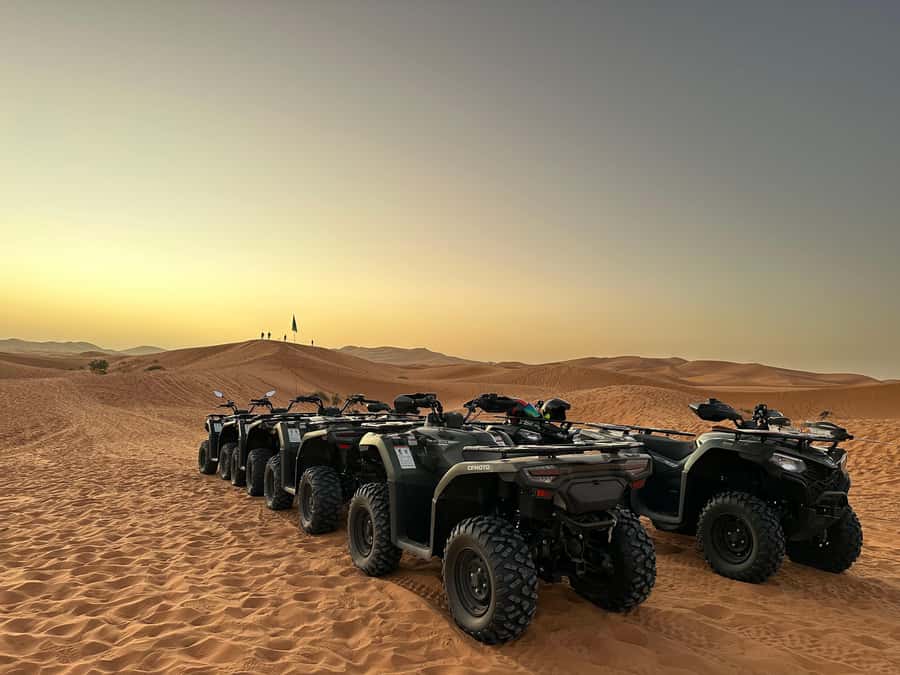
You can add an optional 4×4 dune tour and optional sandboarding. Some people love the quad style dune riding energy when it’s offered, and others feel sandboarding can cost more than it feels worth. My advice: if the pricing for extras feels steep, you’ll probably still be satisfied with the camel trek and camp night, because those are the core moments.
Who should book this desert trip (and who might not love it)
This tour fits best if you want a full Morocco sweep in just 3 days. You get mountains, kasbahs, film-studio visuals, gorges, and then dunes with a proper camel trek and night under stars. It suits couples, solo travelers, and small groups who want structure and guide support.
It might not suit you if:
- you hate long car days and want minimal transit
- you’re sensitive to heat and sun without breaks
- you rely on wheelchair access (this tour is not suitable for wheelchair users)
If you’re traveling with kids, it can work well too. Several families highlight how the camel experience and the camp night were a highlight, and that the group stayed comfortable even with young travelers.
Ask about guide fit before you lock it in
If you can choose or request, it’s worth asking about guide style. Names like Alae show up repeatedly for friendliness and organization, and there’s also praise for drivers like Alae, Abdul, and Khalid for safe driving and keeping the experience flowing. A guide who speaks your language and gives clear explanations makes the drive feel shorter and the stops feel smarter.
Should you book this 3-day Marrakech to Merzouga desert trip?
If you want the Sahara experience with real structure, this is a strong choice. The big reasons are the two dune light moments (sunset and sunrise), the overnight camp with dinner and live music, and the fact that the days are packed with scenery you can understand as you move through Morocco: Atlas, kasbahs, gorges, then dunes.
I’d book it if you:
- want a guided route with pickup and drop-off
- like seeing different regions quickly
- are okay with long road days for a once-in-a-lifetime payoff
I’d think twice if:
- you’re expecting hotel-level desert amenities all the way through
- you have a tight budget for lunches and optional extras
- you’re trying to avoid any lengthy driving
Bottom line: this trip earns its reputation because the desert night is planned well, not improvised. Add in the Atlas pass and UNESCO kasbah stop, and you’re not just buying dunes. You’re buying a whole Morocco arc in three days.
FAQ
Where does this tour start, and where can you be dropped off?
You’re picked up from your hotel or the nearest accessible point. You can choose between a return to Marrakech or drop-off in Fez.
How do you travel between Marrakech and the desert?
You travel by comfortable air-conditioned minibus with a professional, experienced driver.
What’s included in the desert experience?
You’ll have camel trekking in the Erg Chebbi dunes and enjoy a night in a Berber camp, including traditional dinner and live entertainment.
Do you get to see both sunset and sunrise in the dunes?
Yes. The camel trekking includes sunset and sunrise moments over the Erg Chebbi dunes.
What meals are included, and what is not included?
Breakfast and dinner are included on both days. Lunches and drinks are not included.
Are there luxury tent options?
Yes. You can choose between standard and luxury tent options for the desert camp.
Can you add extra activities like dune rides or sandboarding?
Yes. A 4×4 dune tour and sandboarding are optional extras.
Is this tour wheelchair accessible?
No. It is not suitable for wheelchair users.
What should I pack for the trip?
Bring comfortable shoes, sunglasses, and sunscreen. A headscarf and longer trousers are also a helpful idea for time in desert areas.