REVIEW · MARRAKESH
From Marrakech: 3-Day Mount Toubkal Climbing Trek
Book on GetYourGuide →Operated by Marrakech Day Trips - Tours · Bookable on GetYourGuide
Mount Toubkal sounds simple, then proves you wrong. This 3-day climb from Marrakech takes you through Berber valleys, up to North Africa’s highest summit (4167m), and back through a loop that feels more like an expedition than a rushed hike. I especially love the way guides such as Youssef and Kamal keep the group together with steady pacing, and I also like the practical setup: transport from your riad plus mule support so you’re not hauling everything up the mountain.
The main drawback is the physical reality. Even though it’s described as a non-technical ascent, the days include big altitude gains and long walking hours, and the refuges are basic mountain stopovers—not a hotel. If cold mornings and tired legs are not your thing, you’ll want to think twice.
In This Review
- Key points worth knowing before you go
- The 3-Day Toubkal Loop: why it feels better than the quick version
- Marrakech to Imlil: the Atlas valley drive that sets expectations
- Tizi Mzik Pass and the Tamsoult Waterfalls: the day you’ll remember
- Tamsoult Refuge to Aguelzim Pass (3650m): altitude gains with steady pacing
- Toubkal Refuge, then the summit loop to 4167m
- Waterfalls, Berber villages, and juniper forest: more than just altitude
- Guides, muleteers, and food: why this trek often feels “easy to organize”
- Refuge stays: basic comfort, and what to pack for the night
- Price at $226: what you’re really buying
- Gear checklist that actually helps on summit morning
- Fitness, weather, and safety: how hard is it and who should pass
- Who this trek is best for
- Should you book the 3-Day Mount Toubkal Climbing Trek?
- FAQ
- FAQ
- How long is the Mount Toubkal trek from Marrakech?
- What’s the highest point you’ll reach?
- What’s the maximum group size?
- What languages are the guides available in?
- What’s included in the price?
- What should I bring?
- Are sandals or slippers allowed?
- Where do I meet the team in Marrakech?
- Who is the trek not suitable for?
Key points worth knowing before you go
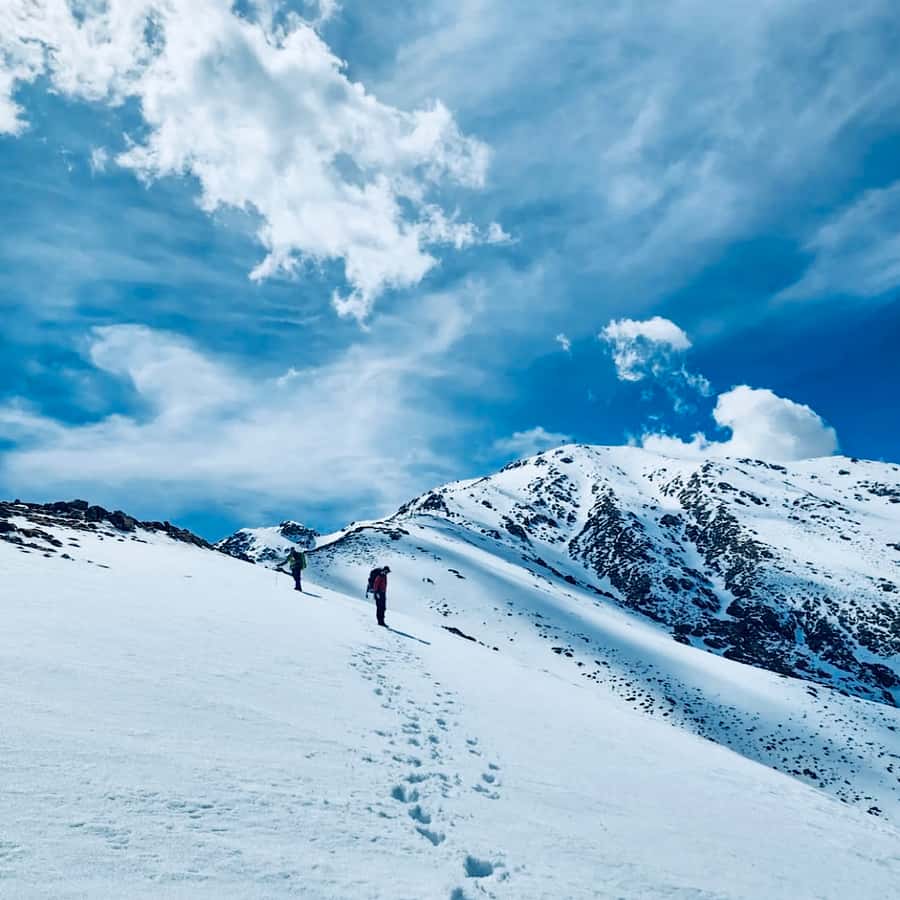
- A real altitude day-by-day plan: the hike builds from Tizi Mzik Pass to Aguelzim Pass (3650m), then drops to Toubkal Refuge before the summit push.
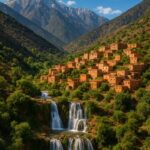
- Tamsoult Waterfalls break up the climb: a 100-meter waterfall stop in a scenic juniper forest gives you a memorable reason to keep moving.
- Small group attention: limited to 14 participants, with guides focused on pacing and safety.
- Your legs will do the work, mules carry the rest: luggage and supplies move with muleteers, so you can hike lighter.
- Summit morning is cold and early: expect an early start and serious elevation cold—bring warm layers even if you sweat on the trail.
The 3-Day Toubkal Loop: why it feels better than the quick version
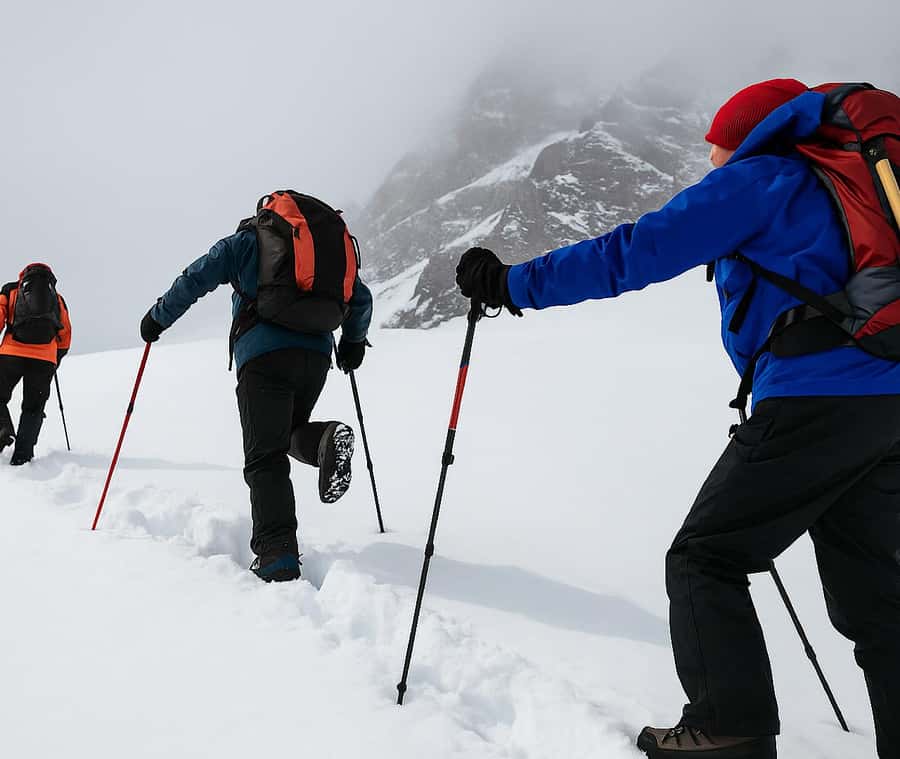
I like this itinerary because it’s built like a loop, not a simple out-and-back. You don’t just “go up, come down.” You climb past Tizi Mzik Pass, spend time around the Tamsoult area, then go higher with Aguelzim Pass, and finish with a summit attempt from Toubkal Refuge.
That extra time matters for two reasons. First, you get natural acclimatisation walks at altitude. Second, you see more High Atlas terrain instead of repeating the same stretch twice. One of the biggest complaints about short treks is that you barely adjust before you’re already deep into summit mode. With three days, you have time to settle into the rhythm—slow uphill, pauses for breath, and plenty of stops to reset mentally.
You can also read our reviews of more tours and experiences in Marrakesh.

Marrakech to Imlil: the Atlas valley drive that sets expectations
The adventure starts with pickup from your hotel or riad in Marrakech. If your place is outside the Medina, you wait in the hotel lobby. If you’re inside the Medina or in a riad with no car access, the team confirms the closest reachable meeting point via WhatsApp about 24 hours before the trek.
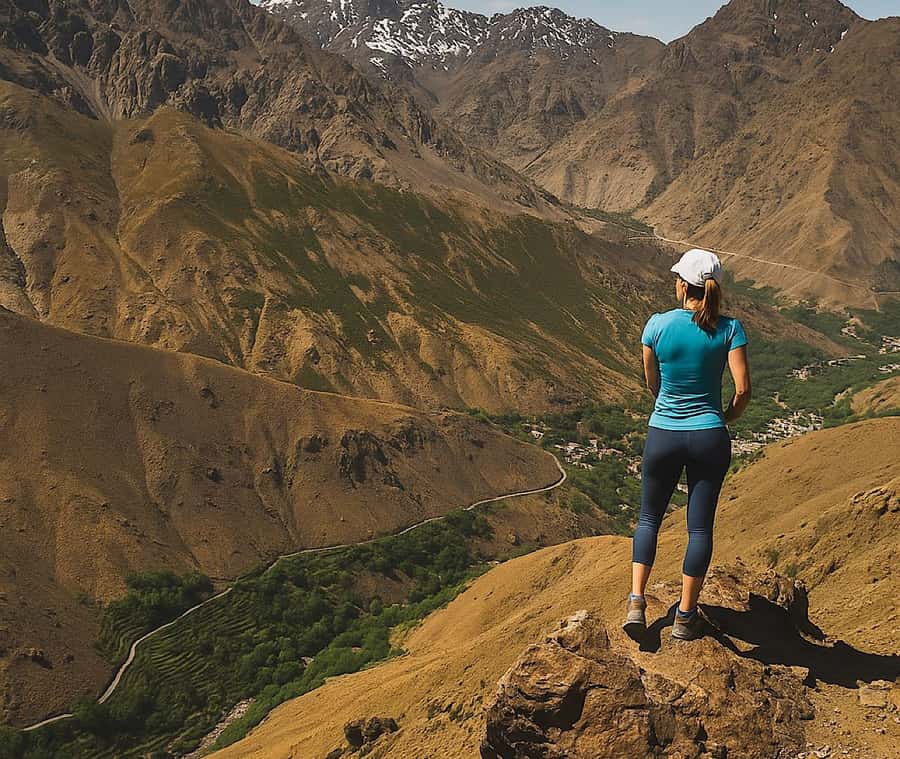
Then comes the drive into the High Atlas. Along the way you pass places like Tahanaout, Oued Ghighaya, and Asni, with village views along the valley. This matters because it gets you oriented before you ever start walking uphill. You’ll also notice how quickly the scenery shifts once you leave Marrakech traffic behind—one minute you’re in town life, the next you’re heading toward mountain villages and narrower roads where the pace changes.
At Imlil (about 65 km from Marrakech), you meet your certified mountain guide and the muleteer team. That handoff is more important than it sounds. A good guide makes the hike feel like a plan, not chaos. Many guides on this route are praised for exactly that kind of organization and for checking in often as the altitude climbs.
Tizi Mzik Pass and the Tamsoult Waterfalls: the day you’ll remember
Your trek begins by climbing the Tizi Mzik Pass (2479m). Right away you get big views over the Imlil Valley and toward Mount Toubkal. This pass sets the tone: it’s not a technical scramble, but it asks for attention—good footing, steady breaths, and no ego pacing.
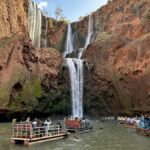
After that, the route takes you through a scenic juniper forest toward Tamsoult Waterfalls. These are described as the highest waterfalls in the Atlas Mountains, and one review-supported detail is the scale: about a 100-meter waterfall. You’ll walk roughly 11 km total on this segment, with an elevation change of around +800m / -400m, and expect about 5–6 hours of hiking time.
A small practical tip: make time for the waterfall moment, but also don’t turn it into a long lunch-and-stall. You’ll still be working uphill later that day, and once the mountain cold starts creeping in, you’ll appreciate moving while you’re still warm.
Tamsoult Refuge to Aguelzim Pass (3650m): altitude gains with steady pacing
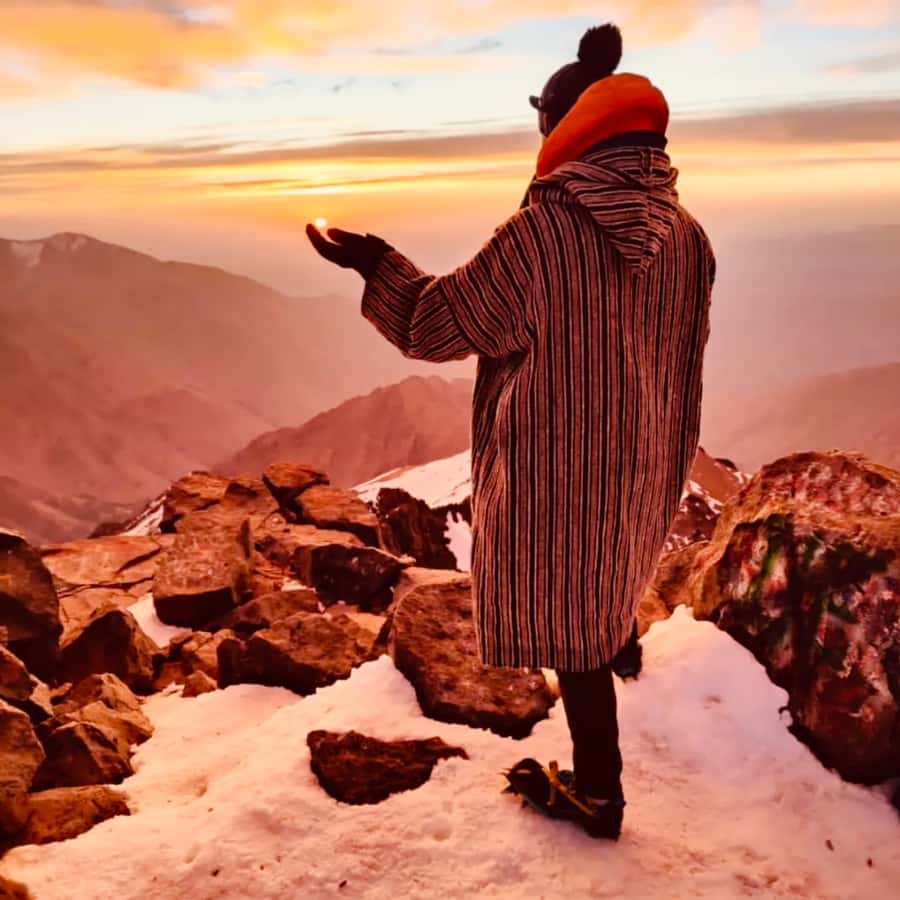
Day two brings the altitude you can feel. You head toward Aguelzim Pass (3650m) with a gradual ascent, using steady pacing so your body adapts. The route is about 10 km, with roughly +1200m / -300m elevation, and about 6–6.5 hours walking time.
This is the day when the trek shifts from scenic hiking to “work day.” Cold air thickens, your breathing gets louder, and it’s easier to judge yourself harshly. The guides who earn the best praise on this route do one key thing: they manage the group’s pace so people don’t burn out too early. I like that the itinerary explicitly calls for gradual pacing here, because it’s the difference between feeling proud and feeling panicked.
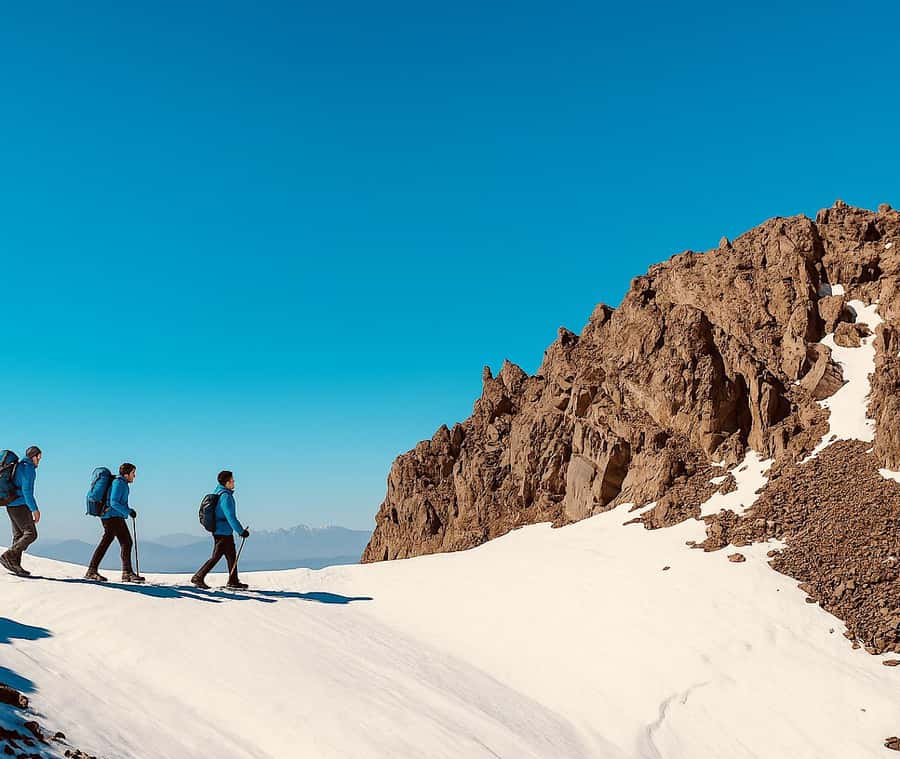
When you reach the pass, you get impressive views of the Toubkal Summit area. That moment is a big motivational payoff. You’re not just hiking to a point on a map—you can see the final goal in the distance and understand why sunrise on summit day is worth the pain.
Toubkal Refuge, then the summit loop to 4167m
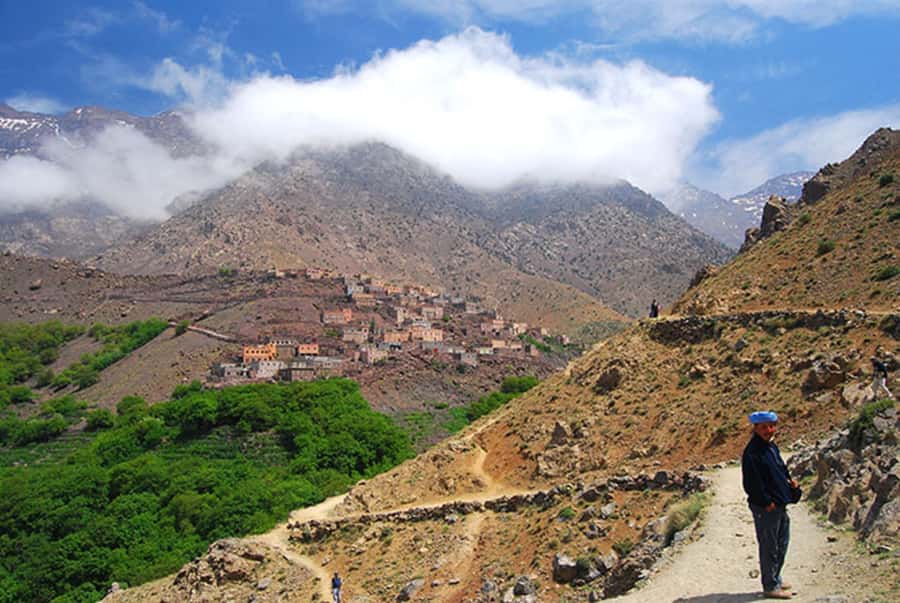
After the Aguelzim day, you descend carefully toward Toubkal Refuge (3207m). This is your staging base for the summit attempt, and it’s where you’ll feel the emotional mix: excitement from being so close, plus anxiety because the summit day is long and cold.
Then comes the classic part: an early start for the final climb to Mount Toubkal’s summit at 4167m. Weather permitting, you can enjoy views described as 360°, and on clear days you may even see toward the Sahara Desert on the horizon. From a practical standpoint, the “early start” matters because wind and temperature are often harsher higher up, and you want to reach the summit while conditions are still workable.
Here’s what the trail math looks like. Your summit day includes a 4 km loop for the summit climb plus a long descent back down: total descent to Imlil is about 14 km (the itinerary also notes a 14 km descent to Imlil after the summit). In time terms, plan about 8–9 hours walking.
Cold reality check: one review notes around 5°C near the summit, even in winter shoulder months. That means warm layers aren’t optional. Also, bring your attention down to your feet during the descent—one slipped step on scree turns “memorable hike” into “longer afternoon.”
Waterfalls, Berber villages, and juniper forest: more than just altitude
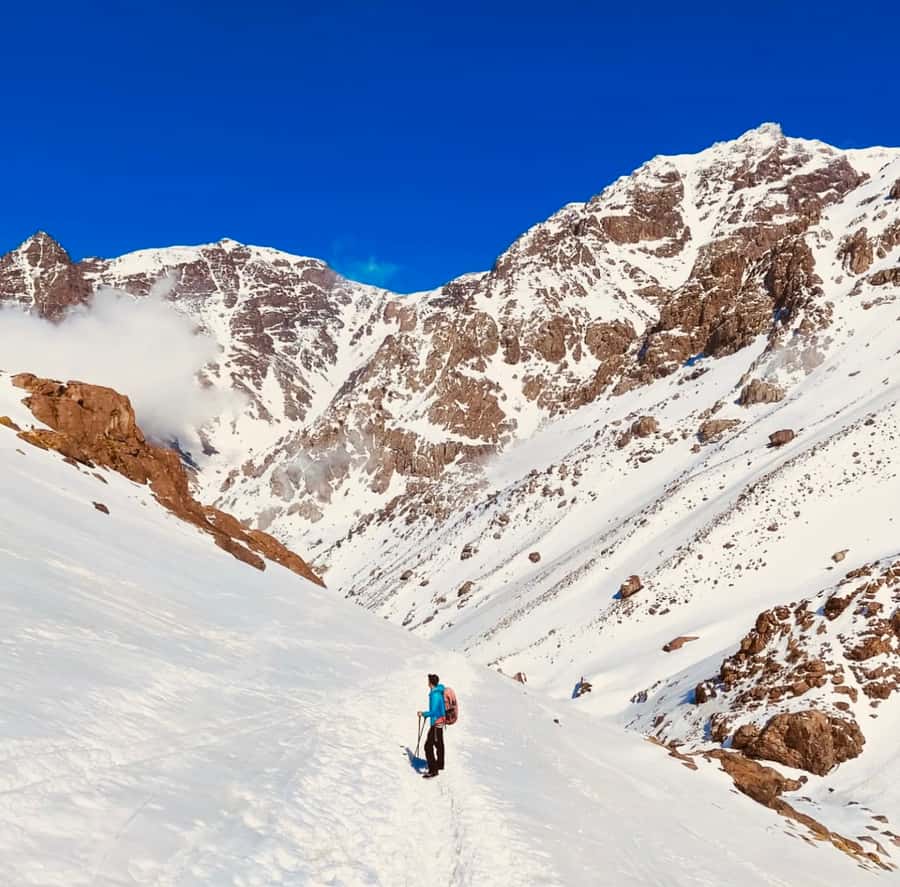
This trek earns points beyond the summit because it threads together different kinds of mountain life. You’ll pass through areas associated with remote Berber villages and spend time walking among real community landscapes. On the route, you also get a significant nature break in the form of the juniper forest and the Tamsoult Waterfalls.
One more reason I like the cultural side here: guides often explain what you’re seeing—terrain, daily life, and mountain knowledge gained over a lifetime in the High Atlas. Several guides are praised for being warm, human, and safety-focused while still sharing local context. That combination—calm guidance and real talk—turns the trek into a story you remember, not just a number on a summit tick-off list.
Also note weather can change plans. A storm in one experience led to the summit not being reached, and the hike turned shorter (2 days instead of 3), with extra time spent on Berber villages. In other words: be ready for the mountain to lead.
Guides, muleteers, and food: why this trek often feels “easy to organize”
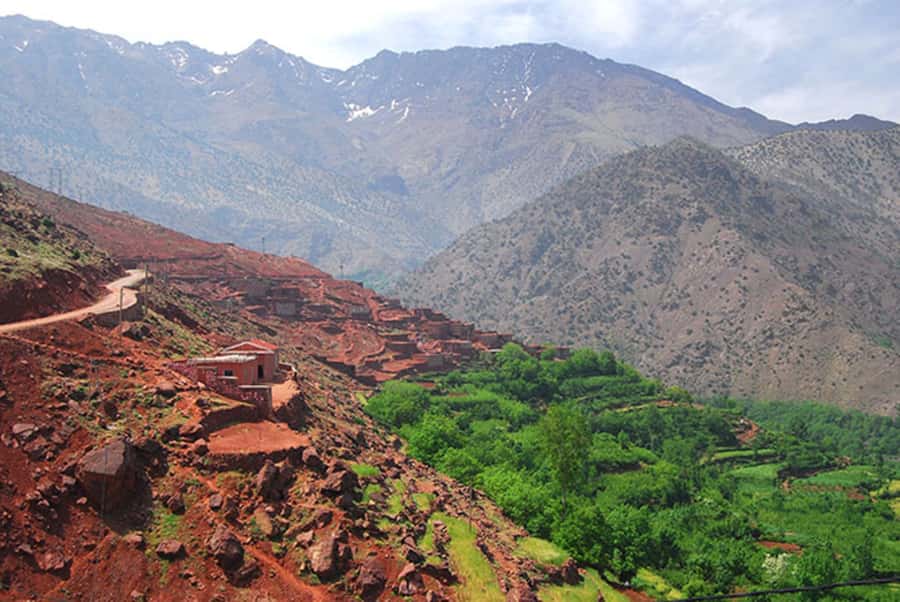
This is one of the best-run adventure styles I’ve seen in Morocco trekking: the logistics are largely handled for you. Your guide is joined by muleteers who manage luggage and carry items you don’t need on the trail the same way you carry your own layers and essentials.
When reviews mention standout teams, they repeatedly cite the same themes:
- Guides keeping the group together and adjusting pace for slower hikers
- Guides checking in frequently, especially at higher altitude
- Meal timing that matches the day’s effort
- Support during rough moments—when you feel weak, not when you perform
You’ll also rely on cooks (often mentioned by name, like Omar or Ibrahim in different groups) to keep you fueled. The food is consistently described as warm, enough quantity for long hiking days, and simple but satisfying. That matters because a summit attempt is not the time to discover you’re running on empty.
One practical detail I’d take seriously: even when the food is good, bring a few personal snacks and electrolytes. Some reviews specifically recommend it, and it fits what your body tends to want on altitude days.
Refuge stays: basic comfort, and what to pack for the night
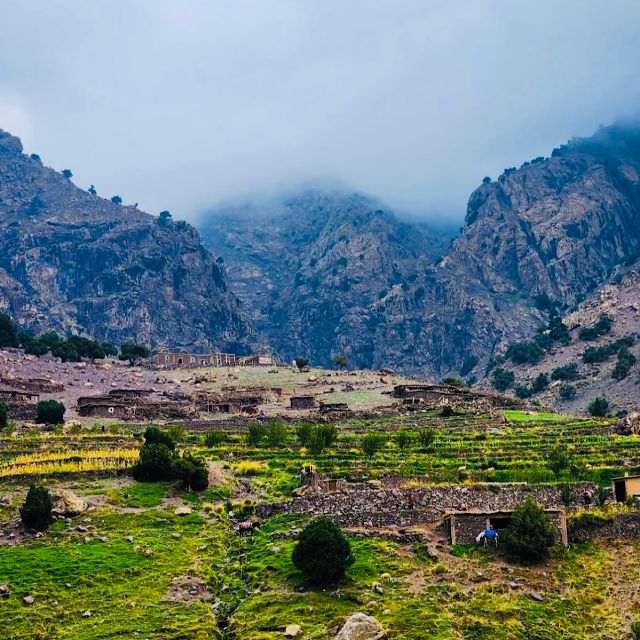
You’ll sleep at a local house early on this trek and then in refuges at Tamsoult Refuge and Toubkal Refuge. These accommodations are meant for mountain travel: you should expect basic facilities rather than creature comforts.
What people like most about the refuge setup:
- You’re sheltered from wind and cold
- Dinner and tea show up when you’re tired
- Staff are described as welcoming, and the rooms are clean enough to rest
What you should prepare for:
- Sleeping can be uncomfortable if you’re not ready for simple bunkhouse conditions
- Toiletries are not guaranteed
Several reviews specifically advise bringing toilet paper and soap, because refuge facilities may not provide them. That’s not glamorous advice, but it’s the kind that turns “fine” into “comfortable.”
On sleeping gear: the tour info says to bring a sleeping bag, but multiple reviews mention that refuges may have beds and blankets. I’d still bring your own warmth solution if you run cold, because summit nights and early morning starts often feel colder than your memory suggests.
Hot showers are another variable. One review mentions hot showers costing 20 MAD at a refuge, so plan for the possibility of extra fees depending on the stop.
Price at $226: what you’re really buying
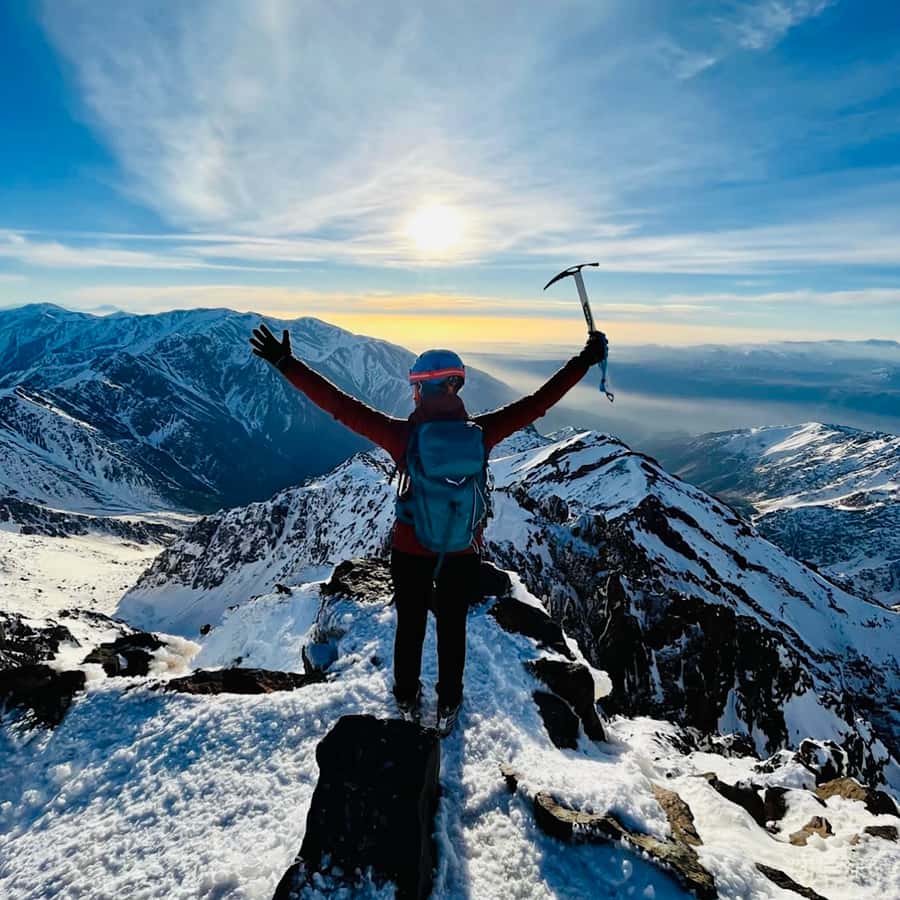
At $226 per person for 3 days, this trek is priced for a full-support mountain experience, not just a self-guided hike. Your included costs cover:
- a tour guide
- roundtrip transportation from Marrakech
- muleteers and mules for luggage
- accommodation (local house and refuge-style stays)
- 3 breakfasts, 3 lunches, and 3 dinners
What you’re not paying for (and must plan yourself):
- travel insurance
- personal expenses
- mountain gear (though you may find it easy to rent in some cases, based on review feedback)
From a value standpoint, the big win is that you’re not arranging logistics after you arrive in Morocco. Someone is driving you, someone is carrying the bulk of your luggage, someone is feeding you at the right times, and a guide is managing altitude pacing.
One more money-related reality: tips. While tipping isn’t spelled out in the core tour info, at least one review suggests having small cash for tips for your guide and muleteers. If you want to handle that thoughtfully, carry some local currency.
Gear checklist that actually helps on summit morning
Here’s what you should bring based on tour rules and what people repeatedly recommend in real conditions:
Non-negotiables
- Passport
- Hiking shoes with grip (scree is no joke)
- Warm clothing and a jacket
- Rain gear
- A camera if you care about sunrise views
- Headlamp (highly helpful for early starts; mentioned in reviews)
- A sleeping bag (recommended by the tour; also helpful if you sleep cold)
Smart extras
- Snacks (several reviews recommend having your own)
- ORS/electrolytes (also specifically recommended in reviews)
- A beanie (reported as useful near the summit)
- Trekking poles if you like them (one review mentions a guide lending poles)
Not allowed
- sandals or flip-flops
- sleeveless shirts
- slippers
And here’s the simple reason: you’ll hike for hours, then you’ll descend. Foot comfort and warmth keep you safe.
Fitness, weather, and safety: how hard is it and who should pass
Let’s be honest: this is a serious hike. The route is non-technical, but the elevation changes are real:
- Tazi Mzik Pass area work with meaningful uphill
- Tamsoult day: about +800m / -400m over ~11 km
- Aguelzim Pass day: about +1200m / -300m over ~10 km
- Summit day: big climb energy plus a long descent (about 8–9 hours, with ~14 km descent to Imlil noted)
If you’re generally active and can handle long uphill days, it can be doable. Multiple reviews explicitly frame it as a great challenge even for beginners who are willing to put in effort.
But don’t romanticize it. Avoid it if you:
- have high blood pressure (not suitable)
- are pregnant (not suitable)
- are very young (children under 2 are not suitable)
- are extremely elderly (over 95 years not suitable)
Weather is another factor. Storms can lead to route changes or shorter trips. One experience turned into a 2-day trek instead of 3 due to weather, with a Berber villages day added. That’s why you should pack flexible expectations: the mountain controls conditions.
Who this trek is best for
This trek is a strong match if you want:
- a small-group climbing experience
- a real summit goal at 4167m
- Berber village walking plus waterfalls, not just a single-viewpoint hike
- a guided day plan with mules and meals handled
It’s less ideal if you want:
- hotel-style comfort
- guaranteed hot showers on demand
- a totally predictable route regardless of mountain conditions
Should you book the 3-Day Mount Toubkal Climbing Trek?
I’d book this trek if you’re excited by the mix of effort and payoff: high altitude challenge, real mountain villages, and summit views that can reach far toward the Sahara on clear mornings. The value is strong for $226 because meals, transport, guiding, and luggage support are covered.
But book with the right mindset. Bring warm layers, plan for basic sleeping conditions, and don’t underestimate the summit day timing and descent length. If you want a “mostly easy walk,” skip it. If you want a guided mountain push that still feels authentic and personal, this is a solid choice.
FAQ
FAQ
How long is the Mount Toubkal trek from Marrakech?
It runs for 3 days.
What’s the highest point you’ll reach?
The summit of Mount Toubkal at 4167m.
What’s the maximum group size?
The group is limited to 14 participants.
What languages are the guides available in?
Arabic, English, and French.
What’s included in the price?
A tour guide, roundtrip transportation from Marrakech, muleteers and mules for luggage, accommodation at a local house/refuges, and 3 breakfasts, 3 lunches, and 3 dinners.
What should I bring?
You should bring a passport, warm clothing, a jacket, rain gear, hiking shoes, and a sleeping bag, plus a camera if you want.
Are sandals or slippers allowed?
No. Sandals/flip-flops and slippers are not allowed.
Where do I meet the team in Marrakech?
If your accommodation is outside the Medina, you wait at the hotel lobby. If you’re inside the Medina or your riad has no car access, the team confirms the nearest meeting point by WhatsApp about 24 hours before the trek.
Who is the trek not suitable for?
It’s listed as not suitable for children under 2, pregnant women, people with high blood pressure, and people over 95 years old.