REVIEW · MARRAKESH
From Marrakech: 3-Day Sahara Tour with Private tent & Meals
Book on GetYourGuide →Operated by RED CITY TRANS · Bookable on GetYourGuide
A Sahara trip can sound rushed. This one tries not to be. You get the Merzouga dunes moment with camel sunset, plus a proper cultural route through kasbah country.
What I like most is the mix: Aït Benhaddou (UNESCO) plus the tall drama of Todgha Gorges, not just sand. And I also like that you sleep in a hotel the first night, then switch to a Berber camp for the stars and music.
One thing to consider: the driving is long. If you get car sick, plan for it, and know that lunches are usually on you.
In This Review
- What makes this 3-day Sahara route special
- From Marrakech to Aït Benhaddou: crossing the Atlas the interesting way
- Dades Valley and Kasbah overnights: where the comfort really starts
- Todgha Gorges: the pause that makes the dunes feel earned
- Meeting the Erg Chebbi dunes: camel sunset is only half the story
- Berber camp night: dinner under stars and Tam Tam drumming
- Optional sunrise: early start, big reward
- Price and value: why this can feel like a bargain
- Guides and drivers: the real difference between good and unforgettable
- Camel ride, quad biking add-on, and sand activities: what’s worth your money
- Private tent upgrades: when it’s worth it (and when it’s not)
- Who this Marrakech to Merzouga trip fits best
- Should you book this 3-day Sahara tour from Marrakech?
- FAQ
- What’s included in the 3-day tour price?
- Are lunch and drinks included?
- Where do I sleep during the tour?
- Is camel riding included?
- Can I upgrade to a private desert tent with a private bathroom?
- Do you visit Aït Benhaddou and Todgha Gorges?
- Is quad biking included?
- How does pickup work in Marrakech and what languages are supported?
- Is the tour cancellable?
What makes this 3-day Sahara route special
- Aït Benhaddou, UNESCO: a fortified kasbah town tied to major film shoots
- Todgha Gorges time: you actually get room to walk and take photos
- Erg Chebbi camel sunset: the classic dune moment, timed for the light
- Berber camp dinner + music: Tam Tam drumming and an evening around the fire vibe
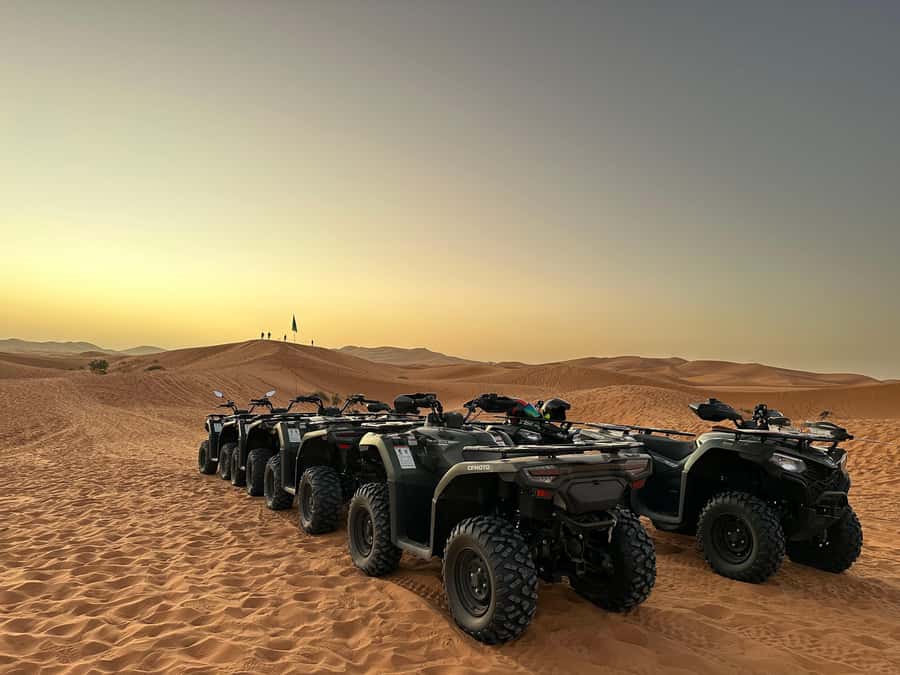
- Quad biking available: only if you choose the add-on option for the dunes
From Marrakech to Aït Benhaddou: crossing the Atlas the interesting way
Your morning starts with pickup in Marrakech and a drive that heads toward the High Atlas Mountains. You’ll be riding in an air-conditioned minibus, with luggage handled for you, which makes the long day feel more realistic.
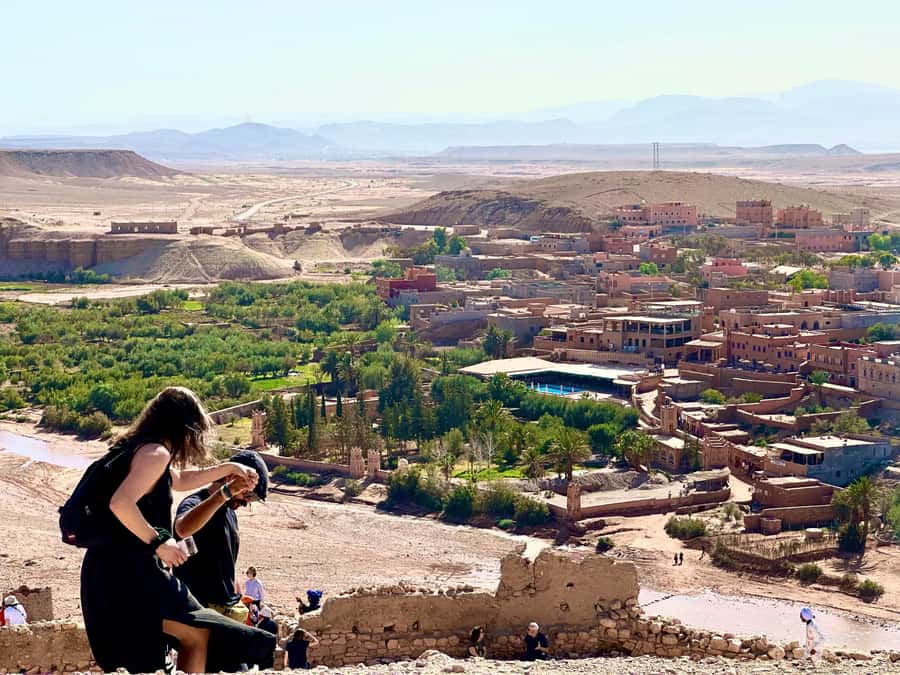
The big first “wow” stop is Aït Benhaddou. This UNESCO-listed fortified village is famous for how it looks and how it’s been used as a set for big productions, including Gladiator and Game of Thrones. Even if you’re not chasing film trivia, it’s an easy place to understand how these towns worked—thick walls, tight geometry, and a defensive layout built for harsh weather.
Here’s how to make the most of it: plan to move at your own pace during your leisure time. Go slowly enough to spot details in the kasbah walls and doorways, then regroup for lunch. Also, if you’re the type who hates crowd crush, early hours tend to be friendlier—one reason this route works well in practice.
You can also read our reviews of more tours and experiences in Marrakesh.
Dades Valley and Kasbah overnights: where the comfort really starts
After Aït Benhaddou, the drive continues through the “gate of the Sahara” region, with stops that keep the day from turning into endless highway time. You’ll pass through Ouarzazate, often called the gateway area for desert travel, and then push on toward Boumalne Dades (or sometimes nearby areas like Kelaat Mgouna).
This is where you’ll sleep the first night—usually in a hotel (included). Think of this night as functional, not magical. One thing I take from the experiences people share: the hotel is often just a place to rest and reset. That can be fine, because Day 2 is where the desert energy starts to hit.
Practical tip: pack a light layer for the evening. Mountain-to-desert travel can switch temperatures fast, and you’ll be grateful for something warm when you step outside the room.
Todgha Gorges: the pause that makes the dunes feel earned
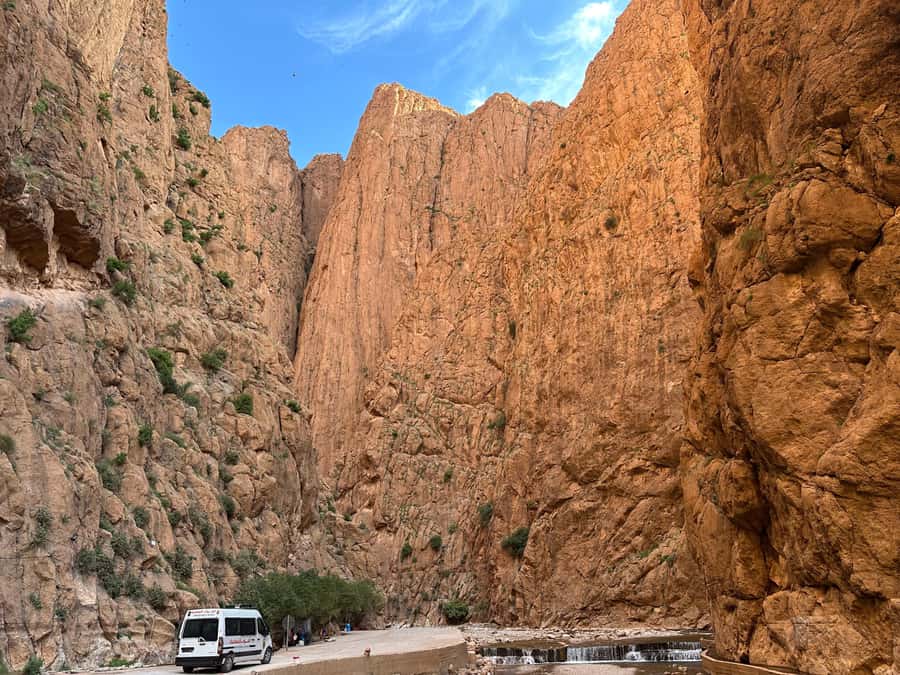
Day 2 has a strong shape: breakfast, then a drive toward Tinghir and the dramatic Todgha Gorges. These aren’t small viewpoints you glance at and move on from. You get free time to walk through the canyon area and take photos.
Todgha is a big deal because it breaks the trip into something human and grounded. After hours on the road, these towering gorges give you scale—stone walls, narrow paths, and that feeling of being surrounded by the scenery. It also helps your brain transition from “city desert dream” to “real desert geography.”
For this part, bring a bottle of water and plan comfortable shoes. Even if your walk is short, the ground can be uneven near canyon areas, and you don’t want sore feet right before the dunes.
Meeting the Erg Chebbi dunes: camel sunset is only half the story
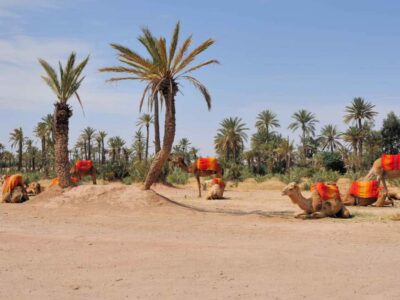
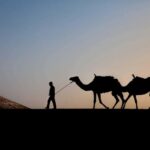
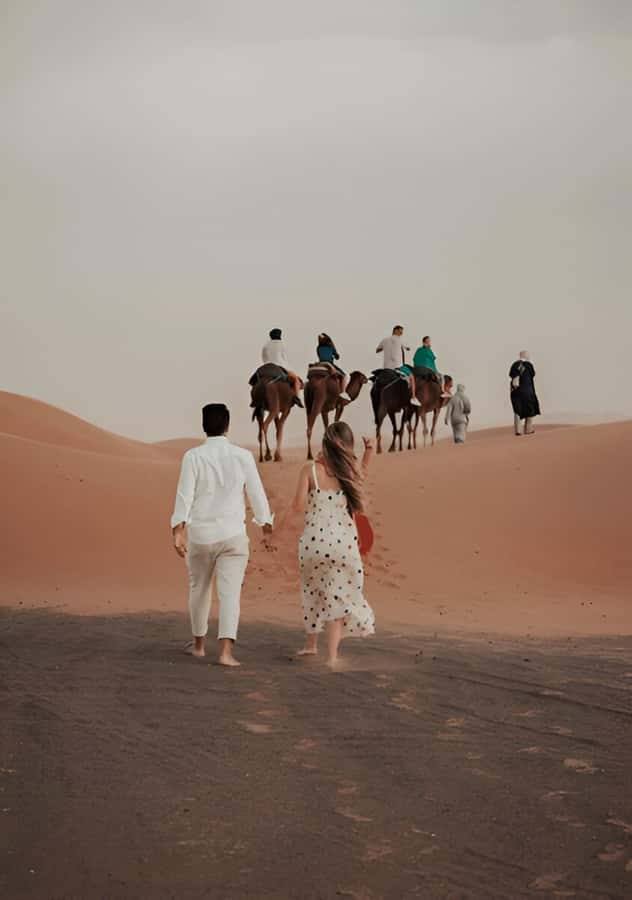
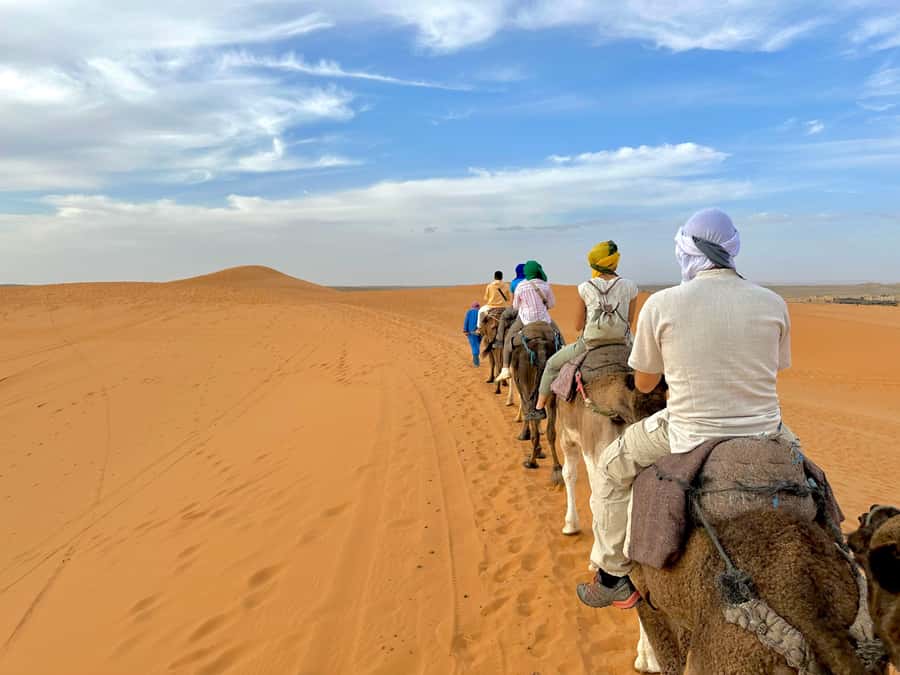
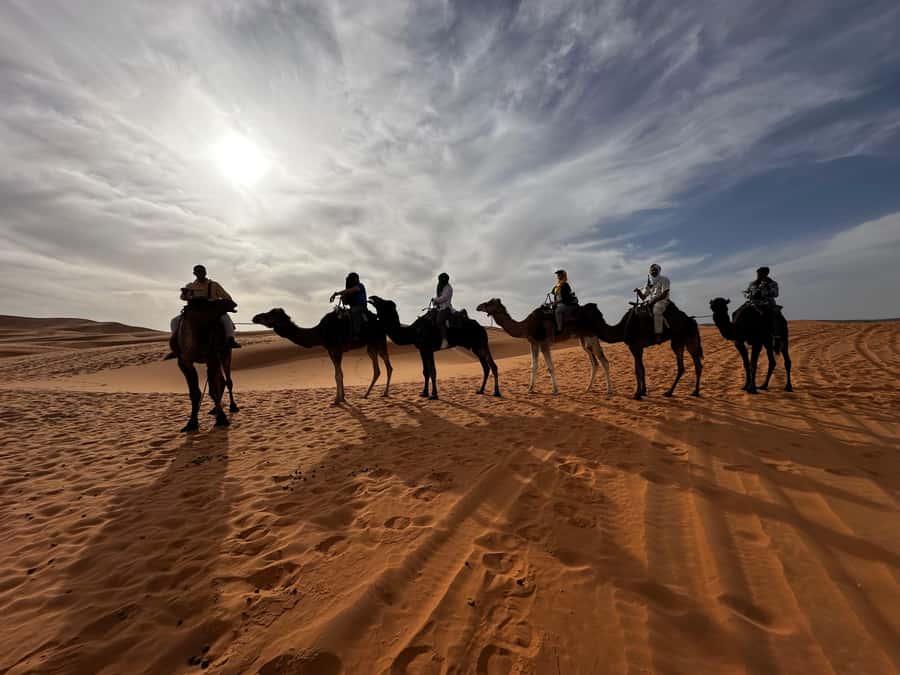
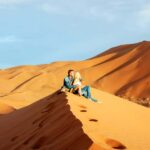
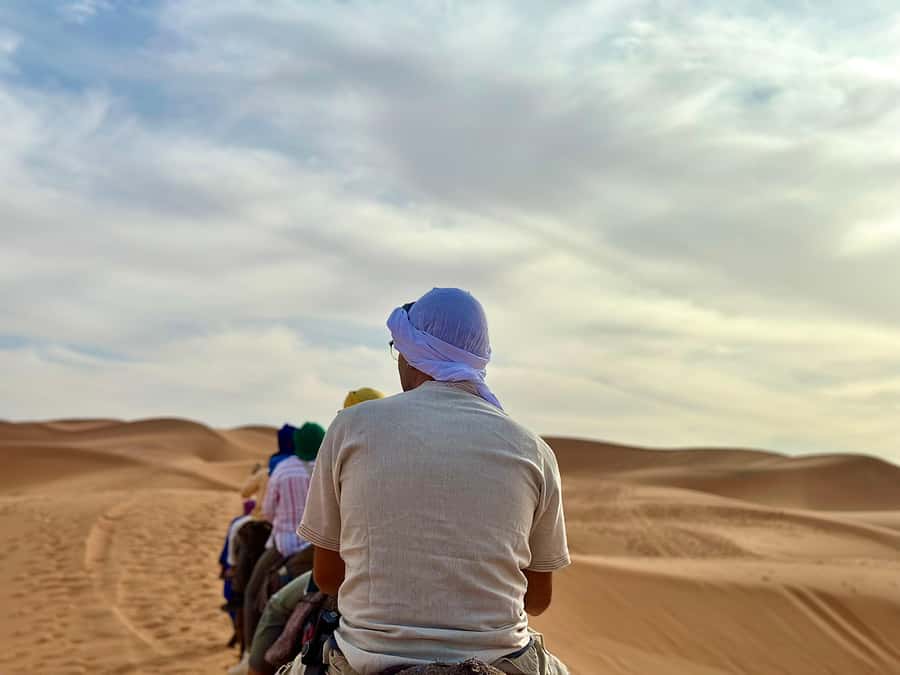
Then comes Merzouga and the dune area known as Erg Chebbi. This is the moment the tour is built around. You meet your camel caravan, ride through the dunes, and aim for the sunset—the classic timing because the light turns sand into something you can actually photograph.
I like that the camel ride is described as a planned part of the experience, not a random add-on you do in a hurry. Still, a fair heads-up: some people prefer the desert on foot more than on camel. If you’re unsure, think of the camel ride as the “route into the dunes,” and enjoy it for what it is.
Also, build your expectations around the timing. You’ll reach the camp before nightfall, which matters. It gives you a smooth handoff to dinner and the evening program instead of arriving late and rushing everything in the dark.
Berber camp night: dinner under stars and Tam Tam drumming
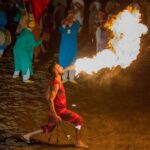
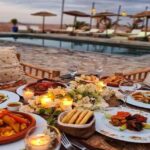
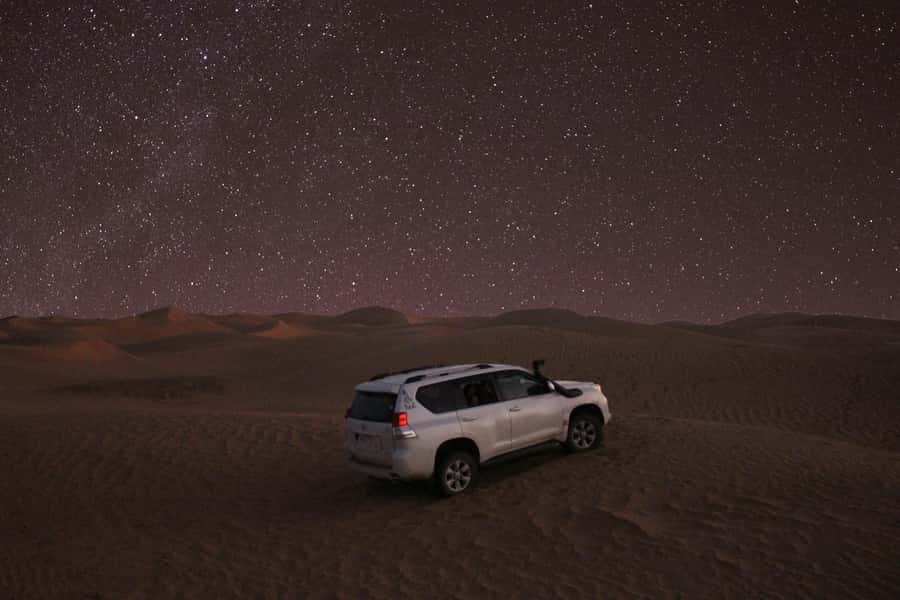
Sleeping under the stars is the whole point of the second night. Your camp experience includes an authentic Moroccan dinner and evening entertainment with local nomads and Tam Tam drums.
What makes this feel real (instead of like a staged show) is that the camp night is slow enough for you to connect with the moment. You’re not just eating and checking out. You’re watching the sky shift, listening to music, and doing the kind of simple “desert night” things that stick in your memory.
A practical note: desert nights can get cooler than you expect. One reason many people love these camps is that they find the tents comfortable and the food satisfying, but you still want warm layers for the hours after dinner.
Optional sunrise: early start, big reward
On the third morning, you can wake up early for sunrise (optional). If you do, it’s usually paired with breakfast afterward. Sunrise in the dunes tends to be a quieter, softer kind of magic than the sunset—more hush, more slow light, less performance.
If you skip sunrise, you can still enjoy a normal start before heading back. You just lose that extra dune glow moment.
Price and value: why this can feel like a bargain
At around $102 per person for a 3-day trip, this is priced to feel like a value play—especially if you compare it to what you’d pay to get transport and get into the desert region on your own.
Here’s the math that matters:
- You’re getting pickup and drop-off from Marrakech
- Air-conditioned transport for multi-day driving
- Two nights with meals: breakfast both mornings and dinner(s) included
- The camel ride is included
- Plus a camp experience with evening entertainment
Where costs can creep up is lunch and drinks. Lunch is not included, and people flag that restaurant lunches in the route can run higher than you want if you’re budgeting tightly.
So here’s the simple strategy: bring a snack or two you trust for the day, and expect to spend on lunch. It keeps the trip feeling like a good deal rather than a surprise bill.
Guides and drivers: the real difference between good and unforgettable
In a trip like this, the guide isn’t just ticket paperwork. They’re the person who keeps the schedule sane and the people comfortable.
From the experiences shared, names like Abdul, Rezikki, Bijad, Moncif, Faysal, and Ayoub show up as standout guides—often praised for being available, friendly, and good at handling questions. Drivers like Mustapha, Mustafa, and Amin also get credit for making the long drives feel safer and more tolerable.
You can’t always choose who you get. But you can choose how you show up: arrive on time for pickup, keep your essentials easy to grab, and ask your guide about the best time to move through stops like Aït Benhaddou.
Camel ride, quad biking add-on, and sand activities: what’s worth your money
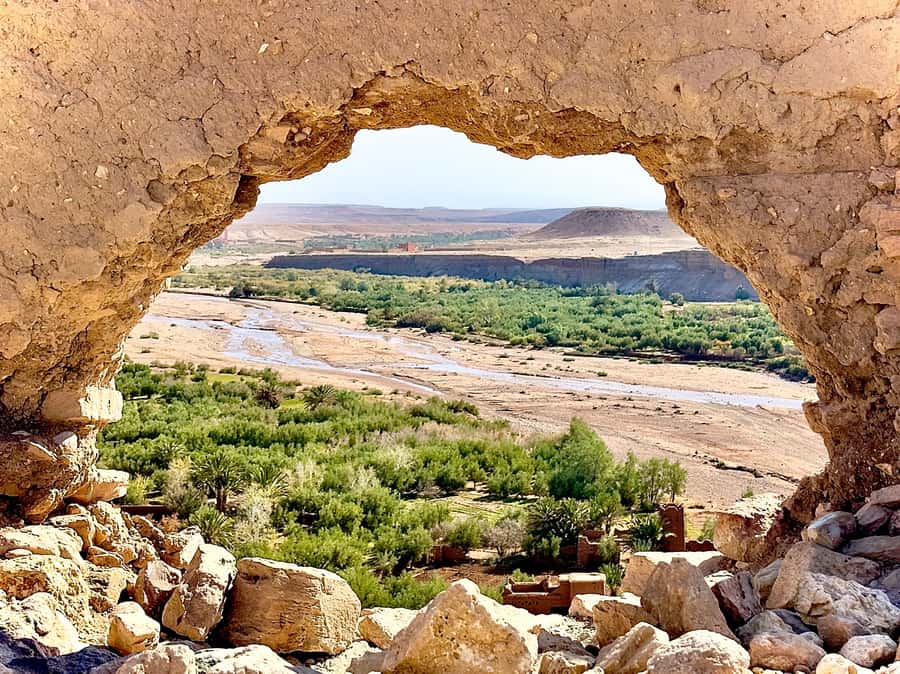
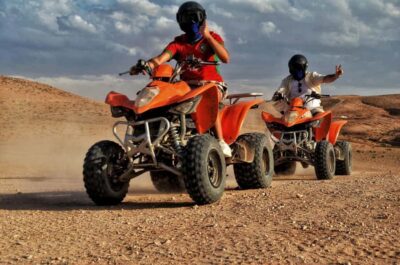
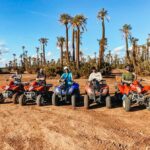
The tour includes the camel ride, and it also offers quad biking in Erg Chebbi dunes if you select the add-on option.
In practice, quad biking tends to be the kind of experience people remember because it turns the sand into a thrill ride. If that’s your style, add it. If you prefer a calmer desert pace, you might skip it and spend more time watching dunes shift as the light changes.
One caution I’d give: some people feel certain dunes extras don’t match what they expected. For example, there’s at least one experience where sandboarding was fun but not worth the additional price, with minimal instruction. So if an add-on is pricey, treat it like entertainment, not a lesson—and confirm what’s included before you pay.
Private tent upgrades: when it’s worth it (and when it’s not)
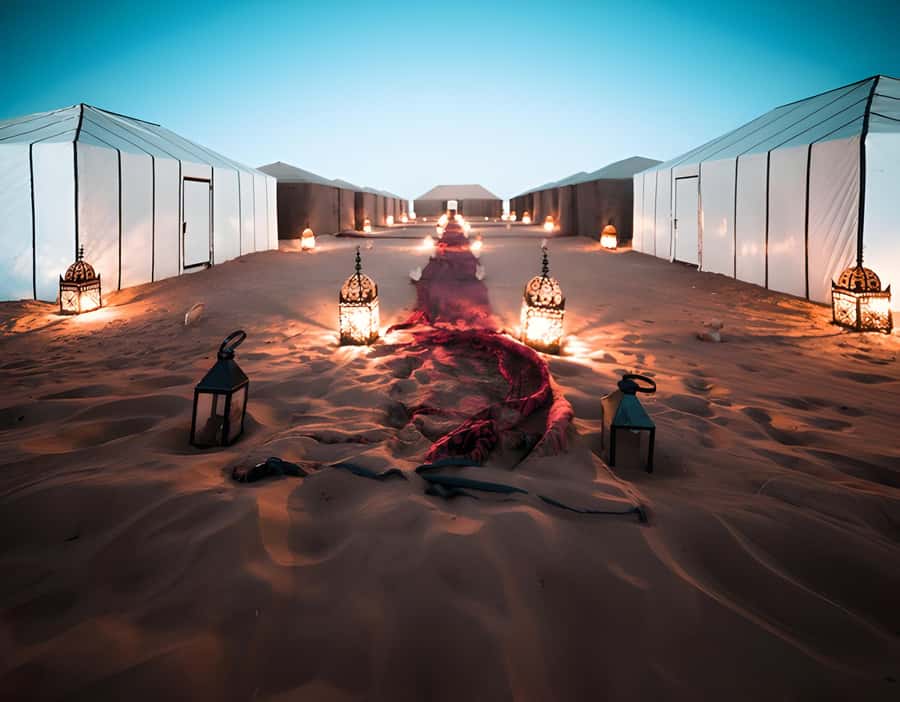
The big upgrade option is a deluxe Bedouin camp setup with a private tent and extra comfort features like an ensuite shower and bathroom facilities. It’s described as higher-end and described as 5-star style amenities, but you have to book this upgrade per person.
So who should consider the upgrade?
- You want more privacy in the camp
- You care about having a real private bathroom setup
- You’re sensitive to shared facilities
Who might skip it?
- You’re mostly there for the desert night and don’t mind “camp basics” if the bed is comfortable
- You’d rather spend the money on experiences outside the camp
Based on what people say, the camps themselves can be comfortable either way—but the upgrade is about reducing friction.
Who this Marrakech to Merzouga trip fits best
This tour makes sense if you want:
- A classic desert hit without planning every leg yourself
- Real cultural stops like Aït Benhaddou and Todgha Gorges
- Camel sunset and a camp night with local music
It’s less ideal if:
- You get car sick easily. The drive is long, and even with breaks it can wear you down.
- You hate group pacing. Even private-group options still follow a shared route through sites and stops.
If you’re traveling with friends and want a shared adventure, it’s a strong format. If you want total freedom to wander, you may feel more constrained.
Should you book this 3-day Sahara tour from Marrakech?
Yes, if your priority is the Merzouga dunes experience plus meaningful stops like Aït Benhaddou and Todgha Gorges, and you’re okay with long driving. At this price point, the included meals, camel ride, and desert camp night help it feel like good value.
Before you click book, I’d do three quick checks:
- Pack for road time (water, snacks, warm layer for nights).
- Budget for lunch and drinks, since those aren’t included.
- Decide if the private tent upgrade matters to you, or if basic camp comfort is enough.
If you tick those boxes, you’ll likely end the trip with the main thing people hope for: sunset light on Erg Chebbi, dinner under stars, and the sense that Morocco’s desert route is more than just sand.
FAQ
What’s included in the 3-day tour price?
Pickup and drop-off, transport by air-conditioned minibus, the first night in a hotel, the second night in a desert camp, 2 dinners, 2 breakfasts, camel ride, luggage service, and quad biking in Erg Chebbi dunes if you select the add-on.
Are lunch and drinks included?
No. Drinks and lunch are not included.
Where do I sleep during the tour?
You’ll sleep one night in a hotel on the way and one night in a desert camp in Merzouga/Erg Chebbi area.
Is camel riding included?
Yes. A camel ride is included as part of the desert experience.
Can I upgrade to a private desert tent with a private bathroom?
Yes. There is an upgrade option for a deluxe desert camp with a luxury private tent and ensuite shower/bathroom facilities. It’s booked per person.
Do you visit Aït Benhaddou and Todgha Gorges?
Yes. The route includes time at UNESCO-listed Aït Benhaddou and stops for Todgha Gorges with free time to explore.
Is quad biking included?
Quad biking is included only if you choose the option in the add-ons for Erg Chebbi dunes.
How does pickup work in Marrakech and what languages are supported?
Pickup is included, and you’ll receive pickup information via WhatsApp the day before. The driver works in English, French, and Spanish.
Is the tour cancellable?
Yes. You can cancel up to 24 hours in advance for a full refund.
If you want, tell me your travel month and whether you prefer camel-and-camp pace or more action (like quad biking), and I’ll help you decide the best add-ons and packing priorities.