REVIEW · MARRAKESH
Marrakech: 2-Day Atlas Mountains Trek with Village Stay
Book on GetYourGuide →Operated by Marrakech Day Trips - Tours · Bookable on GetYourGuide
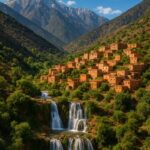
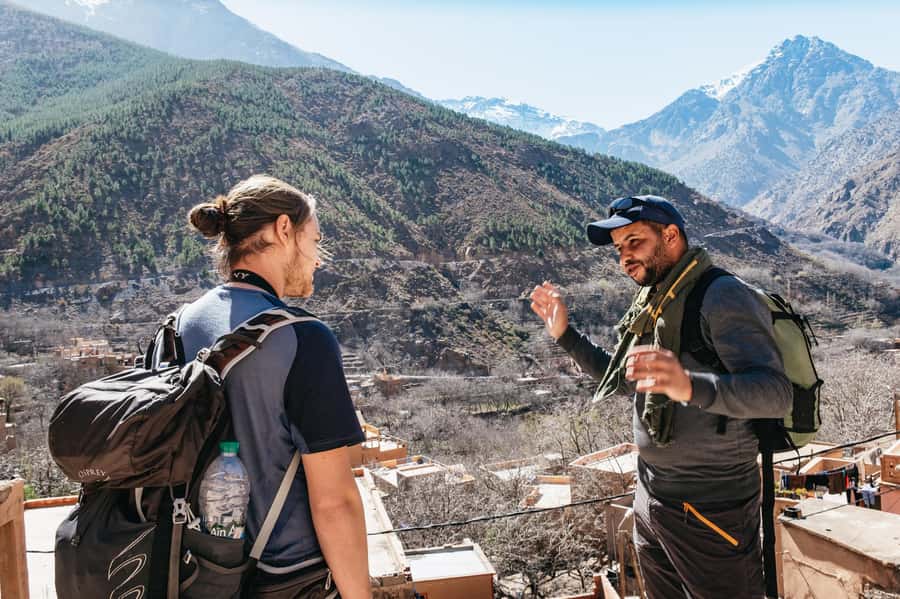
Two days later, Marrakech feels a world away. This High Atlas trek trades Medina noise for mountain villages, Berber hospitality, and big views that make you stop just to stare. You’ll hike from Imlil through valleys and passes, then overnight as a guest before returning to Marrakech.
What I like most is how much you actually experience: real time walking through places like the Azzaden Valley and time with people in villages such as Tizi Oussem. I also love that the food is part of the adventure, with lunch breaks in the mountains and an authentic tagine dinner that keeps you fueled for the next climb.
The main consideration is cold nights, especially in winter. Many mountain stays don’t have real heating, so you’ll want serious layers and a sleeping setup that keeps you warm after the sun drops.
In This Review
- Key Highlights Worth Booking For
- Getting Out of Marrakech: The Drive to Imlil and the High Atlas Setup
- Day 1 Through the Azzaden Valley: Tizi Mzik Pass to Tizi Oussem
- Overnight Berber Life: Tagine Dinner, Blankets, and Mountain Quiet
- Day 2 Over the Passes: Id Issa, Tizi Oujdid, Matat, and a Walnut Grove Lunch
- Pace, Fitness, and Footing: What You Should Expect to Feel
- Food and Water: Moroccan Meals That Actually Fuel the Hike
- Gear Checklist: The Stuff That Will Save Your Back and Your Temper
- Price and Value for $96: What You’re Getting Beyond the Walk
- Who This Trek Suits (and Who Should Skip It)
- Should You Book This Marrakech-to-Atlas 2-Day Trek?
Key Highlights Worth Booking For
- Village stay that feels local, not a staged photo stop
- Tizi Mzik and Tizi Oujdid passes for classic High Atlas views
- Mount Toubkal viewpoints without needing to summit
- Guided hikes at a steady group pace, with options on rough sections
- Home-cooked Moroccan meals that don’t skimp on portions
- Mules for luggage so your daypack stays manageable
Getting Out of Marrakech: The Drive to Imlil and the High Atlas Setup
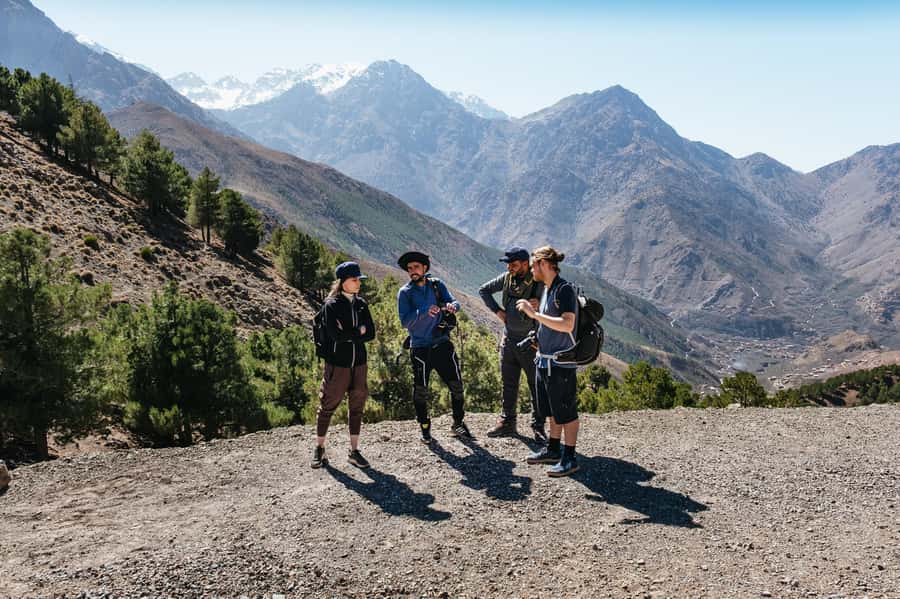
Most departures start with hotel pickup in Marrakech and a scenic ride into the High Atlas area. The route passes through places like Tahnnaout, Oued Ghighaya, and Asni, which is a nice warm-up: you see valley life changing as the mountains get closer. It’s not just “getting there.” You’re already transitioning from city streets to mountain roads.
From there, your day begins in Imlil, a common base for Atlas trekking. You’ll meet your trekking crew and usually start with mint tea—sweet, comforting, and perfect for settling in before hiking. Then you’re off toward the walking portion of the adventure, guided the whole way.
Small group size matters here (maximum 14). On a hike with changing terrain, it helps you move as one group instead of waiting around too long for stragglers. And because the guide speaks Arabic, English, French, Spanish, and German, you’re not stuck with a one-language-only setup.
You can also read our reviews of more tours and experiences in Marrakesh.

Day 1 Through the Azzaden Valley: Tizi Mzik Pass to Tizi Oussem
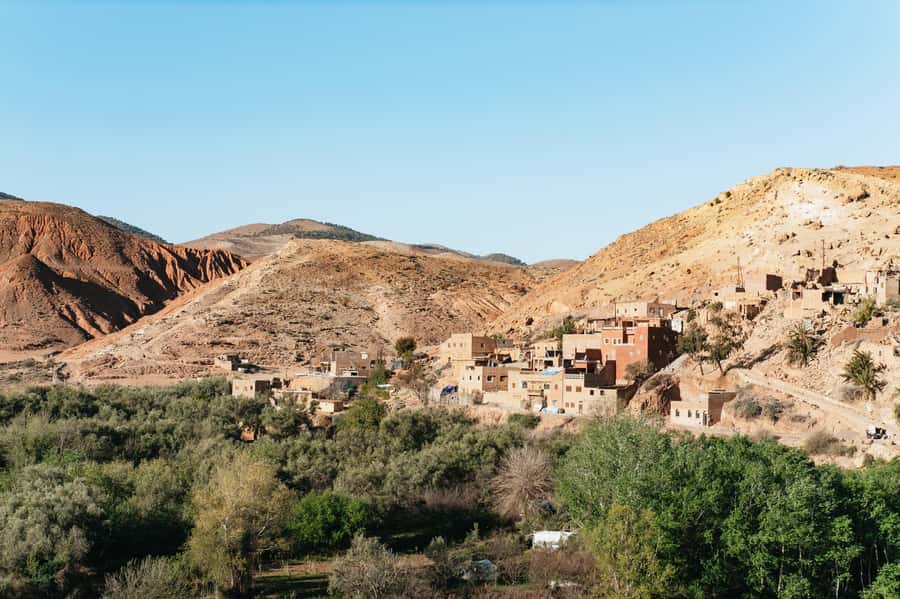
Day one is all about the classic High Atlas feel: wide valley views, quick changes in elevation, and villages tucked into mountain folds.
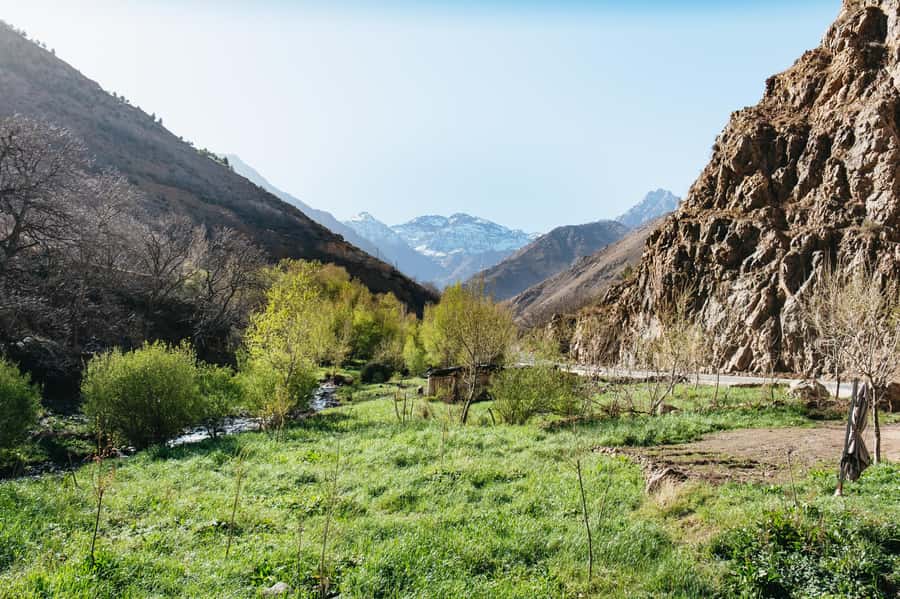
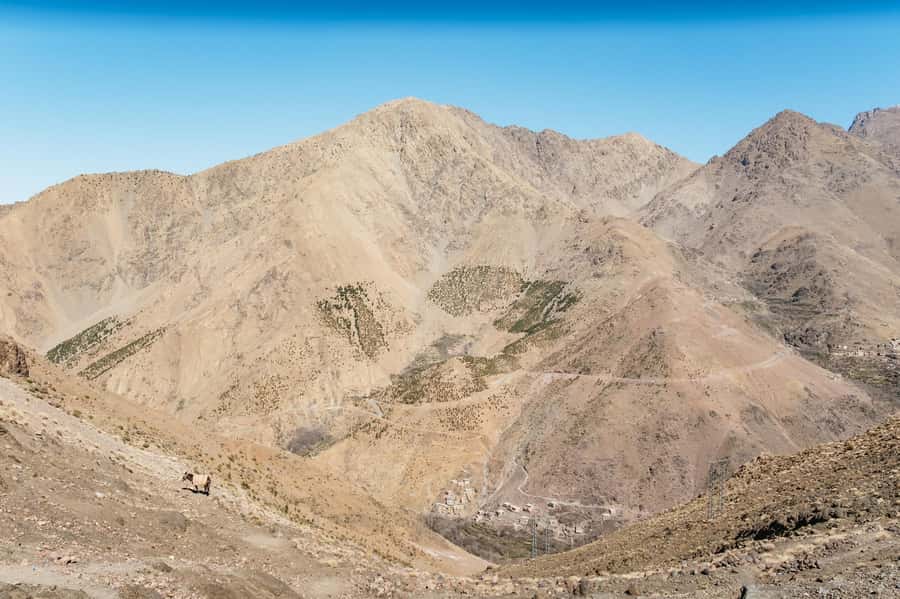
You’ll hike through the Azzaden Valley via Tizi Mzik pass. This is where those panoramic looks happen—big enough that your phone will run out of storage before your awe does. Expect rougher, rocky bits mixed with easier walking. People describe it as a mix of straightforward paths and sections that ask for attention underfoot.
You also get a clear rhythm to the day:
- a climb toward a pass,
- a lunch break at the top (so you eat with views),
- then a descent through a juniper forest toward Tizi Oussem.
That juniper stretch is a welcome change. Trees break the glare and give you something calmer than open rock slopes. When you reach Tizi Oussem, it feels like you’ve dropped into a different pace of life—quiet, local, and grounded.
In terms of hiking time, the trek is designed for about 5 to 6 hours of hiking each day. In practice, the exact time can vary with route conditions and your group’s pace. Some hikers report closer to 3–4 hours on a given day, while others keep a longer walking window depending on how often you stop for photos and viewpoint explanations.
Overnight Berber Life: Tagine Dinner, Blankets, and Mountain Quiet
The most memorable part for me is the overnight experience. You don’t just “pass through” a Berber area—you stay as a guest at a traditional mountain site (often described as a guesthouse/riad in a high-altitude village setting).
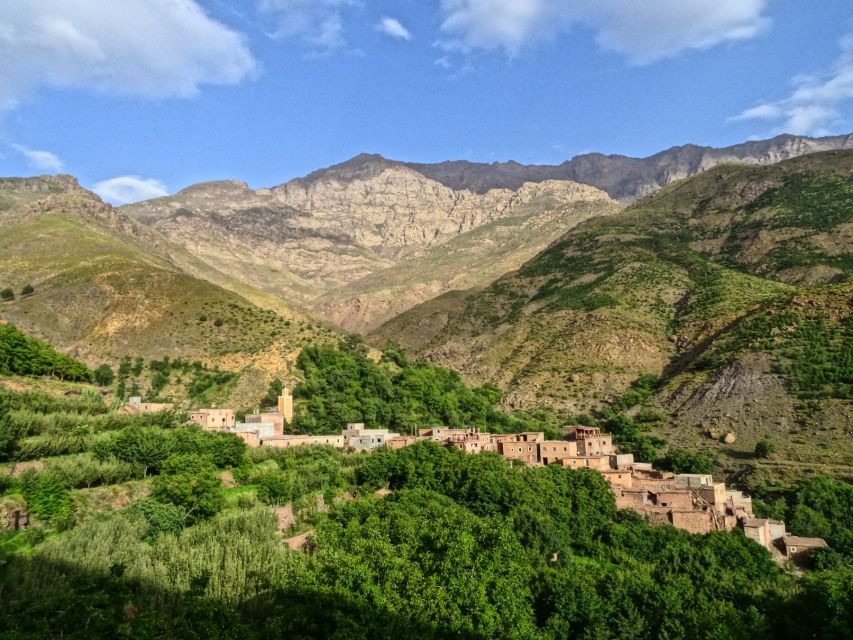
You’ll meet locals, learn about day-to-day mountain life, and share in the simple comforts that matter up here: warm tea, shared stories, and food that tastes like it was made for hikers who actually walk for their dinner.
Dinner is usually a traditional Moroccan tagine, and you’ll also have a cook and crew handling the meal plan so you don’t end up doing the wrong kind of backpacking. Many people highlight that portions are generous, which matters because day two still brings elevation and more passes.
Now, about sleeping: multiple hikers emphasize that it can get very cold at night in winter and that there may be no heating source—just blankets. That’s not a deal-breaker, but it is a real packing issue. Even if your daytime clothing is fine, nighttime temperatures can drop quickly once the sun goes.
The trek provides sleeping bags, which helps, but if you’re sensitive to cold, a warm hat, thick socks, and extra layers make a noticeable difference. I’d also consider a sleeping bag liner if you want extra insulation.
Day 2 Over the Passes: Id Issa, Tizi Oujdid, Matat, and a Walnut Grove Lunch
Day two starts with breakfast, then you’ll hike toward Id Issa village. There’s a specific pleasure to second-day trekking: you’re already warmed up with “how this route works,” and the valley often looks different in morning light—less dramatic glare, more clarity.
From Id Issa, you continue hiking through Tizi Oujdid pass, passing through Matat along the way. Pass days can feel longer even when your walking time isn’t huge, because the terrain asks you to keep your footing and manage effort. Guides tend to keep the group moving safely, and many hikers appreciate that you aren’t forced into a single hard pace.
You’ll then reach a calmer, restorative moment: a walnut grove lunch near a river. This is the kind of stop that feels like a reset button. You get shade, water nearby, and a change from rocky hillside walking. After that, it’s downhill and back toward Marrakech with late-afternoon drop-off.
One of the trekking highlights is getting views of Mount Toubkal from viewpoints during the experience. Even without summiting, that sight helps you understand why so many people come to the Atlas in the first place.
Pace, Fitness, and Footing: What You Should Expect to Feel
This trek is built for people who can comfortably hike for sustained blocks of time. You should expect:
- 5 to 6 hours of hiking each day (on the plan),
- rocky and sometimes steep sections,
- altitude that can make the pace feel harder than expected even when the distance isn’t extreme.
Most hikers describe it as accessible to beginners with enthusiasm—but not an easy stroll. In the snow season, traction and footing become even more important, and guides may shift routes around weather or blocked paths.
From the on-the-ground feedback, here’s what matters most:
- Wear boots with grip, not just trainers.
- Bring waterproof or water-resistant shoes if you’re going in when snow or wet patches are possible.
- Consider hiking poles. Even if you don’t use them constantly, they help on steep descents and uneven ground.
Pace is usually handled well by the guide. People often mention that the guide checks in, adjusts the rhythm for slower hikers, and offers confidence on steep rocky slopes. If you need a few short pauses, most groups are set up for that kind of real-world hiking.
Also: summer vs winter changes everything. Summer hikes can feel hot on the climb, while winter hikes bring cold mornings and colder nights. Either way, layer planning makes or breaks comfort.

Food and Water: Moroccan Meals That Actually Fuel the Hike
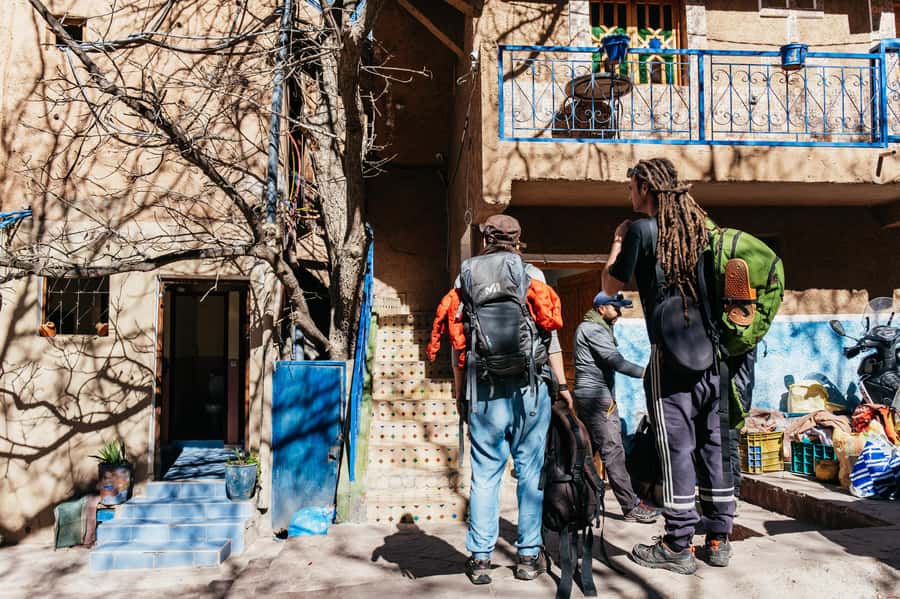
The trek includes all meals (lunches, dinner, and breakfast), plus coffee and tea. That’s a big part of why this option feels good value: you’re not planning snacks all day or trying to find food in small mountain villages while your legs demand fuel.
Lunches happen at scenic points—like a meal at the top of Tizi Mzik—and day two ends with that walnut grove stop by the river. Dinner is typically tagine at the overnight site, and breakfast starts day two so you’re not scrambling in the morning.
One practical note: water. Some hikers mention needing to buy bottled water during the route. That doesn’t mean you’re out of luck, but it does mean you shouldn’t assume unlimited water is available all the time. If you’re unsure, plan to bring a refillable bottle and some cash for water purchases when needed.
Gear Checklist: The Stuff That Will Save Your Back and Your Temper
The tour gives you a sleeping bag, but you still need the basics. The provided guidance is solid:
- comfortable shoes
- sunglasses
- sun hat
- camera
- sunscreen
I’d add the “winter reality” items that show up again and again when people hike in colder months:
- warm layers for evenings (even if days feel fine),
- gloves,
- thick socks,
- a warm hat,
- a buff or face covering if wind bites.
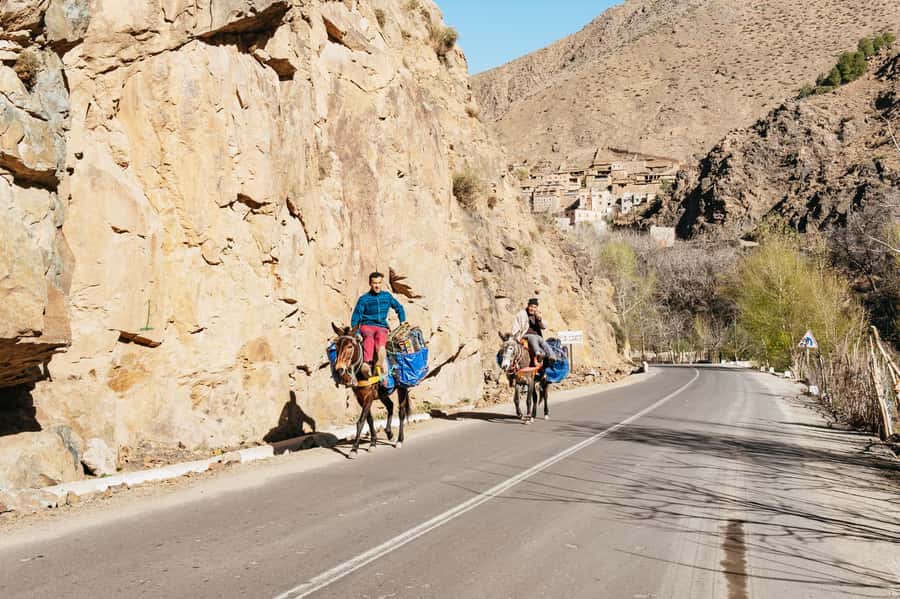
Also remember: daypacks are yours, but mules carry luggage. That’s great. Keep your day load sensible—what you need immediately stays with you; extra layers and nighttime items can go with the mule so you’re not hauling everything on your back.
Price and Value for $96: What You’re Getting Beyond the Walk
At $96 per person for 2 days, this trek looks affordable on paper, and it holds up because the “hidden costs” are covered. You’re not just buying a guide for an hour. You get:
- guided hiking,
- a cook (and kitchen setup for meals),
- muleteers and mules for luggage,
- all meals plus coffee and tea,
- 1-night accommodation,
- hotel pickup and drop-off in Marrakech,
- and sleeping bags.
In other words, you’re paying for the full operating system that makes a mountain stay possible. That matters if you don’t want to manage logistics, find food, or negotiate your way through mountain transport.
The small group cap (up to 14) also improves the feel of the trip. You’re not stuck in a huge crowd where the slowest person becomes the bottleneck.
The only “cost” you’ll pay is personal comfort if you show up unprepared for cold nights or skip proper footwear. Get those right, and it’s strong value.
Who This Trek Suits (and Who Should Skip It)
This is a good match for you if:
- you want an active break from Marrakech,
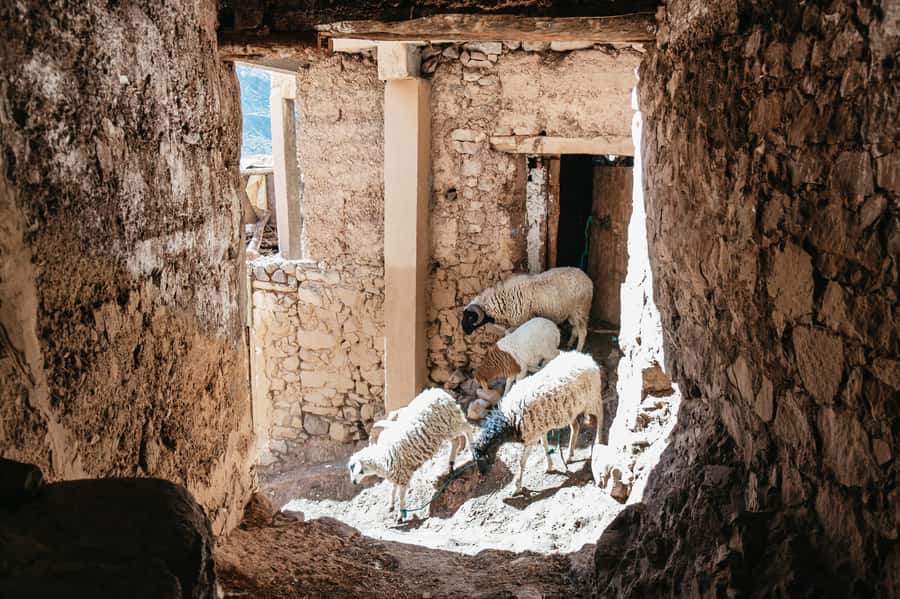
- you like village visits and don’t mind that accommodation is simple,
- you’re okay with some steep or rocky walking,
- you can handle hiking for several hours across two days.
It’s also a strong option for solo travelers because the group setup stays small, and the guide and crew keep everyone moving together.
It’s not suitable for pregnant women, as stated.
If you’re extremely mobility-limited, you might find the passes and uneven footing frustrating. But if you’re a regular walker and can handle a steep descent carefully, this trek tends to work well—especially with a guide who keeps the pace manageable.
Should You Book This Marrakech-to-Atlas 2-Day Trek?
Yes—if you want an honest Atlas experience with real mountain villages and food that’s included, this is a great call. The combination of Tizi pass viewpoints, overnight Berber hospitality, and guided pacing is exactly what makes a two-day trek feel complete instead of rushed.
Before you book, do two quick reality checks:
- Can you hike 5 to 6 hours on a rocky route, at altitude, for two days?
- Are you prepared for cold nights in the mountains, especially if you’re going in winter?
If you say yes to both, you’ll likely love how quickly this trek turns the Atlas into the main character of your trip.