REVIEW · MARRAKESH
Marrakech: Colorful Medina Souks Guided Walking Tour
Book on GetYourGuide →Operated by Marrakech Guided Experience · Bookable on GetYourGuide
Souks can overwhelm fast, unless you have a guide. In Marrakech, this 3-hour Medina souk walk turns the maze into a route you can actually follow, starting near Jemaa el-Fnaa. I love that the tour mixes big sights with smaller lanes where people are working, and guides like YaYa and Mo seem to know exactly where to take you first.
Two things I really like: you get clear structure for the souks, so it feels less like wandering and more like understanding how the city trades, and you’re not stuck at only tourist counters. The tour also builds in stops that connect to real daily life, like craft-focused streets and places where you can learn about (and buy) things such as herbs, jewelry, metalwork, rugs, and pottery.
One possible drawback: you will do a lot of walking through tight lanes, and the souk setting can come with the usual sales energy. If you dislike bargaining or crowds, you’ll still be fine with the right mindset, but go in ready to move on quickly and politely.
In This Review
- Key Things That Make This Souk Tour Worth It
- How the 3-Hour Souk Walk Feels in Real Life
- The Start at Café de France: A Quick Setup Before the Maze
- Jemaa el-Fnaa: The Energy Before You Go Underground
- Souk Semmarine: Where Shopping Gets Specific
- Rahba Kedima: A Courtyard Pause That Helps You Reset
- Souk Cherifia: Craft Streets and the Why Behind the Goods
- Deeper into the Medina: More Local Lanes, Less Tourist Route
- How Bargaining Works Here (And How Not to Get Stressed)
- The Guides Are a Big Part of the Value
- Shared vs. Private: Which One Fits Your Style?
- Practicalities You’ll Care About: Time, Pickup, and What’s Included
- Photo Moments and Stops That Make It More Than Shopping
- Should You Book This Marrakech Souk Tour?
- FAQ
- How long is the Marrakech Medina souks guided walking tour?
- How much does the tour cost?
- Is this tour shared or private?
- Where do we meet for the tour?
- Is hotel pickup included?
- What languages are offered for the live tour guide?
- What is included in the price?
- What is not included?
- Can I cancel and get a refund?
Key Things That Make This Souk Tour Worth It
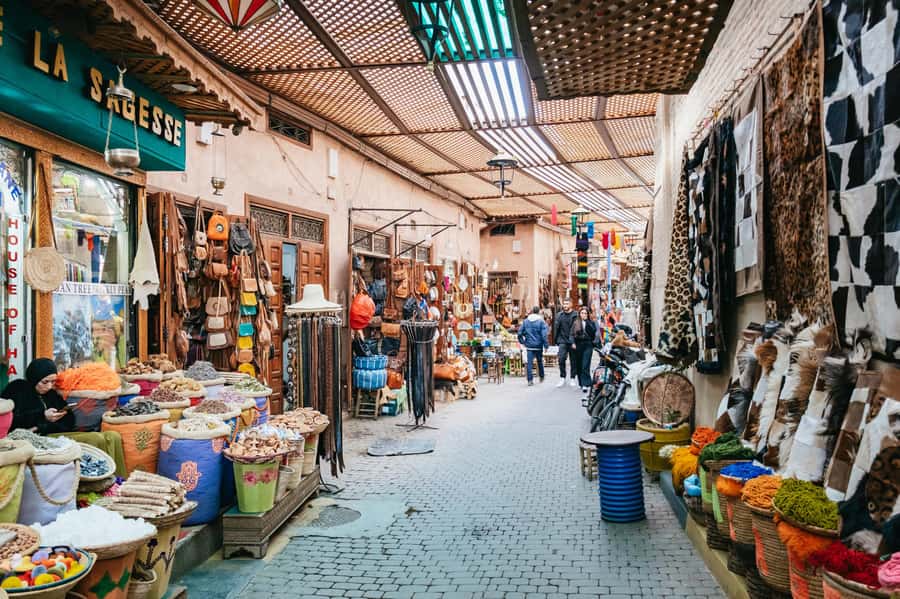
- Insider pacing through the Medina so you’re not lost after 10 minutes
- Artisan-focused stops tied to specific crafts like metalwork, herbs, and rugs
- Bargaining practice with a guide who helps you talk prices without stress
- Real local guidance from guides with Medina roots (names like Hakim, Ismail, Ali, Abdel show up a lot)
- Two tour styles: shared group or private, so you can match your comfort level
- A practical start at the lively squares before you head into the narrow lanes
How the 3-Hour Souk Walk Feels in Real Life
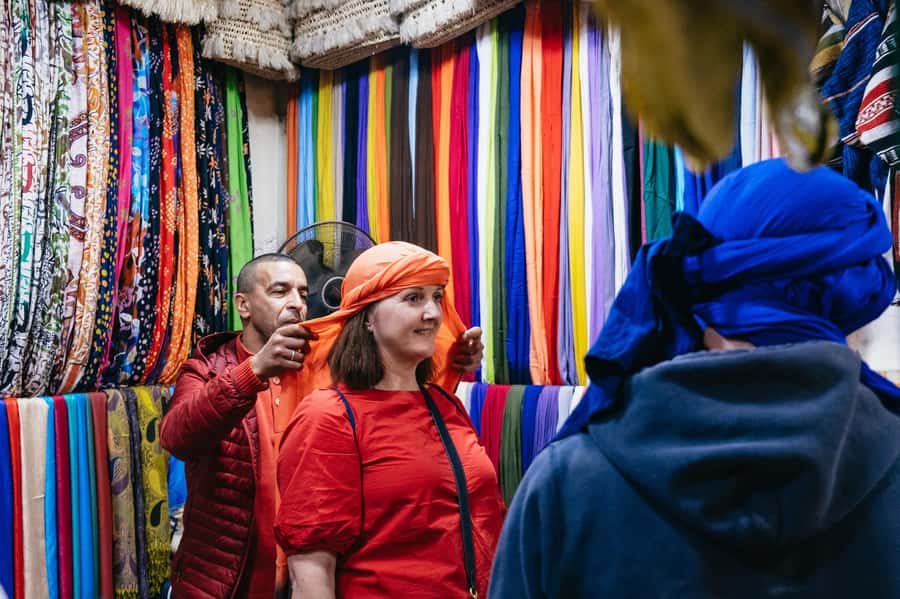
This is a straightforward walking tour built for the Medina’s main problem: it’s big, confusing, and easy to miss what matters. The whole point is that you get a guided line through the busy market world, plus time at the places people actually go for goods, not just for photos.
It’s also good value at $20 per person because you’re paying for more than a route. You’re paying for a guide who can explain what you’re seeing, help you navigate craft zones, and make negotiating feel like a normal part of shopping rather than an awkward sport.
You’ll choose between a shared group option (more social, often a little cheaper) or a private tour (better if you want flexibility, slower pacing, or a question-heavy style). Either way, the tour is designed around short stops and walking breaks so you don’t wear out before you hit the best parts.
You can also read our reviews of more tours and experiences in Marrakesh.



The Start at Café de France: A Quick Setup Before the Maze
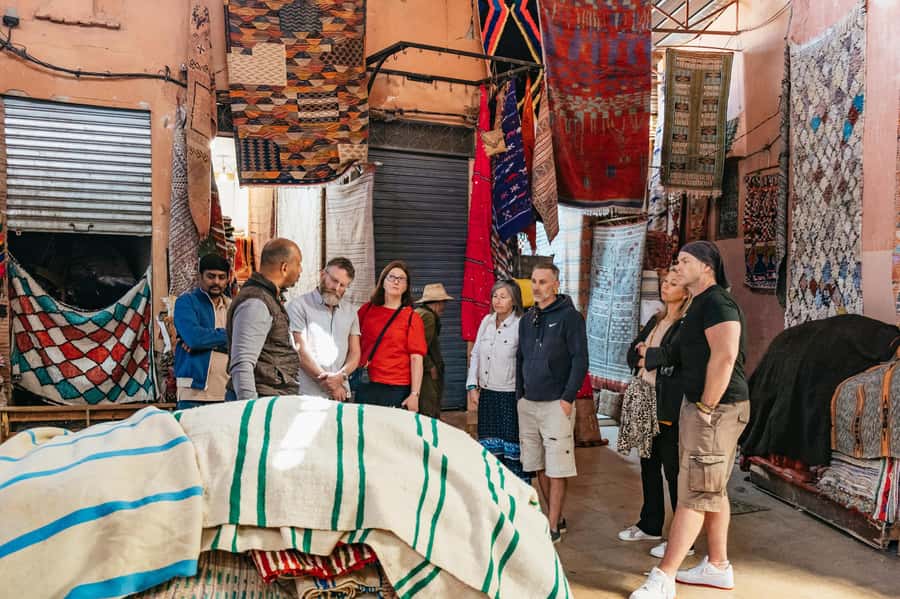
The tour often begins with a short photo stop and visit at Café de France. It’s a useful warm-up because it places you near the action before you plunge into the Medina lanes.
In practical terms, this kind of start matters. You’re more likely to remember landmarks and turn directions later, so your future self has an easier time when you go back on your own.
Jemaa el-Fnaa: The Energy Before You Go Underground
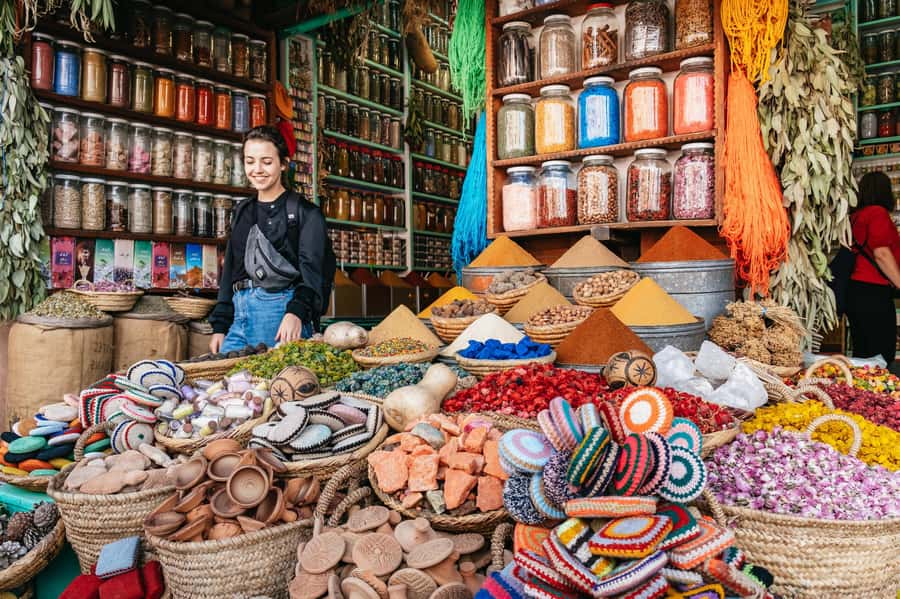
From there, you head to Jemaa el-Fnaa for another photo stop plus a short guided walk. This is where Marrakech shows you its volume: street life, movement, and the beginning of that Medina “everything is connected” feeling.
A good guide makes a big difference here. You’ll learn what’s happening and why certain streets and market areas connect, so the Medina doesn’t feel random once you move deeper into the souks.
Souk Semmarine: Where Shopping Gets Specific
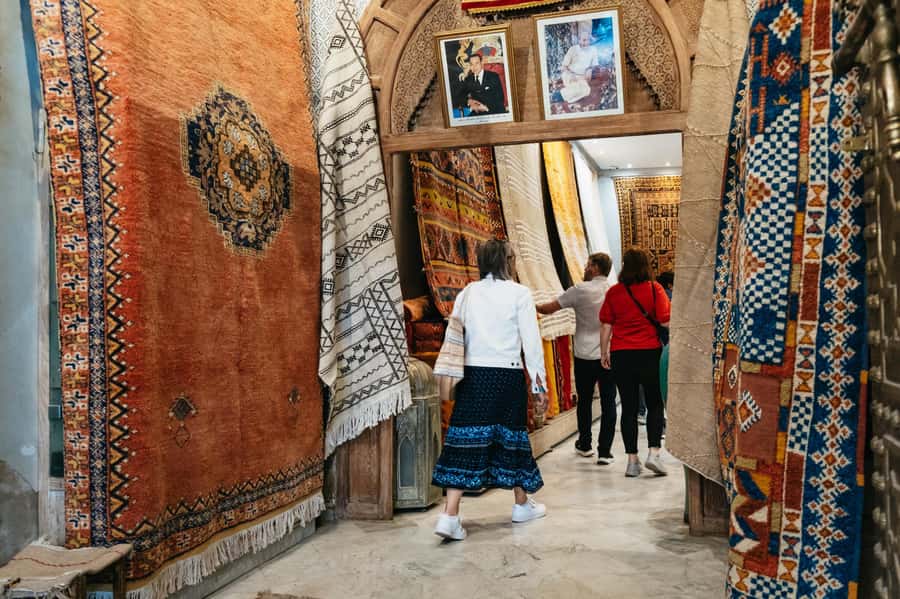
Next comes Souk Semmarine, with a longer guided walk time. This is one of the sections where shopping becomes more focused because you’re moving through craft-and-seller zones rather than generic streets.
What I like about this part is the way it builds confidence. If it’s your first day, it’s easy to feel overwhelmed. With a guide, you can slow down at the stalls that match what you actually want—things like slippers, woodwork, brass/iron/bronze items, jewelry, kaftans, and more—without wasting time.
And yes, you’ll get real chances to shop. The tour language is practical: you’re there to see goods and learn what they are, not just to look at shiny displays.
Rahba Kedima: A Courtyard Pause That Helps You Reset
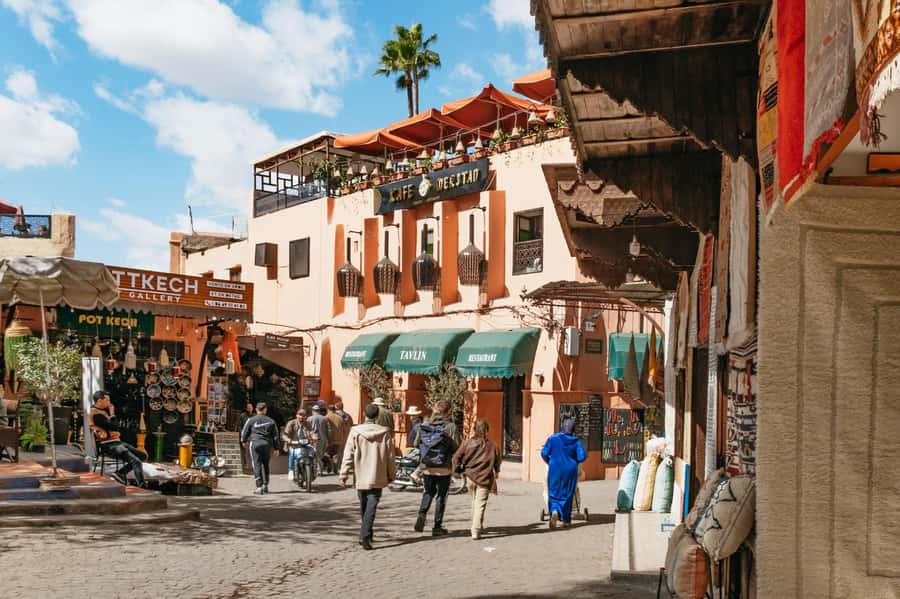
Then you head to Rahba Kedima, a shorter stop designed to keep the tour balanced. I like these mid-tour checkpoints because they give you a mental reset.
This matters because the Medina can feel like nonstop motion. When you get a moment in a different type of space, you can refocus on what you’re seeing—materials, workmanship, and shop layout—so bargaining later feels easier.






Souk Cherifia: Craft Streets and the Why Behind the Goods
At Souk Cherifia, the tour continues with a guided stop that’s geared toward understanding how the Medina sections work. This is where you start picking up patterns: which areas lean toward which products, and how the shops fit into the bigger city rhythm.
From the guide style people describe, the best moments aren’t just the purchases. It’s when you understand what you’re looking at—like how crafts are made, why certain materials are popular, and what to ask before you buy.
If you like learning while you shop, this is the portion you’ll probably enjoy most.
Deeper into the Medina: More Local Lanes, Less Tourist Route
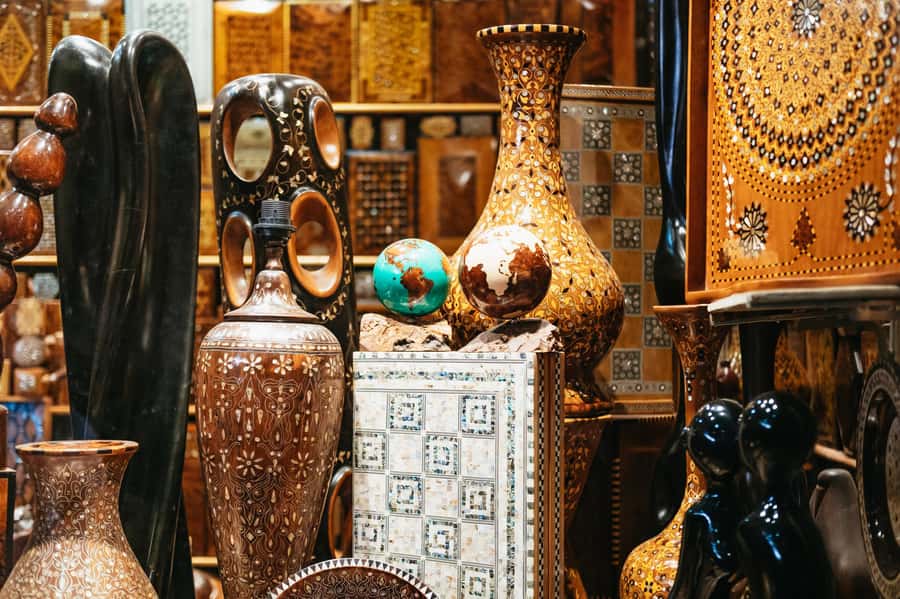
The tour then moves into the wider Medina area for a guided walk. The value here is the chance to see behind the curtain of the main square routes.
Many guides are praised for taking people into smaller lanes and off-the-main-street areas where artisans are working. That’s a big deal if you care about authenticity, because you’re less likely to get stuck only in the most obvious display-heavy streets.
It’s also where shopping becomes more personal. You can talk directly about items like spices, pottery, leather goods, carpets, or jewelry—then take the advice back into your own browsing after the tour ends.
How Bargaining Works Here (And How Not to Get Stressed)
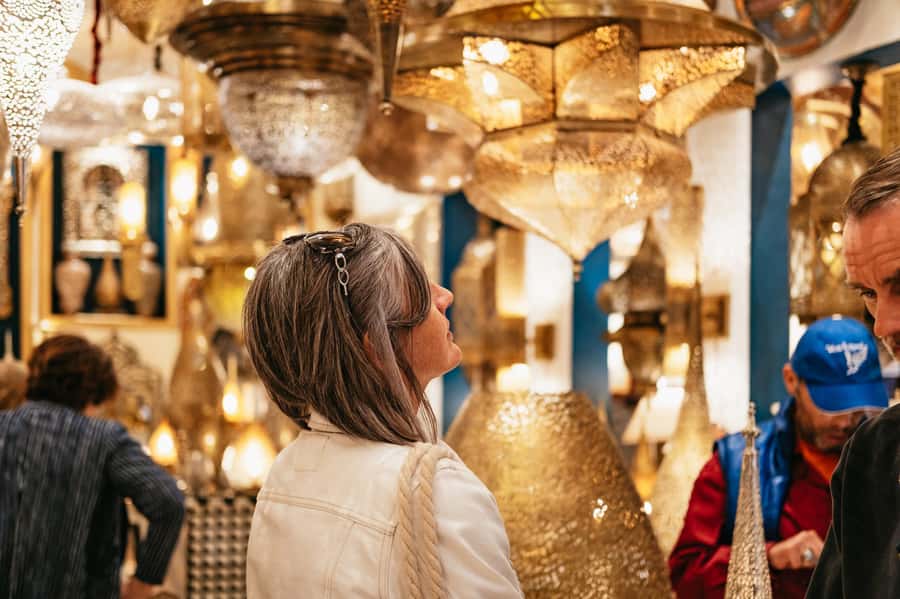
The souks are built around bargaining, and this tour treats it like a real skill. You’ll get help learning how to negotiate with shopkeepers, which is exactly what you need if you’re worried you’ll be too polite, too firm, or too slow.
Here’s a simple approach that fits the style of the tour: start with interest, ask questions, then negotiate calmly. If you need to walk away, do it politely and keep moving—don’t stall in the doorway.
One thing I’d emphasize: don’t treat negotiation like a battle. Think of it like learning the range. With a guide nearby, you can pick up a feel for pricing and what’s reasonable for the item category you’re looking at.
The Guides Are a Big Part of the Value
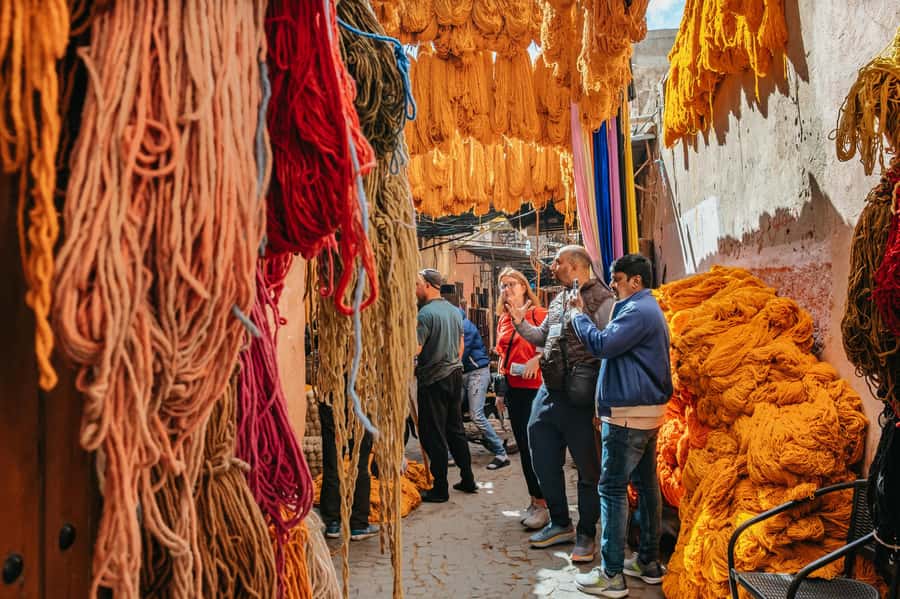
A $20 tour lives or dies by the guide, and the feedback around this one is very consistent. People highlight guides who:
- explain customs and how the souks are organized
- take a good pace without rushing you
- show artisan work in action
- help you bargain without feeling pushed
You’ll see names come up again and again, like Hakim, YaYa, Mo, Ismail, Abdel, Ali, and Youssef. Even if you don’t get the exact guide you hoped for, the pattern matters: the best guides here are local in the literal sense, with a track record of showing the areas you’d likely miss on your own.
Shared vs. Private: Which One Fits Your Style?
Shared group works well if you’re social and you’re okay following a set route. You’ll still get guidance through the craft zones and you can ask questions in the moment.
Private is the better choice when you want:
- a slower pace in the tighter lanes
- more time in the shops you like
- extra attention for your specific interests (spices, rugs, metalwork, jewelry, etc.)
- flexibility to adapt if you spot something you truly want to explore
If it’s your first time in Marrakech and you feel nervous about getting lost, private can also be a confidence booster. You get a calmer back-and-forth, and the route can be tailored around your questions.
Practicalities You’ll Care About: Time, Pickup, and What’s Included
This tour runs about 3 hours, which is long enough to see multiple souk zones but not so long that you burn out before dinner. That time box is a big part of the value. You’re focused on the Medina’s key trading areas rather than trying to cover everything in one day.
Meeting point can vary by option. If you select hotel pickup, your guide meets you in the lobby of your hotel or riad, and you’ll ride in a comfortable private van. If you go without pickup, you meet at the starting point listed for your booking.
What’s included:
- a live guide
- the walking tour (shared or private)
- hotel pickup only if you choose that option
What’s not included:
- food and drink (you can buy what you want)
- personal shopping and any purchases
A quick note: even if the tour covers a lot, you should still expect you’ll spend extra time (and money) on what looks good. The point is to help you shop smarter, not to make shopping free.
Photo Moments and Stops That Make It More Than Shopping
There are brief photo stop moments built into the schedule. That’s useful even if you’re not a “take photos of everything” person, because it gives your brain landmarks to remember.
And then there are the stops people tend to rave about in a good way: herb-related places, metalwork areas, rug-focused stops, and craft locations like community bakeries. Those aren’t random detours. They’re the kind of places that help you understand how Marrakech creates goods—and how that culture works day to day.
Should You Book This Marrakech Souk Tour?
Book it if:
- you want your first Medina day to feel organized
- you care about artisan crafts and seeing how products connect to real makers
- you want help negotiating so shopping feels normal, not stressful
- you’d like the option to choose shared or private depending on your energy
Skip or consider a different style if:
- you hate walking or narrow lanes
- you don’t want any bargaining at all
- you already know the Medina layout well and you’d rather wander slowly on your own
FAQ
How long is the Marrakech Medina souks guided walking tour?
The tour duration is 3 hours.
How much does the tour cost?
It is priced at $20 per person.
Is this tour shared or private?
You can choose between a shared group tour or a private walking tour.
Where do we meet for the tour?
The meeting point may vary depending on the option booked.
Is hotel pickup included?
Hotel pickup is included only if you select the pickup option.
What languages are offered for the live tour guide?
The guide is available in English, French, German, Arabic, Italian, and Spanish.
What is included in the price?
The guide and the guided walking tour are included. If you choose it, hotel pickup is also included.
What is not included?
Food and drink, and personal expenses are not included.
Can I cancel and get a refund?
Yes. Free cancellation is available up to 24 hours in advance for a full refund.