REVIEW · MARRAKESH
Marrakech: Palace, Museum, Madrasa & Medina Highlights Tour
Book on GetYourGuide →Operated by Moments in Morocco - Tour Agency · Bookable on GetYourGuide
Tilework and stories, all in one walk. This guided Marrakech highlights tour strings together Bahia Palace, Ben Youssef Madrasa, and Dar El Bacha Museum, with time to wander the medina markets you’ll actually want to return to later. I especially like how it starts at Jemaa el-Fna and then uses skip-the-line entry plus guided stops so you spend your time looking, not waiting.
Two things I’d count on: (1) you get a licensed local guide who stays with you inside each monument (with free time to take photos), and (2) the mix of palace, Islamic learning center, and museum keeps the city from feeling like one long photo queue. One key drawback to budget for is that monument tickets are not included in the $18 tour price, so add Bahia Palace (100 MAD) and Ben Youssef Madrasa (50 MAD) per adult.
In This Review
- Key highlights you’ll feel right away
- Where You Meet: Café de France at Jemaa el-Fna
- Bahia Palace: 160 Rooms Around Quiet Courtyards
- Souk Semmarine and Souk El Attarine: Where Shopping Meets Sensory Morocco
- Ben Youssef Medersa: A 14th-Century School in Stone
- Dar El Bacha Museum: Palace Luxury Turned Art Collection
- Rahba Kedima Photo Stop: A Different Angle on the Old Medina
- Back to Jemaa el-Fna: Leaving With a Map in Your Head
- Price and value: $18 plus the two key ticket add-ons
- What the 4 hours feels like: walking, listening, then free time
- Practical tips so the medina doesn’t eat your energy
- Who should book this Marrakech tour
- Should you book this Marrakech Palace, Museum, Madrasa & Medina tour?
- FAQ
- Where do I meet the guide?
- How long is the tour?
- What’s included in the $18 price?
- Are monument entry tickets included?
- What should I bring?
- Is the tour suitable for mobility needs?
Key highlights you’ll feel right away
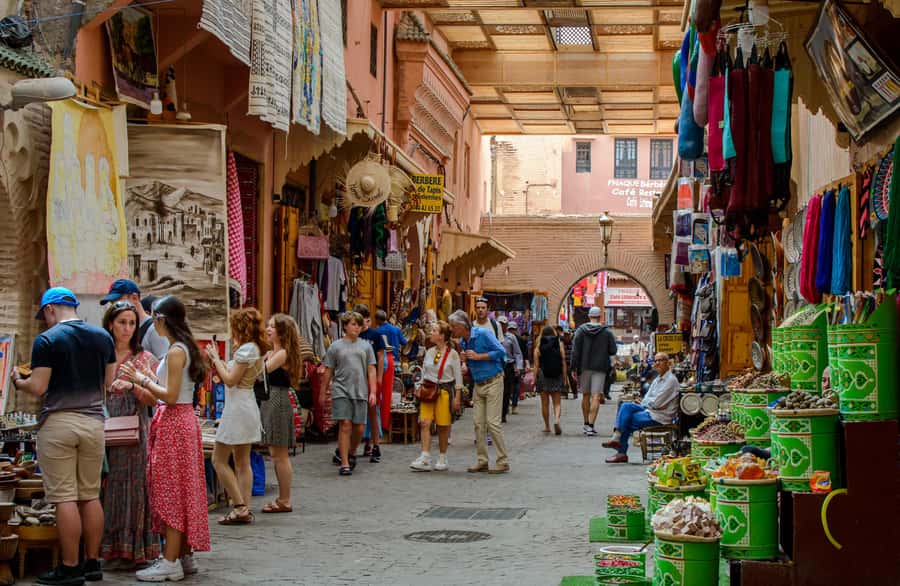
- Jemaa el-Fna start point near Café de France, the easy way to launch your medina day
- Bahia Palace scale with 160 rooms arranged around calm courtyards
- Ben Youssef Madrasa artistry: zellij tiles, stucco plaster, and carved cedar connected to education for centuries
- Dar El Bacha Museum option if time allows, for woodwork, textiles, and ceramics inside a former palace
- Souk time with a guide through Semmarine and El Attarine for clothing/leather plus spices and perfumes
- Guide personalities really matter (names like Yassine, Achraf, and Hassan come up often for humor, clear English, and strong explanations)
Where You Meet: Café de France at Jemaa el-Fna
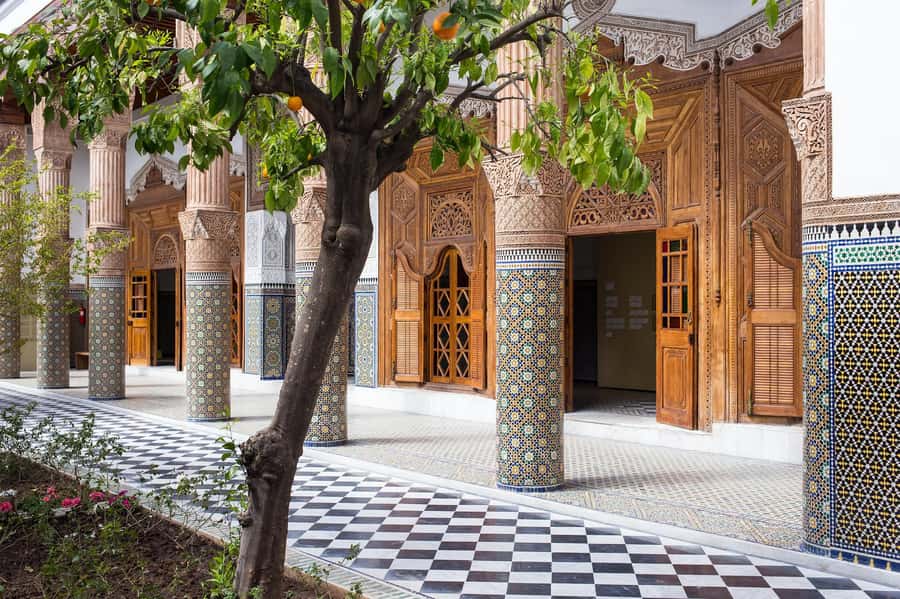
Your tour meets in front of Café de France in Jemaa el-Fna, which is convenient because this square is the spine of the medina. Even if you’re only in Marrakech for a short visit, showing up here first helps you get your bearings fast.
There’s a short photo stop and guided orientation time here, then you move on. That pacing matters in Marrakech: if you start in the streets without context, the medina can feel like you’ve been thrown into a maze. Starting at Jemaa el-Fna makes the first 30 minutes feel like direction, not survival.
You can also read our reviews of more tours and experiences in Marrakesh.

Bahia Palace: 160 Rooms Around Quiet Courtyards
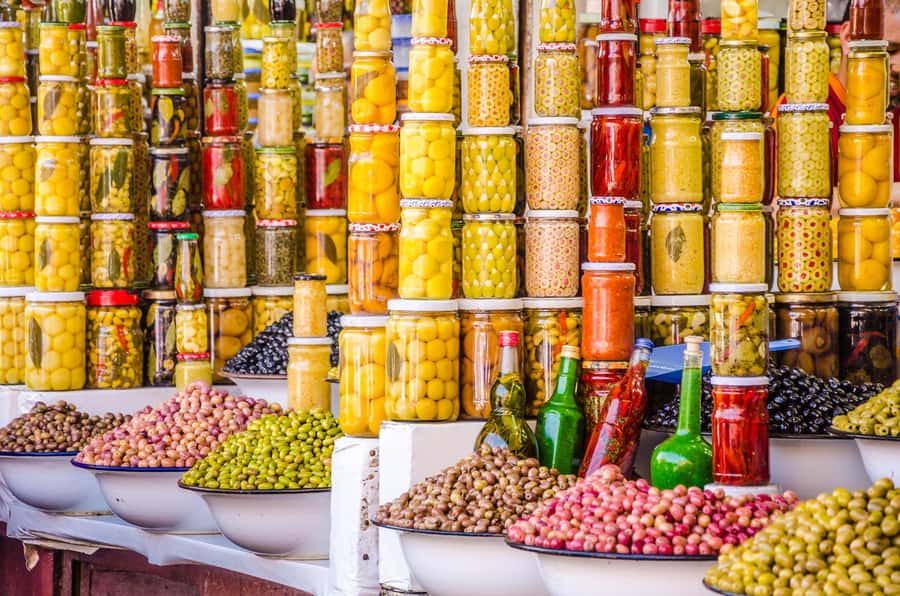
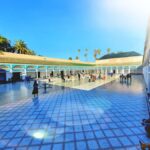
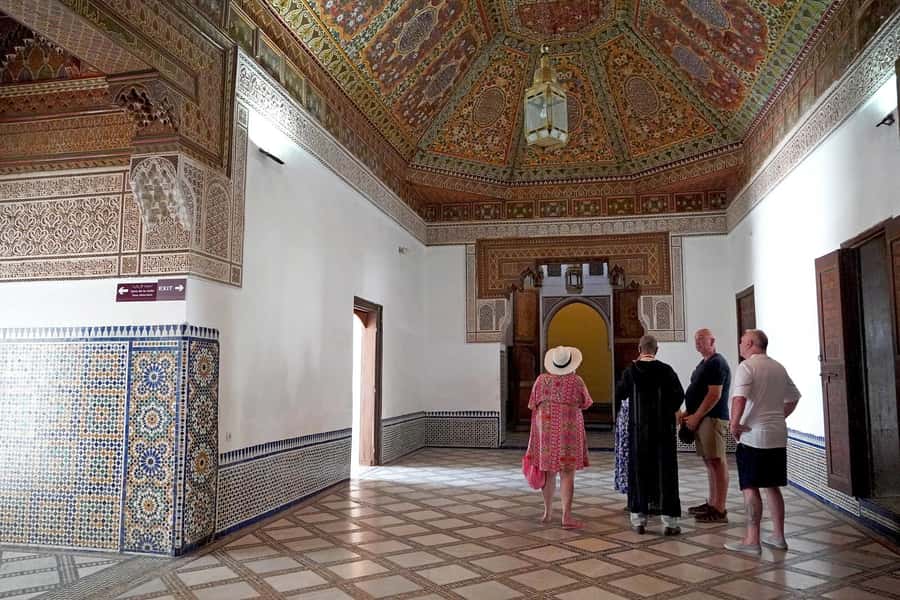
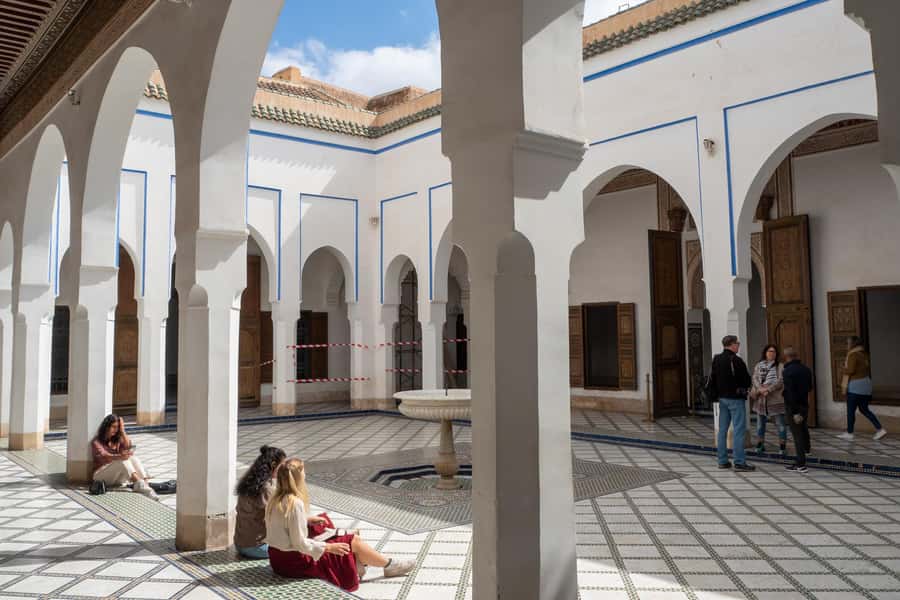
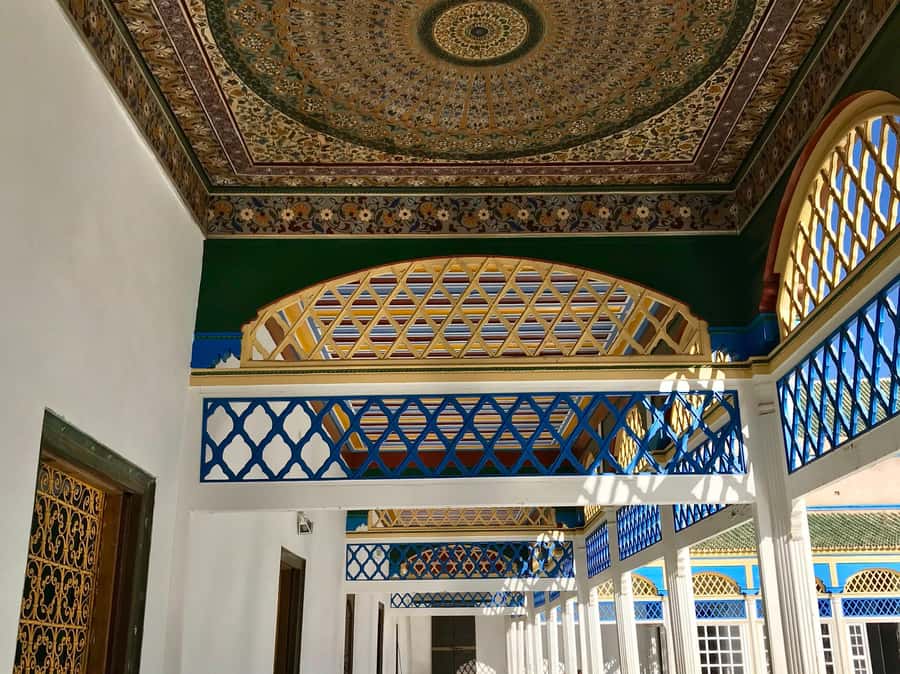
Bahia Palace is the kind of place that makes you slow down on purpose. It’s a 19th-century palace complex built around courtyards and a layout that spreads into roughly 160 rooms. What you’ll notice, fast, is the mix of surfaces: stucco panels, zellij-tiled floors, painted ceilings, and marble finishes.
And the courtyard-centered design is more than pretty. It’s part of how Moroccan palaces manage light and sound in a hot climate: you get open-air calm after you step out of narrow corridors. A guide also helps you read the palace instead of just orbiting it for photos.
In the time you’re given, you’ll usually get both structure and breathing room: you’ll go in with your guide, then you’ll have free time to move at your own pace. That’s a big deal here because Bahia Palace rewards wandering—especially if you want to focus on ceilings, tile patterns, or doorways.
Souk Semmarine and Souk El Attarine: Where Shopping Meets Sensory Morocco
After the palace, the tour shifts from architecture to everyday Marrakech life—starting with Souk Semmarine and then heading into Souk El Attarine.
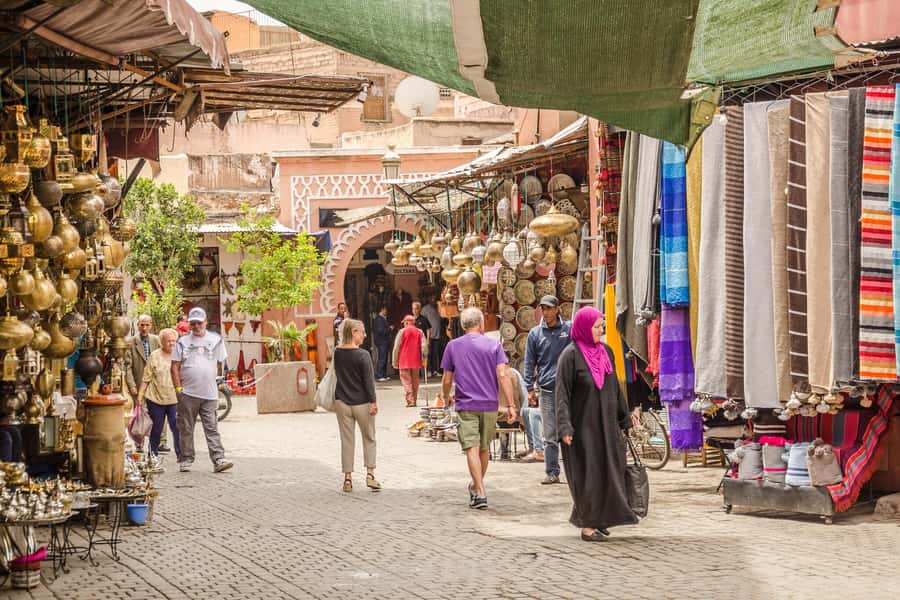
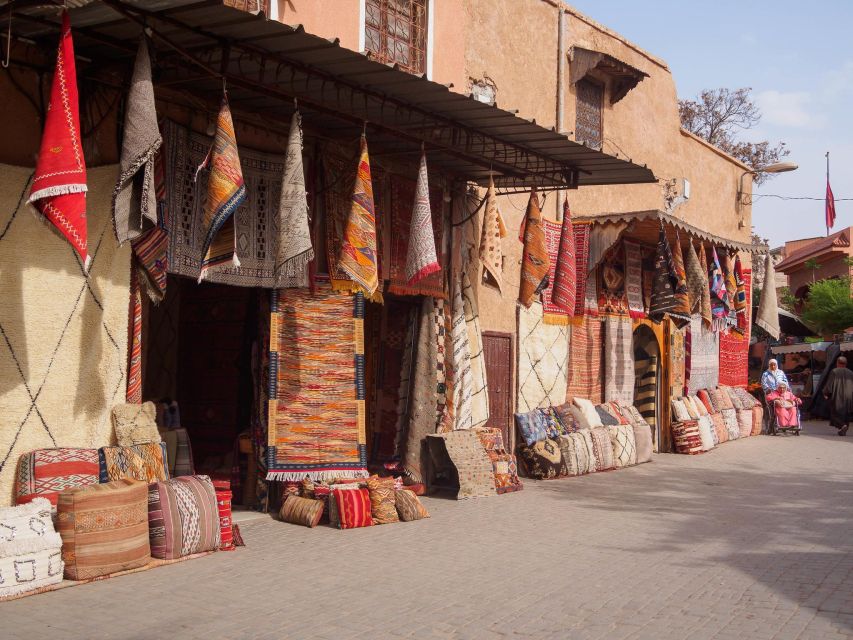
Souk Semmarine is known for traditional clothing and fine leather goods. Souk El Attarine leans more into spices, perfumes, and beauty products. If you want Marrakech to feel like more than monuments, this is your payoff: you see how people trade, wrap, smell, and display.
A practical note: the souk segment can include set stops connected to shopping (for example, some versions may pause in a tea shop or other pre-arranged stops). That doesn’t ruin the tour, but it can affect how much time you spend just walking. If you prefer more roaming and less selling, tell your guide early and keep an eye on the time.
There’s also a simple group-walking reality here. One of the most common frustrations in Marrakech souks is losing sight of the group when the lane gets crowded. Guides who stay organized keep things smooth, and many guides on this route are praised for keeping everyone together and making it easy to hear explanations.
Ben Youssef Medersa: A 14th-Century School in Stone
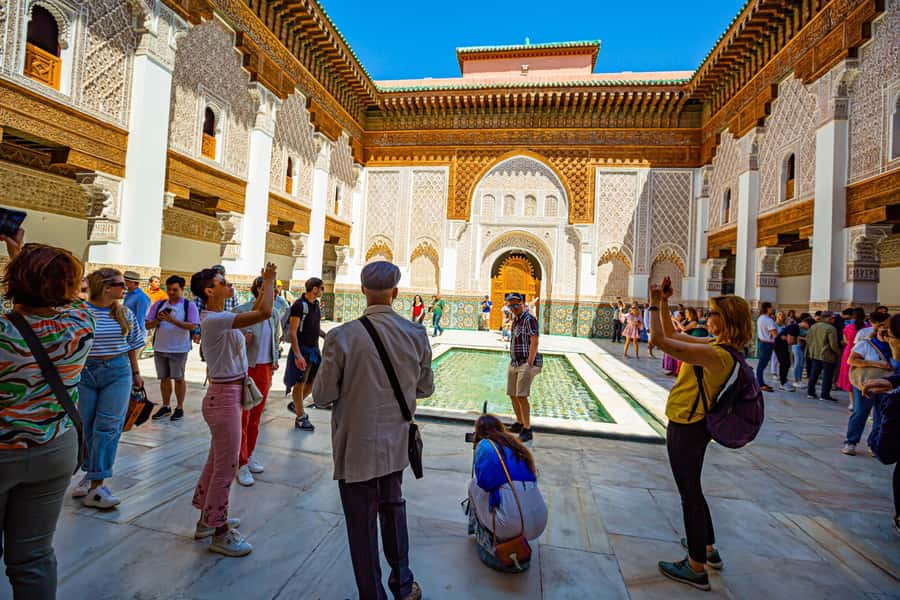
Ben Youssef Medersa is the architectural moment that often changes how people see Marrakech. This is an Islamic school (Quranic college) originally dating back to the 14th century, once able to hold around 800 students. Later, it was rebuilt in the 1560s.
The first thing you’ll feel is the craftsmanship density. Look closely and you’ll spot zellij tiling, detailed stucco plasterwork, and carved cedar wood. The guide helps connect those details to what the place was built for—education, recitation, and community. So even if you’re not a museum person, the building makes sense.
This stop also tends to be one of the best for photo lovers, because the medersa design gives you repeating patterns and angles. And since you go inside with your guide and then get some free time, you can do both: listen first, then shoot after.
Dar El Bacha Museum: Palace Luxury Turned Art Collection
If time allows, you’ll add Dar El Bacha Museum. This palace is often described as a symbol of the city’s opulent past, and now it hosts Moroccan art.
What you’ll see in the rooms is the “elite lifestyle” side of Marrakech: ornate ceramics, vibrant textiles, and impressive woodwork. The value here is that it’s still palace language, but quieter than the big headline sites. It’s a good contrast after Bahia Palace and before you return to the medina streets again.
One thing I’d plan around: Dar El Bacha has been reported as closed on Monday. So if your schedule lands on Monday and this museum matters to you, build a backup plan.


Rahba Kedima Photo Stop: A Different Angle on the Old Medina
You’ll also make a brief stop at Rahba Kedima. Even though it’s not the longest portion, it’s useful because it keeps the tour from feeling too palace-and-madrasa-only. Rahba Kedima is another classic medina market area, and the guided pause is perfect for quick photos and atmosphere before you hit the square again.
Back to Jemaa el-Fna: Leaving With a Map in Your Head
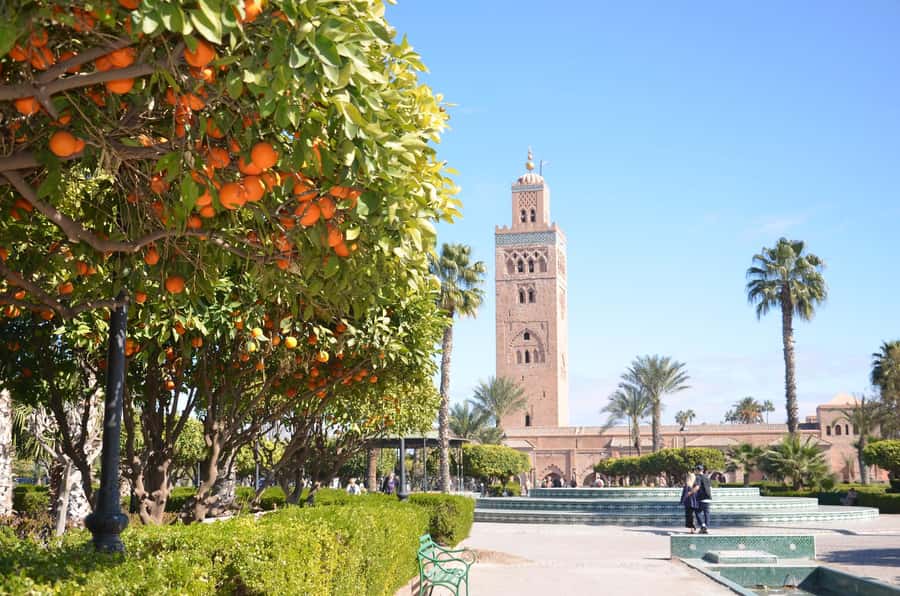
The tour loops back for another photo stop and a final guided walk time near Jemaa el-Fna. This ending matters because you’ll want a recognizable landmark when you break off on your own.
When the tour finishes near the square, you’re set up to do what Marrakech does best: pick a direction, find dinner, then wander back toward the lights. If you’re new to the medina, getting dropped near a known reference point reduces stress.
Price and value: $18 plus the two key ticket add-ons
The base price is $18 per person for a 4-hour guided walk with skip-the-line access. That’s already fair for a guided route that includes major stops, insider navigation through the old medina, and time inside monuments with your guide.
But you do need to budget for two ticketed sites:
- Bahia Palace: 100 MAD per adult
- Ben Youssef Madrasa: 50 MAD per adult
Entry tickets not being included is the one financial detail you should plan for ahead of time. If you’re doing those two monuments anyway, the tour’s value becomes clearer: you’re paying for organization, less waiting, and an actual guide to connect the visual details to the story of the buildings.
Also keep in mind that transportation is not included. The tour is built around walking, and the starting point in the medina is part of the experience.
What the 4 hours feels like: walking, listening, then free time
A 4-hour duration sounds short, and it is. The structure is tight, which is why this works best as a first-day highlights move.
You’ll spend time at each main stop (photo + guided orientation + guided visit), then you’ll get free time inside monuments so you can slow down. That balance is where many guides shine—people often praise guides who explain clearly while still keeping the pace comfortable.
The best part is that you’re not just getting a checklist. The guide is there to interpret:
- why a courtyard is central in palace design
- why tile patterns are placed where they are
- how Ben Youssef’s layout connects to learning
Some guides are especially praised for this approach, including names like Achraf (noted for Islamic architecture explanations) and Hassan (often described as going above and beyond).
Practical tips so the medina doesn’t eat your energy
Here’s what will make this tour feel easier on your body and better for your photos:
- Wear comfortable shoes. This is a walking tour through the medina.
- Bring water and sunglasses. Marrakech sun and crowds can add up fast.
- Use the free time inside monuments to take photos slowly. It’s tempting to sprint, but the best shots come from patience.
- If you don’t like shopping pressure, steer early. The souk portion can include planned pauses, so be clear about what you want.
If you’re visiting in hot months, try to pick a morning slot when possible. One review-style pattern I’d follow from the overall experience: morning tends to feel calmer for both walking and monument time.
Who should book this Marrakech tour
This tour is a strong match if you:
- want a fast, guided introduction to Marrakech’s biggest cultural stops
- enjoy architecture and design details (tilework, courtyards, carved wood)
- want a guide to help you navigate the medina streets without getting turned around
- prefer small-group or private formats for better flow
It’s also ideal if you’re traveling with limited time. Instead of spending a full day figuring out tickets, routes, and which buildings deserve your attention, you get a curated set of places with guide context.
Should you book this Marrakech Palace, Museum, Madrasa & Medina tour?
Yes—if you want your first Marrakech half-day to do real work. For the price, the combination of skip-the-line, a local guide who stays with you inside the monuments, and the mix of palace + madrasa + museum + souks is a practical way to see the core of Marrakesh without burning hours in confusion.
Book it especially if you care about understanding what you’re looking at. If you mainly want free time for wandering and shopping on your own, you might feel rushed, because this route is designed to cover a lot in four hours.
If Monday is on your calendar, check whether Dar El Bacha is open to avoid disappointment. And if you want more walking freedom in the souks, set expectations early with your guide so the planned stops don’t slow your personal pace.
FAQ
Where do I meet the guide?
Meet your guide in front of Café de France in Jemaa el-Fna.
How long is the tour?
The tour duration is 4 hours.
What’s included in the $18 price?
You get a licensed local guide, a private or small-group walking tour (depending on option), skip-the-line access, hotel pickup from your riad/hotel within the Medina for the private option, and free time to explore each monument.
Are monument entry tickets included?
No. Entry tickets are not included. Bahia Palace costs 100 MAD per adult, and Madrasa Ben Youssef costs 50 MAD per adult.
What should I bring?
Bring comfortable shoes, sunglasses, and water.
Is the tour suitable for mobility needs?
It’s listed as wheelchair accessible, but it’s also marked as not suitable for people with mobility impairments.