REVIEW · MARRAKESH
Marrakech: Traditional Moroccan Cooking Class & Market Visit
Book on GetYourGuide →Operated by Khmisa Workshops · Bookable on GetYourGuide
Food shopping in Marrakech feels like theatre. I love how this Khmisa Workshops class starts with a local market walk for fresh groceries and spices, then lands you in the riad kitchen to learn the full Moroccan Mint Tea ritual. It is one of those experiences where the how-and-why of Moroccan flavor clicks fast, because you pick ingredients first and cook them right away.
The main thing to consider is logistics: there’s no hotel pickup, so you’ll need to find your own way to the Medina workshop area and be comfortable walking on foot.
In This Review
- Key things that make this class work
- Marrakech cooking starts with the souk, not the chopping board
- The riad workshop: Khmisa Workshops and the local women teaching the method
- How the Moroccan mint tea ritual is actually taught
- Your menu: starters, tagines, and pastilla of milk dessert
- The step-by-step flow: market, tea, then coordinated cooking
- What you take home: recipes that actually help
- Price and group size: what $40 buys you in Marrakech terms
- Who this cooking class is best for
- Simple expectations so you’re not surprised
- Should you book Khmisa’s Marrakech cooking class?
- FAQ
- What’s included in the Marrakech cooking class?
- Do I need to bring anything?
- Are hotel pickup and drop-off included?
- What languages are available?
- What kinds of dishes will I cook?
- Is mint tea part of the class?
Key things that make this class work
- Souk shopping for real ingredients: You buy what you’ll cook, including spices and fresh produce.
- Mint tea taught properly: Not just steep-and-sugar; you learn the ritual steps and timing.
- Hands-on team cooking: You work alongside the chefs, not just watch from the sidelines.
- A menu with recognizable Moroccan anchors: You’ll commonly make tagines, starters, and dessert (including pastilla of milk).
- Recipes arrive afterward: You leave with electronic recipes so your cooking attempts don’t turn into guesses.
- Warm riad setting, small groups: Group size centers around 12, and some sessions run even smaller.
Marrakech cooking starts with the souk, not the chopping board
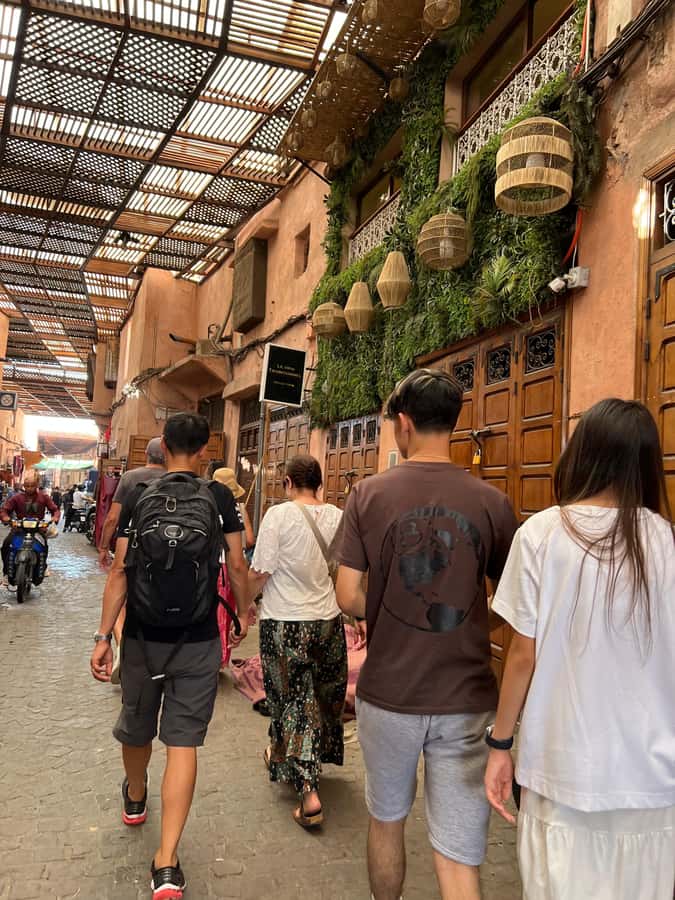
Most cooking classes in Marrakech begin with a recipe card and a quick explanation. This one starts where Moroccan cooking really begins: the market. You meet the team, then discuss food allergies and restrictions before you head out, which matters because Moroccan dishes often share ingredients across different parts of the meal.
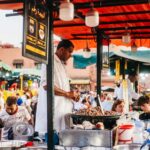
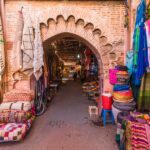
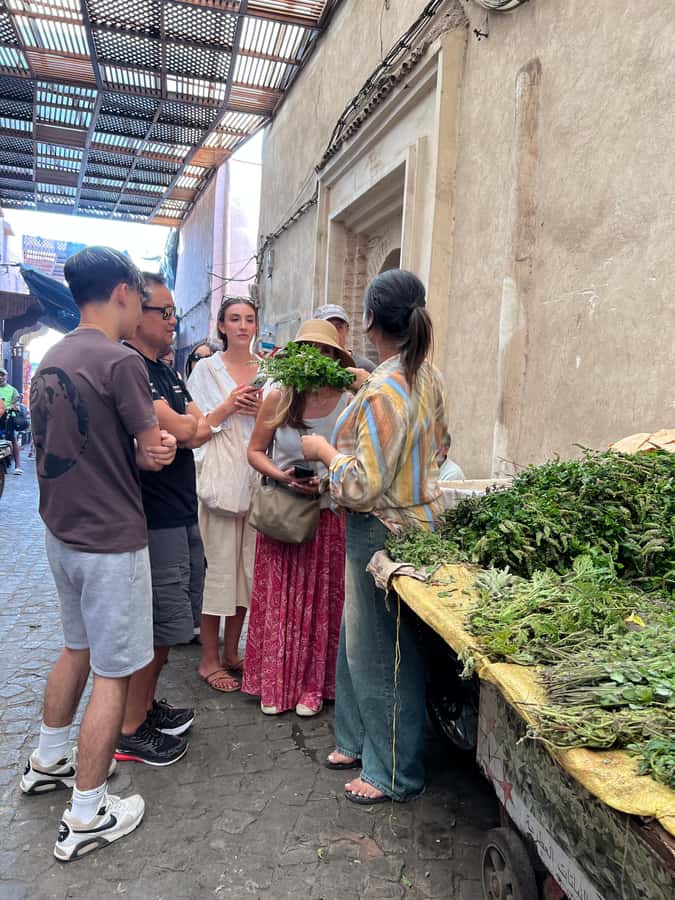
Your walk takes you away from the more tourist-focused side and into the Medina’s everyday rhythm, where you’ll see stalls full of spices, fruit, and vegetables. The practical payoff is simple: you learn what ingredients look like in real life, not just what they’re called on a menu back home.
And yes, you’ll feel the difference the moment you start cooking. When you’ve picked the spice mix yourself, you pay attention to fragrance, color, and texture—and you can follow the technique better.
You can also read our reviews of more tours and experiences in Marrakesh.



The riad workshop: Khmisa Workshops and the local women teaching the method
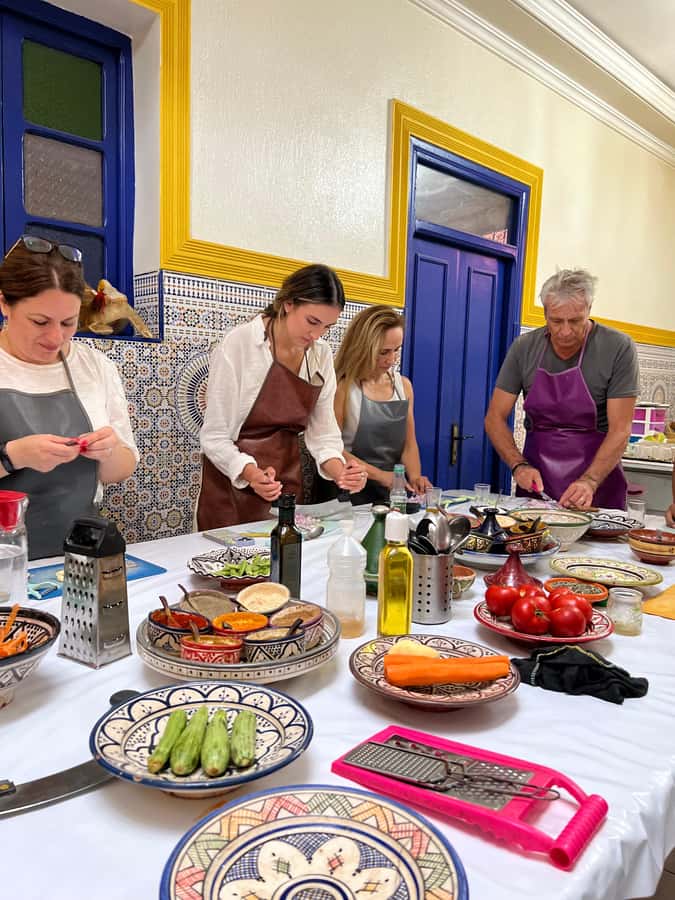
Khmisa Workshops is an intimate riad setting in the heart of the Medina. That matters because Moroccan home cooking is built around people and pace: small steps, constant tasting, and a lot of hand-to-hand guidance.
You’re hosted by Moroccan women and chefs with many years of cooking and catering experience. The class format is meant to be family-like—warm, welcoming, and interactive—so you can jump in without feeling like you’re slowing anyone down. Even when groups are mixed in age and cooking comfort, the setup is designed to keep everyone participating.
Language support is practical too: you’ll have guidance in English, French, and Arabic, so you’re not stuck relying on gestures for basic technique.
One small detail that shows how much they plan for comfort: the workshop environment has been described as air conditioned, which can make a big difference in Marrakech heat.
How the Moroccan mint tea ritual is actually taught
Mint tea is one of those things people think they already know: mint + hot water + sugar. Here, you learn it as a ritual with specific steps. You’ll be welcomed with tea first, then walked through the process so you understand what makes it taste the way it does.
This is more than a showpiece. The lesson gives you a flavor baseline you can bring into the rest of your meal. Tea also acts like a reset between the market and the cooking, so you’re ready to focus once you’re back at the kitchen.
If you’re picky about making mint tea at home later, this part is worth it on its own. You’ll leave knowing what to do, not just what the final cup tastes like.
Your menu: starters, tagines, and pastilla of milk dessert
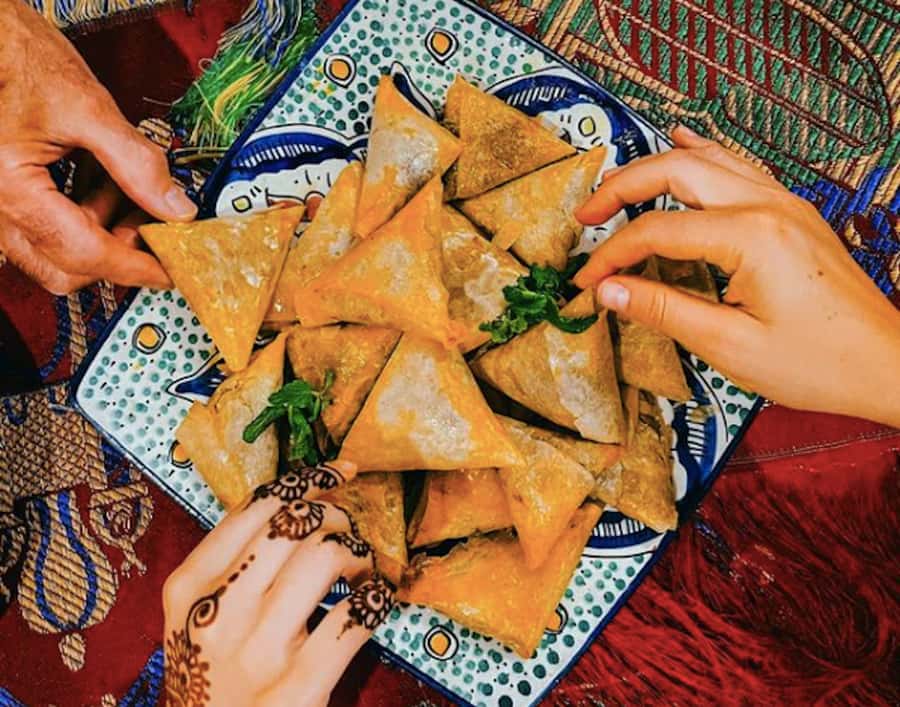
The menu centers on typical Moroccan dishes and usually includes 3 to 6 dishes. It’s built as a shared meal, with starters, a main course (often including tagines), and dessert.
A tagine is the star you’ll hear about most—especially chicken tagine, which many people highlight as a standout. You may also make a vegetarian tagine, depending on what’s planned for your group’s menu that day. The class is hands-on, so you’ll work through parts of the process, not just assemble a plate at the end.
Dessert commonly includes pastilla of milk. That’s a fun reminder that Moroccan sweets aren’t only about almond and honey vibes—they include dairy-forward options too. You get to see how dessert fits into the overall meal rhythm, not just as a last-minute sugar hit.
If you have vegetarian preferences, this class can still work well because the menu can include multiple vegetarian starters and mains, depending on the session.
The step-by-step flow: market, tea, then coordinated cooking
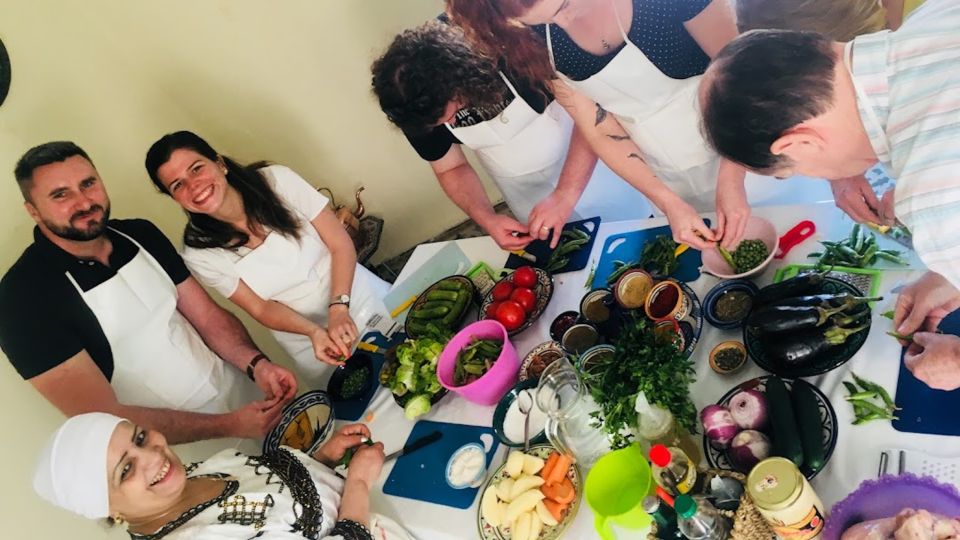
Here’s what a typical experience feels like, from start to finish:
First, you shop. You walk through the souk to buy the groceries you’ll cook with. This is the part that makes the class more than a demo, because every ingredient has a reason.
Next comes tea, with the ritual steps taught before cooking begins. This gives you a grounding flavor and a better sense of timing and technique.
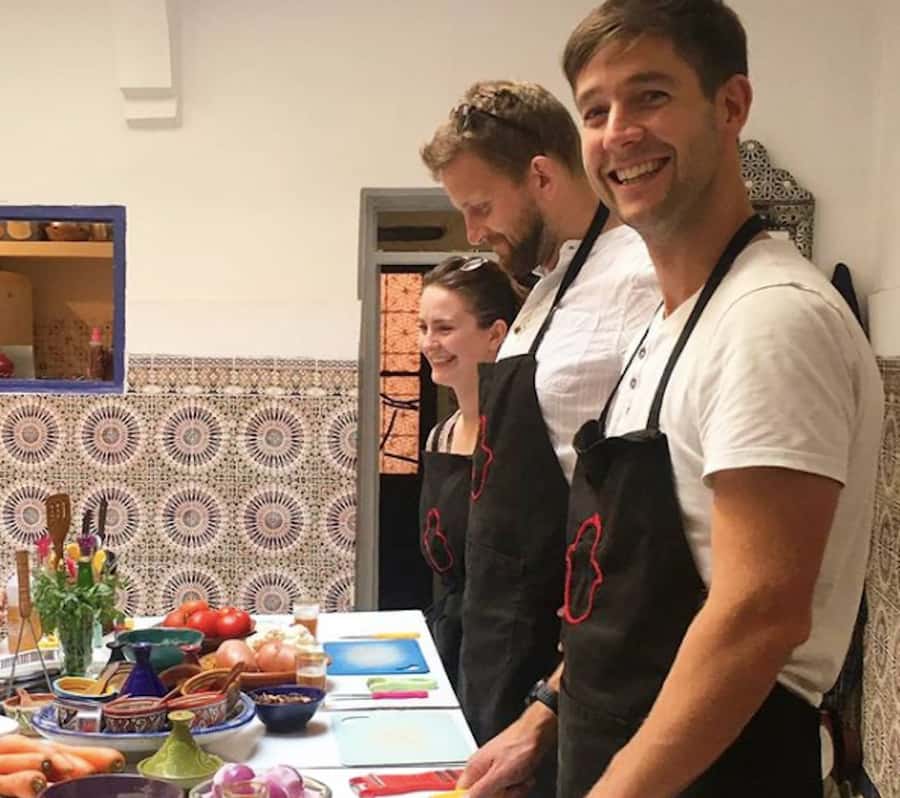
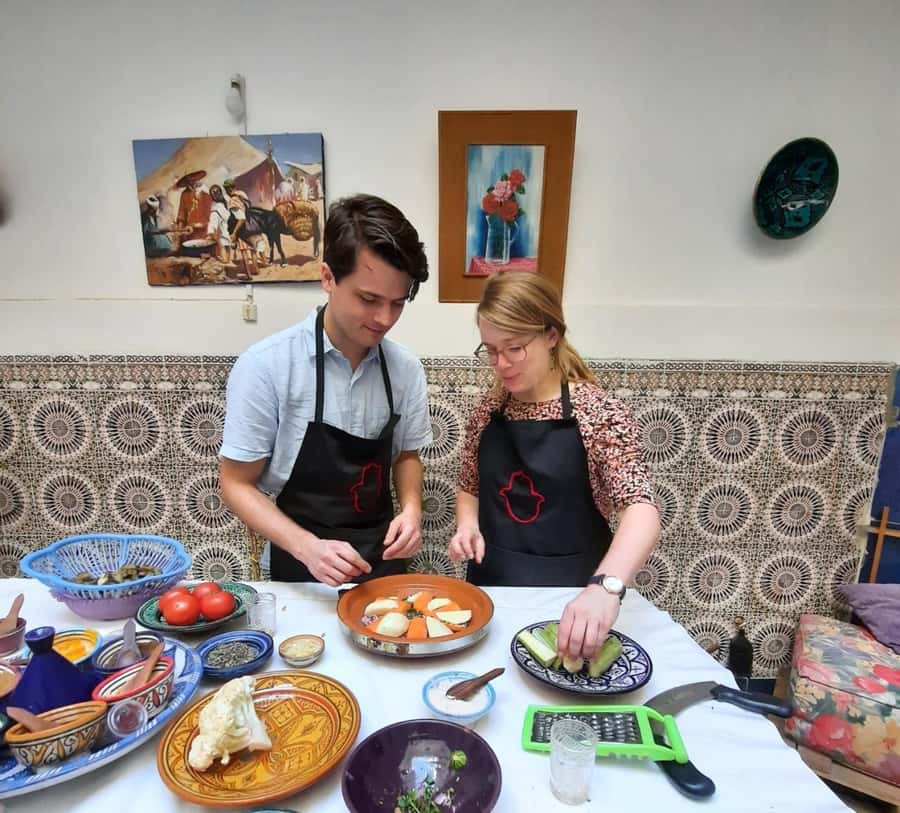
Then you cook together. The group works as a team, with chefs and local hosts guiding you through steps and involving everyone. You’ll learn the roles of spices and how they’re layered during cooking, not just dumped in at the end.
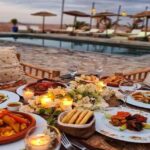
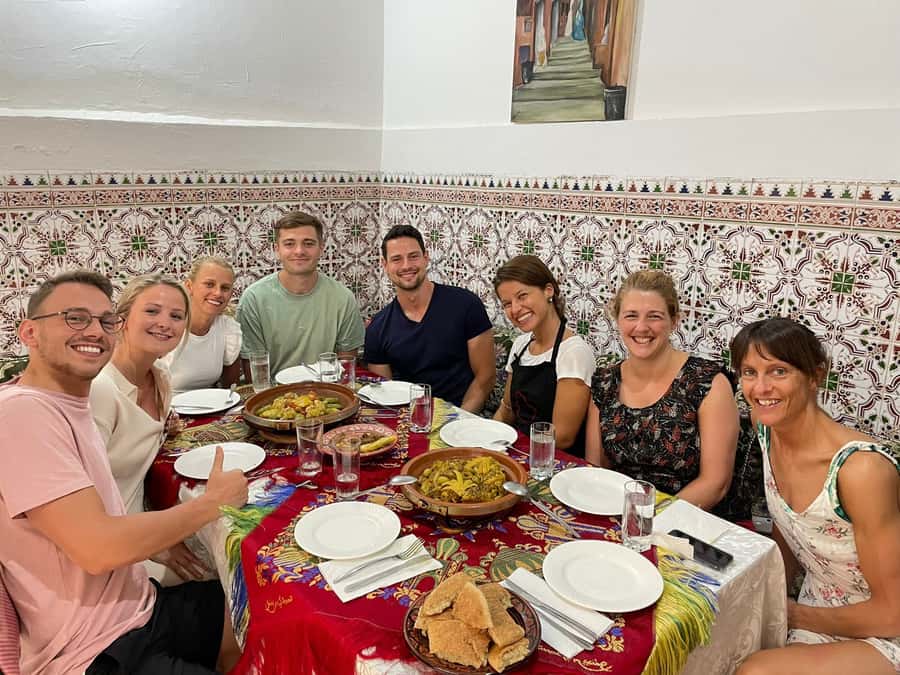
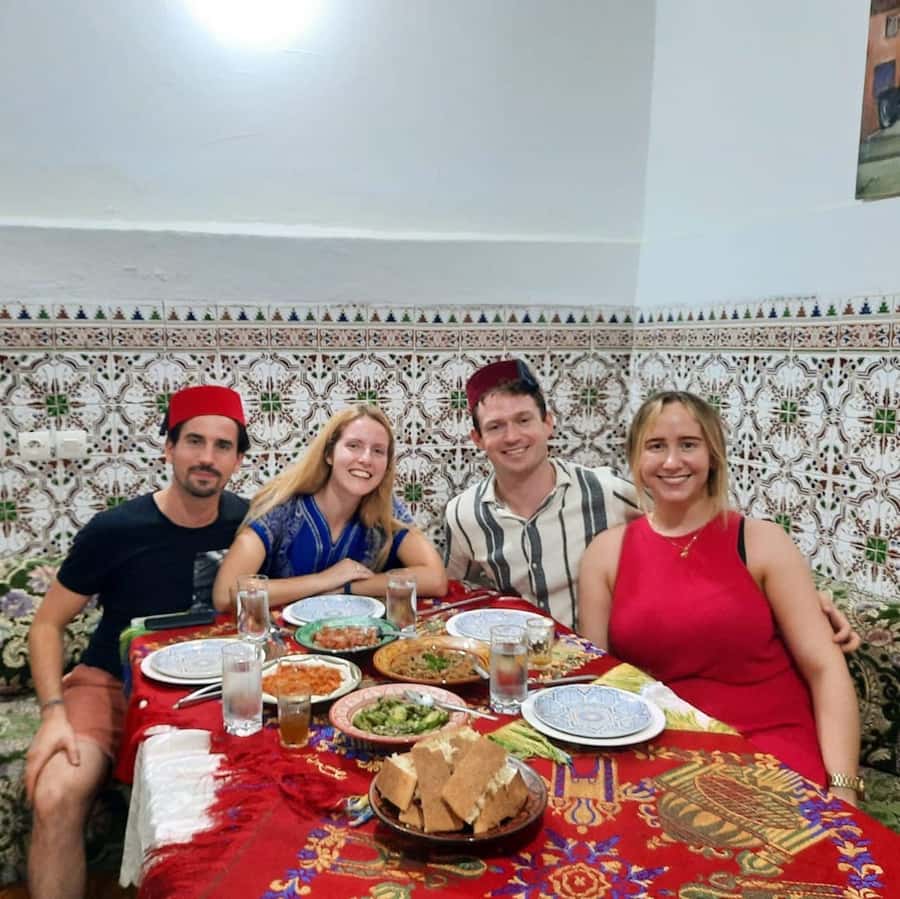
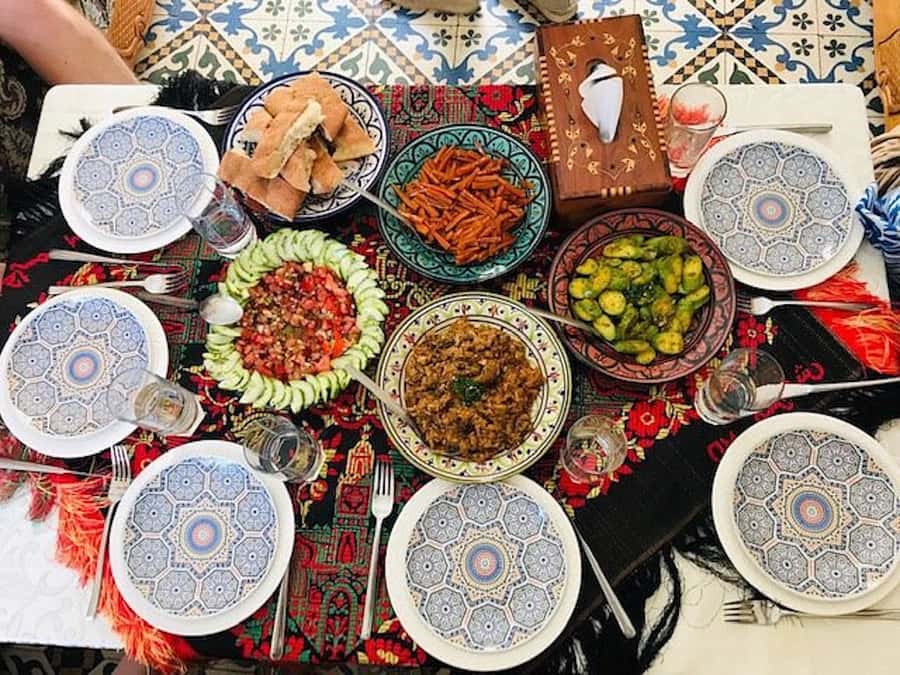
Finally, you eat what you made. You’ll sit down and taste the results as a group—very filling, and very much the point of the class. You also get time to take in what you learned while the meal is still fresh and hot.
Some sessions include time for getting homemade spices before you leave, which is a handy shortcut if you want your home pantry to match what you used in class.




What you take home: recipes that actually help
One of the best value pieces here is what happens after the class. You’ll receive electronic recipes, and they’re sent after you cook. That matters because Moroccan dishes often depend on technique details that don’t always translate from memory.
People especially like that the recipes are meant to be practical at home. The dishes you cook are structured so you can recreate them using the spices and ingredient types you see in the market.
If you want to go one step further, you can also purchase spices and ingredients during the market portion, including items used in the recipes like saffron and orange blossom water (based on what participants have found useful and available).
You also leave with a better sense of spice balance. That might be the biggest take-home skill: knowing when something needs more warmth, more depth, or a little tweaking rather than starting over.
Price and group size: what $40 buys you in Marrakech terms
At $40 per person, this class is priced like an experience, not like a restaurant meal plus a worksheet. The value comes from three things you’re getting together:
You get the market walk and ingredient selection (which is usually the hardest part to replicate on your own).
You get guided cooking with Moroccan chefs and local hosts, which saves time and reduces kitchen trial-and-error.
You get a full group meal plus electronic recipes afterward, which makes it easier to cook again.
Group size is typically around 12 people, though it can vary. A smaller group can mean more hands-on attention, and the shared cooking setup still keeps you involved. This is not a sit-and-watch show.
In short: the cost feels fair because the class builds a complete loop—buy, learn, cook, eat, repeat.
Who this cooking class is best for
This is a great fit if you want food you can recreate, not just a one-off taste.
It’s especially good for:
- First-time visitors who want a more local side of Marrakech food than a basic restaurant tour
- People who enjoy learning technique, not only ingredients
- Families and mixed groups, since the style is interactive and supportive
- Vegetarian-friendly diners who want a range, not just one salad
It might be less ideal if:
- You don’t like walking in the Medina area (no pickup, and you’re moving on foot)
- You use a wheelchair, since it is not suitable for wheelchair users
Also bring a couple of basics: comfortable shoes and a hair tie. This is the kind of workshop where those details save you from annoyance.
Simple expectations so you’re not surprised
A few things to know upfront, based on how the experience is run:
You’ll discuss your needs (including allergies) before cooking starts, and that affects what’s prepared.
You’ll work as a team and help with steps, so you should come with a willing mindset.
You’ll leave with recipes, but the real win is the method you learn while you cook.
Food rules are clear: no pets, no smoking, and no alcohol or drugs during the experience.
If you want a private setup, private sessions are available on demand only, so you’d need to request that directly.
Should you book Khmisa’s Marrakech cooking class?
I’d book this if you want Moroccan food with context. The market portion plus the mint tea ritual turn cooking from a vague activity into a sequence you can repeat. Add the hands-on teaching, the shared meal, and the fact that you leave with electronic recipes, and you’ve got strong value for $40.
Skip it (or reconsider) if you hate navigating the Medina on foot, because there’s no hotel pickup and you’ll be moving around. If you’re comfortable walking and you want a real flavor education, this class is one of the more practical ways to understand Moroccan cooking fast.
FAQ
What’s included in the Marrakech cooking class?
Lunch or dinner is included, along with a French, English, and Arabic-speaking local guide and a Moroccan local chef. You’ll also get all ingredients, a short market walk, Moroccan tea, and electronic recipes.
Do I need to bring anything?
Yes. Bring comfortable shoes and a hair tie.
Are hotel pickup and drop-off included?
No. Hotel pickup and drop-off are not included.
What languages are available?
The class is available in English, French, and Arabic.
What kinds of dishes will I cook?
The menu is typically made of 3 to 6 Moroccan dishes, including starters, a main course, and dessert, with pastilla of milk noted as part of the typical dessert.
Is mint tea part of the class?
Yes. You’ll be welcomed with traditional mint tea and learn the steps of the mint tea ritual before you start cooking.