REVIEW · MARRAKESH
Marrakesh: Desert & Mountain Tour with Camel Ride & Lunch
Book on GetYourGuide →Operated by Tours From Marrakech · Bookable on GetYourGuide
One day, three Morocco worlds. This Agafay desert and Atlas Mountains day trip mixes big scenery with hands-on Berber hospitality, often led by guides like Oussama or Amina. I especially like the camel ride in rocky Agafay (not Sahara sand) and the fact that lunch is served in a traditional Berber home. One thing to plan for: you will do a real walk in the Imlil Valley area, with lots of up-and-down.
A highlight for me is how the day uses short stops that actually teach you something—tea with local Berber culture, village viewpoints, and time near waterfalls in Imlil. Then you top it off with a home-cooked meal in Ait Souka Village, plus extra refreshment breaks along the way.
If hiking isn’t your thing, you’ll feel it here. Some people find the walk gentle; others describe it as more work than they expected, especially with January cool weather and occasional snow on higher areas.
In This Review
- Key Points Worth Noting
- Why This Marrakesh Desert-and-Mountains Day Works So Well
- Pickup in Marrakesh and the Drive South to High Atlas
- Moulay Brahim Tea Stop: Berber Culture in a Human Scale
- Imlil Valley Walk and Waterfall Views at the Base of the Mountains
- Ait Souka Lunch in a Traditional Berber House (Food You’ll Remember)
- Agafay Desert Camp: Rocky Terrain, Camel Ride, and Mint Tea
- Argan Oil and Village Stops on the Haouz Plain (Asni, Tahnaout, and Friends)
- Guides, Drivers, and the Safety Feeling You Want on a Day Trip
- Price, Effort, and Who This Tour Fits Best
- Your Booking Checklist Before You Go
- Should You Book This Marrakesh Desert & Mountain Tour?
- FAQ
- How long is this Marrakesh desert and mountain tour?
- Is hotel pickup and drop-off included?
- Does the price include the camel ride and lunch?
- Where do you ride the camels?
- How difficult is the Imlil Valley walk?
- What languages are available for the live guide?
- What should I bring for the day?
- Is it suitable for everyone?
Key Points Worth Noting
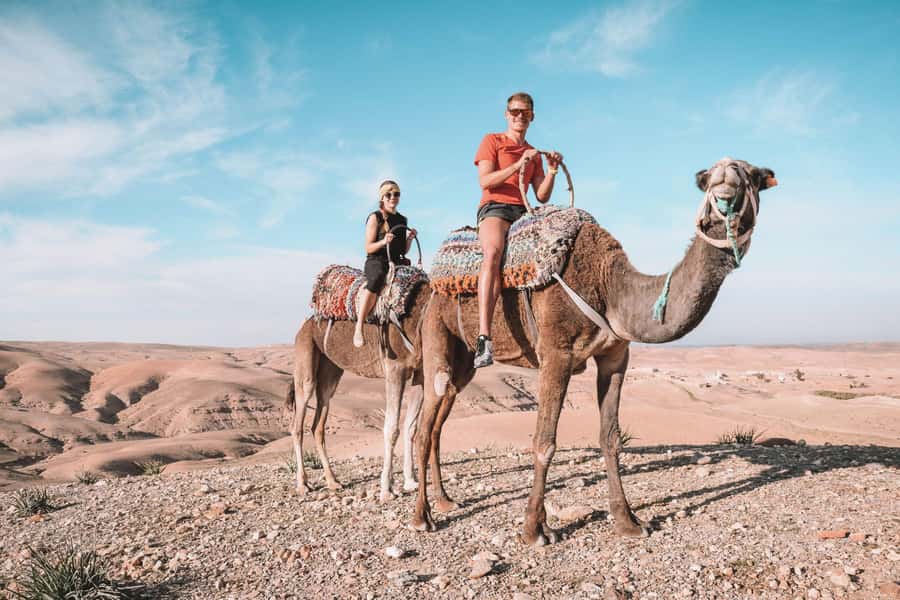
- Rocky Agafay camel ride: more like a moon-dust ride than classic Sahara dunes
- Imlil Valley waterfall time: good views, and the walk is a main event
- Berber tea breaks with real locals: short chats that add context fast
- Lunch in a Berber house (Ait Souka): home cooking, not a tourist-only buffet
- Guides with strong local ties: names you’ll often see include Oussama, Lahcen, Amina, and Ali
- Packed-but-not-silent day: plenty of photo stops, plus explanation as you go
Why This Marrakesh Desert-and-Mountains Day Works So Well
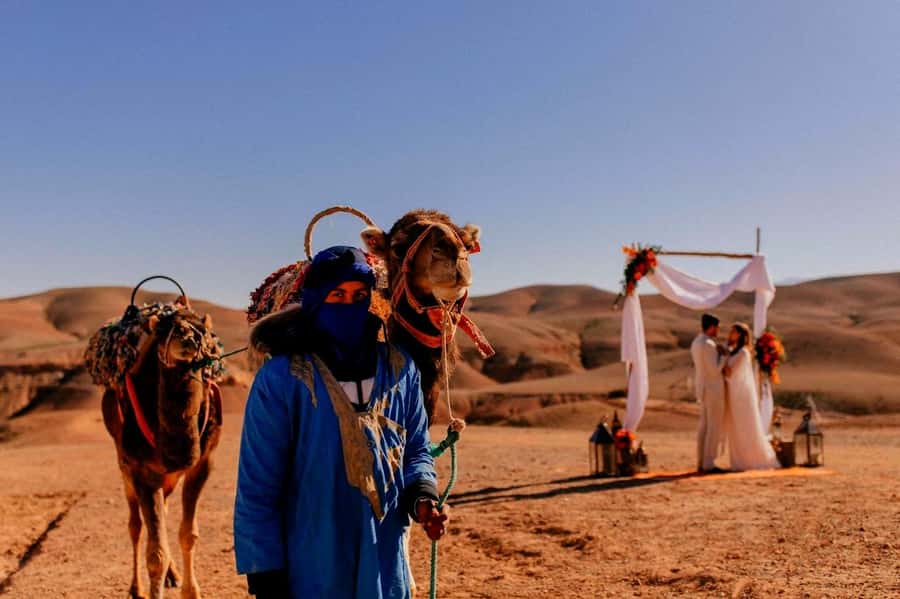
This is the kind of trip you take when you want variety without spending a week changing hotels. In one day, you go from Marrakesh’s edge to High Atlas foothills, then to the quieter, rocky world of Agafay, and you do it with a guide who helps connect the dots.
I like the value math here. For about $22 per person, you’re not only paying for a driver and sightseeing stops—you also get a camel ride plus lunch, and the schedule is built around multiple cultural moments (tea with locals, village visits, and time in Imlil). It’s a lot for one day, and that’s why so many people rate it highly.
The main consideration is effort. Between the mountain walking and the amount of time you’re outside, this isn’t a sit-by-the-window tour. Bring the right shoes and assume you’ll be moving.
You can also read our reviews of more tours and experiences in Marrakesh.

Pickup in Marrakesh and the Drive South to High Atlas
Your day starts with pickup from your hotel in Marrakesh, or the nearest accessible point if your riad is in a narrow street where cars can’t enter. A practical tip: build in a little time for a short walk to the meeting point if your driver can’t pull up directly.
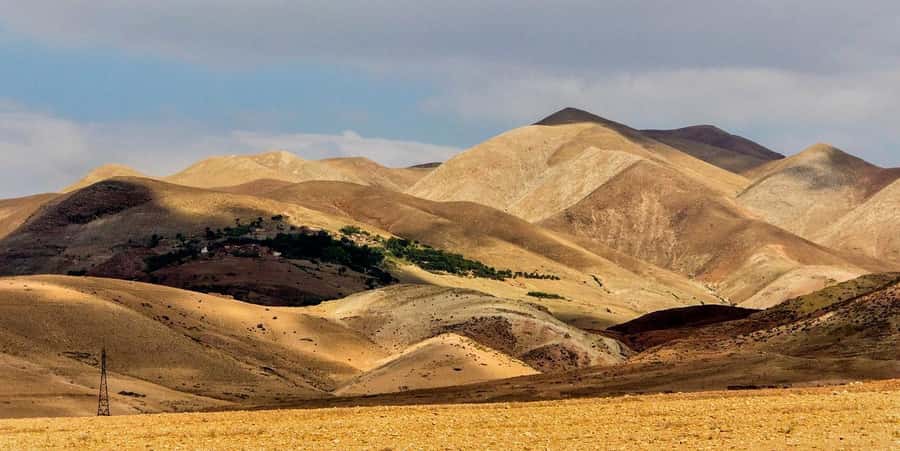
Once you’re on the road, the vibe changes quickly. You leave the city behind, and the countryside starts to open up as the High Atlas region comes into view. The drive matters here: it breaks the day into chapters, and it gives you the chance to see how quickly the terrain shifts from urban Morocco to mountain foothills.
Most days run about 9am to around 5pm. That’s long enough to feel like a real outing, but short enough to keep dinner plans flexible back in Marrakesh.
Moulay Brahim Tea Stop: Berber Culture in a Human Scale
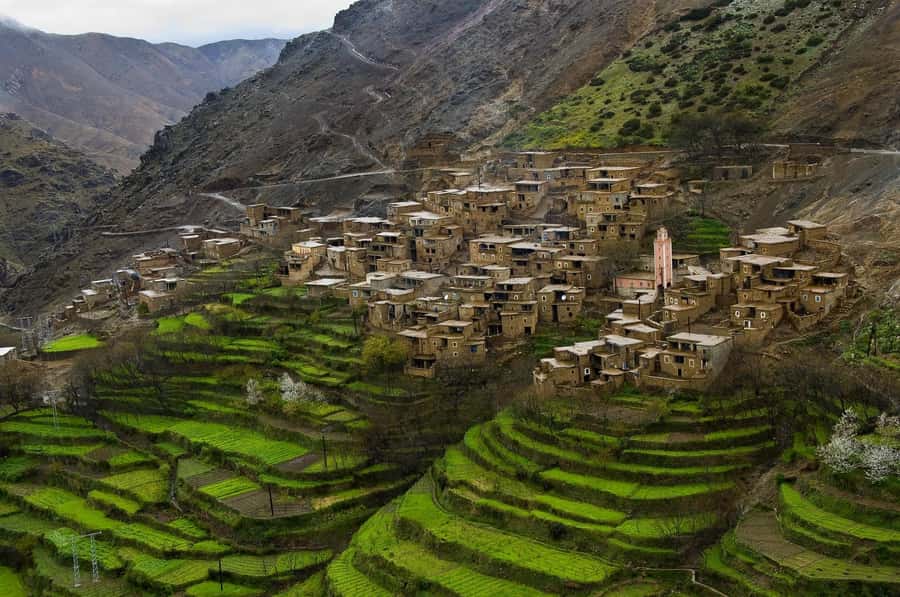
A big part of why this tour feels authentic is the tea break and conversation style. You stop in and around Moulay Brahim, a village area at the foot of the High Atlas Mountains, then you continue toward Imlil.
What you’re looking for during this part of the day is not just tea. It’s the rhythm of daily life: how locals talk about community, traditions, and living in the mountains. Guides named across bookings include Oussama, Lahcen, and Amina, and many people highlight how the cultural explanations feel personal rather than memorized.
You’ll also get a sense of how the Berber (Amazigh) world organizes itself around family, farming, and shared spaces. Even if your French or Arabic is limited, this is the moment when the guide’s translation and local stories do the heavy lifting.
Imlil Valley Walk and Waterfall Views at the Base of the Mountains
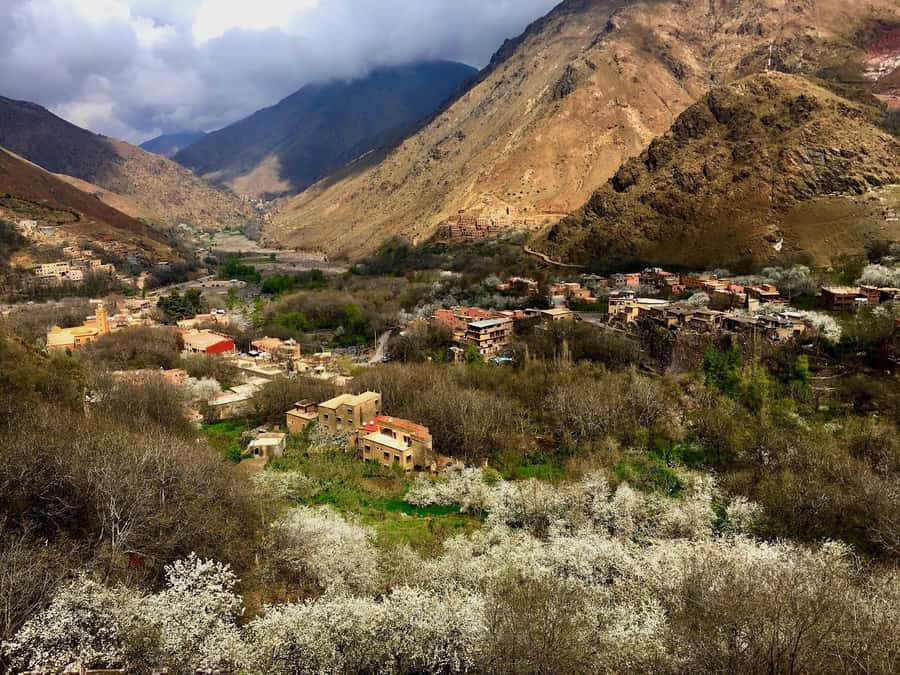
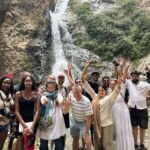
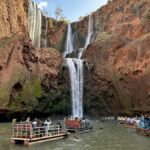
This is where the day becomes physical. In the Imlil Valley area, you’ll enjoy a scenic walk and get time around water and views, often including a waterfall stop. The scenery here is the point—but the trail profile is the reality.
Some guests describe the walk as a gentle hike; others call out that it’s up and down and can be rocky. If you’re used to easy city walking, consider this a warm-up for mountain trekking rather than a stroll.
My practical advice:
- Wear shoes with grip, not just fashion sneakers.
- Bring sunscreen and sunglasses since you’re exposed between shaded patches.
- If you’re visiting in winter, plan for cool air. One booking mentions snow around the mountains in January.
If you want the best chance of enjoying the hike, keep your expectations realistic: this tour mixes walking with viewpoints, so you’ll be moving, stopping for photos, and then moving again.
Ait Souka Lunch in a Traditional Berber House (Food You’ll Remember)
Lunch is served in Ait Souka Village, and the meal happens inside a traditional Berber house. That’s a key difference from tours that only do “lunch stop” as a quick drive-by.
The food comes as home-cooked Moroccan specialties, and many bookings mention it as genuinely good—one person even calls out chicken tagine specifically, and others praise the meal quality overall. If you have dietary needs, there’s a positive sign: one review states there was a vegetarian option available, so you should ask about your needs when you book.
This is also a good moment to slow down. You’re not just eating; you’re giving your body a reset before the later camel ride and Agafay time.

Agafay Desert Camp: Rocky Terrain, Camel Ride, and Mint Tea
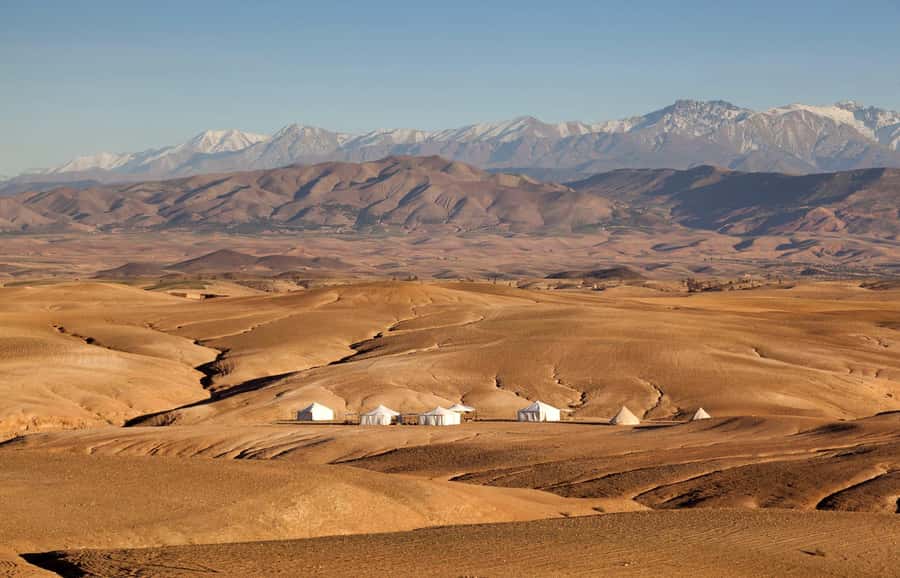
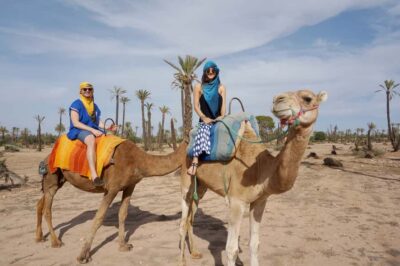
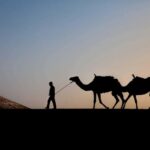
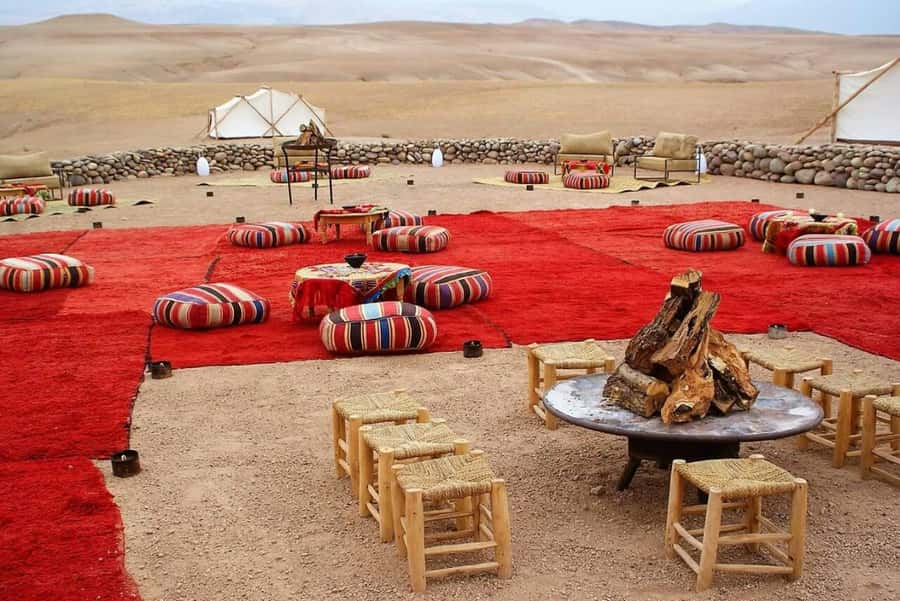
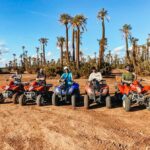
Then comes the Agafay pivot. Agafay is not Sahara sand dunes—it’s more rocky and dramatic, with a rugged, lunar-like feel. That matters because your camel ride experience will feel different from what you’ve seen in desert photos.
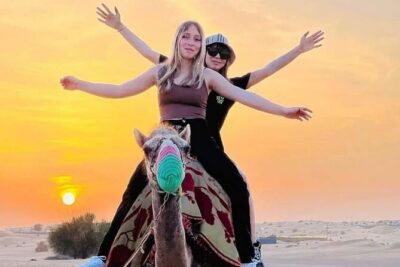
The camel ride is often described as about 30 minutes, paced gently so you can take in the views. Many people say the ride is fun even when it’s shorter than a full-day desert trek, because it’s tied to scenery and tea rather than feeling like a rushed gimmick.
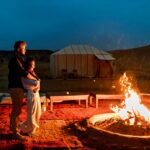
At the Agafay desert camp, expect a relaxed break with tea and photo time. This is the best part of the tour for people who want atmosphere: wide skies, minimal distractions, and that calm that only shows up when the city disappears.
A detail worth planning for: you’ll likely be outside longer than you think—dress in layers, especially if you’re going in cooler months.
Argan Oil and Village Stops on the Haouz Plain (Asni, Tahnaout, and Friends)
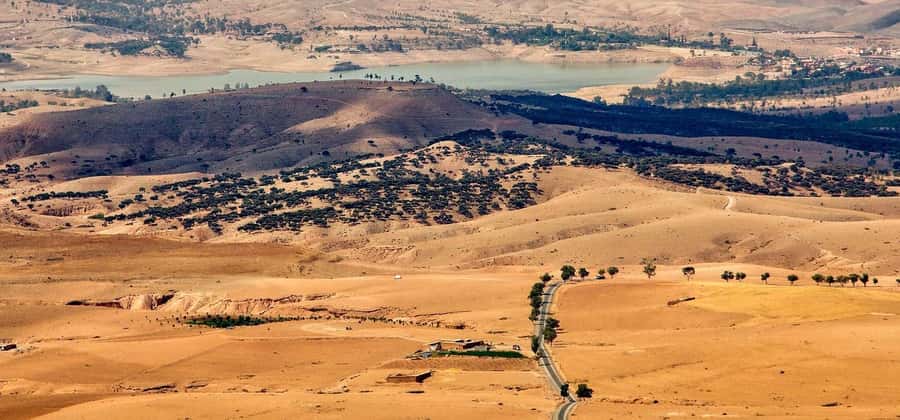
Between Imlil and Agafay, the day includes village stops along the Haouz Plain, with stops in areas such as Asni, Moulay Brahim, and Tahnaout. These stops aren’t meant to be a long museum visit. They’re quick windows into how life works across the region.
One particularly popular stop is around argan oil, including visits that connect to women’s cooperatives or local production. Multiple bookings mention mint tea served at the coop, plus sampling and product explanations. Some guests even describe tasting things like argan oil in different forms and trying dips that include argan, alongside bread and honey.
Should you expect shopping? You might run into sales talk, and one review flags this as a selling-focused stop. Still, it’s often paired with demonstrations and sampling, so if you’re open to it, it can be more educational than it sounds.
This portion of the day also adds variety. It helps the tour feel like more than just driving and walking—it becomes a chain of local moments.
Guides, Drivers, and the Safety Feeling You Want on a Day Trip
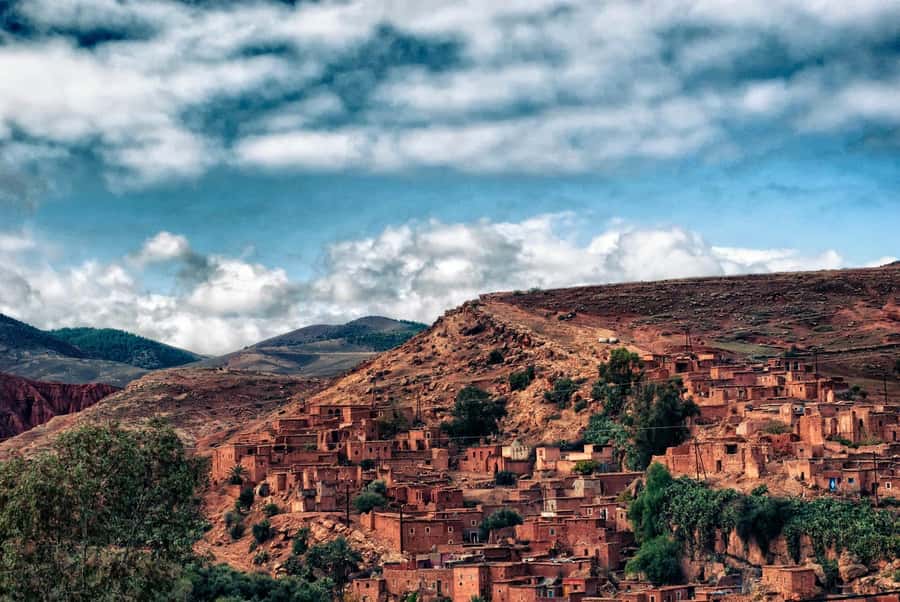
For a one-day tour, the guide’s role is huge. People consistently highlight guides like Oussama, Lahcen, Amina, and Ali for being friendly, attentive, and willing to answer questions. Many mention that the guide’s local connection adds credibility—especially when the story comes from someone who grew up in the region.
Drivers get praise too, often described as safe and efficient, which matters on winding mountain roads. If you’re the type who doesn’t like uncertainty, this tour tends to deliver the kind of organization where you’re not left wondering what happens next.
Also, languages are a real plus. The guide is listed as speaking English, French, Arabic, Telugu, and Spanish, and the mix can help everyone feel included.
Price, Effort, and Who This Tour Fits Best
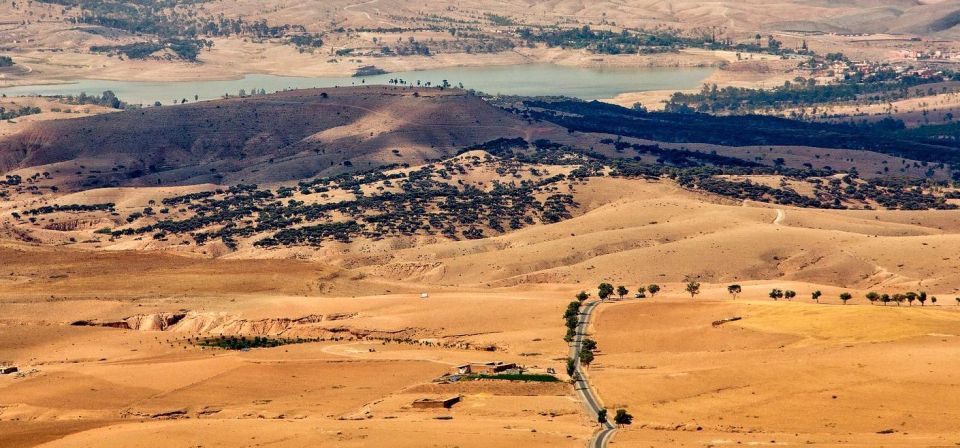
At $22 per person, this tour is priced like a budget outing, but the day includes enough structure that it doesn’t feel cheap. You get transportation, a guide, a camel ride, and lunch, plus real time in different environments: villages, Imlil Valley, and Agafay.
Where it’s a great fit:
- You want a full day outside Marrakesh without changing logistics.
- You like guided cultural context, not just selfies at scenic points.
- You’re okay with short walks and uneven terrain.
Where it may not fit:
- If you have heart problems, the tour is listed as not suitable.
- If you hate hiking or you’re traveling with mobility limits, the Imlil walking portion could be frustrating. Some guests find it manageable, but others warn it’s more strenuous than they expected.
If you’re traveling with kids, the “highlight variety” can help. One family mentioned the camel part was a favorite for teenagers, and the day felt like it flowed nicely. Still, you’ll need to judge the hiking portion for your group.
Your Booking Checklist Before You Go
I’d pack like you’re doing a light day hike plus desert/road time.
Bring:
- Comfortable, grippy shoes
- Sunglasses and sunscreen
- A camera (you’ll want it for Agafay and Imlil)
- Water if you know you run thirsty (the tour includes tea, but you may still want extra)
If you’re going in winter or shoulder season, dress in layers. Even when the walk isn’t long, you can feel the temperature shift from village shade to open valley sun.
And one more thing: if you want a smoother pickup, double-check where your hotel pickup can happen. If your street is tight, expect to walk a bit to the meeting point.
Should You Book This Marrakesh Desert & Mountain Tour?
Book it if you want one day that covers desert vibes, Atlas foothill scenery, village culture, and a real meal in a Berber home. The combination of a camel ride in Agafay, the Imlil Valley waterfall area, and a lunch in Ait Souka hits a sweet spot for first-timers and time-crunched travelers.
Skip or choose carefully if hiking sounds like a dealbreaker, or if you need a strictly low-effort day. Also keep your expectations aligned: it’s a packed experience, not a slow, private nature retreat.
If you do book, aim to go in with good shoes and open curiosity. This is the kind of day where the guide makes a big difference—and the standout names people mention most often (like Oussama, Lahcen, Amina, and Ali) suggest you’re in the right hands when you pick this style of outing.
FAQ
How long is this Marrakesh desert and mountain tour?
It’s a 1-day tour, with the exact starting time depending on availability.
Is hotel pickup and drop-off included?
Yes. The tour includes pickup and drop-off in Marrakesh, with pickup from your accommodation or the nearest accessible meeting point.
Does the price include the camel ride and lunch?
Yes. Transportation, guide, camel ride, and lunch are included in the tour.
Where do you ride the camels?
The camel ride happens around the Agafay Desert camp area. Agafay is described as rocky and dramatic rather than sandy like the Sahara.
How difficult is the Imlil Valley walk?
You should expect a walk with up-and-down terrain. Some people find it manageable, but others note it can feel like more of a hike than expected.
What languages are available for the live guide?
The guide is listed as available in English, French, Arabic, Telugu, and Spanish.
What should I bring for the day?
Bring comfortable shoes, sunglasses, a camera, and sunscreen. If you’re going in cooler months, dress in layers since temperatures can shift.
Is it suitable for everyone?
It’s listed as not suitable for people with heart problems.