REVIEW · MARRAKECH
2-Day Zagora Desert Tour from Marrakech
Book on Viator →Operated by Marrakesh Travel Services · Bookable on Viator
Camel rides and kasbahs start early. This 2-day Zagora trip turns a long drive into a proper route through the High Atlas, ending with a vehicle-free Berber camp night. You’ll pass villages and mountain passes, visit Ait-Ben-Haddou, and then head out to the dunes for stars.
What I really like is the two-part camel experience: a sunset ride into camp and a sunrise ride the next morning. I also like how the itinerary mixes Morocco’s big scenery with real culture stops, especially the UNESCO-listed Ait-Ben-Haddou kasbah guided on-site.
One thing to consider: this is a lot of time on the road for 1 night in the desert. Even when everything runs smoothly, you’re trading comfort for access to Zagora, and that drive can feel long.
In This Review
- Key things to know before you go
- What This Trip Really Gives You (Atlas to Dunes in 48 Hours)
- Day 1: From Marrakech Up Into the High Atlas, Then to Ait-Ben-Haddou
- Stop that matters: Ait-Ben-Haddou
- Ouarzazate: Movie Sets, a 19th-Century Kasbah, and a City-Stop Reset
- The optional part: Taourirte
- Day 1 Ends in Zagora: Sunset Camel Ride and Berber Camp Night
- Dinner, music, and star time
- The Camp Setup and Overnight Comfort (What You’ll Sleep in)
- What I’d pack for the night
- Day 2: Sunrise Camel Ride, Then Back Through the Same Mountain Route
- Price and Value: Is $96.74 a Good Deal for This Much Travel?
- Comfort, Group Size, and the Driver Quality That Can Make or Break It
- Who This Tour Fits Best (And Who Should Rethink It)
- Should You Book the 2-Day Zagora Desert Tour From Marrakech?
- FAQ
- How long is the 2-Day Zagora Desert Tour?
- What is included in the price?
- What is not included?
- Are pick-ups included from Marrakech?
- How many people are in the group?
- Is a vegetarian option available?
- Do I ride camels once or twice?
- What time does the tour start?
- What is the cancellation policy?
- What if the weather is bad?
Key things to know before you go
- Two camel rides: sunset in, sunrise out
- Ait-Ben-Haddou with a local guide, plus UNESCO-level sights
- Small group size (max 15), so you’re not swallowed by a bus crowd
- Berber camp is vehicle-off-limits, reached on camel
- Breakfast and dinner are included, but lunch and bottled water are not
- Luxury upgrade exists, with ensuite tents and extra amenities
What This Trip Really Gives You (Atlas to Dunes in 48 Hours)
This tour is built for one main payoff: a classic desert night experience, with the dramatic road to get there. You’re not just “going to the desert.” You’re moving through Morocco step by step—from the Atlas Mountains, down toward the desert gateway of Ouarzazate, and finally into Zagora.
I like that it’s structured enough to prevent the usual chaos of DIY travel. Pick-up in Marrakech, a set route with scheduled stops, and included camp lodging means you can focus on the experience instead of planning the logistics.
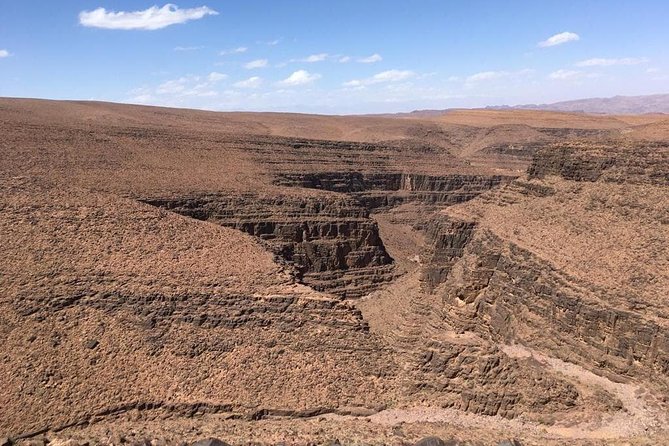
At the same time, it’s still rugged travel. You’ll be on winding roads through mountain passes, and the desert timing matters (sunset and sunrise are the big moments). Weather can also affect how magical the sky looks.
You can also read our reviews of more tours and experiences in Marrakech.
Day 1: From Marrakech Up Into the High Atlas, Then to Ait-Ben-Haddou
You start early—pickup begins from a meeting point at Hôtel Restaurant Café de France near Jemaa el-Fna, with a 7:20 am start time listed. The trip runs in a climate-controlled minivan, which helps a lot once you’re bouncing through the High Atlas.
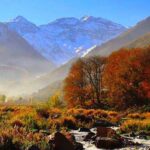
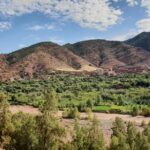
As you head south, you’ll stop frequently for photos in the mountains. This is more than sightseeing breaks. Those stops let you actually enjoy what you’re traveling through: villages, mountain passes, and the slow shift in climate as the air changes. If you tend to get motion sick, plan your seat carefully and take it easy during the road stretches.
Stop that matters: Ait-Ben-Haddou
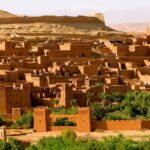
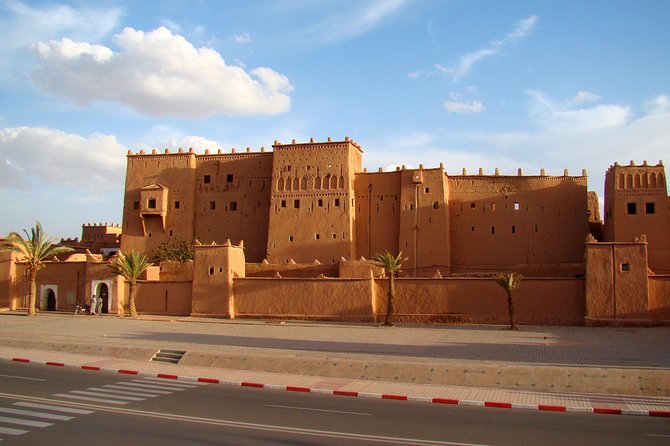
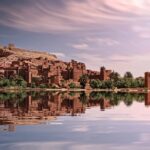
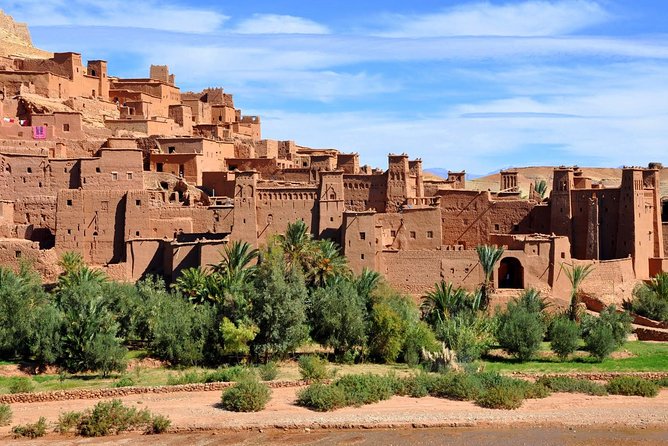
Ait-Ben-Haddou is one of those places where the setting explains why it’s famous. You’ll arrive and meet a local guide for a visit to the kasbah, a UNESCO-listed fortified village. It’s also tied to movie history, including the setting used in Gladiator.
This stop is a real value-add because you don’t just “walk around.” With a local guide, you get context for how the kasbah worked and why it became a film location in the first place. It’s also the best kind of pause: a place you can slow down in instead of rushing through for a quick photo.
One practical note: the visit time is about 1 hour, and the kasbah entry is listed as not included. If you’re budgeting tightly, factor that in.
Ouarzazate: Movie Sets, a 19th-Century Kasbah, and a City-Stop Reset
After the High Atlas and Ait-Ben-Haddou, the day shifts toward the “deserts gateway” city of Ouarzazate. This is where the scenery keeps changing, and it’s also where the itinerary leans into film culture.
You’ll stop in Ouarzazate to visit Atlas Studios (the movie studios). There’s also an optional stop at the Kasbah of Taourirte (listed as optional), and the admission for this Ouarzazate stop is shown as free in the tour info.
What I like about including Ouarzazate is that it gives you a breather from the constant movement. You’re still traveling, but you’re doing it with purpose: one city moment that helps explain how Morocco’s deserts and architecture became movie-famous.
The optional part: Taourirte
Because Taourirte is optional, you’ll want to decide quickly if you’re interested in staying flexible during that hour. If you love architecture and you’re happy to trade a bit of fatigue for more photos and viewpoints, it’s likely worth leaning in.
Day 1 Ends in Zagora: Sunset Camel Ride and Berber Camp Night
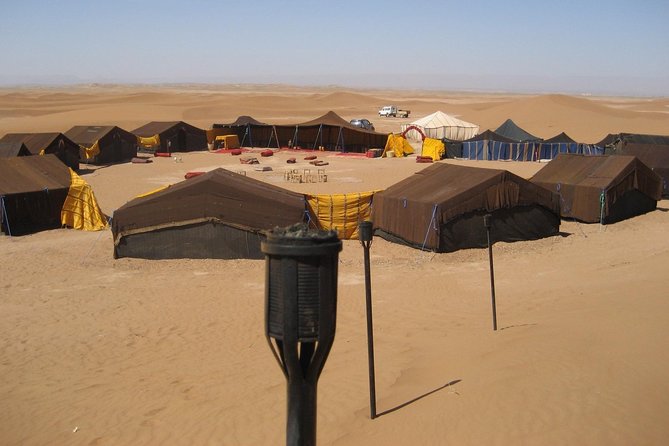
The last leg of Day 1 traces you toward Zagora along the Draa valley. This is when the trip starts feeling less like a bus tour and more like a desert arrival.
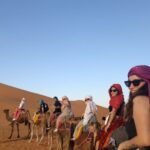
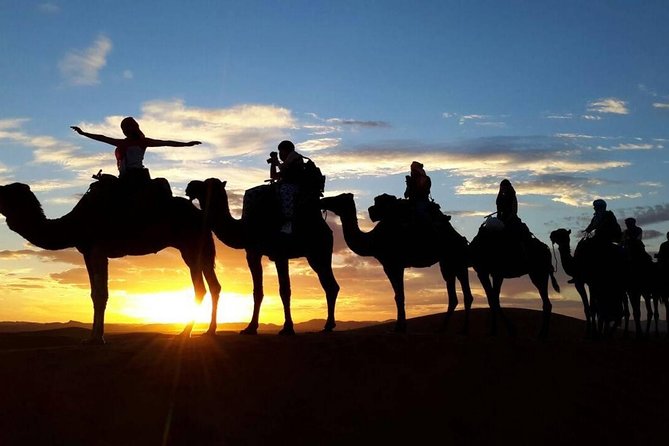
You’ll do a sunset camel ride that brings you to the camp near the dunes. The big idea here is that the camp is set up so it’s accessible by camel, not by vehicle. That matters because it creates that “we’ve left the road” feeling that you don’t get when you pull in by car and walk across a parking lot.
Dinner, music, and star time
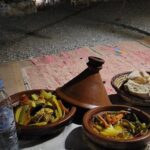
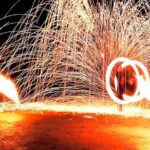
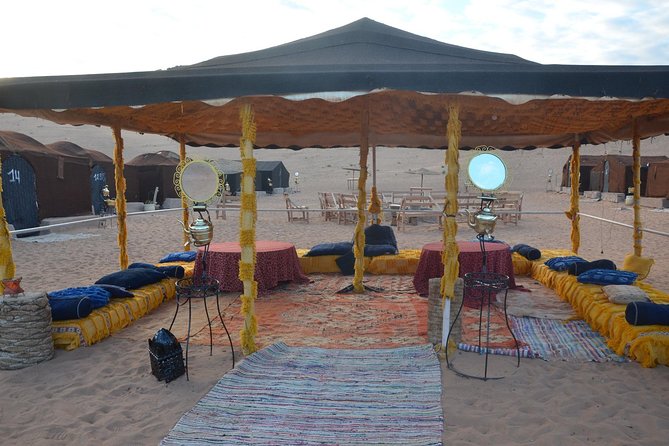
After arrival, you’ll have dinner and spend the night in a tent at a Berber camp (listed as Tizi Camp or similar). From the experiences shared, what people remember most is the atmosphere once you’re settled: music at night, interaction around the campfire, and the stars once the sky opens up.
A few reviews also call out practical comfort points that are worth your attention:
- Toilets and running water are present
- Showers exist, though water pressure and water temperature can be underwhelming
- Bedding is generally comfortable, and spare blankets help when temperatures drop
- Some camps feel close enough to the road that you’re not totally cut off in a wilderness sense
Also keep expectations realistic about timing. If you arrive and cloud cover rolls in, the sunset and sunrise views can soften. You can’t control weather, but you can control your attitude—bring layers, and treat the sky as a bonus, not a guarantee.
The Camp Setup and Overnight Comfort (What You’ll Sleep in)
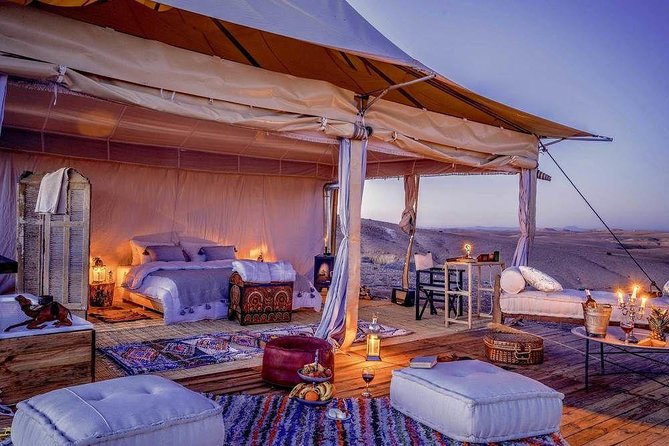
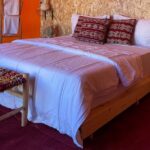
You’re sleeping in a Berber-style campsite for this standard version. The key comfort trade-off is that it’s desert camping, not a hotel. Still, the included setup is clearly designed to be livable: beds, blankets, and basic facilities.
If you upgrade to the luxury Zagora 2-day trip, you’re told you’ll get an ensuite tent and other amenities. That upgrade is mainly about sleep comfort and private bathroom convenience, not about “changing the desert.”
What I’d pack for the night
The tour info doesn’t list packing details, but it’s smart to bring:
- A warm layer for after dark
- A flashlight/headlamp
- Small snacks just in case you want something beyond the included meals
- Your own plan for water, since bottled water isn’t included
And yes, plan for dust. The desert route plus camp time makes that hard to avoid.
Day 2: Sunrise Camel Ride, Then Back Through the Same Mountain Route
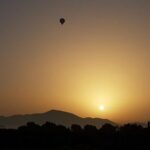
Day 2 starts with a breakfast before the second camel ride. This one is the sunrise ride, and it’s the moment that makes the extra long drive feel worth it if you’re the sky-watching type.
From one shared experience, there’s sometimes a chance to climb a nearby hill (around 40 m) to get a better sunrise view. That’s not guaranteed in the basic tour description, so treat it as a “nice if offered” bonus, not a promise.
After sunrise, you rejoin the minivan in Zagora and start the return trip to Marrakech. The ride back is again packed with scenery stops, and it’s generally the same idea: you can either treat the road as time you endure, or treat it as a second chance to notice how Morocco shifts as you climb back toward the Atlas.
Price and Value: Is $96.74 a Good Deal for This Much Travel?
At $96.74 per person, the price looks low for what you’re getting on paper: pickup and drop-off, air-conditioned transport, an overnight in a Berber camp, 1 breakfast, 1 dinner, and two camel rides (sunset and sunrise). You’re also getting a guided UNESCO kasbah visit through Ait-Ben-Haddou.
Here’s how I’d judge value, practically:
- If you want the desert night experience but don’t want to coordinate transport, lodging, and timing yourself, the package is efficient.
- If you’re a slow traveler, the price still makes sense because the overnight is included and the sunrise ride is part of the “whole event.”
- If you’re hoping for lots of stops that feel unhurried, the itinerary can feel tight because the main constraint is the road time.
Also note what’s not included: lunch and bottled water. That’s normal for multi-day road tours, but it affects your total cost if you’re used to buying fewer extras.
Comfort, Group Size, and the Driver Quality That Can Make or Break It
This is a small-group experience with a maximum of 15 travelers, which is a major plus. A smaller group usually means fewer delays and less waiting around when people need a bathroom break or a moment to stretch.
Driver quality comes up strongly in the experiences you provided. Names like Hamid, Abdel, and Damou show up as standouts, praised for safe driving, good English, and keeping the group comfortable with stops at viewpoints. People also mention little practical perks like phone charging and letting music play through the van audio, which sounds trivial until you’re sitting on long roads.
The one comfort caution: some people report the A/C wasn’t working well during hot stretches. Since the tour info says the minivan is climate-controlled, I’d treat this as a “bring layers and expect it can happen sometimes” risk rather than assume it will be perfect.
Who This Tour Fits Best (And Who Should Rethink It)
This tour is a strong fit if:
- You want a classic desert overnight with camel rides and stargazing
- You like structured itineraries that get you to major stops like Ait-Ben-Haddou
- You prefer small groups over big bus crowds
- You’re okay with a long road portion to reach Zagora
It may be a tougher fit if:
- You’re sensitive to motion sickness and can’t manage long winding drives
- You expect a remote, wilderness-level camp far from the road (some camp experiences can feel relatively close)
- You hate tight timing at stops and want slow, in-depth time at every location
If you’re unsure, be honest with yourself about the road. This is a “get there by car, enjoy the payoff at night and in the morning” type of trip.
Should You Book the 2-Day Zagora Desert Tour From Marrakech?
Yes, I’d recommend it for most first-timers who want the desert experience without DIY stress. The combination of two camel rides, camp dinner with star time, and the UNESCO visit at Ait-Ben-Haddou is good value for a package at this price.
My “maybe not” advice is simple: if you dislike long drive days or need lots of detailed explanations and slow pacing, you might feel rushed. If that’s you, consider whether you’d be happier with a slower trip length.
If you do book, come prepared for the travel day. Pack water where you can, bring warm layers for the night, and put your energy into the big moments: sunset ride, camp night, and the sunrise ride.
FAQ
How long is the 2-Day Zagora Desert Tour?
It runs for about 2 days.
What is included in the price?
You get hotel pick-up and drop-off, an overnight stay in a Berber camp (Tizi Camp or similar), 1 breakfast and 1 dinner, camel rides in Zagora (sunset and sunrise), and transport by air-conditioned minivan.
What is not included?
Lunch and bottled water are not included.
Are pick-ups included from Marrakech?
Yes. Pickup and drop-off are included.
How many people are in the group?
The maximum group size is 15 travelers.
Is a vegetarian option available?
Yes. A vegetarian option is available if you advise at booking.
Do I ride camels once or twice?
Twice. You’ll have a camel ride at sunset and another at sunrise in Zagora.
What time does the tour start?
The listed start time is 7:20 am, with the tour ending back at the meeting point.
What is the cancellation policy?
You can cancel up to 24 hours in advance for a full refund.
What if the weather is bad?
The experience requires good weather. If it’s canceled due to poor weather, you’ll be offered a different date or a full refund.