REVIEW · MARRAKESH
From Marrakech: 2-Day Desert Excursion
Book on GetYourGuide →Operated by Maroc Expedition Travel · Bookable on GetYourGuide
Desert stars start with a very early start. This 2-day excursion from Marrakech strings together Ait Benhaddou, a camel ride at sunset, and one night in a Berber camp near Zagora, with the Draa Valley palms and Anti-Atlas mountain passes as the setting. I love that the trip gives you both history and wide-open sky, without pretending it is a multi-day trek.
Two things I really like: the structure is built around real stops (not just a long highway transfer), and the camp experience is meant to feel social and local, not like a factory stop. On many departures, guides such as Youssef or Said are known for keeping the day moving with humor and clear explanations, which helps when the schedule is packed.
One drawback to plan for: you spend a lot of time in the vehicle across two long road days. If you hate long drives, this may feel like too much transit for too little desert time.
In This Review
- Key points to know before you go
- Marrakech to Ait Benhaddou: the long morning ride that pays off
- UNESCO Ait Benhaddou and the movie-set feel you can walk through
- Ouarzazate stops: film studios, sandstone tones, and quick cultural fuel
- Anti-Atlas passes and the Draa Valley palms: why the road matters here
- Zagora camel sunset: the emotional highlight (and what to expect)
- Berber camp night in a traditional tent: dinner, music, and a sky you notice
- Sunrise over the desert and the second camel ride back
- Taourirt Kasbah and Museum of Cinema: the 40-minute choice that adds culture
- Price and logistics: is $86 good value?
- Who this 2-day excursion suits best
- Should you book this tour or not?
- FAQ
- Where is the meeting point in Marrakech?
- What does the $86 per person price include?
- Is a local guide included at Ait Benhaddou?
- How long is the excursion?
- What languages is the live tour guide available in?
- Do I get picked up from my hotel?
- What should I bring with me?
- Is it suitable for young children or people with mobility impairments?
Key points to know before you go
- UNESCO stop at Ait Benhaddou: walk a fortified ksar that has doubled as a film location for decades.
- Camel sunset in Zagora: the golden-hour ride is the emotional highlight, even though the dunes are more pre-Sahara than deep Erg.
- 1 night in a Berber tent: dinner with the camp crew and a night sky that really shows off.
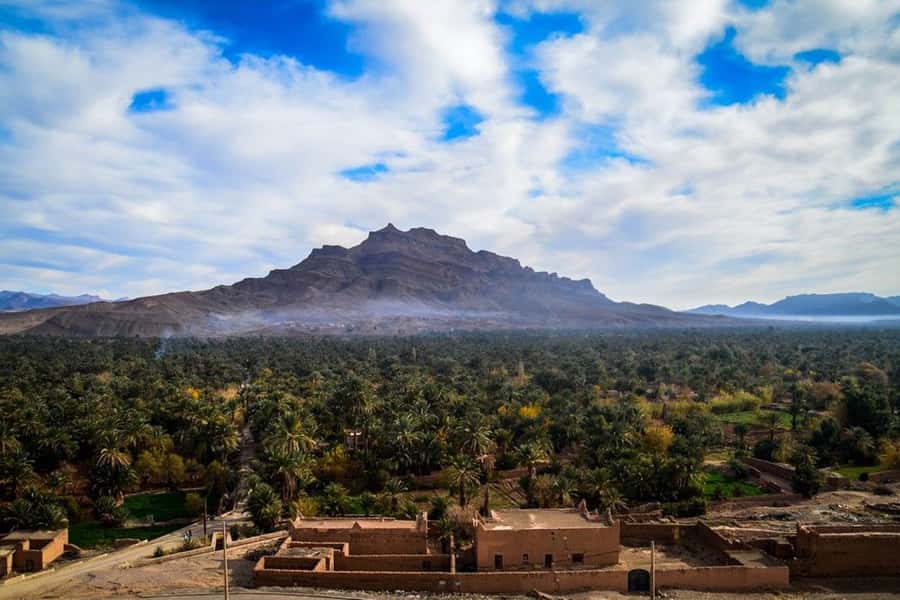
- Draa Valley palms: you’ll pass the famous Draa corridor with an 11-million-palm backdrop.
- Anti-Atlas passes: mountain roads and viewpoints are part of the “why” of the trip, not just the drive.
- What you pay extra for: lunches, drinks, and optional local guides are not included, so budget cash for day-of spending.
Marrakech to Ait Benhaddou: the long morning ride that pays off
Marrakech departures start early, and you’ll head out through valleys and hills in an air-conditioned vehicle. The route climbs as well, reaching about 7,400 feet, which is part of why the views start changing fast even before you hit the major sights.
This “drive first” setup is actually smart. You’re not just being transported—you’re being shown the transition from the Atlas region toward the desert edge. The best part is that the day is paced with chances to rest and look around, so you don’t feel trapped in your seat for every single mile.
If you’re prone to motion sickness, it helps to bring a small comfort kit (water, a snack, sunglasses). Also, it is worth having your phone ready for any small timing hiccups; this kind of tour runs on road schedules, not airport precision.
You can also read our reviews of more tours and experiences in Marrakesh.

UNESCO Ait Benhaddou and the movie-set feel you can walk through
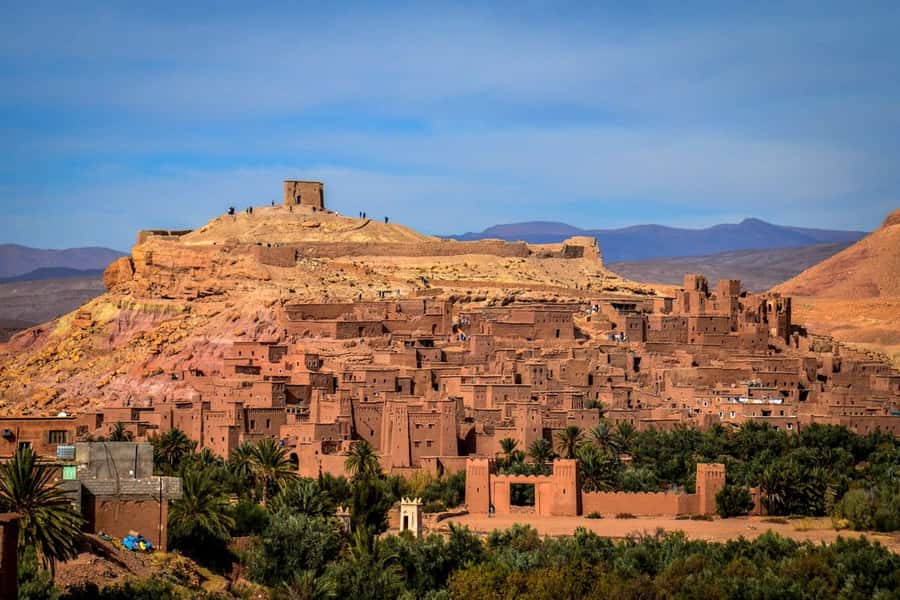
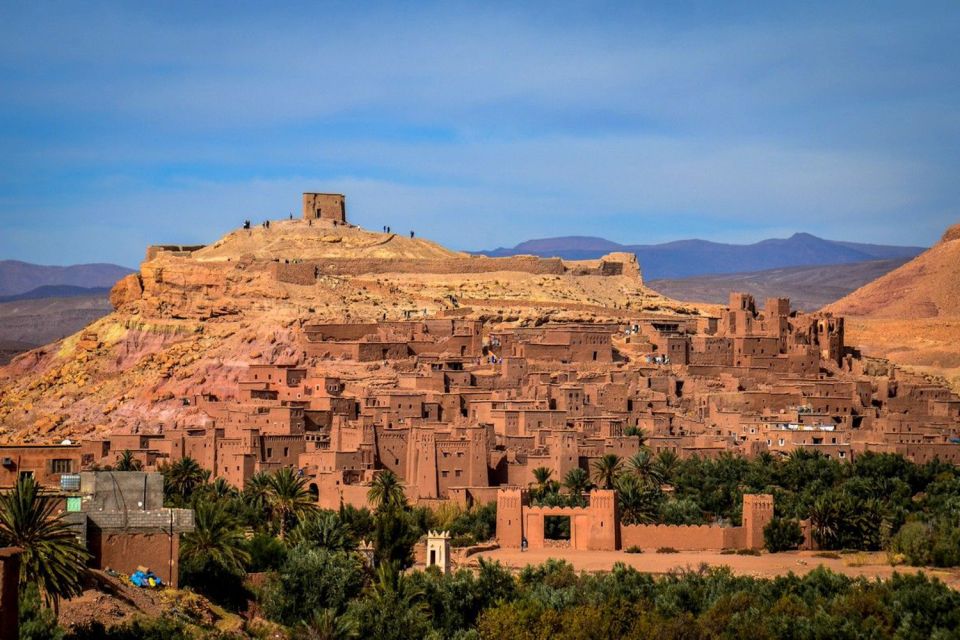
Ait Benhaddou is the kind of place you understand immediately, even if you only know it from film scenes. It’s a World Heritage ksar on a former caravan route, and you’ll see why travelers keep returning to the same walls and alley angles.
What makes the visit special is that you can explore at your own pace, but there is also an optional local guide if you want deeper context. You’ll also hear about famous films shot here—Lawrence of Arabia, Time Bandits, Kundun, and The Mummy—and once you walk the lane layout, those references click.
Practical tip: lunch is on you in Ait Benhaddou, so plan for that break. I also like that the stop is long enough for wandering rather than a “photo and vanish” moment. You’ll still move on, but you won’t feel rushed.
Ouarzazate stops: film studios, sandstone tones, and quick cultural fuel
After Ait Benhaddou, the drive heads through Ouarzazate, often described as the gateway town where the desert region feels close. You’ll pass film studios and spot the sandstone architecture style that makes the area look built for movies even when nothing is filming.
One thing to know: Ouarzazate is also where you reset mentally. It’s not only about the visuals; it’s about energy management before the camel ride day. You get time to regroup, grab food, and keep your day moving without feeling like you’re skipping meals.
Later, on the second day, you’ll get another Ouarzazate stop of about 40 minutes. That’s enough time to choose the Kasbah of Taourirt or the Museum of Cinema (optional), but not enough to treat it like a full city visit. Go in with one priority and you’ll be happier.
Anti-Atlas passes and the Draa Valley palms: why the road matters here
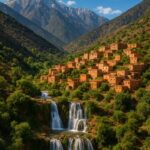
The “in-between” portion of this trip is actually a big part of the value. You’ll drive through the Anti-Atlas Mountains and cross the Tizi’n-Tinifft pass, then continue through greener pockets and valley towns like Agdz and the Draa Valley.
The Draa Valley moment is memorable for its scale: you’ll see the famous claim of 11 million palm trees. Even if you’ve seen palm-lined valleys before, the way the road threads through this corridor makes it feel like you’re traveling through an old irrigation system that still shapes daily life.
The payoff is that you arrive at Zagora already feeling like you’ve traveled somewhere real. The desert camel ride won’t feel random because you’ve already seen the mountain-to-desert transition.
Zagora camel sunset: the emotional highlight (and what to expect)
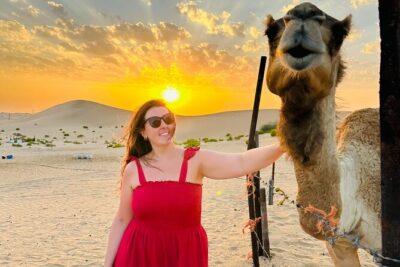
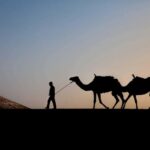
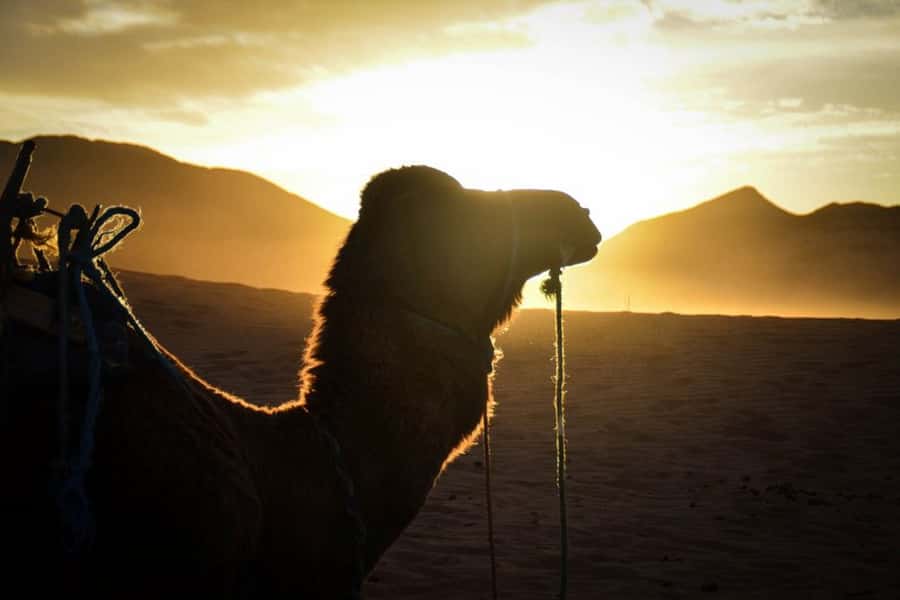
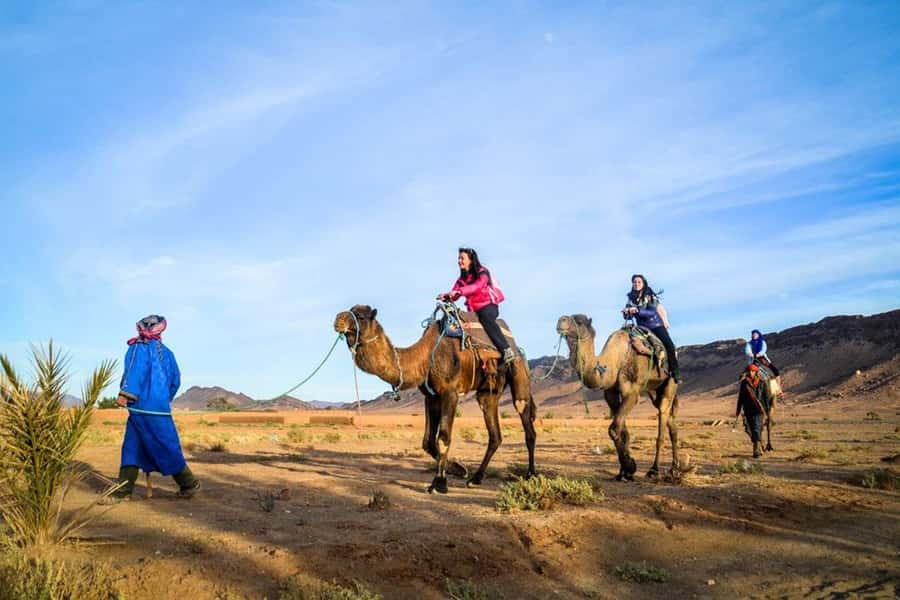
Zagora is where you switch from vehicle to camel. You’ll transfer to a well-behaved camel and head out for a sunset camel trek over the dunes.
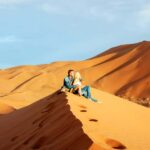
This part tends to be the ticket reason people book: camel silhouettes against the fading light, the dunes stretching farther than you expected, and the mood shifting from sightseeing mode to “watch and feel it” mode. Many departures keep the camel time to roughly under an hour, often along dirt tracks and dune edges rather than deep, endless sand seas.
Important reality check: this is a short desert excursion. You get that desert edge experience, but not the huge sea-of-dunes style you’d typically associate with longer Saharan trips.
If you care about comfort, wear jeans or something sturdier than very flimsy fabric. Some saddles can feel bumpy for a while, and the ride is more physical than a lot of people expect.
Berber camp night in a traditional tent: dinner, music, and a sky you notice
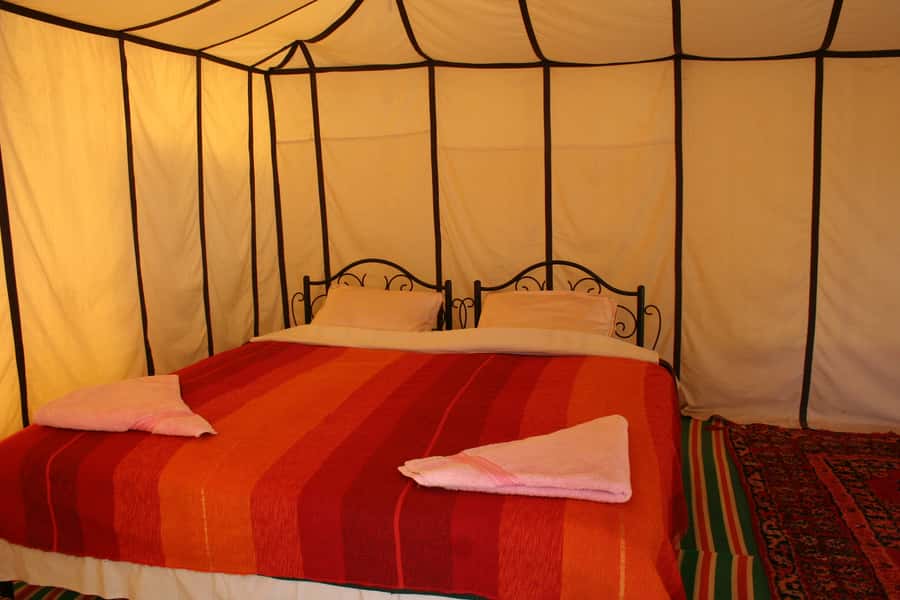
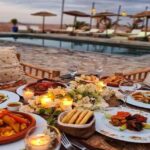
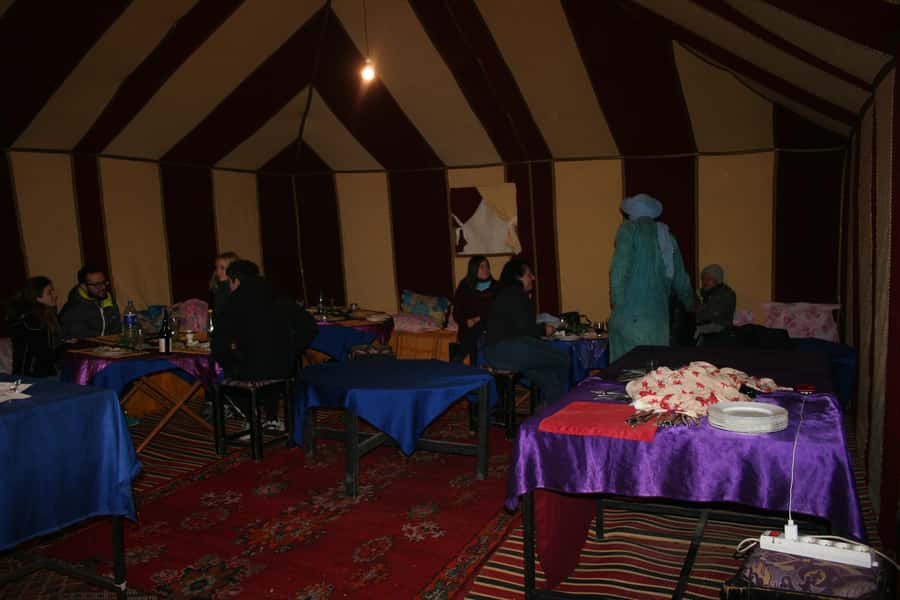
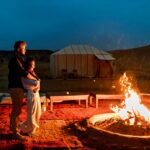
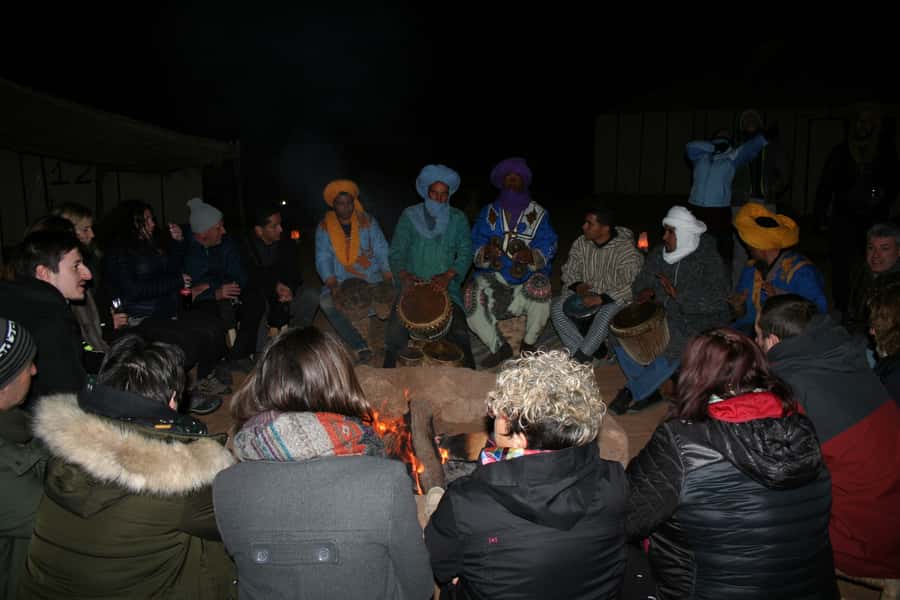
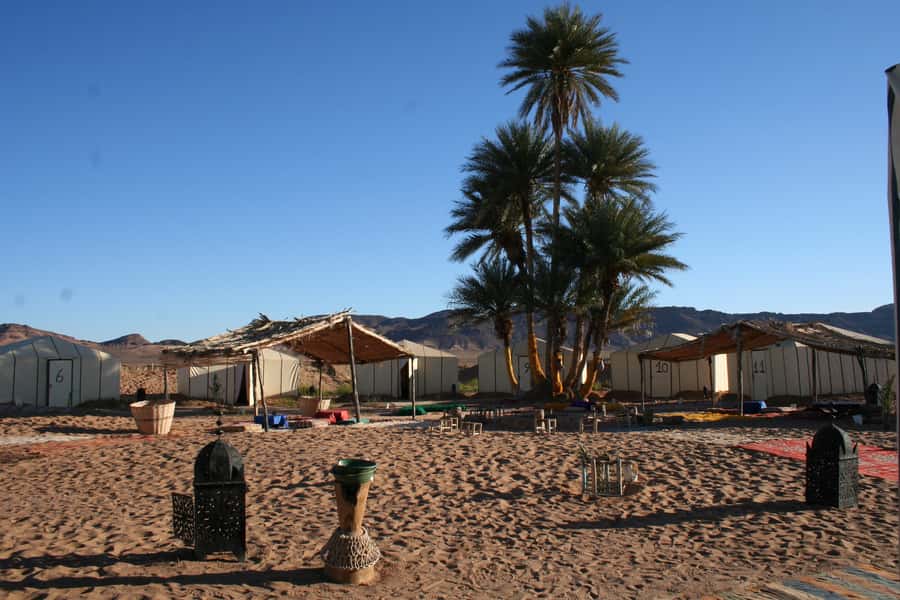
Dinner is served at your camp in the desert, and you’ll spend the night in a traditional Berber tent. The camp crew is family-based in feel, and the evening is often lively, with music and sing-alongs around the fire.
From the on-the-ground reports you provided, camp tents are described as clean and equipped enough to sleep comfortably, with shared bathroom setups and a common area where you can sometimes charge your phone. Some nights include a hot shower, but you should still pack toiletries because it’s not the kind of place where convenience items are guaranteed.
The stars are the payoff. In a sky this dark, you don’t just see stars—you notice how many there are. If you’re lucky, you may also catch the occasional shooting star.
Possible consideration: camp check-in and explanations can feel a little chaotic on arrival. If you’re the type who hates uncertainty, you’ll do better if you ask a simple question right away: when dinner happens, where showers are, and what time sunrise viewing is.
Sunrise over the desert and the second camel ride back
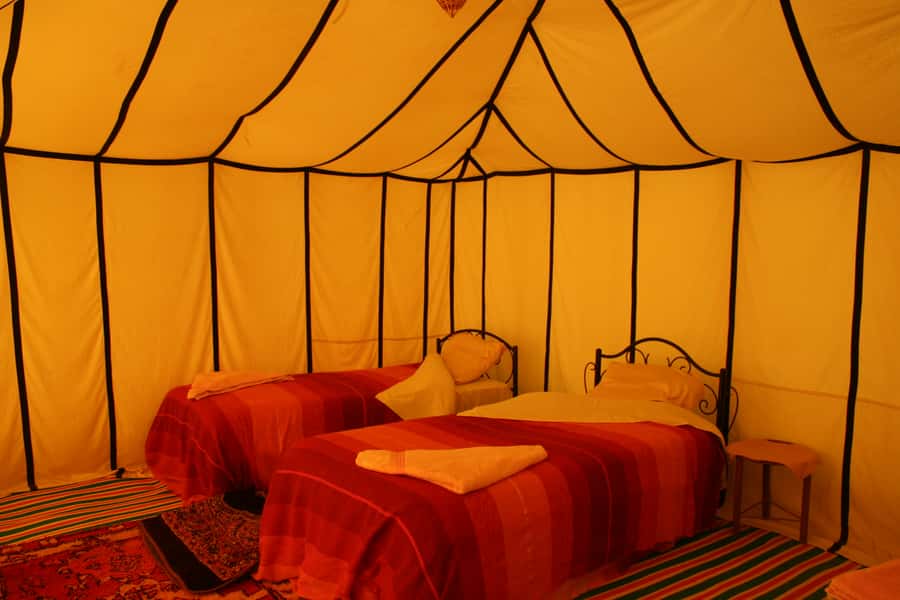
The next morning starts early for sunrise. You wake up at the camp, see the first light over the dunes, and then handle basics like showering and breakfast.
After breakfast, you ride again—this time back toward Zagora—so the day doesn’t end with just one camel moment. It’s a good rhythm: sunset for the big feeling, sunrise for the quieter, cooler light.
Once you’re back, the vehicle time returns. You’ll drive from Zagora through the Draa Valley and the Anti-Atlas Mountains back toward Ouarzazate, then continue onward to Marrakech.
Taourirt Kasbah and Museum of Cinema: the 40-minute choice that adds culture
Before heading to Marrakech, you’ll have a short stop in Ouarzazate—about 40 minutes—and you can focus on either the Kasbah of Taourirt or the Museum of Cinema.
I like this kind of “choose-your-own” stop because the day already does a lot. If you enjoy architecture and old fort-style buildings, the kasbah fits well. If you prefer film and production history, the cinema museum is a logical match.
Either way, you’re not trying to conquer everything. You’re adding one more layer before the drive ends.
Price and logistics: is $86 good value?
At $86 per person, the price is positioned as a value deal for what you’re getting: Marrakech-to-desert transport, a driver, 1 night in a desert camp, dinner and breakfast, and camel trekking (one camel per person).
Where the math matters is in what’s not included. Lunches along the route are extra, and you’ll likely want snacks and drinks for the road. Reviews also suggest cash is important because not every spot is set up for card payments, and you may want money for small purchases and tips.
Here’s the realistic budgeting mindset I’d use:
- Plan to pay for at least two lunches (and any snacks you want between stops).
- Budget extra money for drinks at the camp and along the way.
- If you want a local guide at Ait Benhaddou, that’s optional and not included.
On the comfort side, the vehicle is described as modern and air-conditioned, with regular stops for breaks. That helps a lot because the driving time is the main trade-off of the itinerary.
Who this 2-day excursion suits best
This trip fits you if:
- You have limited time in Marrakech and still want a true desert night.
- You want Ait Benhaddou plus a camel ride without committing to a week-long Sahara plan.
- You like the idea of a social camp evening and a sky full of stars.
It may feel like the wrong fit if:
- You strongly dislike long vehicle days.
- You’re expecting a full “deep dunes” Saharan expedition rather than the desert edge experience near Zagora.
If you’re traveling as a couple, solo, or a small group, it’s also a good match because the day is driven by a clear schedule and a live guide in English, French, or Spanish (depending on your group).
Should you book this tour or not?
Book it if you want the most Morocco-per-day from Marrakech: Ait Benhaddou, mountain-road scenery, a sunset camel ride, and one real night in a Berber camp. The $86 price can feel fair because it includes the hardest parts to arrange yourself—transport, camping overnight, meals, and camel time.
Skip or consider a longer desert option if you crave hours and hours of pure dune wandering. This itinerary gives you the desert feeling in two days, not the multi-day scale of the farthest sand seas.
If you do book, I’d pack for comfort and temperature: warm layers for the desert, comfy shoes for walking in the ksar, and enough cash for lunches and small extras. Also, ask your guide early about what to expect at camp so the evening starts smooth.
FAQ
Where is the meeting point in Marrakech?
You meet at Hôtel Restaurant Café de France.
What does the $86 per person price include?
The included items are transportation from Marrakech, driver, hotel pickup and drop-off if the private option is chosen, 1 night in a desert camp, dinner and breakfast, and camel trekking (one camel per person).
Is a local guide included at Ait Benhaddou?
No. A guided tour at Ait Benhaddou is optional and not included.
How long is the excursion?
It runs for 2 days.
What languages is the live tour guide available in?
The live tour guide is available in English, French, and Spanish.
Do I get picked up from my hotel?
Pickup is optional. The private option may include hotel pickup and drop-off.
What should I bring with me?
Bring a passport or ID card, comfortable shoes, and sunglasses.
Is it suitable for young children or people with mobility impairments?
It is not suitable for people with mobility impairments. Children under 4 years old are not admitted on the shared tour.