REVIEW · CAIRO
Private Day Tour Giza Pyramids, Sphinx, Memphis, and Saqqara
Book on Viator →Operated by Emo Tours Egypt · Bookable on Viator
One day, four ancient showstoppers. The combo of Giza and Saqqara in a single loop is a big value, especially with hotel pickup and air-conditioned private transport. I also like that admission is built into the schedule so you can spend less time juggling tickets and more time looking (and photographing) the monuments. One real consideration: the day can include planned stops for papyrus, perfumes, cotton, and carpets, so if you hate shopping pitches, you’ll want to set boundaries early.
Key points I’d care about before you book
- Hotel pickup and drop-off from Cairo or Giza means you start relaxed, not hunting taxis at 9 a.m.
- Admissions included helps cut ticket line time, though the tour notes some entry covers basic areas only.
- A private vehicle with A/C is not a luxury here; it’s how you stay functional between sites.
- Photo-focused guidance is a repeat theme, with guides helping you find strong viewing angles.
- Saqqara isn’t just one pyramid; you get the evolution angle with multiple structures like Step Pyramid and Pyramid Texts at Unas.
- Planned shopping stops can be short or long depending on your guide and your preferences.
In This Review
- The Big Picture: Why This Cairo Private Circuit Makes Sense
- Price and Logistics: What You’re Really Paying For
- Hotel Pickup to Giza Plateau: Start the Day With Momentum
- The Great Pyramid Zone and the Sphinx: Views, Angles, and Time Pressure
- Saqqara Step Pyramid to Pyramid Texts: Where the Story Gets Real
- Memphis: Statues, City Energy, and the Alabaster Sphinx
- The Planned Shopping Stops: Papyrus, Oils, Carpets, and How to Handle Them
- Guide Quality Makes or Breaks the Day
- Is This a Good Value for $65?
- Who Should Book This Private Giza, Saqqara, and Memphis Tour?
- Should You Book This Tour?
- FAQ
- What’s included in the tour price?
- Are pyramid and site admissions included?
- How long is the tour?
- Do I get hotel pickup and drop-off?
- Are there shopping or craft stops during the day?
- What’s the cancellation policy?
The Big Picture: Why This Cairo Private Circuit Makes Sense
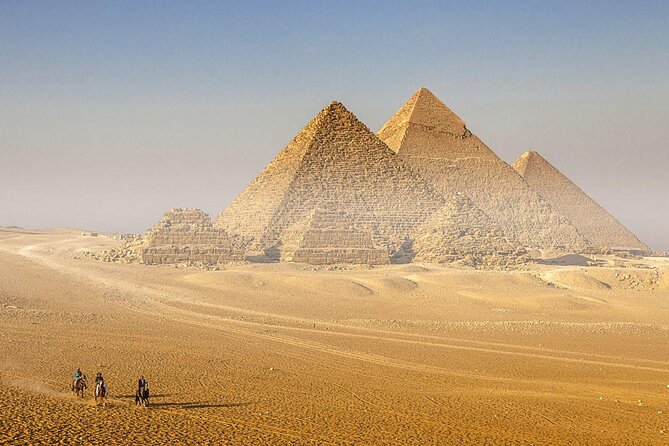
This is a long, efficient day built around three of Egypt’s most iconic Ancient Egyptian landscapes: Giza, Saqqara, and Memphis. You get the main pyramid drama at Giza, then you move to Saqqara where the “how pyramids evolved” story comes through better. Finally, Memphis adds the feel of an older capital city with monumental statues and the famous Alabaster Sphinx.
At $65 per person for about 8 hours in a private A/C vehicle with guide and bottled water, the value comes from stacking what you’d normally pay for separately: local transport, a guide, and included admissions. If you’re only in Cairo for a short time, that bundling matters.
The only catch is behavioral, not logistical. Some parts of the day can tilt toward purchases (perfume, papyrus, cotton, carpets). If you’re the type who wants monuments, not salesrooms, this can feel like wasted minutes—unless you clearly steer the day.
Price and Logistics: What You’re Really Paying For
You’re paying for three things that are hard to DIY well in Cairo traffic: a driver, a professional guide, and time management across multiple sites. The private format also matters. Instead of waiting for a big bus group, you can move with fewer delays and get help navigating busy areas.
The tour includes entry fees and hotel pickup/drop-off, plus bottled water. That removes the most annoying parts of self-planning: ticket logistics and transportation between distant points.
A practical note: some stops indicate admission ticket is not included, and the tour also says entry fees cover basic area only. So if you want specific additional areas or special access at certain monuments, you should be prepared for possible extra tickets on-site.
You can also read our reviews of more tours and experiences in Cairo.


Hotel Pickup to Giza Plateau: Start the Day With Momentum
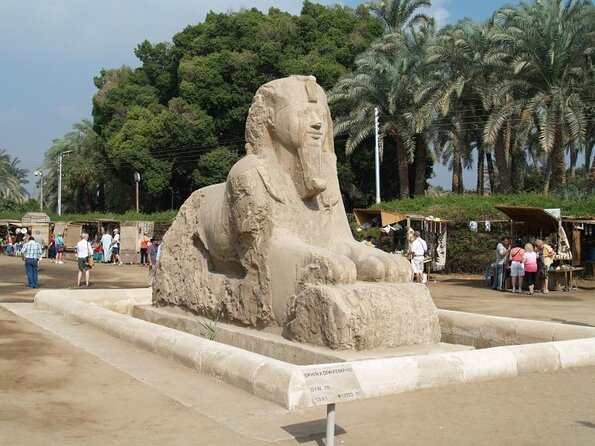
The day begins with pickup from your hotel in Cairo or Giza. That’s a big deal here because you can’t fully enjoy pyramids while wrestling with navigation, time wasted, and heat.
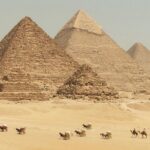
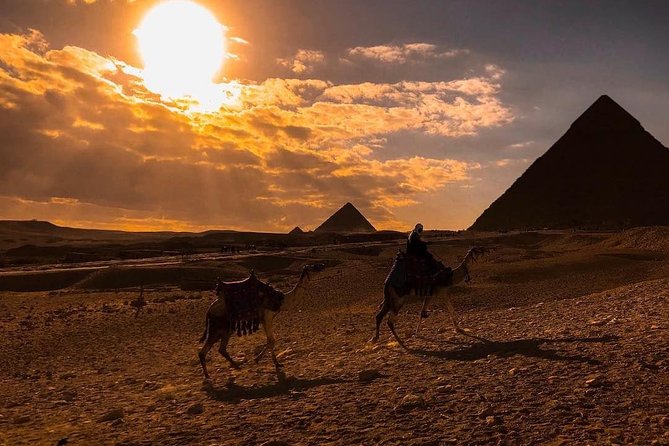
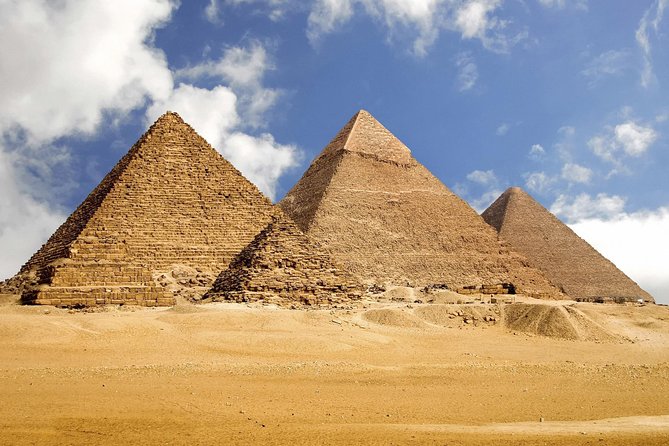
Once you’re in the vehicle, you’ll head for the Giza Necropolis / Giza Plateau, typically with a substantial block of time. This is where you get the full skyline payoff: the Great Pyramid of Giza (Khufu), plus the Pyramid of Khafre and Pyramid of Menkaure, set against the Western Desert edge.
What I’d watch for at this stage is how your guide builds pacing. Some guides keep the day moving so you see the big icons fast. Others take time to explain details and lead you to viewpoints with fewer crowds. Either way, the benefit of a guided private day is that you don’t have to guess where to stand for the best angles.
The Great Pyramid Zone and the Sphinx: Views, Angles, and Time Pressure
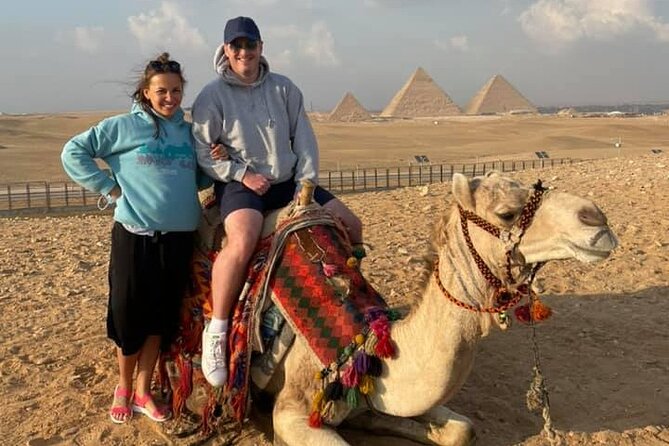
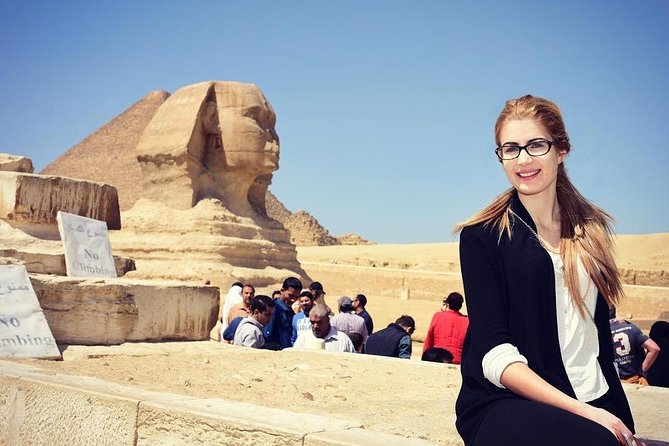
At Giza, the route is structured to cover the major pyramid complexes and the Great Sphinx of Giza. The Sphinx stop is usually straightforward: short, focused time at the monument with classic sightlines and photo chances.
Here’s the reality of pyramid visits: the sites look similar from a distance, but the best experience comes from close comparisons. The Great Pyramid area is connected to the broader Khufu complex concept, including valley temple details you may hear discussed. Khafre and Menkaure each have their own complex components, and your guide’s explanation is what turns it from three big shapes into a story of builders, materials, and funerary design.
The main drawback risk at Giza isn’t the monuments. It’s how tightly the minutes get squeezed. Some people feel they spend less time than expected at Giza unless they push back on extra activities. If your priority is slow wandering and photos without sales pressure, I’d ask your guide early to protect your time at each pyramid area and to skip upsells you don’t want.
Also be ready for the fact that you’ll likely be offered additional paid experiences—camel rides and buggy-style options show up in the conversation. If you want only monuments and photos, say so at pickup. Some guides will accommodate better than others, and private tours work best when you set preferences upfront.
Saqqara Step Pyramid to Pyramid Texts: Where the Story Gets Real
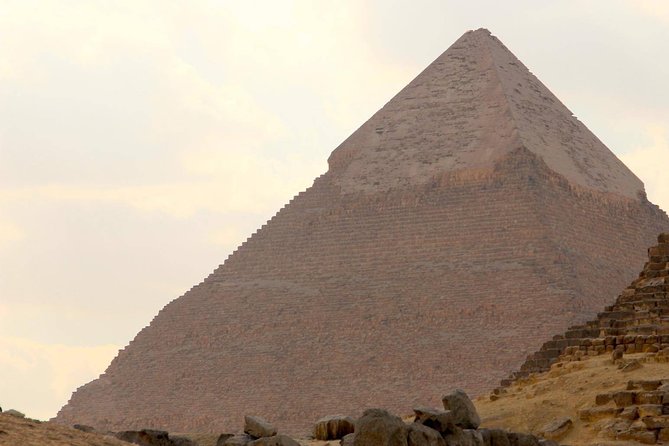
If Giza is the headline, Saqqara is where the book starts to make sense.
You’ll visit the Step Pyramid of Djoser, which is a key step in pyramid evolution—moving from earlier mastaba-style tomb shapes toward the true pyramid form. Even if you’ve seen photos, this is one of the few places where you can connect the dots between engineering and belief without feeling like you’re just looking at dust.
Then you’ll move through additional Saqqara structures such as the Pyramid of Unas and the Pyramid of Teti, plus the Mastaba of Ti. Unas is especially notable because it’s tied to the tradition of Pyramid Texts—inscribed spells designed for the afterlife. That detail is the difference between a generic pyramid stop and a moment that feels intellectually satisfying, even if you’re short on time.
One more practical benefit: Saqqara tends to feel less like one single-photo-stop and more like a site you can understand in zones. If your guide is good at turning history into simple visuals, this is where the guided part really pays off.
Memphis: Statues, City Energy, and the Alabaster Sphinx
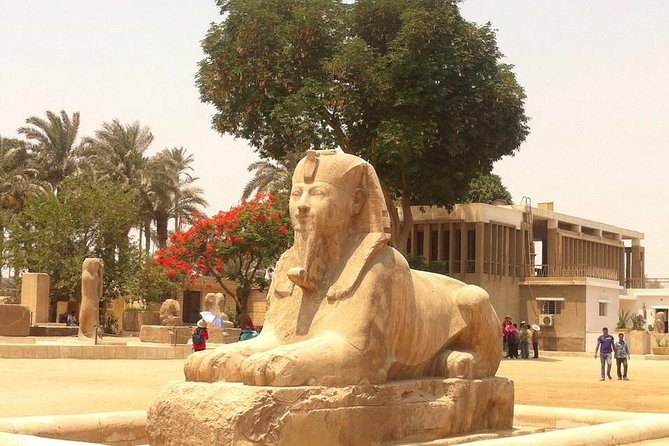
After Saqqara, the tour heads to Memphis, described as an ancient capital dating back to around 3100 BCE. This is your shift from pyramid evolution to royal power expressed through monuments and statuary.
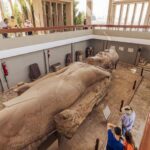
In Memphis, the big draws mentioned are the colossal statue of Ramses II and the great Alabaster Sphinx. This stop is shorter than the pyramid blocks—think more of a focused visit than a long linger—but it’s a satisfying change of pace. You go from tomb architecture to the feel of a political center where stone monuments advertised authority.
The best use of this hour is to slow down for the texture and scale. Statue viewing is one of those things that looks “okay” from afar and then lands harder when you’re standing close, reading the shapes and proportions your eyes can’t judge from photos.



The Planned Shopping Stops: Papyrus, Oils, Carpets, and How to Handle Them
This tour includes built-in stops connected to traditional products and souvenir shopping. The tour notes short stops (about 20 minutes each) for places like:
- Paradise Perfumes and soft Egyptian cotton / natural oils
- Key of Life Papyrus for papyrus making and traditional artwork
- Handmade Carpets for rug weaving and local school demonstrations
- Government stops aimed at finding higher quality souvenirs
I’m not anti-shopping. Useful art-and-craft stops can be fun. But you need to go in with your eyes open: these are timed into the day, and they can feel like a second itinerary.
If you want the day to stay monument-first, tell your guide clearly at pickup that you want minimal browsing and no sales pressure. Some guides can steer you toward quick viewing and back to the vehicle. Others may still encourage you into pitches.
My advice: treat these stops as optional value-adds. If you like crafts, enjoy them. If you don’t, don’t let politeness drain your pyramid time.
Guide Quality Makes or Breaks the Day
This is one of those tours where the guide tone changes everything: fast and factual, or slow and explanatory, or chatty and photo-focused. The review names show up all over—people report great experiences with guides such as Usam, Ihab/Ehab, Mona, Tonsi, Halawani, Hazem, Osama, Michael, and Farah.
Even when a guide is strong, you still have control points:
- Ask for your photo stops to be planned with less wandering.
- If you want less shopping, repeat that preference in the first hour.
- If time starts running, ask which monument is the priority and commit to it.
Private tours work best when you treat your guide like a collaborator, not just a driver with an accent.
Is This a Good Value for $65?
For the average traveler, this is mostly good value if you want a guided day that hits the big sites in one shot. The value strengthens when you factor in what you’d otherwise spend on: separate transport, separate entrance logistics, and a guide for explaining the differences between pyramid complexes and funerary concepts.
Where it can feel less like a deal is if your personal style clashes with the shopping time. If you’d rather pay more for a monument-only schedule, this may frustrate you. The day’s “included” admissions help, but extra paid add-ons like camel rides or buggy-style options can add costs if you’re not ready.
So my rule of thumb:
- If you’re okay with brief craft stops and want a guided route, this price is fair.
- If you want maximum time inside major monuments and zero sales pressure, you’ll want to confirm the day’s shopping timing and options before booking.
Who Should Book This Private Giza, Saqqara, and Memphis Tour?
This tour fits best if you:
- Have limited time in Cairo and want both Giza and Saqqara in one day
- Want a guide to explain differences between Khufu, Khafre, and Menkaure complexes
- Like seeing the pyramid evolution story, not just looking at famous monuments
- Value private A/C transport and hotel pickup to cut stress
It might be a poor match if you:
- Hate souvenir and workshop stops and want a monument-only itinerary
- Need a very slow pace with long unstructured time at each site
- Don’t want any pressure toward optional experiences like camel rides or buggy tickets
Should You Book This Tour?
Yes, I’d book it if your priorities are the big-ticket sites and you want the day handled for you: pickup, transportation, admissions, and a guide who can help you get the best angles at Giza and the logic of pyramid development at Saqqara. At $65 with included entry and private A/C, it’s a practical way to pack real Ancient Egyptian highlights into a single itinerary.
Just go in armed. Tell the guide you want monuments first and minimal shopping. If you do that, you’ll likely come away thinking this day delivered what you came for.
FAQ
What’s included in the tour price?
The tour includes entry/admission fee, hotel pickup and drop-off, a tour guide, transport by private air-conditioned vehicle, and bottled water.
Are pyramid and site admissions included?
Yes. Entry or admission is included, though the tour notes that entry fees cover basic area only, and some specific stops may list admission ticket not included.
How long is the tour?
The duration is listed as approximately 8 hours.
Do I get hotel pickup and drop-off?
Yes, pickup is offered from your hotel in Cairo or Giza, and you’ll be transferred back to your original pickup location at the end.
Are there shopping or craft stops during the day?
The tour includes timed stops (about 20 minutes each) for places such as perfumery and cotton items, papyrus making/traditional artwork, and handmade carpets, plus additional souvenir stops.
What’s the cancellation policy?
You can cancel for a full refund if you cancel up to 24 hours in advance of the experience start time.