REVIEW · MARRAKESH
From Marrakech: Atlas Mountains Full-Day Hiking Trip w Lunch
Book on GetYourGuide →Operated by Tours From Marrakech · Bookable on GetYourGuide
Atlas Mountains without the big-tour feel. This full-day trek from Marrakech mixes High Atlas hiking with Berber village life, plus a camel ride and a real family lunch. You’ll pass through places like Agafay and Imlil, then walk among terraced valleys and orchard scenery around Imlil.
I love the way the day is paced for real people, not just fit hikers: it includes a moderate 2–3 hour hike and the guide can shorten or extend the walking. I also love the cultural stops—mint tea, village conversation, and that homemade lunch in a family home—often led by guides like Lahcen, Oussama, Ali, and Amina. One drawback to consider: the trail has uneven uphill sections, and this trip is not suitable for people with heart problems.
In This Review
- Key highlights you will feel all day
- Atlas Mountains day trip from Marrakech: why this one works
- Pickup and van time: the “getting there” part that can make or break the day
- Agafay Desert camel ride and mint tea: the gentle start
- Moulay Brahim photo stop: quick views, then back to motion
- Imlil Valley walking: the part you’ll talk about later
- Berber villages you’ll actually pass through (Ait Mizan, Targa, Imoula)
- Orchards of Tamatert: where the High Atlas feels alive
- Lunch in Ait Souka: the family home meal that grounds the day
- Optional extras and stops: argan oil, markets, and shopping traps
- Price and value: why this $26 feels like a deal
- What to bring: your High Atlas packing list from Marrakech
- Who should book, and who should skip
- Guides make the difference: Lahcen, Oussama, Ali, Amina, Mahmoud
- Should you book this Atlas Mountains Full-Day Hiking Trip?
- FAQ
- What is the total duration of the trip?
- Where does pickup happen in Marrakech?
- How long is the hiking portion in Imlil?
- Is the camel ride included, and how long is it?
- What food is included?
- Are vegetarian options available?
- What should I wear and bring?
- Which languages are the guides available in?
- Is this tour suitable for everyone?
Key highlights you will feel all day
- Camel ride on the Agafay stretch with Berber clothes provided, then tea to reset your energy
- Imlil Valley walking plus mint tea before you head into the main lunch break
- Berber home lunch in Ait Souka, freshly prepared, with vegetarian options if you notify in advance
- Village route through Ait Mizan, Targa, and Imoula, with real daily rhythm instead of just viewpoints
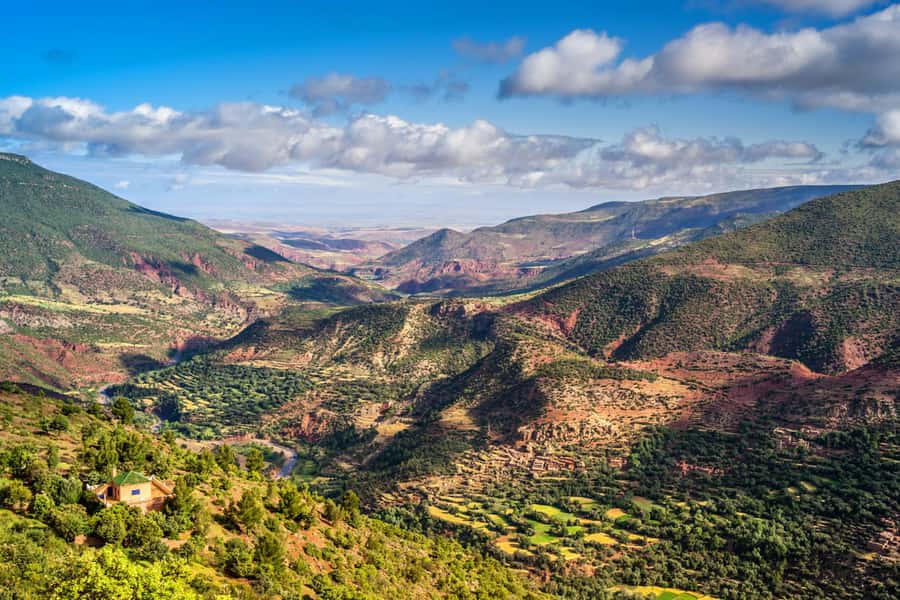
- Tamatert orchards (walnut, apple, cherry) framed by steep High Atlas scenery
- Guides tailor the hike, and you can swap walking for panoramic photos by car
Atlas Mountains day trip from Marrakech: why this one works
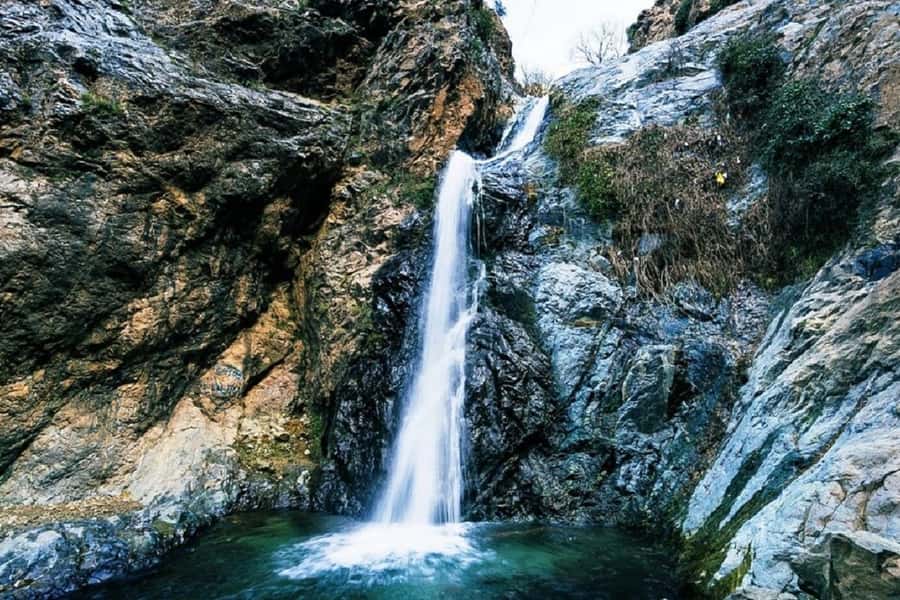
The High Atlas trip from Marrakech is the kind of day that fixes what can feel missing in a city-only vacation: you get out of the traffic, into mountain air, and into a slower way of living. The best part is that you don’t have to be a hardcore trekker to enjoy it. You’ll hike for a couple hours, then the day turns into people, food, and views you can actually remember.
Imlil Valley is the anchor. It’s where the mountains stop being theoretical. You’ll see orchards, terraced paths, and village homes tucked into valleys where daily life still matters more than tourism. And because the outing runs about 9 hours total with pickup and drop-off, it feels like a full experience rather than a rushed half-day.
You can also read our reviews of more tours and experiences in Marrakesh.


Pickup and van time: the “getting there” part that can make or break the day
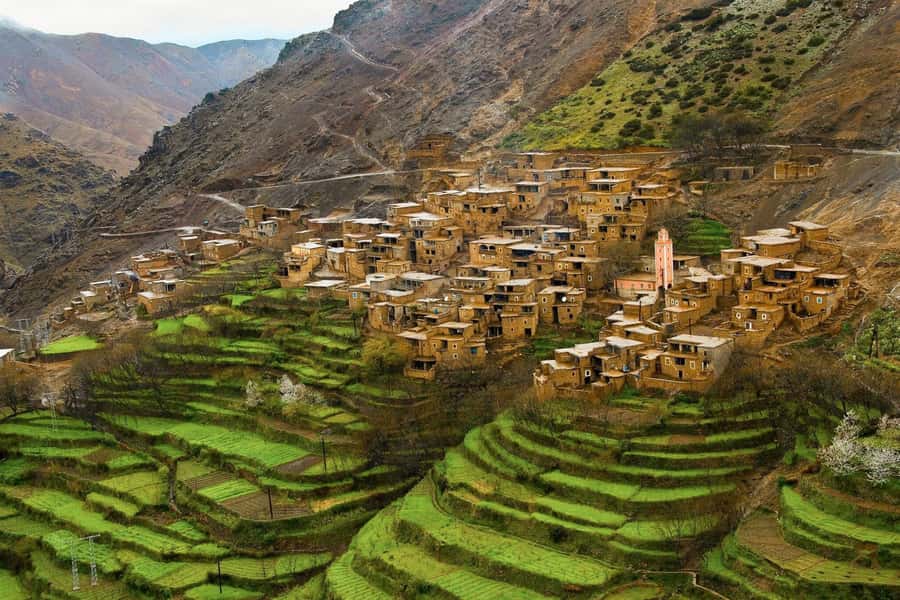
This tour starts with pickup from your Marrakech accommodation around 8:20–9:00 AM, then you’re on the road for about 80 minutes. That van time matters. If you’re prone to getting cranky in transit, treat the ride as part of the plan: bring water, a snack if you need one, and expect a few stops along the way.
Most days are guided in multiple languages (English, French, Spanish, Arabic, and others). The group stays together, and the guide sets the tempo. Several guides show up in real-world experiences—Lahcen, Oussama, Ali, Amina, and Mahmoud are names you’ll hear a lot—which is a good sign. It usually means the day is run by people who know the route and can keep everyone comfortable.
Agafay Desert camel ride and mint tea: the gentle start
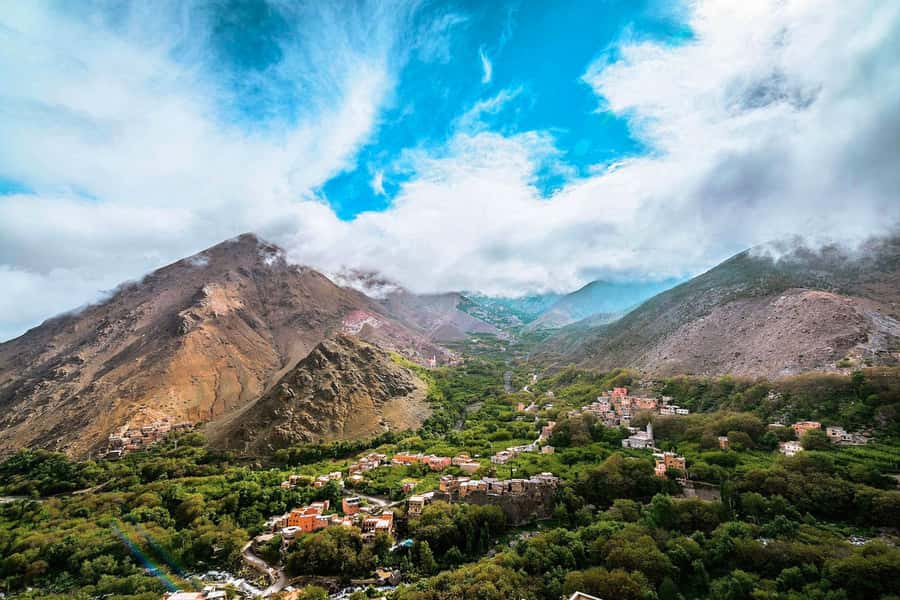
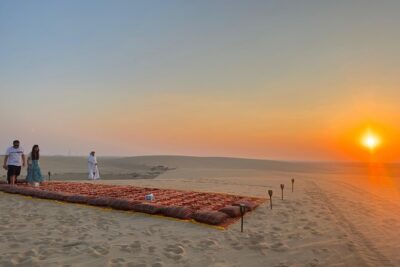
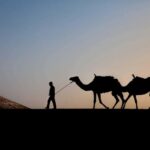
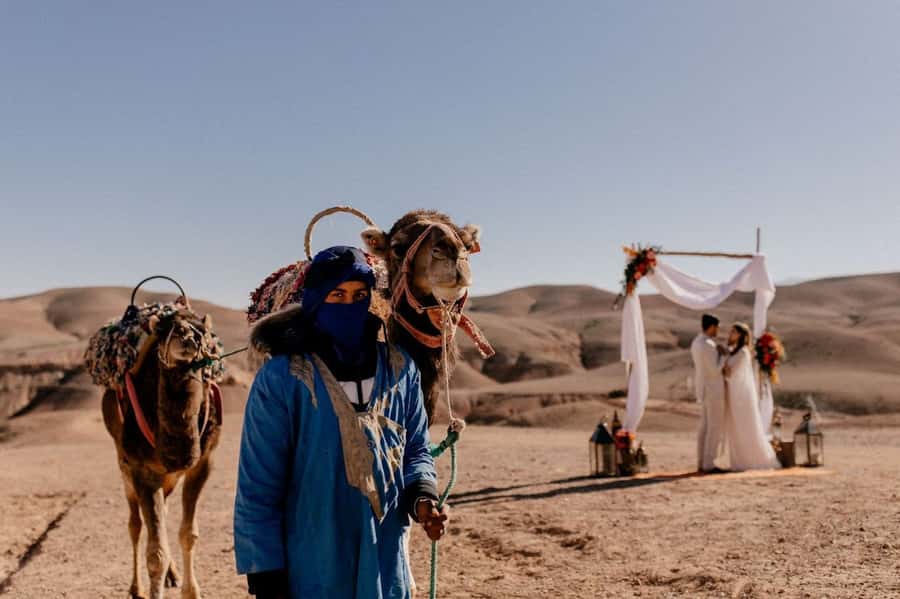
Before you get into mountain walking, you’ll stop at Agafay Desert for a break and a camel ride. The camel ride is optional, typically around 20–25 minutes, and you’ll also have mint tea. It’s a short taste of something different before the hike asks more of your legs.
One small detail that can make you enjoy it more: you’re provided Berber clothes for the camel ride. That’s not just a photo trick. It helps you feel like you’re participating in the culture instead of just watching it. If you’re nervous about camels, tell the guide at the start. The day is built around comfort and adjustments.
Moulay Brahim photo stop: quick views, then back to motion
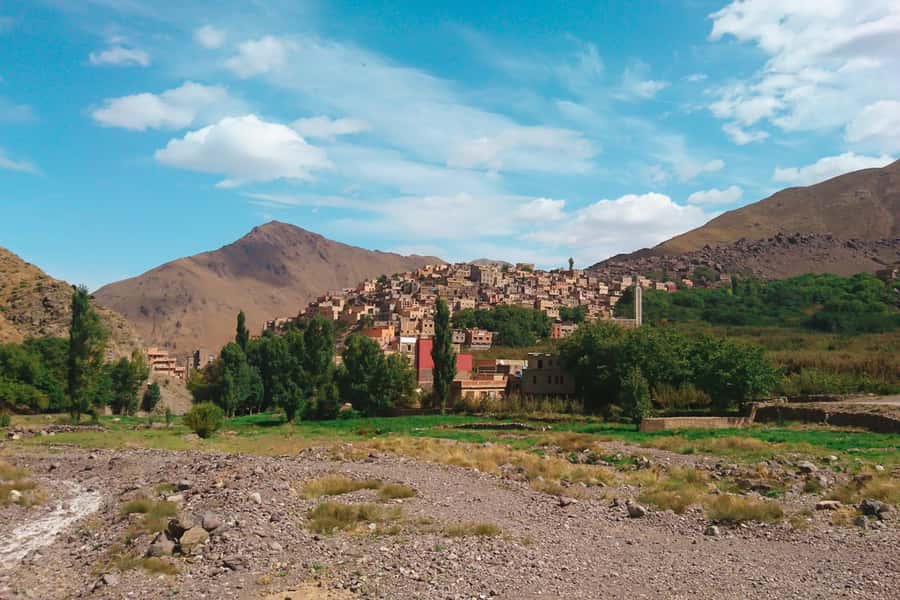
You’ll also have a photo stop at Moulay Brahim. It’s brief (about 15 minutes), so don’t expect a full “site visit.” Think of it as a chance to stretch your legs, grab a few shots, and get orientated—then the driver and guide move you toward Imlil.
The practical tip here is simple: use these short stops smartly. Wear your hiking shoes before you arrive. Keep your phone charged. If you plan to take lots of photos, set the angle first. These pauses are meant to keep energy up, not turn the day into endless waiting.
Imlil Valley walking: the part you’ll talk about later
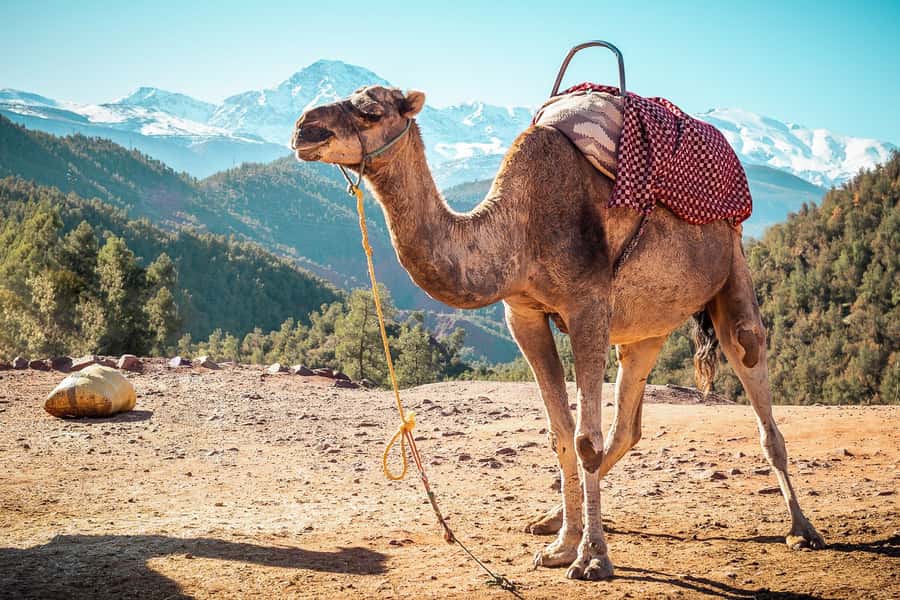
The tour’s main magic happens in and around Imlil. You’ll get a photo stop and a visit area around 30 minutes, and then you settle in for tea and the hike. The hiking time is about 2.5 hours, and it’s described as moderate, with uneven and sometimes uphill terrain.
Here’s what makes the walk special: it’s not only about elevation. It’s about watching how villages work in the High Atlas. You move through paths that connect homes, orchards, and terraced land. If you pay attention, you’ll notice how steep terrain shapes everything—where trees grow, where people build, and how routes follow the safest ground.
Even better, your guide can adjust the effort. The walking can be extended or shortened, and if someone can’t hike, they can skip the hike and go in a car for panoramic photo stops. That flexibility is one reason this tour can work for mixed groups.
If you’re visiting in winter, plan for surprises. Snow and ice can happen at altitude, and some days may shift the plan for safety. You might still end up with village time and a walk in safer sections, plus the full food-and-tea rhythm.

Berber villages you’ll actually pass through (Ait Mizan, Targa, Imoula)
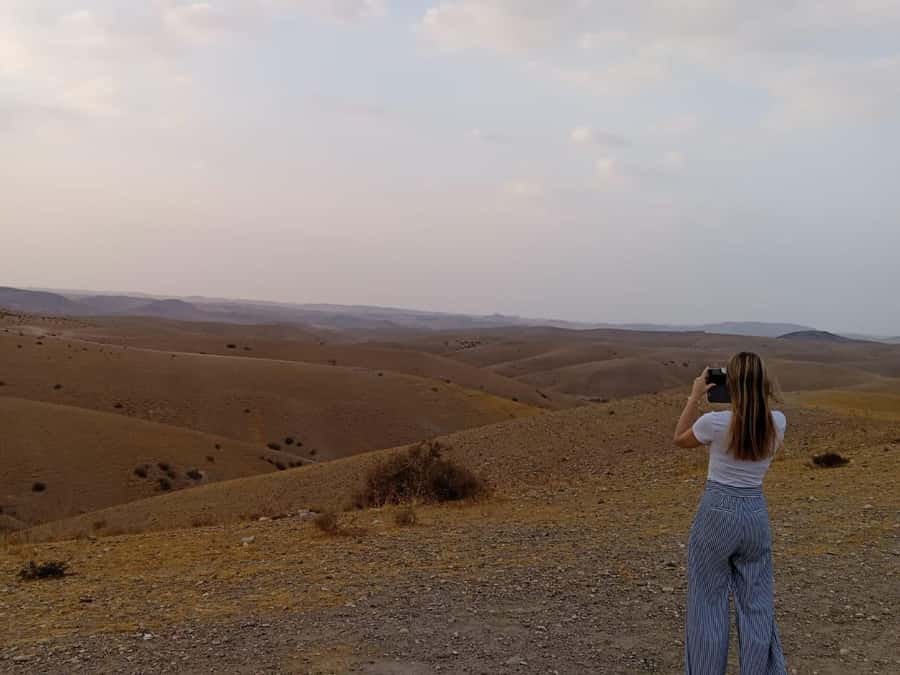
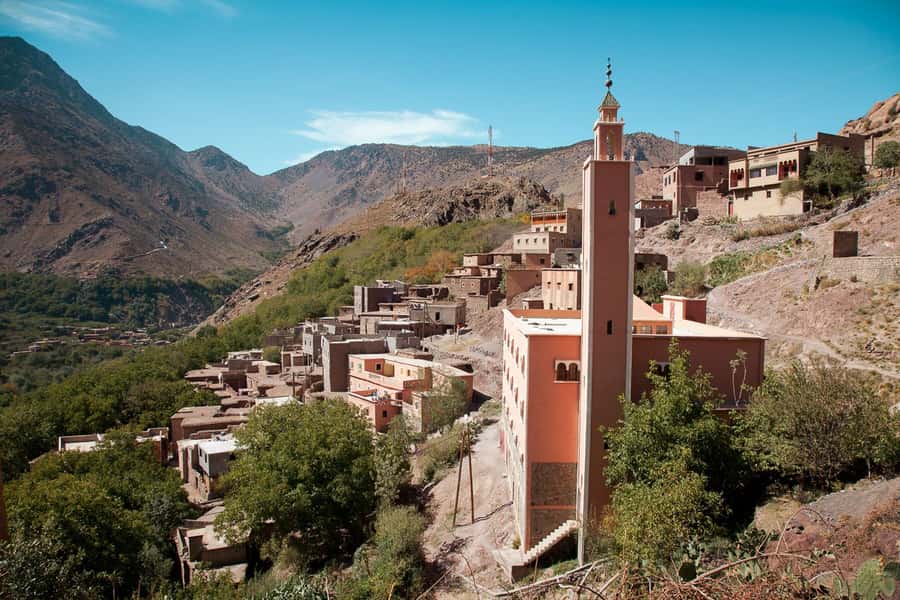
This is one of the reasons the day feels “real,” not staged. The route goes through villages such as Ait Mizan, Targa, and Imoula, and your guide shares what daily life looks like in the High Atlas. You’re not just looking at a mountain; you’re moving through the human geography of it.
A helpful way to think about it: these villages are like chapters. You’ll see different layers of mountain life—how homes sit, how paths thread between orchards, and where people pause for tea or talk. Your guide can also help you read what you’re seeing. Many guides use stories and local knowledge to make the stops make sense.
If you love photography, this part can pay off because village corners offer more variety than a single overlook. You get doorways, terraces, hands-on daily details, and mountain backdrops in the same frame.
Orchards of Tamatert: where the High Atlas feels alive
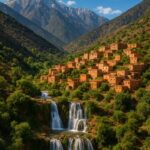
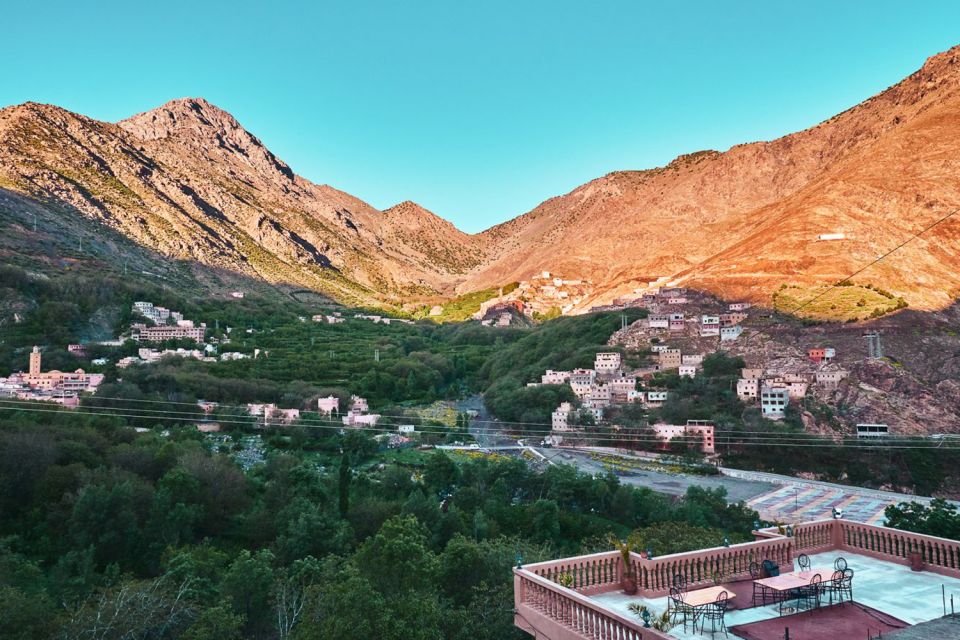
One of the most memorable visual moments can be the Tamatert orchards, where walnut, apple, and cherry trees grow against steep cliffs. This is not just pretty. Orchards are a sign of how people have learned to work with mountain water, soil, and slopes over generations.
You’ll likely see the orchards from viewpoints along the route, and in places you may get photo chances where the trees fill the lower half of the scene while peaks dominate the background. If you like “layers” in photos—foreground plants plus mountain depth—this is where you’ll get it.
Lunch in Ait Souka: the family home meal that grounds the day
At around midday, you’ll stop for lunch (about 75 minutes). Lunch is in a traditional Berber home in Ait Souka, and it’s prepared fresh by the local family. This is one of those parts where time matters: it’s enough time to eat slowly, not just inhale food and rush back to the next photo stop.
What’s the food like? You’re served a traditional Berber lunch, often described as excellent and hearty after the hike. You can also find vegetarian options, but you need to notify the provider in advance if you have dietary needs or allergies. If you care about this—tell them early. It’s easier than hoping once you’re already on the mountain.
Also, don’t ignore the tea breaks. Mint tea shows up at multiple points, and it’s a big part of the rhythm. In mountain areas, tea is basically how people reset, cool down, and talk.
Optional extras and stops: argan oil, markets, and shopping traps
Some versions of this day add an argan oil stop where you can see how argan oil is made and often taste something like tea or food connected to the process. In several real experiences, people describe it as a chance to learn how the product works and to buy things if you want.
There can also be cooperative or souvenir stops. Here’s the practical advice: set a shopping budget before you arrive. One experience included a warning about cooperative pricing being high for souvenirs. That doesn’t mean you’ll be ripped off on every stop, but it does mean you should keep your wallet in your head. If a price feels wild, don’t negotiate your way into regret—just walk on.
If your day happens to line up with local market activity, you may get more than a tourist-style visit. Some days have a better “real market” feel than others, so keep your eyes open when the guide suggests a stop for local life.
Price and value: why this $26 feels like a deal
At $26 per person, the value comes from what’s included, not just the sticker price. You get hotel pickup and drop-off, roundtrip transportation, a guide, lunch, mint tea, and a camel ride. For a full day away from Marrakech, that’s a lot of built-in logistics.
Here’s the math that matters: if you tried to piece together transport + a local guide + a meal, the costs add up fast. This tour also saves you the mental load. You don’t have to figure out timings, meeting points, or how to get to Imlil efficiently.
Also, the day’s flexibility helps justify the price. Since hiking can be adjusted and people can swap walking for car photo stops, the tour tends to work for more bodies than a strict trek.
What to bring: your High Atlas packing list from Marrakech
The basics matter because the mountain weather can shift quickly. Wear comfortable hiking shoes or trainers and dress in layers. Sunscreen and sunglasses are worth it even when you expect cool air. Bring a camera or phone for photos.
If you’re going in cooler months, expect ice or snow at altitude. Some days run snowy, and you’ll want warm layers and traction-friendly footwear. Your guide can adjust the route for safety, but you’ll still be happier if you’re dressed for winter conditions.
One more small tip: keep your hands free. If you’re carrying water, a light snack, and your phone, use a small daypack. You’ll move between stops enough that pockets can turn into chaos.
Who should book, and who should skip
This tour fits best if you want a one-day taste of the High Atlas with real village life, and you’re okay with a moderate hike. It’s also a solid choice if you like having a guide manage the details while you focus on the walking and the views.
If you have heart problems, this isn’t suitable. And if you’re worried about uneven terrain, ask the guide about adjusting your hike early. The tour is designed to be inclusive, but your comfort still depends on your own health and limits.
Parents with kids sometimes enjoy the day because there are breaks and options to reduce walking. Still, you’ll be on uneven ground, so choose shoes carefully and be realistic about how long the hike portion lasts.
Guides make the difference: Lahcen, Oussama, Ali, Amina, Mahmoud
One pattern shows up again and again in successful days: the guide sets the tone. Names that appear often in real experiences include Lahcen, Oussama, Ali, Amina, and Mahmoud. People praise them for being attentive, keeping the group together, and explaining what you’re seeing—especially Berber/Amazigh culture.
Even if language isn’t your strong suit, multi-language guides can help your group get the same information. That matters. It’s easier to enjoy the day when you understand why the guide is stopping at a village corner or what the orchards represent.
Should you book this Atlas Mountains Full-Day Hiking Trip?
If you want a day from Marrakech that mixes mountain walking, Berber village interaction, and a homemade meal, I think this tour makes sense. The price is reasonable for what you get, and the structure (pickup, camel ride, Imlil hike, lunch, drop-off) keeps the whole day moving.
Book it if:
- you’re comfortable with 2–3 hours of moderate hiking on uneven ground
- you want a family lunch experience and tea breaks, not just bus windows
- you like guided stops with cultural context (especially around Imlil and Berber villages)
Skip it if:
- you have heart problems
- you want a purely easy walk with zero uphill sections
- winter conditions would be too risky for you (ice/snow can happen)
If you can handle the moderate hike and you dress for mountain weather, you’ll likely come back with the kind of day that sticks: mountains in your photos, food you’ll remember, and a better sense of how people live just beyond Marrakech.
FAQ
What is the total duration of the trip?
The trip runs about 9 hours, with pickup in the morning and return to Marrakech around 5:00–6:00 PM.
Where does pickup happen in Marrakech?
You’ll be picked up from your accommodation in Marrakech or the closest accessible point to your accommodation.
How long is the hiking portion in Imlil?
The hike is about 2.5 hours, and the overall walking is described as moderate for people with a moderate fitness level.
Is the camel ride included, and how long is it?
Yes, the camel ride is included, but it’s optional for you. It lasts about 20–25 minutes.
What food is included?
Lunch is included and is a traditional Berber meal prepared fresh by a local family. Mint tea is also included.
Are vegetarian options available?
Yes. Vegetarian options are available, but you should notify the provider in advance about dietary needs or allergies.
What should I wear and bring?
Wear comfortable hiking shoes or trainers. Bring weather-appropriate layers, sunscreen, a hat, sunglasses, and a camera or phone for photos.
Which languages are the guides available in?
The live guide may speak Spanish, English, French, Arabic, Afar, Bashkir, Gujarati, Guarani, Assamese, Aymara, Bihari, or Breton.
Is this tour suitable for everyone?
No. It is not suitable for people with heart problems. The hike can be changed to suit customers, including shortening or canceling the walk and taking car panoramic photos instead.