REVIEW · MARRAKESH
Marrakech: 3-Day Merzouga Desert Experience Camel & Meals
Book on GetYourGuide →Operated by Marrakesh Travel Services · Bookable on GetYourGuide
Three days to the Sahara starts early. I love the sunset and sunrise camel rides at Erg Chebbi, and I love the UNESCO stop at Ait Ben Haddou with its clay-kasbah charm. The main tradeoff is time on the road, so you should be ready for long drives in a minibus.
This trip also has a nice rhythm: you get big-name sights, then you slow down for the Tinghir oasis and Todra Gorge walk. I especially liked the way guides like Kamel made the Tinghir and Todra portion feel grounded in real Berber life, not just sightseeing.
One consideration: desert comfort depends on the season. Nights can get very cold (and summer can be brutally hot), and camp facilities are simple.
In This Review
- Key things to know before you go
- Marrakech to Merzouga in 3 days: the road is the point
- High Atlas views and Tizi n’Tichka pass: when the photos are worth the bumps
- Ait Ben Haddou and Ouarzazate: the UNESCO kasbah that still looks like a movie set
- Tinghir oasis and Todra Gorge: where the canyon walk feels real
- Erfoud date markets and the handoff to Merzouga
- Erg Chebbi camel ride at sunset: the light show you can’t fake
- Desert camp dinner, music, and temperature reality
- Sandboarding and the sunrise camel ride back
- Price and logistics: is $113 really good value?
- Who should book this (and who should skip it)
- Should you book this Marrakech–Merzouga tour?
- FAQ
- What does the tour price include?
- What is not included in the tour?
- How early do you get picked up from Marrakech?
- Do I need to pay for lunches and drinks during the trip?
- Are there restrooms and showers at the desert camp?
- What should I wear and pack for the desert?
- Is the tour suitable for everyone?
Key things to know before you go
- Sunset + sunrise camel rides: you’re not just doing one photo moment, you get both light shows
- UNESCO Ait Ben Haddou in the middle of the drive: quick, high-impact cultural stop
- Tinghir oasis tour plus Todra Gorge walk: irrigation, palm groves, then steep canyon walls
- Erg Chebbi desert camp with dinner, music, and stars: the day ends the right way
- Sandboarding is included: no extra hunt for activities once you arrive
Marrakech to Merzouga in 3 days: the road is the point
Let’s be honest: this tour is mostly about the journey. You leave Marrakech early (pickup starts at 7:20), and you spend a lot of the day in transit. It’s a big chunk of Morocco packed into three days, so the schedule stays busy and the bus days feel long.
That said, the driving isn’t random. You’re crossing the High Atlas through the Tizi n’Tichka pass, and the photo/rest stops matter. These breaks keep you from turning into a human pretzel, and the mountain viewpoints give you that gradual switch from city life to real wild terrain. If you’re the type who gets antsy in vehicles, plan for patience. If you like scenery and don’t mind winding roads, you’ll probably enjoy the motion.
Also note the tour uses an air-conditioned minibus with luggage storage. One rider did mention seatbelts may need attention, so if you’re picky about comfort, bring a small pillow and wear comfortable layers. It’s not a luxury transfer, but it’s built for getting you where the sights are.
You can also read our reviews of more tours and experiences in Marrakesh.
High Atlas views and Tizi n’Tichka pass: when the photos are worth the bumps
The High Atlas section is where this trip starts to feel like a different country. The road climbs, bends, and then opens up into wide mountain views. You’ll likely stop at a few scenic points where the peaks and valleys stretch out for photos and quick fresh-air breaks.
What I like about this portion is the pacing. You’re not just sitting while someone rattles off facts. You get time to step out, stand still, and actually look. It’s a good reset before the cultural stops, and it helps you mentally switch gears from Marrakech.
Possible downside: winding roads mean you’ll feel bumps more than you would on a flat highway. If you’re prone to motion sickness, you’ll want to plan for that. And if you have back problems, this tour may be uncomfortable overall—this isn’t designed for wheelchair users either.
Ait Ben Haddou and Ouarzazate: the UNESCO kasbah that still looks like a movie set
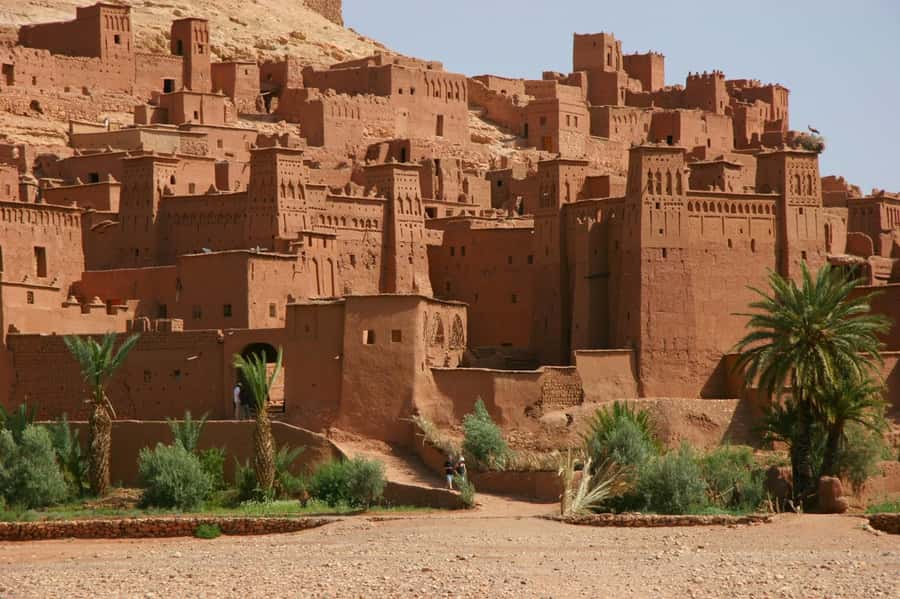
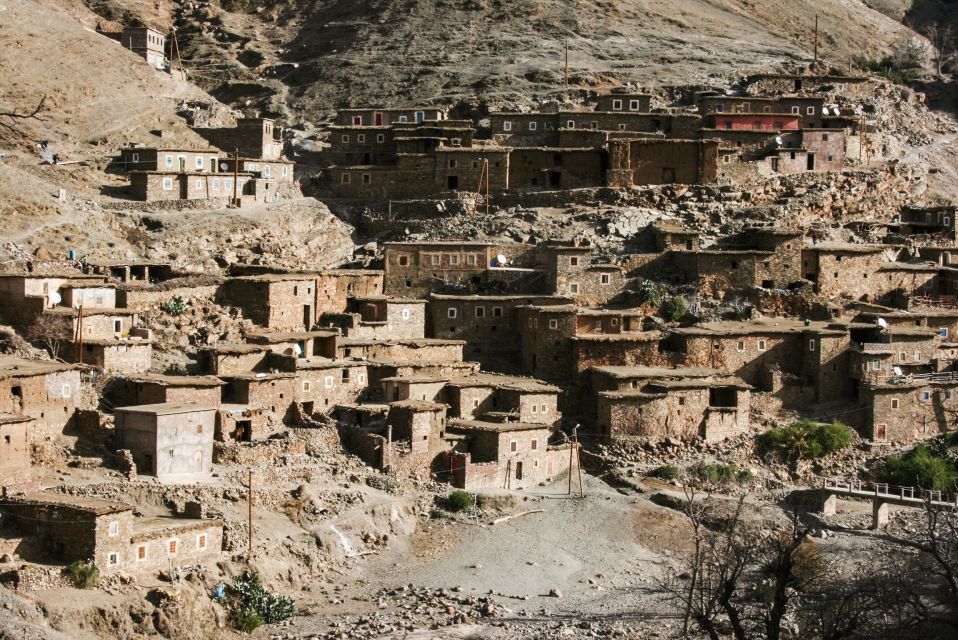
Ait Ben Haddou is the big cultural anchor of the trip. You’ll explore the UNESCO World Heritage site of Kasbah Ait Benhaddou, known for its earthen-clay architecture and for being a set used in major Hollywood productions.
Here’s what makes the stop valuable: you’re seeing a building style that grew out of local climate and materials, not an “old town” that was recreated for tourists. The walls, the shapes, the layered earth tones—they look right under harsh daylight. It’s the kind of place where your brain goes quiet because the architecture does most of the talking.
Then you continue to Ouarzazate and stop for photos at Kasbah Taourirt. It’s not as big as Ait Ben Haddou, but it gives you another angle on the region’s kasbah culture. It also helps break up the drive so the day doesn’t feel like one long commute.
One practical cost note: you can hire a local guide at Ait Benhaddou (listed as €3), so decide if you want extra context. If you’re the type who enjoys explanations, that small add-on can be worth it.
Tinghir oasis and Todra Gorge: where the canyon walk feels real
After a drive through the Valley of the Roses, you reach Tinghir for overnight. The Tinghir portion is a highlight because it’s not just “look at a view.” You get a guided look at how people live there.
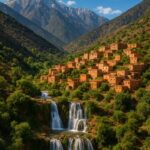
In Tinghir, you travel along the road toward the Tinghir Oasis (often connected with the Road of 1000 Kasbahs) and meet local life in a hands-on way: palm groves, traditional villages, and irrigation systems. This is one of those stops that quietly changes how you see the desert region. Instead of imagining everything as dry and empty, you get the logic behind farming and water management.
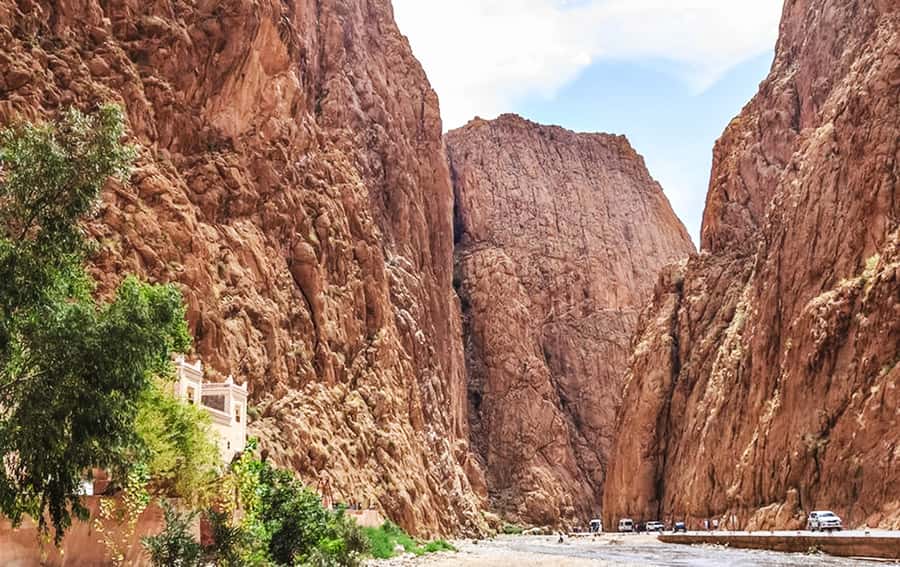
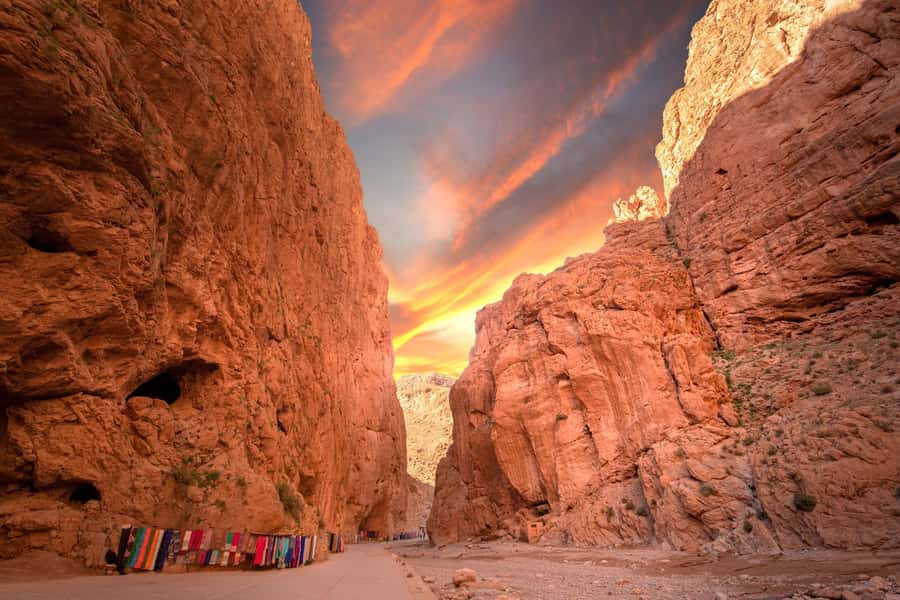
Then comes Todora Gorge. You’ll have a guided walk through the canyon area, with discussion touching on history, geology, and Berber culture. The gorge walls make the walk feel dramatic even on a “simple” route. If you like geology, this is a rare chance to see how rock shapes behavior—paths, settlements, and the river’s role in the canyon.
Tradeoff: you’re doing this after travel days. Wear comfortable shoes and plan for uneven ground. If you don’t love walking right after a long day of driving, it might feel like one more chore—though most people consider it the best kind of effort.
Erfoud date markets and the handoff to Merzouga
Once you’ve explored Tinghir and Todra, the next phase turns more practical and more desert-focused. You stop in Erfoud, known for its date market, and for its role as a historical starting point for Sahara caravan routes heading toward Tombouctou.
This is a good chance to stock up on snacks for the next stretch, especially because lunch isn’t included on the tour and you’ll be paying separately. One of the most useful things you can do is keep cash handy for quick meal stops.
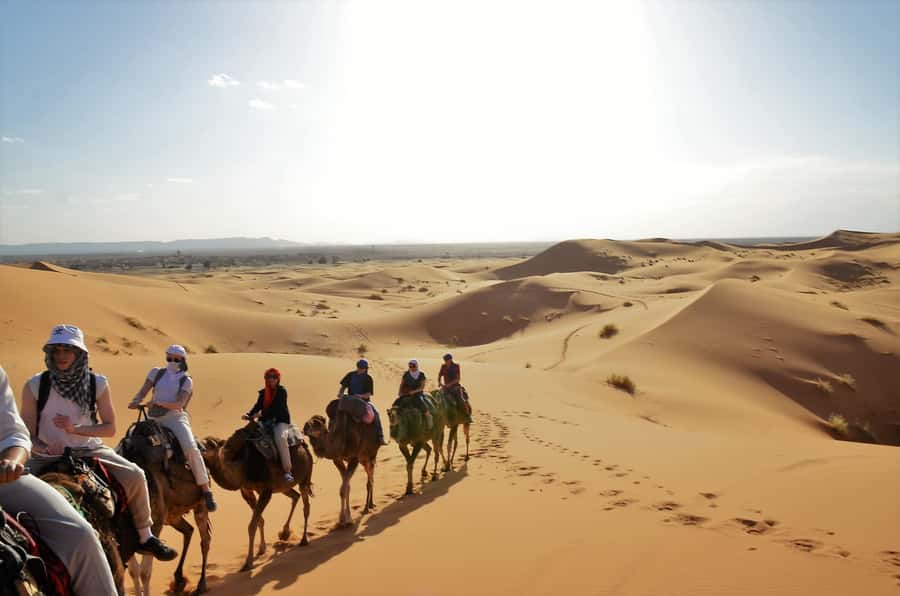
From there, you continue toward Merzouga, where the desert portion starts to take over. You’ll arrive near the Erg Chebbi dunes for the camel ride at sunset. This “handoff” is a mental shift: the road noise fades, the sand becomes the main texture, and you start thinking in terms of light, wind, and temperature.
Erg Chebbi camel ride at sunset: the light show you can’t fake
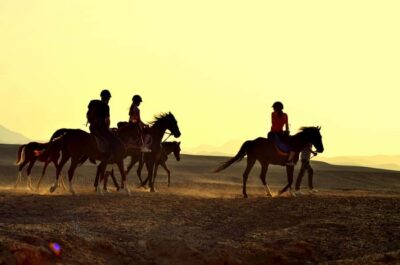
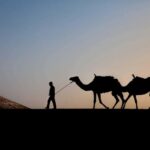
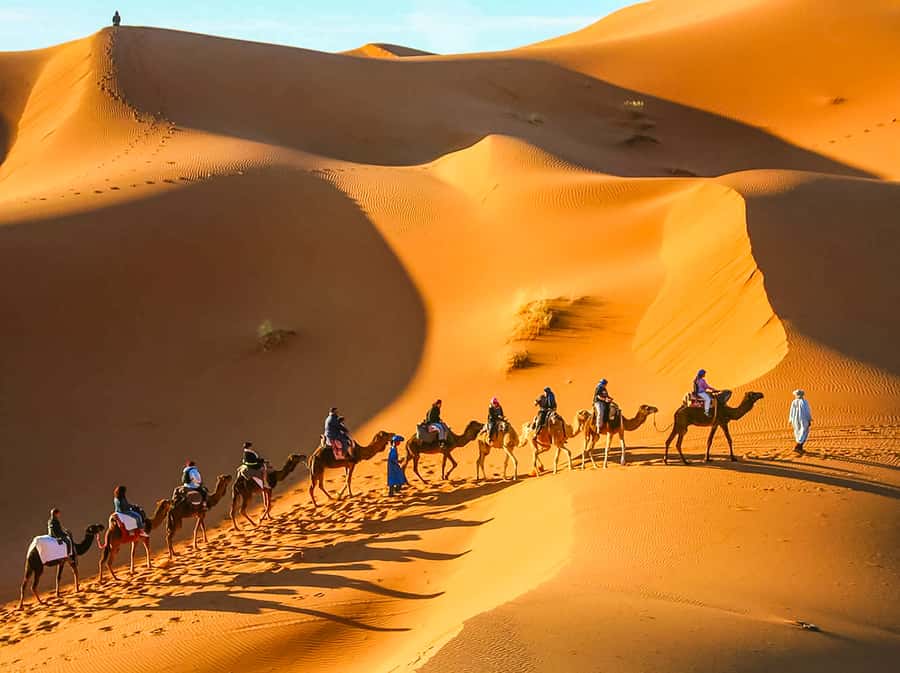
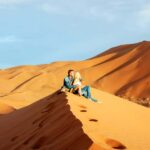
The sunset camel ride is why people book this trip in the first place, and it’s the part that tends to land hardest. You’ll ride camels toward the desert camp with Erg Chebbi dunes ahead, and the sun dropping behind the horizon.
What makes this work is timing. Sunset isn’t just pretty—it changes the dunes’ shape and shadows so the desert looks alive. This is also when you’ll feel the reality of being far from cities. The air cools, and the sky turns into a giant screen.
A small expectation-set: camel rides are part adventure, part slow travel. If you’re hoping for speed, you won’t get it. If you want a moment where you can actually notice your surroundings, this is perfect.
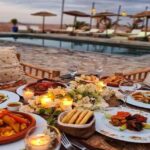
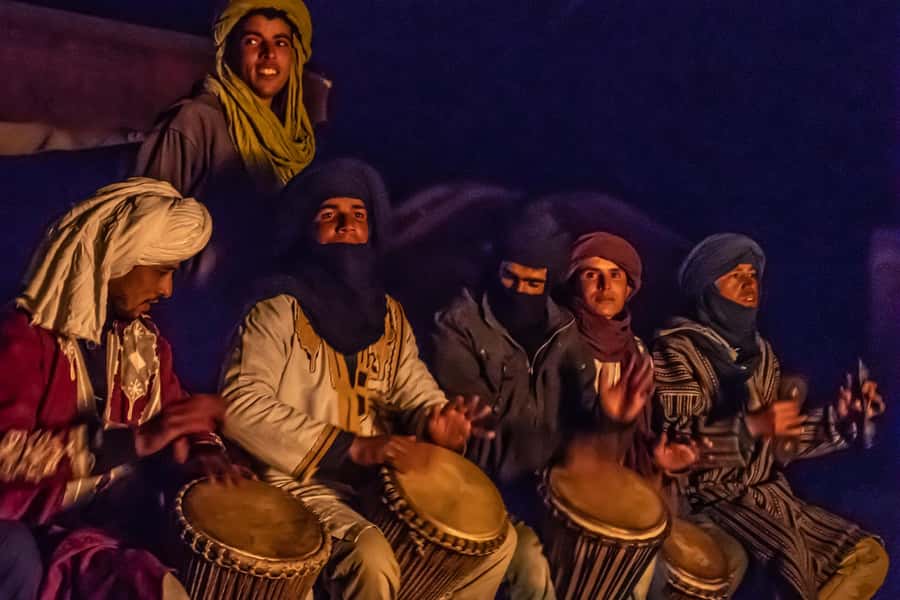
Also, the camp experience includes traditional Moroccan dinner served under the stars, plus Berber music with hosts playing drums. It’s a social moment, not just a food stop, and it helps turn “tour day” into “memory day.”
Desert camp dinner, music, and temperature reality
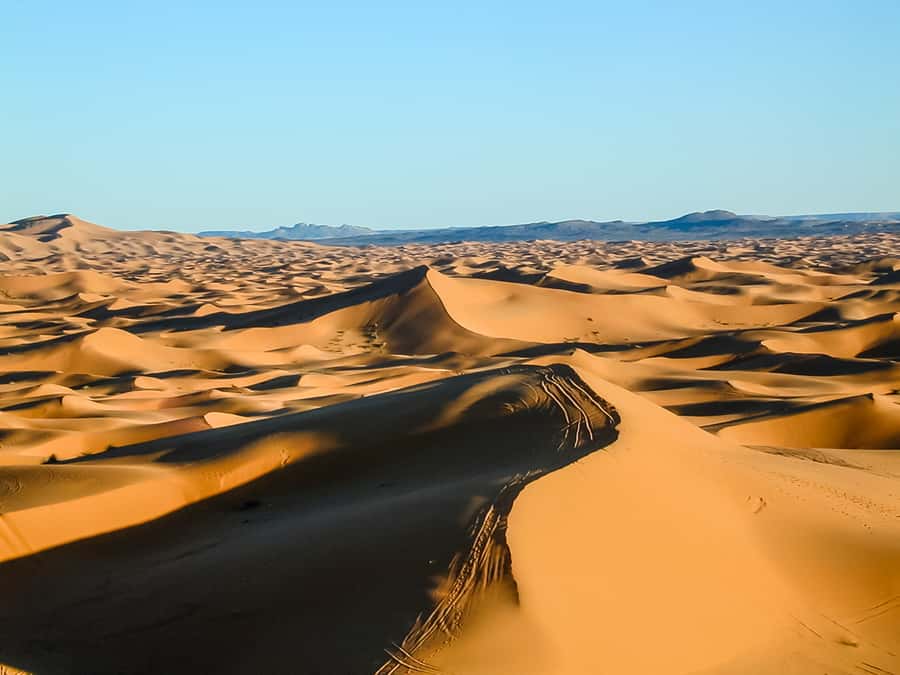
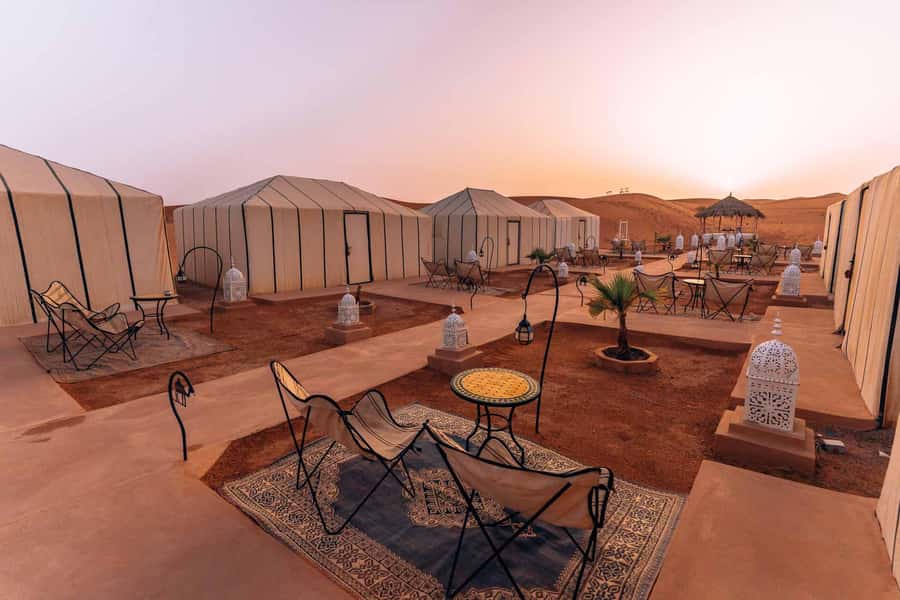
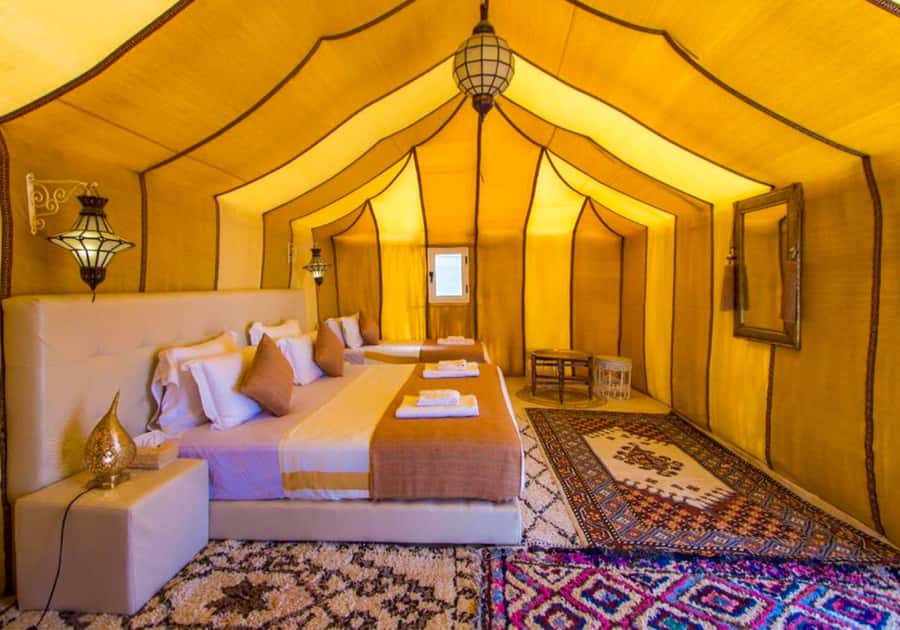
You’ll spend the night at a desert camp in Erg Chebbi. Dinner and breakfast are included, and there’s a vegetarian option. Accommodation is described as a private room at Hotel Bougafer (or similar 4-star hotel) for the first overnight, and then a camp night with toilets outside and a shower at the auberge.
This is where you should adjust expectations. Camp life is simple. One person noted toilet flushing wasn’t working perfectly by morning, so bring the attitude of: it’s fine, just be prepared.
Most importantly, plan for temperature swings. Reviews mention the desert can be freezing at night in colder seasons, and in summer it can be scorching in tents. So bring layers even if you think you won’t need them. A sun hat and sunglasses are in the packing list, but warm clothes matter once the sun goes down.
If you want a real star moment, this is one of the best places on earth to get it—assuming clouds behave.
Sandboarding and the sunrise camel ride back
The next morning starts early for the sunrise camel ride. You’ll wake up to see the desert sunrise, then ride the camels back toward the auberge. Breakfast follows, plus time for a shower before you begin the long return to Marrakech.
Two included add-ons make mornings more fun: camel ride at sunrise and sandboarding. Sandboarding is listed as available for customers, and it’s a great way to turn “waiting for sunrise” into “doing something with your feet.” You don’t need a sports background; the activity is set up for visitors.
After breakfast, the return trip includes scenic photo stops and a break to buy lunch. Again, lunch and drinks are not included. Drinks are noted as 10–12€ cash, so budget for that. In the same spirit, bring extra cash for small purchases and tips—people seem to rely on cash at stops along the route.
Price and logistics: is $113 really good value?
At about $113 per person for a 3-day Morocco desert experience, this sits in the “good value if you want the route package” category. You’re paying for the big geographic jumps—High Atlas crossings, Ait Ben Haddou, Tinghir/Todra, and the Erg Chebbi desert camp—plus transportation, guides for the key guided segments (Tinghir and Merzouga), and included meals at the hotel/camp.
Here’s what you should treat as extra so you’re not surprised:
- Lunch and drinks (lunch isn’t included; drinks are noted in cash)
- A local guide at Ait Benhaddou is listed as €3
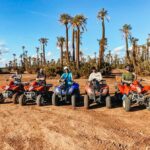
- Quad bike is optional and not included
- Some meals along the way are buffet-style, and you’ll pay for them separately
In practical terms, your budget will depend on how many add-ons you want (quad rides, extra guide time, paid pool access if you stop for it). Reviews also mention ATV rides as an extra option for some people, and that cash helps for extras. If you travel light and keep spending controlled, the base price feels fair for what you pack in.
Also, be realistic about comfort. Reviews are full of praise for guides and safety, but they also describe long days. If you need a lot of quiet time, this tour might feel like constant motion.
Who should book this (and who should skip it)
This is a great fit if you:
- Want a structured 3-day plan from Marrakech to Merzouga without organizing transport yourself
- Love camel rides and want both sunset and sunrise
- Enjoy guided cultural stops like Tinghir oasis and Todora Gorge
- Are okay with a lot of driving and want the “see a lot in a short time” payoff
This may not be ideal if you:
- Have back problems or need very comfortable seating for long stretches
- Need wheelchair accessibility
- Hate early mornings and tight schedules
- Are extremely picky about restroom cleanliness (toilets are outside at camp)
For many people, the best part isn’t just the desert. It’s how the trip strings together mountains, kasbah architecture, oasis life, and then the emptiness of the dunes in one smooth arc.
Should you book this Marrakech–Merzouga tour?
Yes, if you want the classic southern Morocco route and you’re excited for a real desert night with camp dinner, music, and both camel rides. The value is strongest when you treat the day-to-day driving as part of the experience rather than a problem to fix.
I’d especially recommend it if you like getting context from guides. Different driver/guide combinations come up in the notes (people mention Jamal, Ibrahim, Damou, Laarbi, Aziz, and others), and that can matter because the guided stops are where you learn how the region works, not just what it looks like.
But I’d think twice if you’re hoping for a relaxed pace or luxury comfort. This is a lot of minutes in a vehicle, and the camp side is basic. If you want a more slow, comfort-first desert style trip, you might look at options with more time on fewer stops.
If your dates are flexible, it’s also described as free cancellation up to 24 hours in advance and reserve now, pay later. That’s handy when Morocco weather and your schedule might shift.
FAQ
What does the tour price include?
It includes hotel pickup and drop-off in Marrakech, air-conditioned minibus transportation, local guides for Tinghir and Merzouga, a private room at Hotel Bougafer (or similar 4-star), camel trek at Erg Chebbi, one night in a desert camp, dinner and breakfast (vegetarian option available), and sandboarding.
What is not included in the tour?
Lunch and drinks are not included. A local guide at Ait Ben Haddou is listed as an extra cost (€3). Quad biking is optional and not included.
How early do you get picked up from Marrakech?
Pickup starts at 7:20. You should be ready about 10 minutes before the scheduled departure.
Do I need to pay for lunches and drinks during the trip?
Yes. Lunch is not included, and drinks are noted as cash expenses (10–12€ cash).
Are there restrooms and showers at the desert camp?
Toilets are outside at the desert camp, and showers are available at the auberge (per the included details).
What should I wear and pack for the desert?
Bring your passport or ID, comfortable shoes, sunglasses, a sun hat, and long pants. Also plan for temperature changes between day and night.
Is the tour suitable for everyone?
It’s not suitable for wheelchair users and people with back problems. Pets are not allowed, and smoking in the vehicle is not allowed.