REVIEW · MARRAKESH
Marrakech: Bahia Palace, Saadian Tombs, & Koutoubia Mosque
Book on GetYourGuide →Operated by Marrakech Guided Experience · Bookable on GetYourGuide
Marrakech history fits in one walk. I love how El Bahia Palace turns royal life into something you can literally walk through, and I also love the craftsmanship you see at the Saadian Tombs. One thing to plan for: entrance fees cost extra, and Koutoubia is only viewed from the outside.
This is a smart way to orient yourself in the medina fast. For $19 and about three hours, you get guided stops, time to look around, and help navigating busy ticket areas. If you hate crowds or long lines, you’ll want to be flexible with the order and timing once you’re there.
In This Review
- Key things I’d plan around
- A 3-hour walking route that gets you oriented quickly
- El Bahia Palace: where Moroccan design feels personal
- Mellah and synagogue visits: a different Marrakech story
- Saadian Tombs: craftsmanship you can slow down for
- Koutoubia Mosque: seeing the icon even without entry
- Quick photo stops: Bab Agnaou and Kasba
- Jemaa el-Fna Square: the end-of-tour energy check
- The guides are the difference (and you’ll feel it fast)
- Money and value: the $19 price vs. on-site fees
- What to bring so you don’t suffer (too much)
- Who this tour is best for
- Should you book this Marrakech heritage walk?
- FAQ
- What is included in the tour price?
- Are entrance fees included for Bahia Palace and the Saadian Tombs?
- Can I enter Koutoubia Mosque during this tour?
- Will the guide help with ticket lines?
- How long is the tour?
- What languages are available?
- What should I bring?
Key things I’d plan around
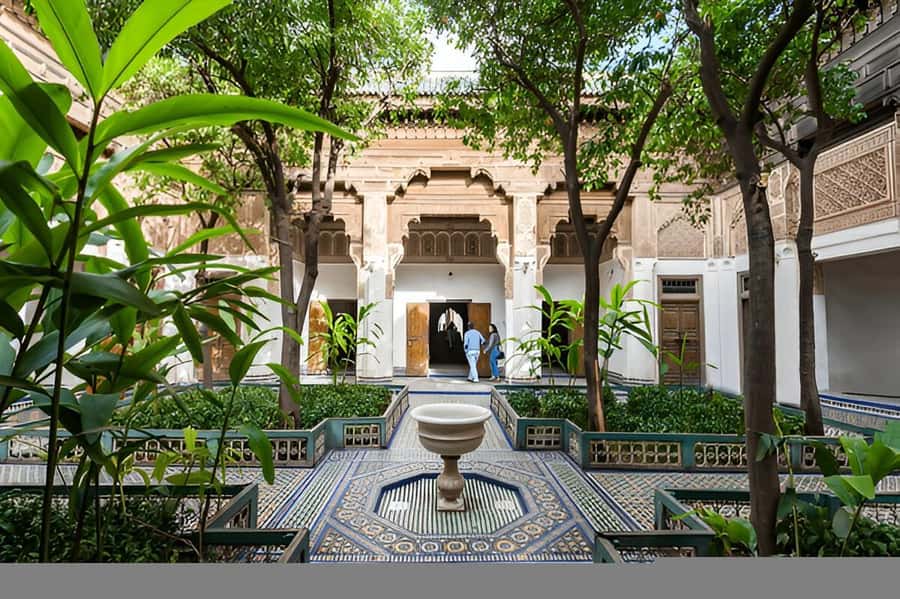
- Bahia Palace courtyards first so you start with one of Marrakech’s most photogenic interiors
- Saadian Tombs tilework and quiet courtyards with guided context on who’s buried there
- Mellah (Jewish Quarter) with synagogue visits so you see another layer of the city’s past
- Koutoubia Mosque from the outside only because entry is restricted
- Guides who tell stories, not lectures (names I’ve heard often: Ahmed, Abdul, Aoud, Charif, Rachid, Mohammad)
- Cash matters since monument fees are not included
A 3-hour walking route that gets you oriented quickly
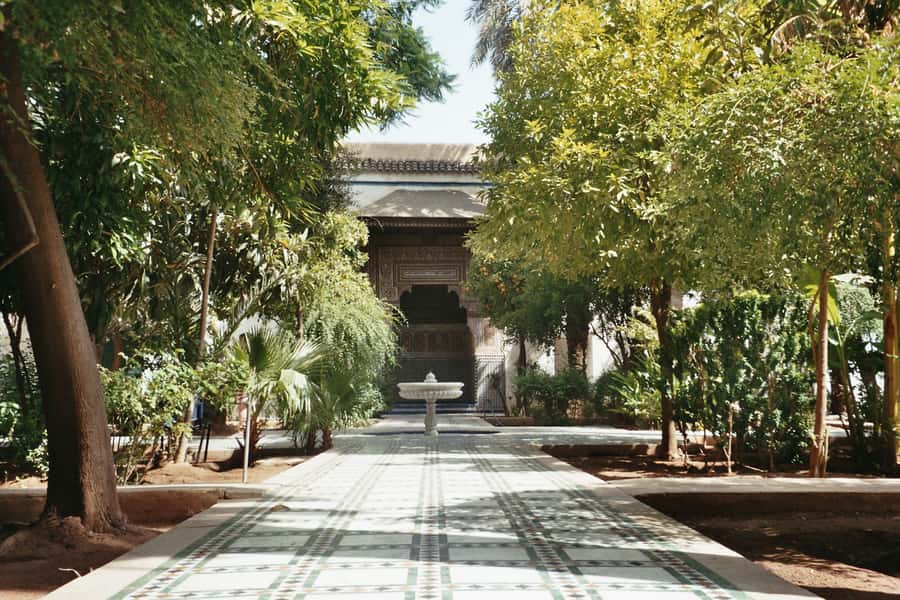
This tour is designed for people who want real context without spending the whole day in transit. You’re walking between major heritage stops, with guided explanations plus free time to wander at each site.
A big value point here is how the route mixes “wow” architecture with culture stops. You’ll go from royal palace spaces to a sacred tomb complex, then to the Jewish Quarter and the iconic mosque, ending at the pulse of the city in Jemaa el-Fna.
You can also read our reviews of more tours and experiences in Marrakesh.


El Bahia Palace: where Moroccan design feels personal
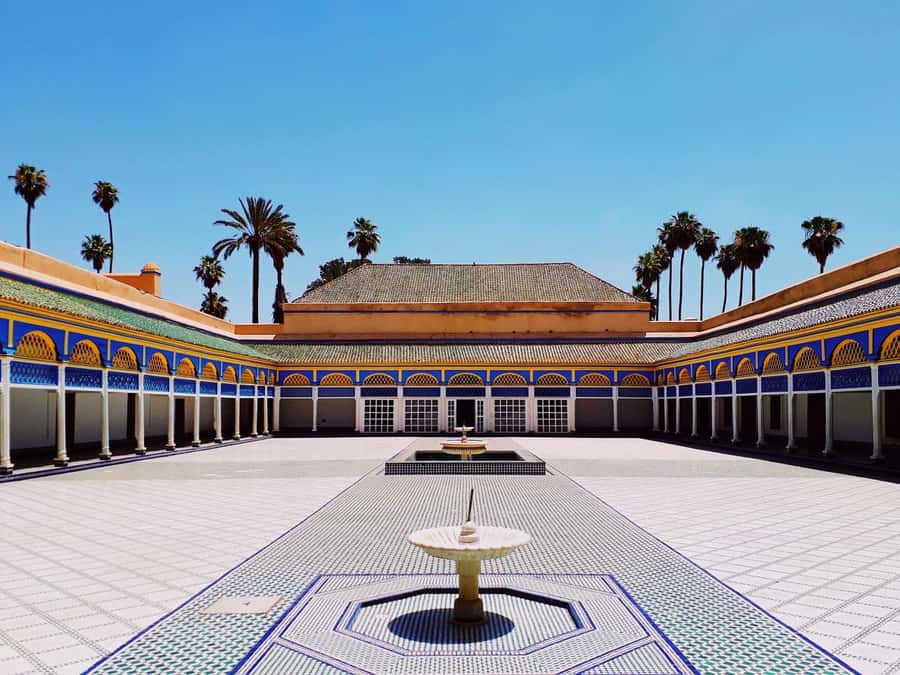
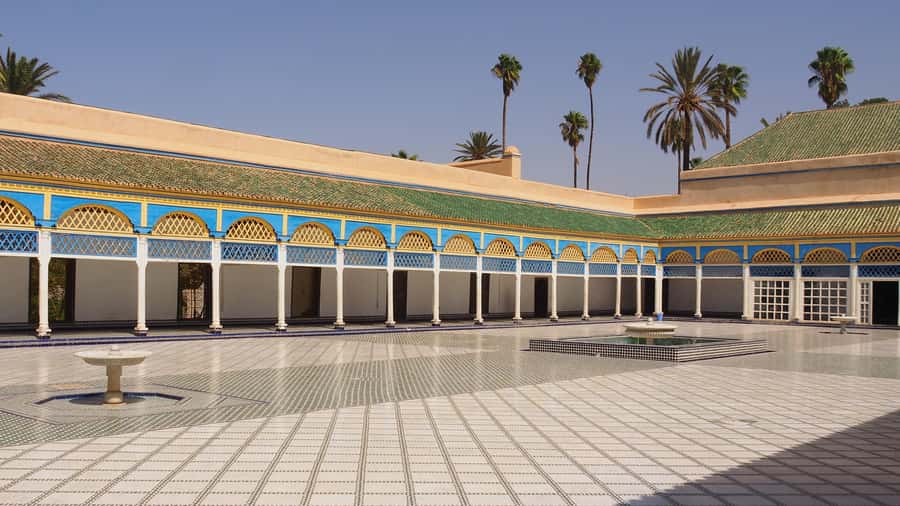
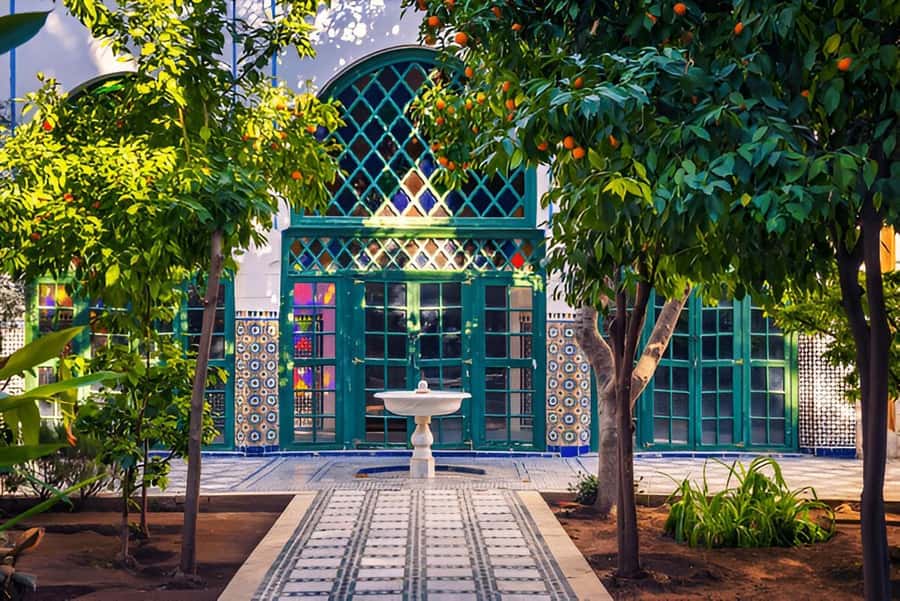
Your first major wow moment is El Bahia Palace (Le Palais Bahia). What makes it hit hard is the feel of the place: courtyards that cool your senses, then decorated rooms that show off Moroccan artistic detail in a way a photo can’t fully capture.
You’ll have guided time to understand the story behind the palace—how grand viziers lived there and why the decoration matters. Even if you’re not a full-on architecture nerd, you’ll probably notice the pattern: space is planned to control light, movement, and privacy.
Practical note: palace entry is not included (100 MAD per adult). Also, guide assistance can help with the initial ticket line, but once inside you may still meet some waiting.
Mellah and synagogue visits: a different Marrakech story
After the palace, the walk takes you into the Mellah, the historic Jewish Quarter. This is one of the most interesting “shift” points on the tour because the city’s identity is layered, not single-note.
With your guide, you’ll visit synagogues and hear about the community that once lived and worshipped here. The goal isn’t just seeing buildings—it’s understanding how that neighborhood shaped Marrakech’s cultural mix, and how that history still shows in the streetscape today.
A helpful thing here: the guide’s explanations tend to connect religious practice and architecture without turning it into a lecture. If you ask questions, you’ll usually get straightforward answers about faith and everyday life in Morocco.
Saadian Tombs: craftsmanship you can slow down for
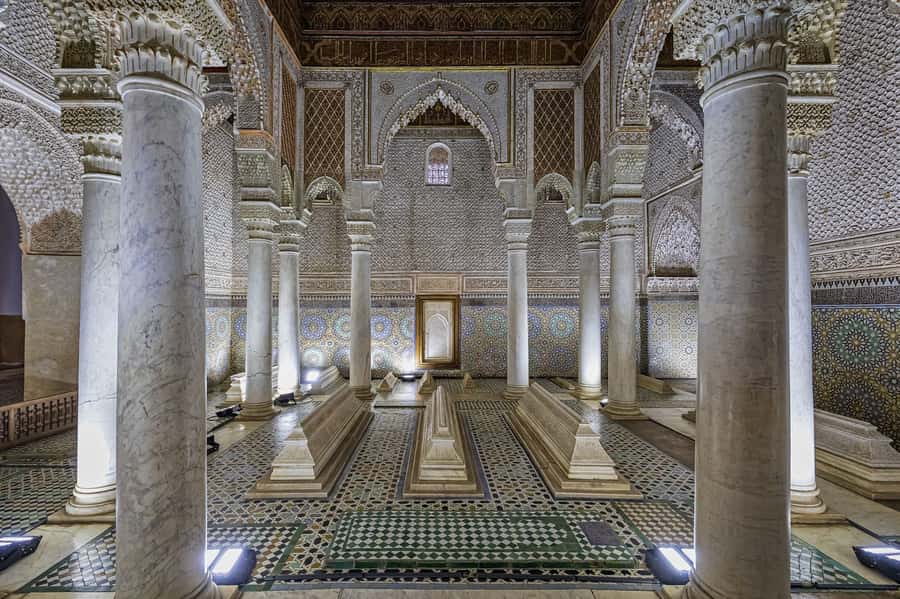
Next comes the Saadian Tombs (Les Tombeaux Saadiens), where Sultan Ahmad al-Mansur and family are buried. This site is famous for its Hispano-Moorish craftsmanship, and the atmosphere supports a slower pace than some other major sights.
You’ll be guided through what you’re seeing—especially the detailed tilework and the calm, courtyard-like layout that makes the space feel protected. With a break built in, you’re not forced to sprint from room to room.
Entrance is extra (100 MAD per adult). Also, lines can be an issue during busy periods, and guides may manage timing to keep the experience moving. If the site is very crowded, you might find that certain sections are harder to access quickly, so go with the flow and trust your guide’s judgment.
Koutoubia Mosque: seeing the icon even without entry
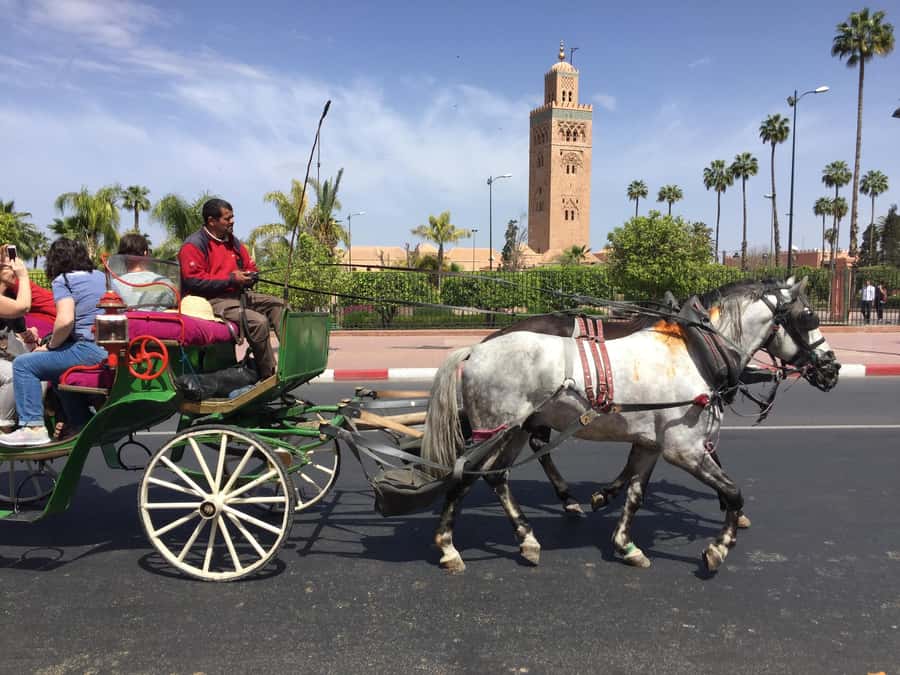
Your final heritage “architecture moment” is Koutoubia Mosque. The key thing to know before you arrive: you only view the mosque from the outside because entry is restricted to Muslims.
That sounds like a limitation, but it’s also part of what makes the visit straightforward. You still get the big visual payoff: the minaret and Almohad architecture stand out from the surrounding streets, and your guide shares why this landmark matters in Marrakech.
You’ll also spend a focused block of time here (about 25 minutes, including photos and guided sightseeing). If you’re hoping for inside access, plan on admiring the exterior rather than expecting entry.


Quick photo stops: Bab Agnaou and Kasba
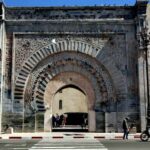
Between the major monuments, you’ll pass by Bab Agnaou and the Kasba for quick photo moments. These stops help stitch the day together so it doesn’t feel like four separate sites.
Even if you only spend minutes at each spot, it can make Marrakech feel more connected. When you later walk the medina on your own, you’ll recognize these areas faster, which is the real hidden win of guided walking routes.
Jemaa el-Fna Square: the end-of-tour energy check
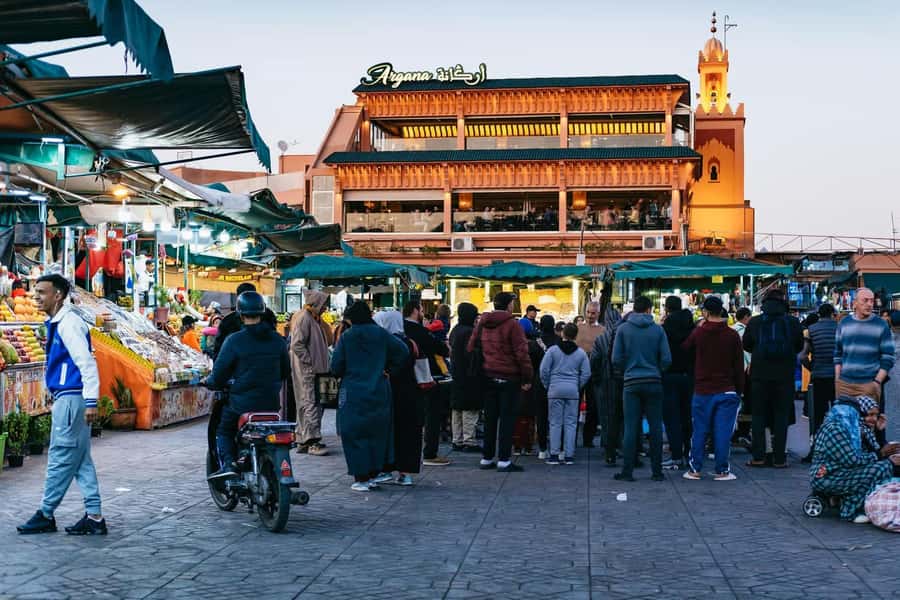
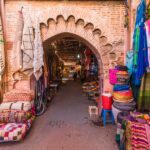
Your tour ends at Jemaa el-Fna Square, Marrakech’s central gathering place. This is where the city’s energy comes back full volume: storytellers, market activity, and the kind of street life you’ll remember long after the monuments fade.
You’ll have time to look around on your own, which I like. It’s enough freedom to soak up the vibe, but you’re not left stranded without context.
Tip: if you want to keep the day pleasant, slow down here. If you try to do everything at the square right away, it can feel like information overload. Let the scene come to you, then decide what you want to do next.
The guides are the difference (and you’ll feel it fast)
What really elevates this tour is the guiding style. Many guides on this route are praised for clear explanations, good pacing, and a sense of humor that keeps history from turning into a lecture.
Names that show up often with high praise include Ahmed and Abdul, plus guides like Aoud, Charif, Rachid, and Mohammad. A recurring theme is that they answer questions directly and add context about current Marrakech life—not only what’s on the tiles, but what those places mean.
Another practical bonus: guides tend to be flexible with pacing. Some groups mention support for slower walkers and extra attention to making sure everyone can see what they came for. If you want a tour that feels managed rather than rushed, this is a strong fit.
If you’re the type who likes photos, you’ll also appreciate that guides often help with pictures and know the angles that actually work in crowded areas.
Money and value: the $19 price vs. on-site fees
The headline price is $19 per person for a 3-hour guided walking experience. That part is solid value because you’re paying for guidance, timing, and help with navigating busy entrances.
What’s not included is monument entry for Bahia Palace (100 MAD per adult) and Saadian Tombs (100 MAD per adult). In plain terms, your final total depends on how many adults you book and what currency you use to exchange MAD.
One more money detail that matters: bring cash. The tour notes that cash is needed, and you may run into places that don’t take card. Having the right money in hand helps you spend time looking instead of negotiating or waiting.
What to bring so you don’t suffer (too much)
Wear comfortable shoes. You’re walking between sites in a dense old city, and even a short tour can feel longer if your feet are unhappy.
Bring cash for entrance fees, and consider weather gear. The guidance includes sunscreen and a hat, and possibly a light jacket depending on the season. Marrakech can go from bright to surprisingly warm (or cooler than you expect) depending on the time of day.
Also, dress in a way that lets you move comfortably. For mosque viewing, respectful clothing helps you feel comfortable in the area even though you’re not entering.
Who this tour is best for
I’d point you to this tour if you want a first “big picture” loop of Marrakech. It’s ideal when you’re short on time but still want more than a photo run.
It’s also a good match if you like guided storytelling. The tour doesn’t just list sights; it aims to explain why royal history, tombs, and neighborhood identity matter to how Marrakech looks and works.
If you only want museum-style pacing or very quiet settings, you might find portions of the walk and square area a bit intense. The route is built around seeing iconic places in a short window, and that means you’ll be moving through active areas.
Should you book this Marrakech heritage walk?
Yes—if you want an efficient way to connect Bahia Palace, the Saadian Tombs, the Mellah, and Koutoubia Mosque into one coherent afternoon. The best reason to book is not just the sights; it’s the guide impact. When you get a strong guide like Ahmed or Abdul, the history clicks quickly and you leave with a better handle on the city.
I’d hesitate if your budget can’t stretch for on-site entrance fees, or if you strongly dislike waits in peak crowds. Also, if mosque entry is a must for you, remember Koutoubia is outside-only.
FAQ
What is included in the tour price?
The tour includes a tour guide, a walking tour, and free time at each monument visited. If you choose the transportation option, transportation is included; otherwise you meet at the designated meeting point.
Are entrance fees included for Bahia Palace and the Saadian Tombs?
No. Entrance fees are not included. Bahia Palace is 100 MAD per adult, and the Saadian Tombs are 100 MAD per adult, paid on-site.
Can I enter Koutoubia Mosque during this tour?
No. The Koutoubia Mosque is viewed from the outside only, because entry is restricted to Muslims.
Will the guide help with ticket lines?
Yes, the guide can assist in skipping the initial ticket lines at Bahia Palace and Saadian Tombs. After that, you may still face queues once you’re inside.
How long is the tour?
The duration is about 3 hours.
What languages are available?
The live tour guide is available in English, French, German, and Arabic.
What should I bring?
Bring comfortable shoes and cash for entrance fees. Weather items like sunscreen, a hat, or a light jacket can also help depending on the season.
If you tell me your travel month and whether you’re more into architecture, religion, or street life, I can also suggest how to pair this with the rest of your Marrakech day.