REVIEW · CAIRO
Museum of Egyptian Civilization, Citadel & Old Cairo Tour
Book on GetYourGuide →Operated by OceanAir Egypt · Bookable on GetYourGuide
Seven hours, three eras of Cairo.
This tour strings together Ancient Egypt, Islamic Cairo, and Coptic Old Cairo in one efficient loop, so your day feels like a guided timeline rather than random stops. I like the Egyptologist-led museum visit and the Saladin Citadel views that connect history to real streets and city life.
What I love most is the way the day balances big-ticket sights with guided context. You get access to the National Museum of Egyptian Civilization and its scale, then a walk through Khan el-Khalili’s old lanes, and finally the key churches of Old Cairo. The second big win is pacing: you’re not doing a full marathon, and you still get enough time to take photos, ask questions, and breathe between crowded areas.
One consideration: the Khan el-Khalili portion can skew toward shopping, and if you are not into negotiating or browsing, you may want your guide to keep the history talk going. Also, the tour is not set up for wheelchair users, and you’ll be on your feet in heat.
In This Review
- Key takeaways before you go
- Getting Around Cairo: Pickup, Timing, and Realistic Expectations
- National Museum of Egyptian Civilization: 50,000+ Artifacts Without the Guesswork
- Saladin Citadel on Mokattam Hills: Architecture, Power, and City Views
- Islamic Cairo and Khan el-Khalili: Old Lanes, Antique Talk, and How to Shop Smart
- Old Cairo Churches: Hanging Church, St. Barbara, and Abu Serga
- Lunch in Cairo: A Real Meal Break, Not Just a Time Gap
- Price and Value: Is $77 Fair for This Much Cairo?
- The Guides Make the Difference: What to Look For
- Who This Tour Suits Best (and Who Might Want Another Plan)
- Should You Book This Cairo Day Tour?
- FAQ
- How long is the tour?
- Where does pickup happen?
- What’s included in the price?
- Is lunch included?
- Is the tour wheelchair accessible?
- What should I bring?
Key takeaways before you go
- Museum time that’s actually structured so you know what you’re seeing.
- Saladin Citadel city views paired with short, meaningful stops.
- Khan el-Khalili as a walk-through with time to shop if you want it.
- Old Cairo churches in one focused block (Hanging Church, St. Barbara, Abu Serga).
- Air-conditioned transport with an Egyptologist guide for a smoother day.
Getting Around Cairo: Pickup, Timing, and Realistic Expectations
Cairo is a city where timing matters. This tour starts with pickup from your hotel in Cairo or Giza, then you transfer in an air-conditioned van while your guide handles the route and the flow of stops. Expect a full day feel: the listed duration is 7 hours, but pickup and travel time usually make it closer to an 8–9 hour experience door-to-door.
You’ll also get a heads-up about your exact pickup time the day before via WhatsApp, email, or phone. That small step matters in Cairo, where you don’t want to be guessing in the morning.
Bring a camera and comfortable clothes. A sun hat is smart because you’ll spend time outdoors at the Citadel area and wandering the bazaars. Bottled water is included, which helps you stay human rather than dehydrated and grumpy.
Logistics-wise, I appreciate that the tour bundles what can be annoying to organize yourself: transport, admission fees, parking fees, guide support, and a lunch option. The day can be packed, but it’s not chaotic—your guide keeps the order of sights clear and the transitions manageable.
You can also read our reviews of more tours and experiences in Cairo.



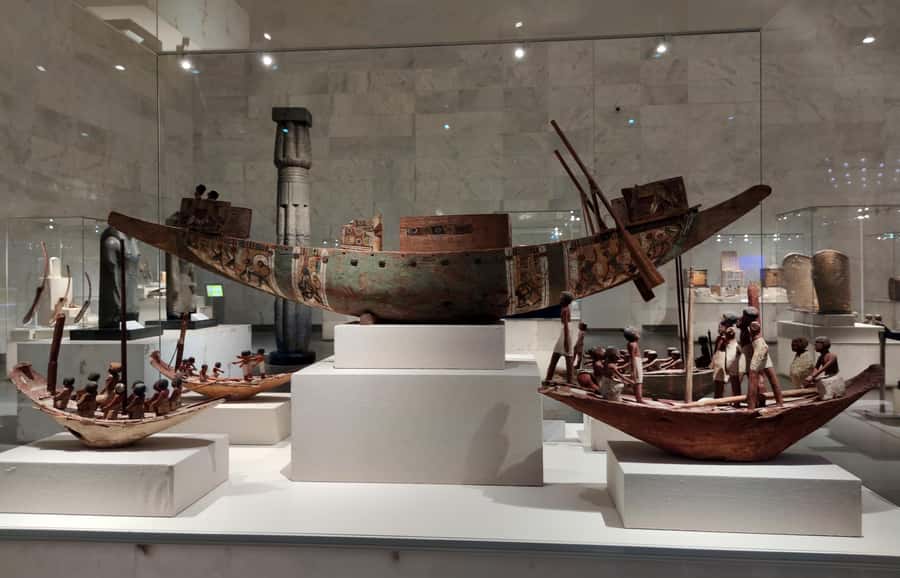
National Museum of Egyptian Civilization: 50,000+ Artifacts Without the Guesswork
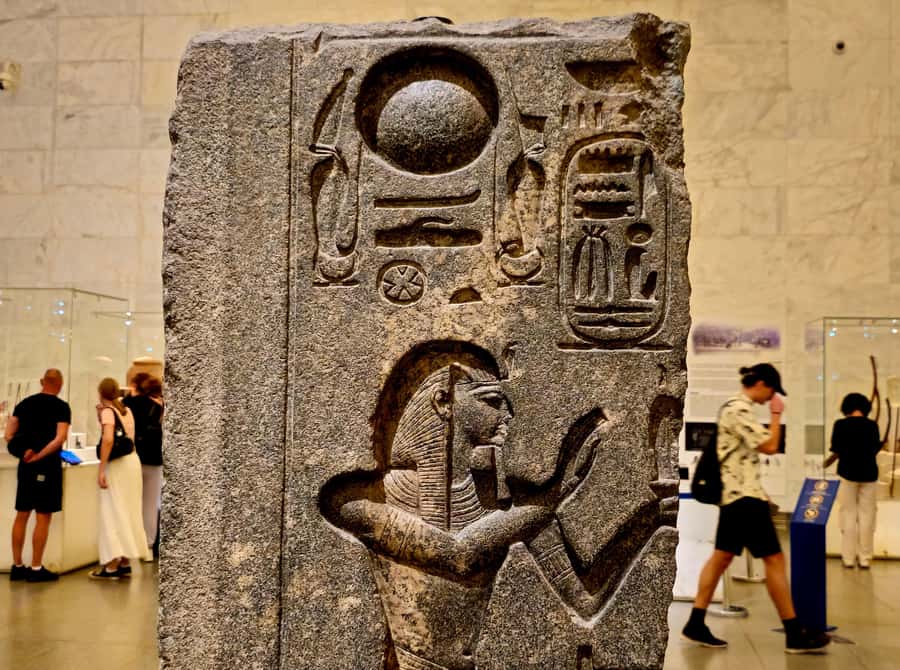
The day’s anchor is the National Museum of Egyptian Civilization. This is the kind of museum where going in with a plan helps a lot, and that’s exactly where an Egyptologist guide earns their keep.
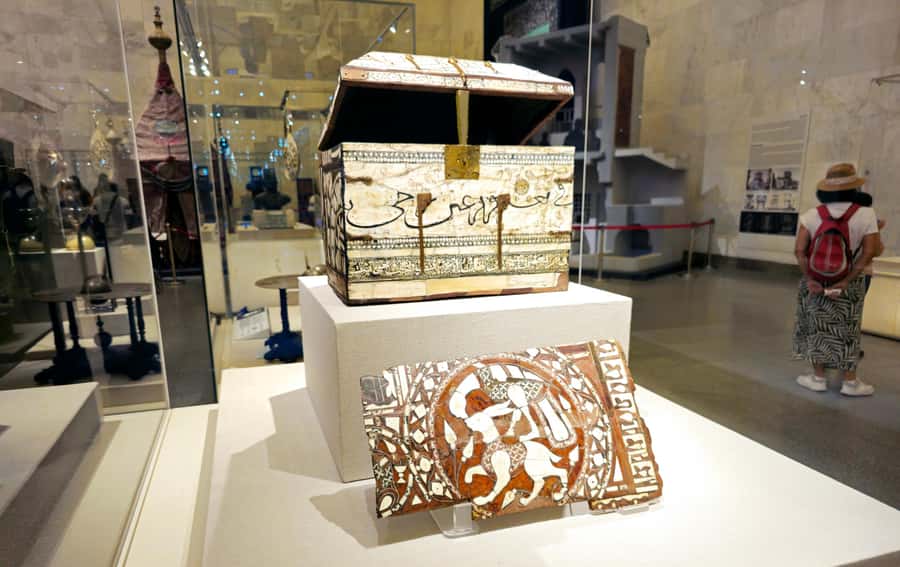
The tour’s museum time is 105 minutes, and the stated focus is huge: the museum displays more than 50,000 artifacts that trace how Egyptian civilization developed and what people valued. In plain terms, this is where you build the mental map that makes later stops—like royal sites and religious landmarks—feel more connected.
One of the museum standouts in this experience is the mummy displays. Some guides lead you toward a set of royal mummies, including a noted exhibition of 22 mummies. Even if you are not a hardcore Egyptology fan, seeing mummies in a museum setting still hits differently. It turns Ancient Egypt from textbook facts into physical history.
I also like that this isn’t just a walk-through of objects. Your guide explains customs, traditions, and the evolution of civilization. That means you’re not just collecting photos—you’re collecting understanding, the kind you can actually remember later.
Practical tip: at the museum, move with purpose. Don’t stop at everything. Pick a few themes your guide mentions—royal power, everyday life, religious practice—and let those guide where you spend your time.
And yes, you should expect smoother entry. This tour includes skip-the-ticket-line access, which saves time you’ll feel later when you hit busy streets.
Saladin Citadel on Mokattam Hills: Architecture, Power, and City Views
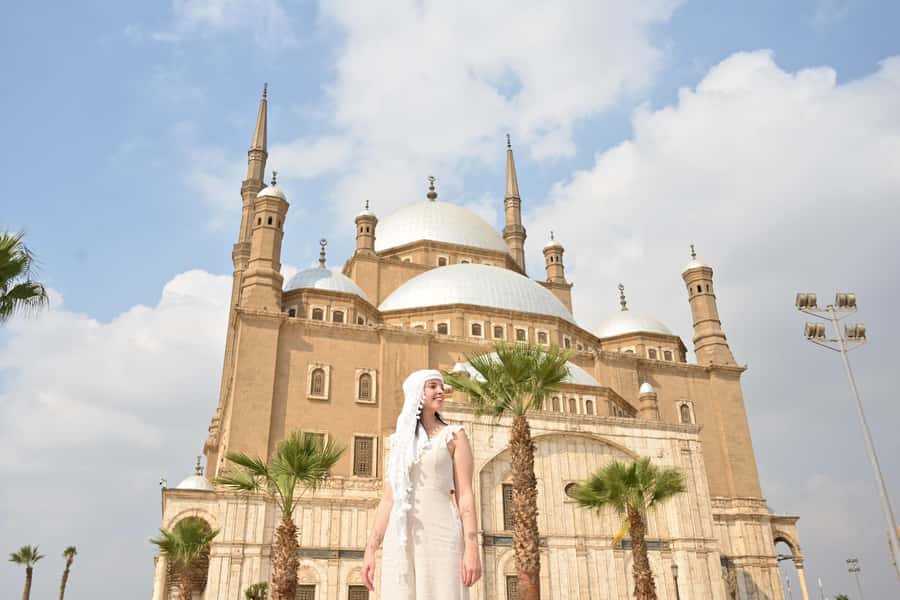
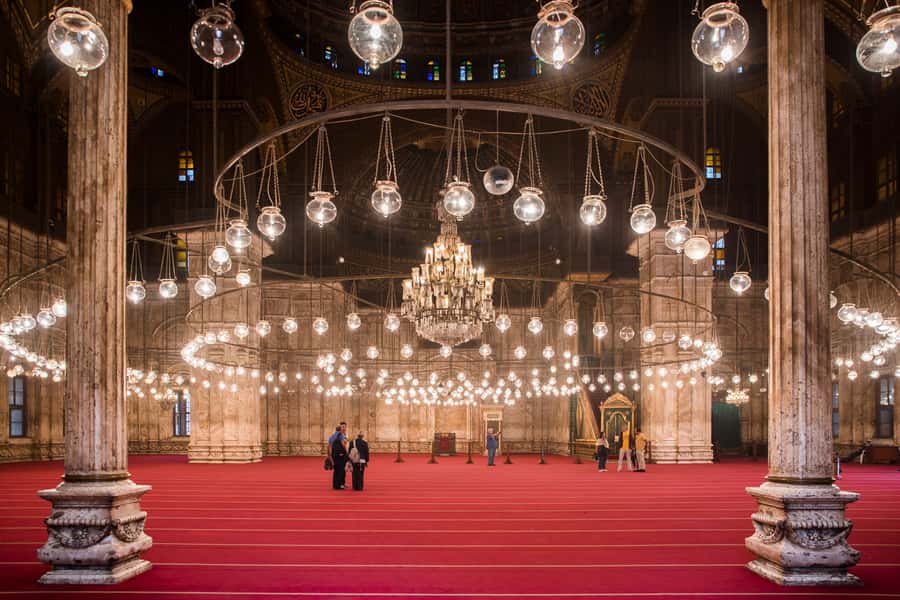
After the museum, you head toward the Citadel of Saladin, also known as the Citadel of Cairo. The tour describes it as a UNESCO World Heritage Site with a history dating back nearly 850 years, built by Salah Al-Din on the Mokattam Hills.
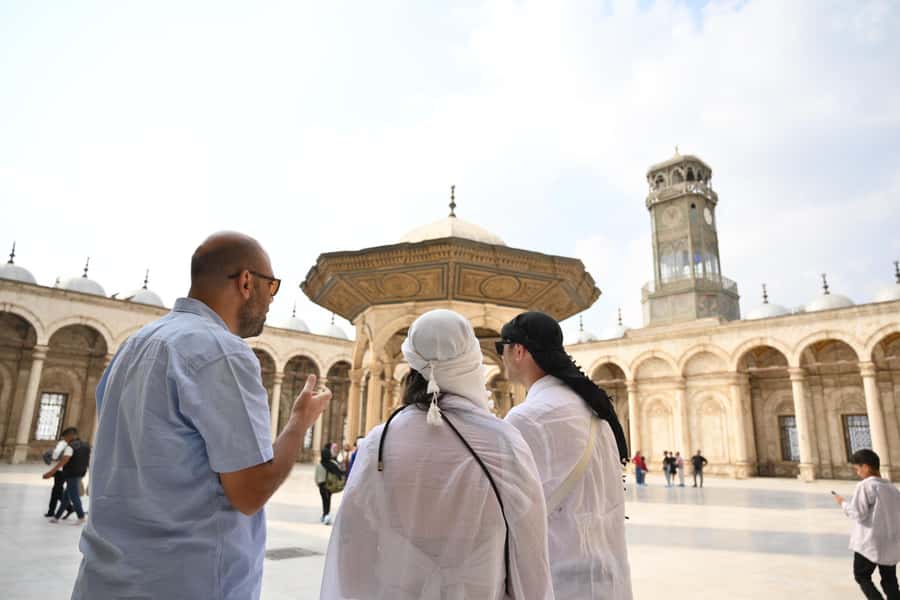
The Citadel is one of those places where architecture does the explaining. From the walls and courtyards, the city opens up around you, and suddenly Cairo’s geography feels relevant. Your guide ties the structures to the story of power, defense, and rule—so it doesn’t become a “look at this building” stop.
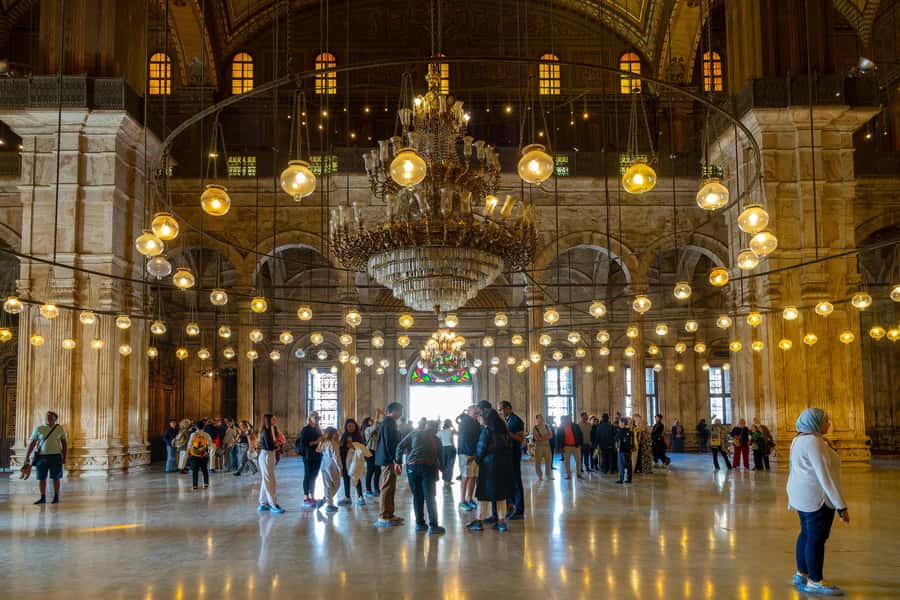
The timing here tends to be shorter than the museum, so you want to take advantage of your guide’s highlights. Ask for the best viewpoint angles for photos. If your route includes it, you may also see the Muhammad Ali Mosque within the Citadel complex—some recent guides on this route have included it, and it’s a major visual moment.
One more Cairo reality: expect walking on uneven surfaces and stairs in parts of the Citadel area. Wear shoes you trust.
Islamic Cairo and Khan el-Khalili: Old Lanes, Antique Talk, and How to Shop Smart
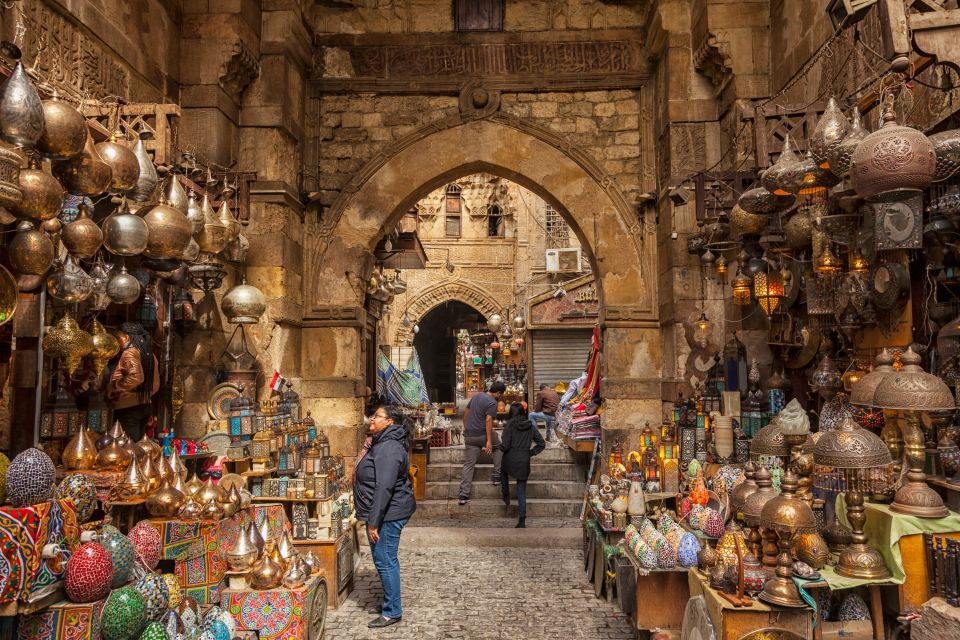
Khan el-Khalili Bazaar is the stop that makes most first-timers grin. It’s described here as a beautiful 14th-century market that still carries traces of its former glory, and the experience is built around a guided walk through the lanes for about one hour.
I like Khan el-Khalili because it gives you Cairo’s street rhythm: stalls, craftsmanship, and the constant motion of people passing through a historic space. This is not a quiet museum hall. It’s a working bazaar, and the energy is part of the point.
Your guide can help with two big things:
- Context so the market doesn’t feel like only a shopping trap.
- Negotiation and buying choices if you want antiques or handicrafts, especially if you’re trying to avoid overpaying or getting pulled into something that looks good but isn’t what you want.
Here’s the balance check. If you’re not interested in shopping, you’ll want to lean on your guide for historical explanation and short stops to look closely. One downside to consider is that some of your hour can feel shopping-heavy, so set the expectation early: ask for key stories, then browse with a budget and a plan.
Practical tip: keep your money and phone secure. In any crowded market, it’s easy to get distracted.
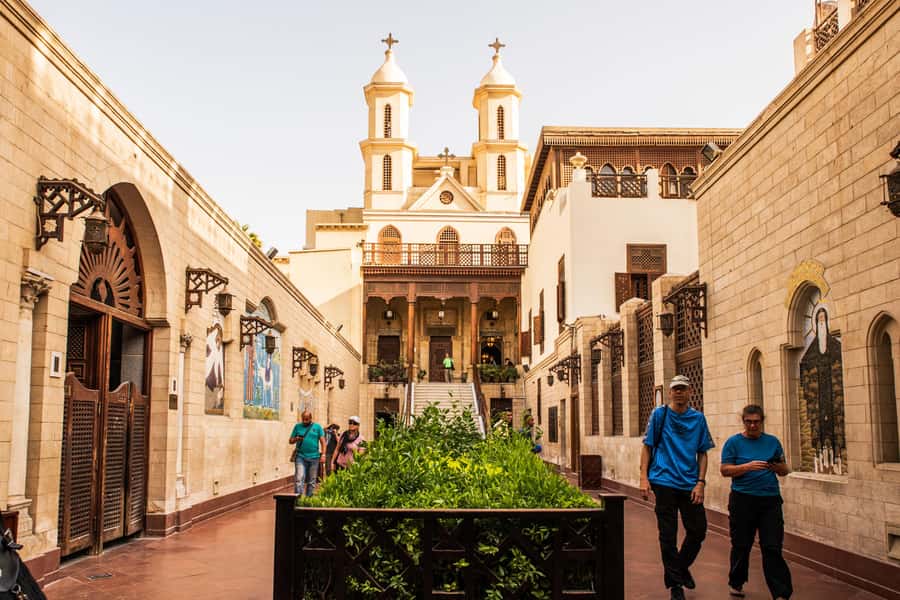
Old Cairo Churches: Hanging Church, St. Barbara, and Abu Serga
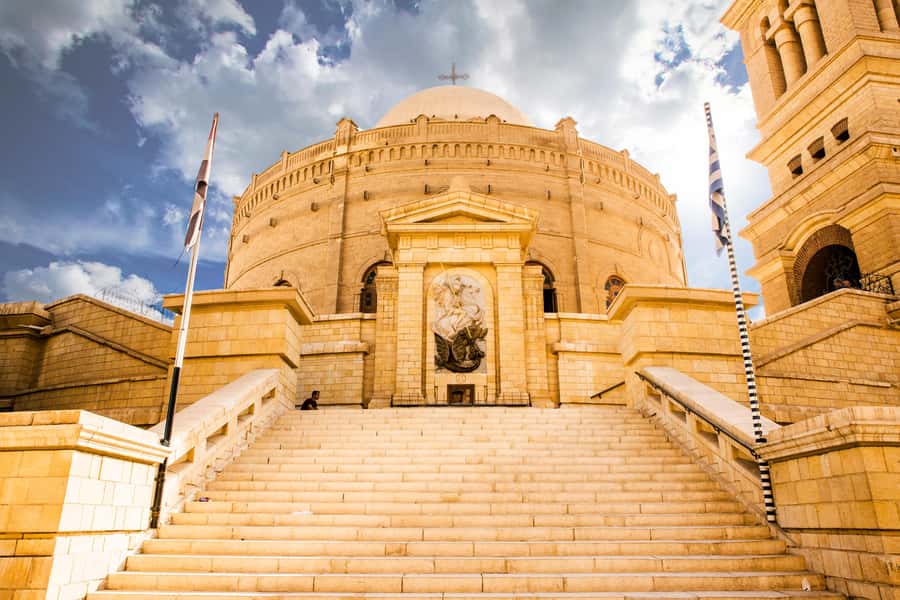
Old Cairo is a different mood. After the market, you move into a section of the city where centuries-old religious landmarks shape the streets.
This tour focuses on major Coptic churches, with stops at:
- the Hanging Church
- the Church of St. Barbara
- the Church of Abu Serga
The guided block here is around one hour, which is a smart length. It’s long enough to see what makes each church distinct, but short enough that you can pay attention without fatigue taking over.
What makes this stop valuable is the guided narration. Your guide connects the architecture and religious significance to what people believed and how communities lived. Even if your background is limited, you’ll come away with a clearer picture of Coptic Cairo as a living religious area, not just a sightseeing label.
One practical note: dress respectfully and keep shoulders and legs covered as appropriate. You’ll be walking between stops, and you don’t want to feel uncomfortable halfway through.
Also, photos vary by space and rules inside churches, so follow your guide’s cues.




Lunch in Cairo: A Real Meal Break, Not Just a Time Gap
Lunch is included only if you choose the lunch add-on. When it is included, the plan is a traditional Cairo meal at a local restaurant, and your guide helps keep the day on track so you don’t lose momentum to searching for food.
I like having lunch handled for you in Cairo. Even when you find great food on your own, planning it between the Citadel and the churches can turn into wasted time. Here, lunch becomes the reset button: water, sit down, recharge, and then head back out.
If you skip the add-on, you’ll still have your other costs and timing handled, but you’ll be more responsible for finding food. Either way, keep a little flexibility. Cairo days can run warm, and hunger makes everything feel longer.
Price and Value: Is $77 Fair for This Much Cairo?
At $77 per person, the value is mostly about bundling. This price covers pickup and drop-off from your Cairo or Giza hotel, an air-conditioned vehicle, an Egyptologist guide, admission fees for the stops, bottled water, parking fees, and taxes and service charges.
If you tried to DIY this day, you’d still pay for:
- museum entry tickets,
- transport through Cairo traffic,
- a guide (or hours of reading and planning),
- and likely some parking or extra transit costs.
The biggest “value” isn’t just money—it’s time and understanding. You’re cramming together Ancient Egypt at the National Museum of Egyptian Civilization, the Islamic power story at the Citadel, then the lived religious heritage of Old Cairo churches. A good guide turns that into a coherent day.
A second value point: skipping lines. It’s small, but line time can quietly eat your schedule.
This is also a good price point if you want your day managed but still want room for questions. Many guides on this route have a strong communication style and keep things moving at a human pace.
The Guides Make the Difference: What to Look For
One of the most consistent strengths of this experience is guide quality. Names like Basant, Nadia, Wael, Tony, Ahmed Zaki, Ramy, Dina, Hussein, and Mahmoud show up again and again with the same pattern: clear explanations, good pace, and a friendly tone.
You’ll probably notice two things you can watch for right away:
- Story clarity: the guide explains events and objects in a way that sticks.
- Practical care: the guide keeps you comfortable with timing, photo moments, and the ability to ask questions.
Some guides also help with market buying decisions, including negotiating strategies and helping you avoid random impulse buys. If that matters to you, you’ll benefit from asking your guide what to look for before you start walking stalls.
Who This Tour Suits Best (and Who Might Want Another Plan)
This tour is ideal if:
- you’re on a first visit and want the major highlights in one day,
- you like guided context instead of solo wandering,
- you want to see both Ancient Egypt and Cairo’s later religious culture,
- you prefer a managed pace with transport included.
It may be less ideal if:
- you hate market shopping and prefer only museums and monuments (Khan el-Khalili may feel too trade-focused),
- you need wheelchair access, because this tour is not suitable for wheelchair users,
- you want a slow, self-directed day with zero structure.
Also, note the basic rules: no pets, no smoking, and no luggage or large bags.
Should You Book This Cairo Day Tour?
Yes—if you want a tight, high-impact Cairo day with real guidance. The combination makes sense: the museum builds your background, the Citadel gives you the power-and-views perspective, Khan el-Khalili adds street texture, and Old Cairo churches slow the day down in a meaningful way.
Before you book, decide on two things:
- Do you want lunch handled? If yes, pick the lunch add-on.
- Do you enjoy markets? If not, tell your guide you’d rather focus on history and photo stops than shopping.
If you come with a sun hat, comfortable shoes, and a willingness to ask questions, this is the kind of day that gives Cairo depth without swallowing your whole schedule.
FAQ
How long is the tour?
The tour is listed as 7 hours, including pickup and drop-off time. In practice, plan for a full day feel with travel time, usually around 8–9 hours door-to-door.
Where does pickup happen?
Pickup is available from accommodations in Cairo or Giza District. A long-range pickup option can also be booked for select areas listed in the activity details.
What’s included in the price?
Pickup and drop-off, air-conditioned transportation, an Egyptologist guide, admission fees for the listed stops, bottled water, parking fees, and taxes and service charges are included.
Is lunch included?
Lunch is included only if you select the lunch add-on option.
Is the tour wheelchair accessible?
No. The tour is not suitable for wheelchair users.
What should I bring?
Bring a sun hat, a camera, comfortable clothes, and a passport or ID card (a copy is accepted).