REVIEW · CAIRO
Cairo: 2-Day Bahariya Oasis Camp and Desert Tour
Book on GetYourGuide →Operated by OceanAir Egypt · Bookable on GetYourGuide
Sleeping under Egypt’s stars is the main event. This 2-day Cairo-to-desert trip strings together Bahariya Oasis springs, the Black Desert’s dark volcanic hills, and the White Desert’s wind-carved rock shapes in one smooth loop. You get hands-on moments, too: sandboarding, plus a sulfur-water swim at Bedouin Valley.
I love that the tour keeps the group small (up to 13) and packs variety without feeling like a race. When guides like Eslam, Bakr, Islam, or Yaya are leading, you’re not just driven from stop to stop—you get context as you go. One thing to know up front: the overnight camp uses tents and there’s no toilet facility, so it’s a real desert night, and it can get cold.
In This Review
- Key things that make this desert tour click
- Cairo to Bahariya Oasis and the desert loop: how the timing feels
- Bahariya Oasis lunches and the oasis contrast you’ll feel instantly
- Black Desert: volcanic hills, dark rock, and a classic photo mood
- Bedouin Valley sulfur swim: do it if you want a hands-on memory
- Crystal Mountain and Agabat sandboarding: the fun, action-packed middle
- White Desert National Park: wind-carved rock shapes and the Valley of Tents
- Overnight camping in the White Desert: real tents, no toilets, big skies
- English Mountain and Bawiti: the WWI story and the salt-lake ending
- Price and value: is $205 for two days actually fair?
- Who should book this, and who should skip it?
- Should you book the Cairo: Bahariya Oasis Camp and Desert Tour?
- FAQ
- Where does the tour start and end?
- How long is the tour?
- What’s included in the price?
- Do I sleep in a hotel room?
- Is there a toilet at the campsite?
- Is there swimming and sandboarding?
- What should I bring?
- Is tipping required?
- What languages are offered for the guide?
- Who is this tour not suitable for?
Key things that make this desert tour click
- A tight itinerary with real variety: oasis, black volcanic rock, quartz crystals, and White Desert formations
- One night under the stars with campfire vibes (including tea, music, and singing in some groups)
- Hands-on adventure: sandboarding in Agabat Valley and a sulfur-water swim in Bedouin Valley
- Important history stop: English Mountain, tied to a British WWI base near Bahariya Oasis
- Small-group pacing that helps you spend time at each place instead of rushing through
Cairo to Bahariya Oasis and the desert loop: how the timing feels
This tour is built for people who want a desert hit without sacrificing the whole holiday to logistics. You leave Cairo or Giza and you’re already in the Bahariya region after about a four-hour drive. From there, the day is a chain of stops—oasis lunch, Black Desert shapes, crystal deposits, sandboarding, and then the White Desert national park area.
Because the tour lasts two days (including pickup and drop-off time), you’ll feel the rhythm: early movement, steady sightseeing, then a full “desert at night” experience with dinner and sleeping out in tents. If you’re the type who likes photos at sunrise and the calm of night skies, this schedule is designed for that.
The value question matters here. The published price ($205 per person) covers pickup and drop-off, entrance fees, air-conditioned transport for the main road portions, 4×4 transport for the desert parts, a licensed guide, bottled water, and all meals during the tour days. For many people, that’s what makes it cheaper than trying to stitch together separate transport plus entrance fees plus meals on your own.
You can also read our reviews of more tours and experiences in Cairo.
Bahariya Oasis lunches and the oasis contrast you’ll feel instantly
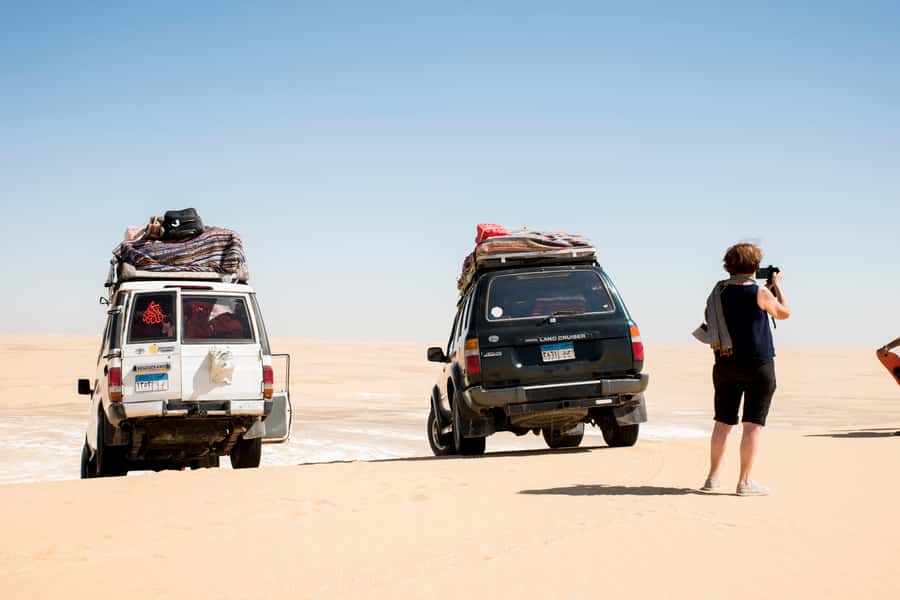
Bahariya Oasis is the “green pause” in an otherwise harsh setting, and the tour uses that contrast well. You’ll meet your guide after pickup and then have lunch at the oasis at a local restaurant. It’s a practical reset before the darker desert stops and the 4×4 segments.
On the second day, you continue through the Bahariya area and reach Bawiti, where you’ll see sand dunes and a salt lake. This is a different kind of oasis scenery—more open, more airy, and very photogenic when the light changes. It also helps break up the day so it doesn’t feel like nonstop sand.
A small-group feel helps at oasis stops. You’re less likely to feel herded, and you usually get enough time to step away from the group for a photo, a stretch, or just to take in the quiet.
Black Desert: volcanic hills, dark rock, and a classic photo mood
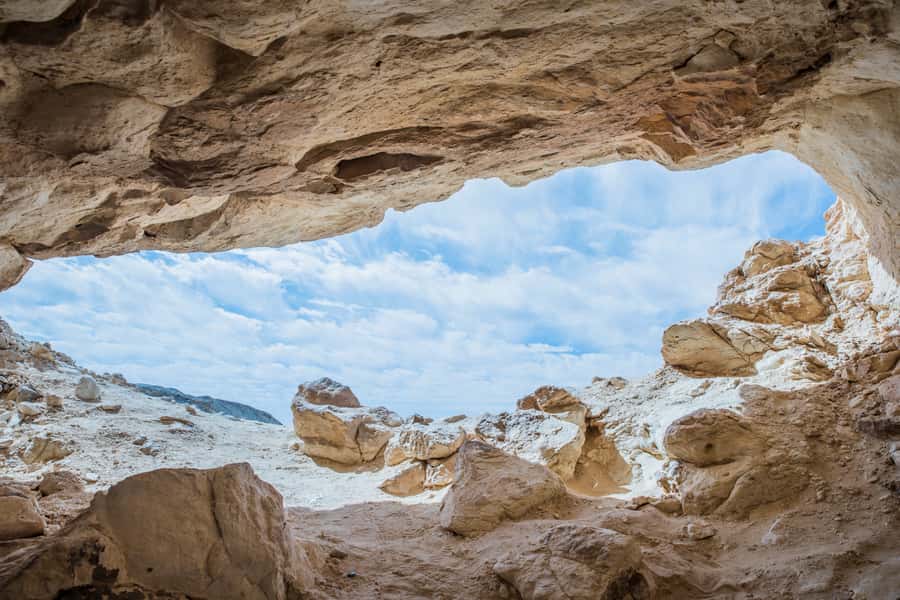
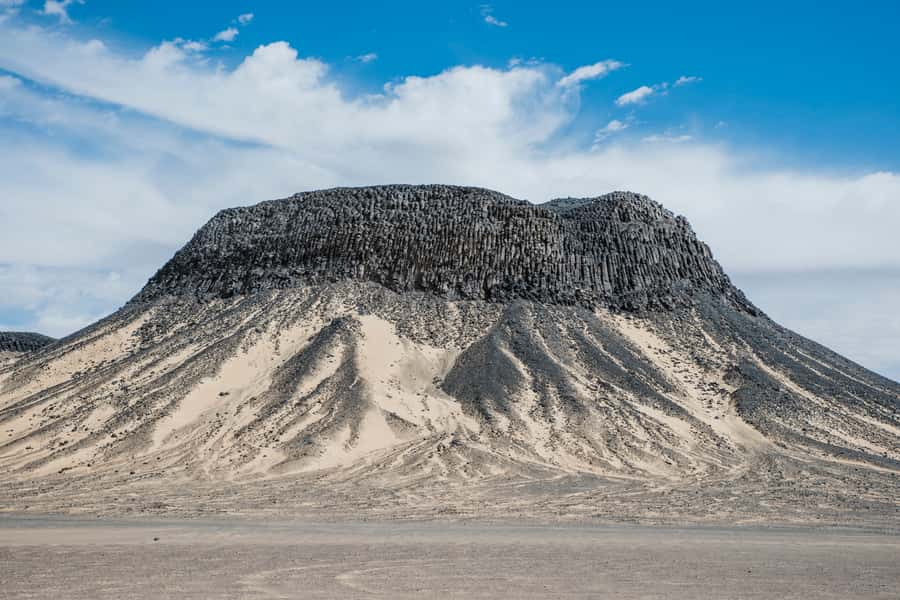
Next comes the Black Desert, known for black volcanic hills and dolerite rocks. Even if you’ve seen desert photos before, this stop tends to hit different because the ground looks like it belongs to a volcanic moon.
What I like about pairing the Black Desert with Bahariya Oasis is the way your eyes adjust. The oasis is bright and open; then the black rock makes everything feel more dramatic. It’s also a good chance to switch your mindset from “I’m visiting sights” to “I’m in a landscape that changes character every few kilometers.”
This part is usually easier on tired legs than the walking-heavy sightseeing in some other regions. Most of your motion is in vehicles and short breaks for photos and viewing, so it stays realistic in a two-day plan.
Bedouin Valley sulfur swim: do it if you want a hands-on memory
The tour includes a stop at Bedouin Valley where you can swim in sulfur-rich water. This is one of those activities that’s either a highlight or a “maybe later” moment, depending on your comfort with unusual water and strong smells.
If you do swim, bring your own expectations:
- Bring swimwear and quick-dry items.
- Plan for the feeling of sulfur water on skin, and the fact that it can be hard to ignore if you’re sensitive to scents.
The upside is the contrast: you’re bouncing from black volcanic rock to hot, mineral water, and you’re doing it in a setting that feels far from mainstream Egypt tourism. For many people, that single swim makes the whole trip feel more personal.
Crystal Mountain and Agabat sandboarding: the fun, action-packed middle
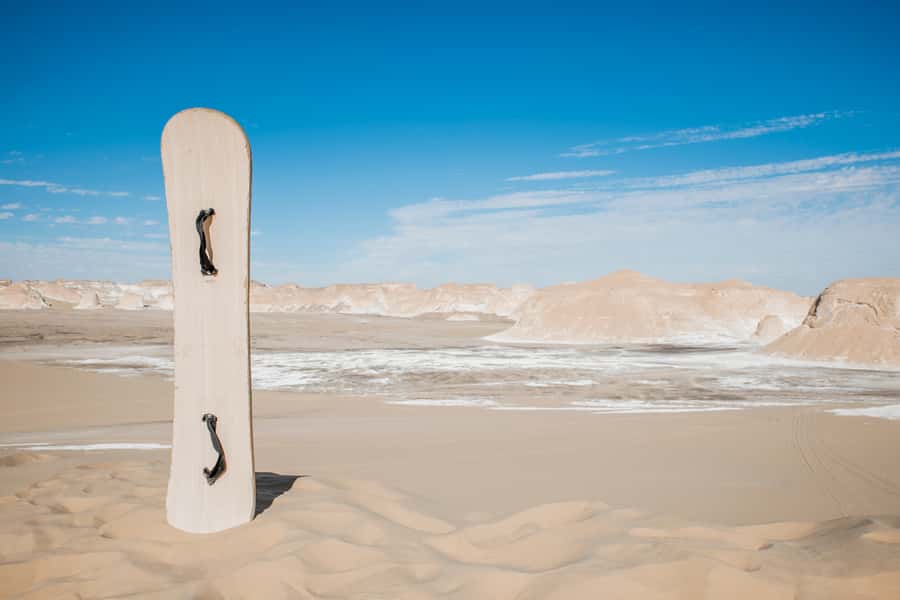
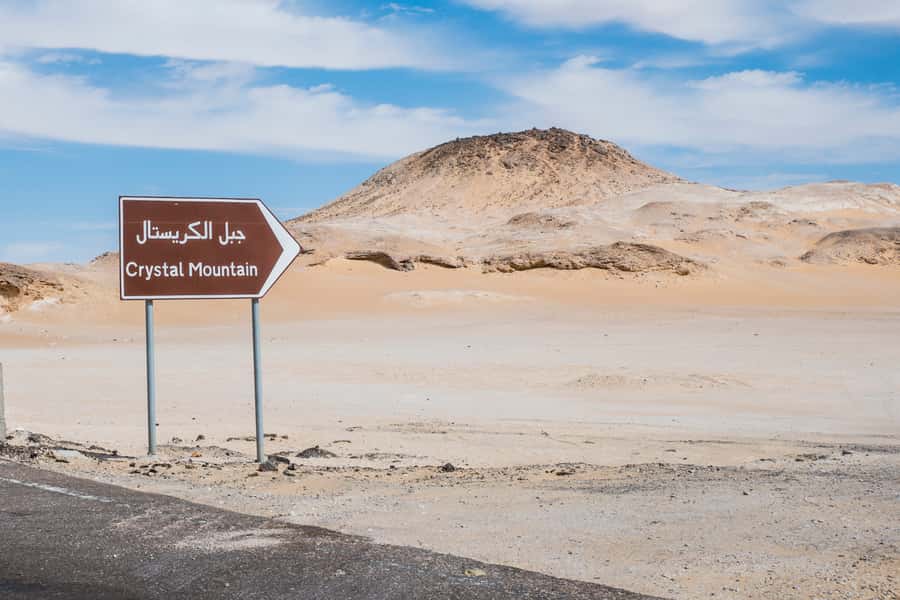
Then you head to Crystal Mountain in the Agabat Valley, where you can admire quartz crystal deposits. The effect is simple but striking: you’re looking at geology up close, not just viewing it from a distant overlook.
Right after that, you get the adrenaline moment: sandboarding across dunes in the Agabat Valley. This is the part where your body understands the desert. The dunes aren’t flat; they roll. The ride gives you speed, then slows you down, then surprises you again.
A practical note: wear comfortable shoes when you travel between stops. You’ll likely do short walks across sand before you move into the sandboarding area, and you don’t want blisters messing with your day.

White Desert National Park: wind-carved rock shapes and the Valley of Tents
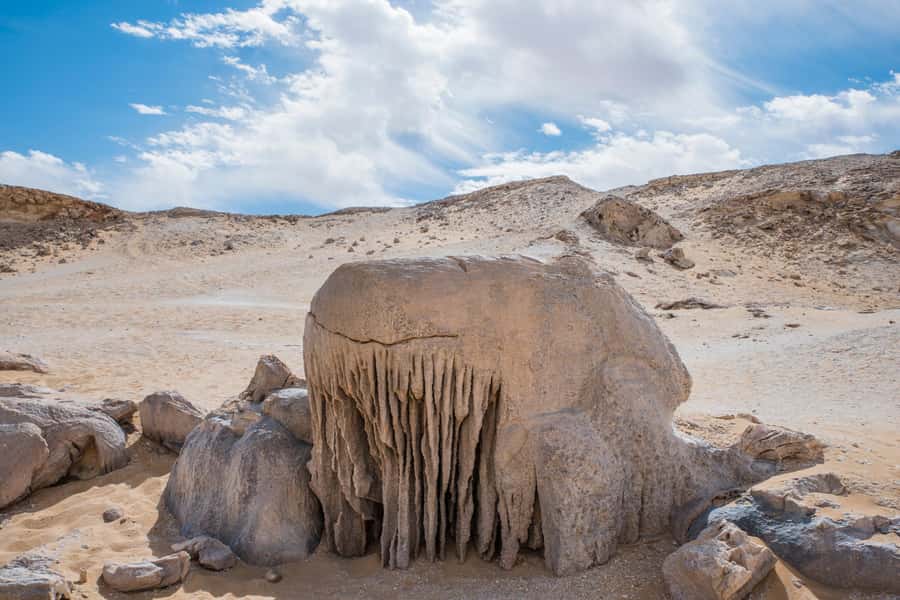
White Desert National Park is why people block out two days for this trip. The big visual beats are the wind-carved rock formations and the tent-shaped rocks in the Valley of Tents area.
This stop works because it’s not one single “look.” You’ll get multiple viewpoints as you move through the area. The light shifts across the rock, and that makes photos feel less repetitive. It also helps that the formations look strange in the best way—like nature made props for a sci-fi set.
One detail I appreciated from how this tour is described: there’s also an ambience element tied to a National Park Museum setting. Even without turning it into a museum day, having that touch of interpretation helps you understand what you’re seeing instead of just snapping pictures and moving on.
Overnight camping in the White Desert: real tents, no toilets, big skies
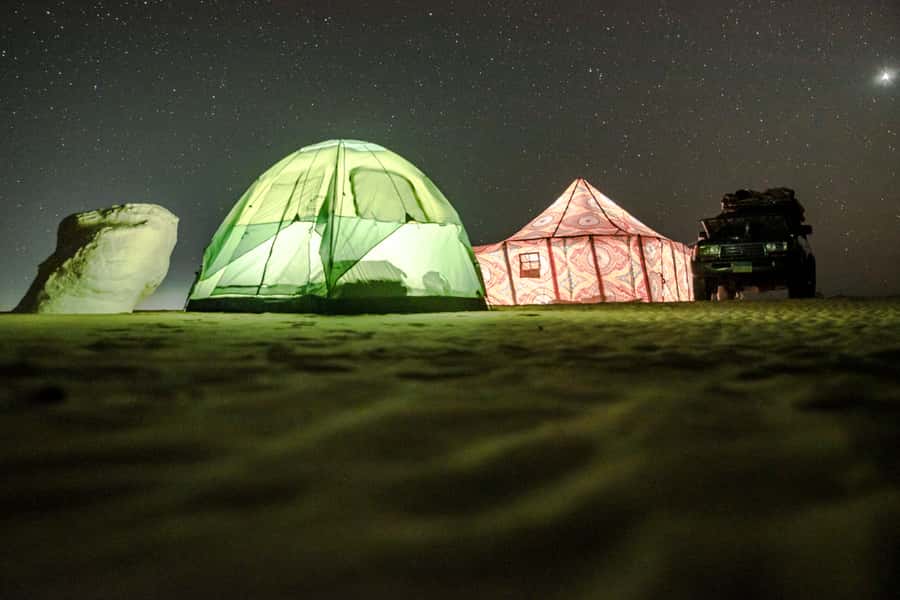
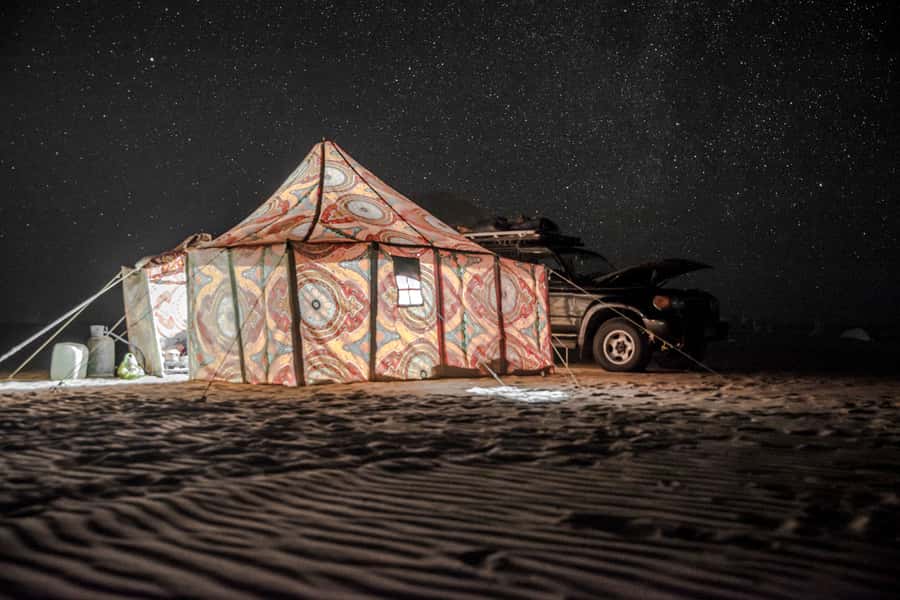
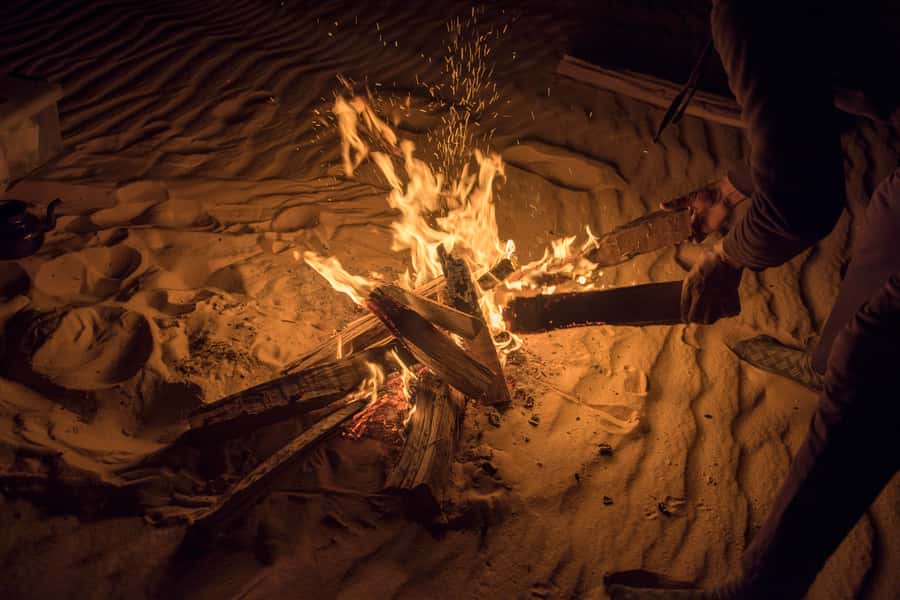
The overnight is the heart of the experience. After exploring the White Desert area, you’ll head to the white desert campsite for dinner and then sleep in tents. Dinner is served at the camp, and on some nights there’s campfire time with music and group energy.
Comfort is not fantasy here. You’re told clearly that you’ll sleep in tents and there’s no toilet facility. That’s not a deal-breaker for everyone, but you should take it seriously. If you dislike the idea of basic facilities, plan mentally before you go.
Cold weather is another factor. Many desert nights in winter (and shoulder seasons) can be chilly, so bring warm layers. People who’ve done this tour often praise the camp setup for the cold, including thick sleeping bags/blankets and a fire. Still, your own jacket and thermal layers can make the difference between “pleasantly cold” and “why did I not pack better?”
If you’re comfortable with the outdoors basics, this night is where the trip earns its reputation: quiet dark skies, wide silence, and the kind of stargazing that’s hard to replicate anywhere near Cairo.
English Mountain and Bawiti: the WWI story and the salt-lake ending
Day two starts with breakfast at the campsite, then you drive out to English Mountain. This is where you’ll see the British WWI base that helped maintain control of the Bahariya Oasis. It adds meaning to the desert. You’re not only looking at natural formations—you’re seeing how modern events used these remote locations.
After English Mountain, the route continues to Bawiti, with sand dunes and a salt lake. This is a good “visual decompression” stop after you’ve already handled the main White Desert wow-factor. Salt flats and dunes can look almost abstract, especially when the light is low and the shadows stretch.
Then you’ll have lunch back in the Bahariya Oasis area before the long drive back to Cairo or Giza. The return leg gives you time to reflect on what you saw and—if you’re like me—wish you’d packed fewer layers for the desert night but more patience for the drive.
Price and value: is $205 for two days actually fair?
At $205 per person for a two-day trip, this isn’t the kind of “cheap” excursion where you question what’s included. It includes a lot of the items that usually inflate costs when you plan independently:
- hotel pickup and drop-off in Cairo or Giza
- entrance fees
- air-conditioned transport for road driving
- 4×4 transport for the Black/White Desert sections
- a licensed tour guide
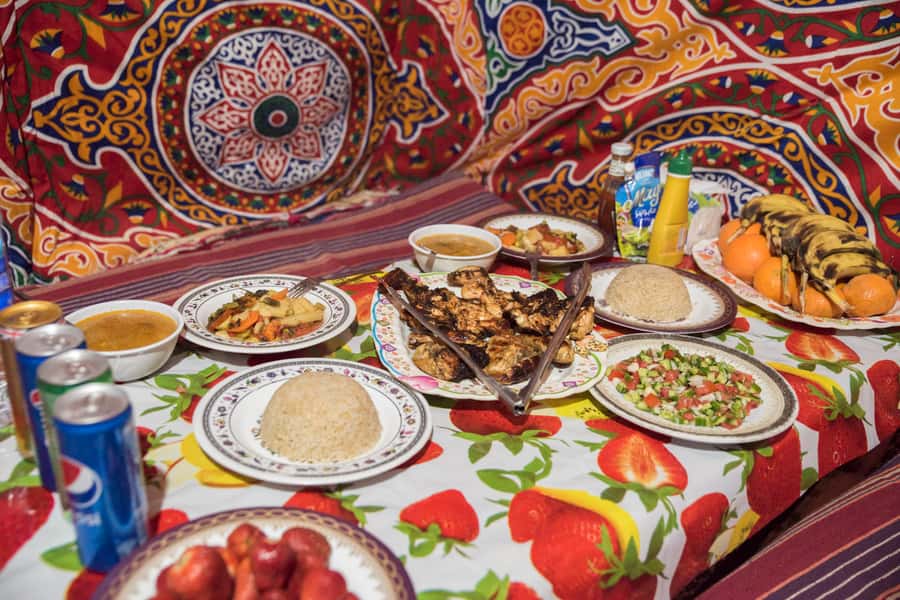
- meals: 2 lunches, dinner, and breakfast
- bottled mineral water, plus taxes and service charges
The small group size (up to 13) also affects value. It’s not just about comfort; it affects how much time you can realistically spend at stops without feeling rushed by a big crowd.
The tradeoff is that you’re doing a long regional journey from Cairo. If you hate early departures or long drives, you might feel the time. Also, the camp is basic by design—tents and no toilet facility. You’re paying for access and experience, not for hotel comfort.
Who should book this, and who should skip it?
This tour is a strong fit if you:
- want a real desert overnight rather than a one-day drive-by
- enjoy photography, stargazing, and changing desert scenery
- like a mix of hands-on activities (sandboarding and swimming)
- want history that actually ties to the region (English Mountain WWI base)
Skip or choose a different option if you:
- don’t handle cold nights well (bring warm layers)
- need toilet access at night (there’s none at the campsite)
- are traveling with a lot of luggage (large bags aren’t allowed)
- need wheelchair accessibility (it’s not wheelchair accessible)
- are pregnant (listed as not suitable)
If you’re doing Egypt for the “big monuments only” and you’re already exhausted by crowds, this might still be worth it. The desert is the opposite rhythm: quiet, wide, and oddly calming.
Should you book the Cairo: Bahariya Oasis Camp and Desert Tour?
I’d book it if you want your Egypt trip to include one night where the sky is the main attraction and your days include real variety: Black Desert volcanic rock, Crystal Mountain quartz deposits, Agabat sandboarding, and White Desert rock formations, plus a WWI history stop.
I wouldn’t book it if the idea of no toilet at the camp or sleeping in a tent sounds stressful. And if you’re not interested in being active (even just climbing for sandboarding) or you hate “cold and basics,” look for a different style of desert tour.
If you do book, pack like a desert camper, not a hotel guest: sun hat, sunscreen, sunglasses, comfortable shoes, swimwear, and warm layers. And if you can, plan your expectations around the night: it’s simple out there, but that’s exactly the point.
FAQ
Where does the tour start and end?
You get pickup and drop-off from your hotel or location in Cairo or Giza.
How long is the tour?
The tour runs for 2 days, and pickup/drop-off time is included, though it can vary with city traffic.
What’s included in the price?
It includes pickup and drop-off, entrance fees, air-conditioned transportation, 4×4 transportation for desert driving, one night of desert camping, meals (2 lunches, breakfast, and dinner), a licensed tour guide, bottled mineral water, and taxes/service charges.
Do I sleep in a hotel room?
No. You sleep in tents at the desert campsite for one night.
Is there a toilet at the campsite?
No. There is no toilet facility at the desert campsite.
Is there swimming and sandboarding?
Yes. The tour includes the chance to swim in Bedouin Valley sulfur-rich water and includes sandboarding in the Agabat Valley.
What should I bring?
Bring your passport, comfortable shoes, sunglasses, sun hat, sunscreen, swimwear, and toiletries.
Is tipping required?
Tipping is not mandatory.
What languages are offered for the guide?
Guides can speak French, English, Arabic, German, Spanish, or Italian.
Who is this tour not suitable for?
It’s not suitable for pregnant women or wheelchair users. Pets and large bags are also not allowed.