REVIEW · MARRAKESH
Marrakech: Moroccan Cooking Class with Pickup
Book on GetYourGuide →Operated by Click Excursions · Bookable on GetYourGuide
A tajine lesson with real people. I like the hotel pickup that drops you right at the working restaurant Chouf l’Or, and I like the mint tea welcome that turns the class into more than just cooking. One thing to watch: the menu experience can feel a bit lighter than some foodies expect, with a simple dessert and a starter that may be less elaborate than the description suggests.
You spend about three hours with a professional chef (names like Mourad and Ahmed show up often), learn how flavors get built with spices, and then sit down for lunch featuring what you cooked. If you want a Marrakech memory that is tasty, practical, and easy to fit into a busy day, this one works.
In This Review
- Key highlights worth your attention
- Hotel pickup to the restaurant kitchen you can actually smell
- Mint tea + menu planning: how they set you up to succeed
- Cooking in a real Moroccan restaurant kitchen (with chefs who teach)
- What you actually make: tajine you build, salad you assemble, orange dessert
- Starter (often a Moroccan salad)
- Main: Tajine, cooked with guidance
- Dessert: Orange de Cannelle
- Lunch at Chouf l’Or: eating like you did the work
- Price and timing: good value for a 3-hour Moroccan day
- Who should book this cooking class (and who might skip it)
- Should you book Marrakech Moroccan Cooking Class with Pickup?
- FAQ
- What’s included with the Marrakesh cooking class?
- How long is the cooking class?
- Where does the class take place and where do you eat?
- What dishes do we make?
- Does the activity offer multiple languages?
- Is it wheelchair accessible, and are pets allowed?
Key highlights worth your attention
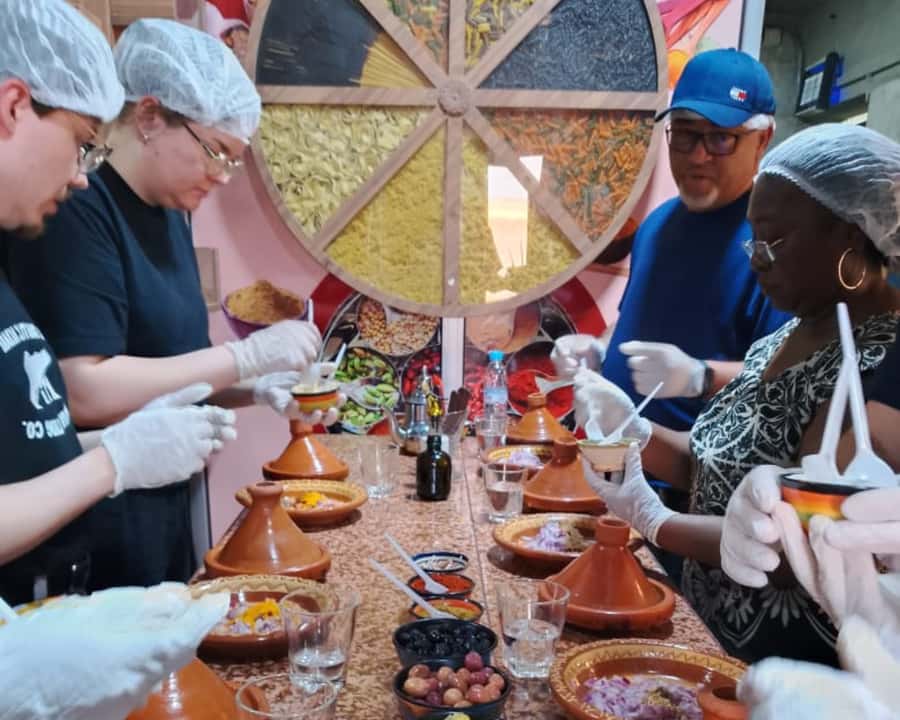
- Pickup to Chouf l’Or: door-to-door helps you skip the hassle of finding the restaurant
- Chef-led, hands-on cooking: you’re not just watching; you’re chopping, mixing, and assembling
- Tajine time: you’ll learn how to cook in a Moroccan tagine and how to adapt recipes
- Mint tea and menu talk: you start with a traditional welcome and clear plan for the dishes
- Lunch on your schedule: you eat what you make, then get a certificate before heading back
Hotel pickup to the restaurant kitchen you can actually smell
The best part starts before the chopping board. You get picked up from your hotel or riad in Marrakech, and you’re asked to be ready about 5–10 minutes early. In real life, that buffer matters, because Marrakech pick-ups can involve narrow streets and cars not always being able to reach the exact door. If your address is hard to access, they’ll set a nearby meeting point and let you know ahead of time.
From there, the group rolls to Chouf l’Or, where the class isn’t staged in a quiet demo room. It’s in a working restaurant environment, right next to the rhythm of a real kitchen. That changes the feel: you notice the timing, you see what’s already in motion, and you understand that this is living Moroccan food, not just a performance for tourists.
Also, communication seems solid. Several people mention updates by WhatsApp and friendly drivers keeping things calm and organized. Still, I’d plan a little buffer in your day, because one write-up notes pickup ran longer for them than expected. Not a dealbreaker, just a reason to avoid scheduling something tight right after.
You can also read our reviews of more tours and experiences in Marrakesh.



Mint tea + menu planning: how they set you up to succeed
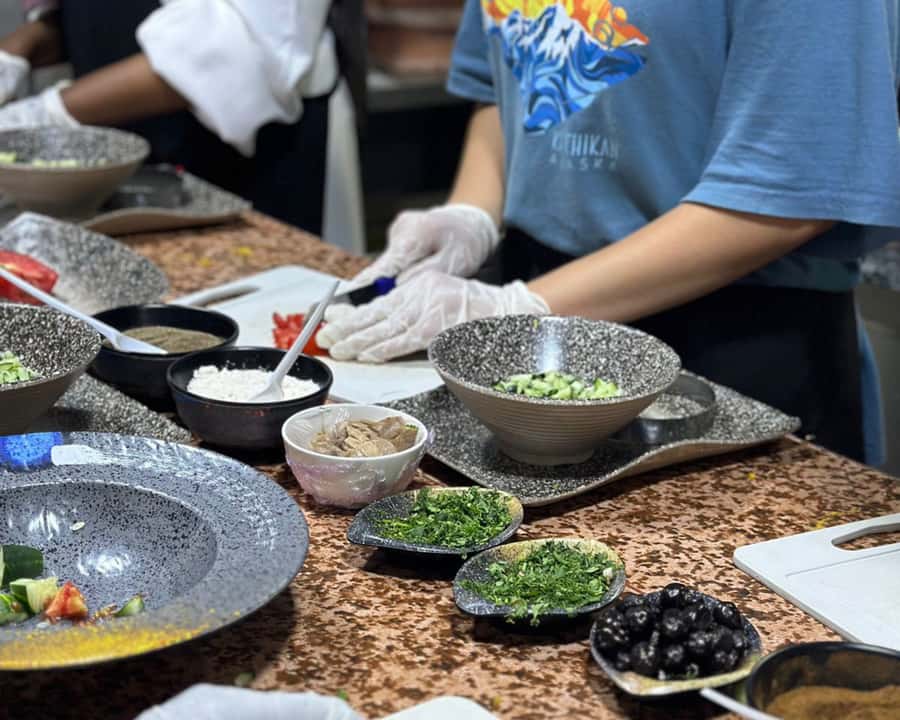
When you arrive, you’re welcomed with traditional mint tea and then guided through the menu choices. The class structure is usually straightforward: a starter selection, a Moroccan tajine as the main, and a dessert such as Orange de Cannelle (cinnamon orange).
What I like about this setup is that it reduces guesswork. If you’ve ever taken a cooking class where you’re left wondering why ingredients matter, this one tries to connect the steps to the flavor logic. You talk about what you’re going to cook before you cook it, so when the chef points at spices or explains a method, it clicks faster.
And the class is multilingual. You’ve got a live tour guide available in French, English, and Arabic. That matters because Moroccan cooking has lots of sensory detail—heat level, texture, aroma—and you’ll get more out of the lesson when your questions can land cleanly.
Cooking in a real Moroccan restaurant kitchen (with chefs who teach)
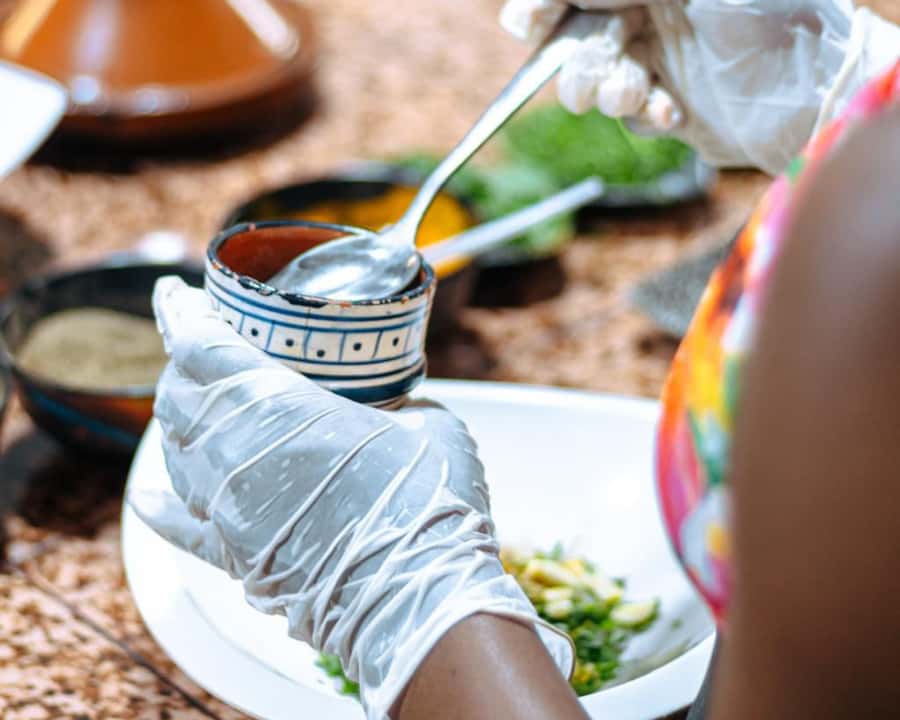
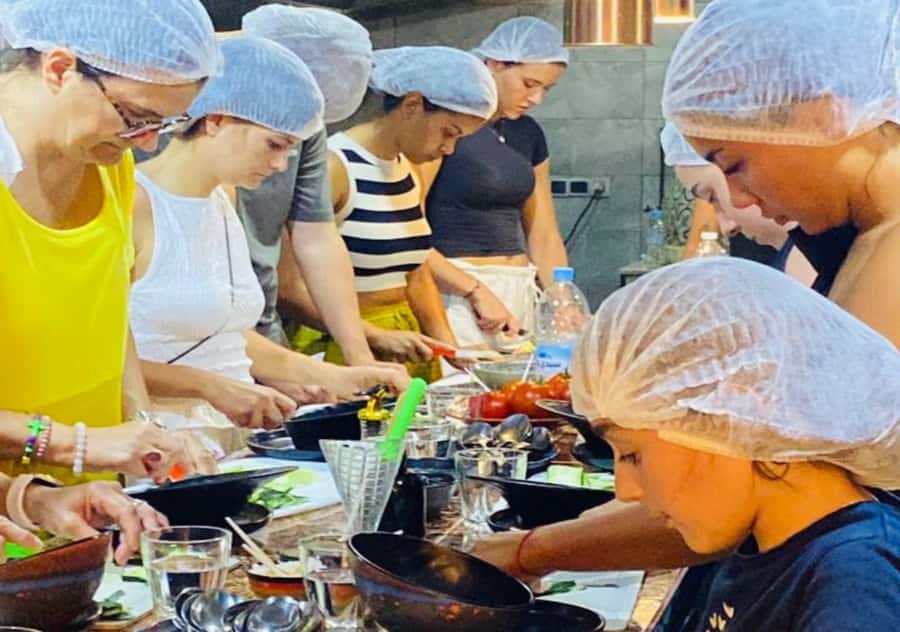
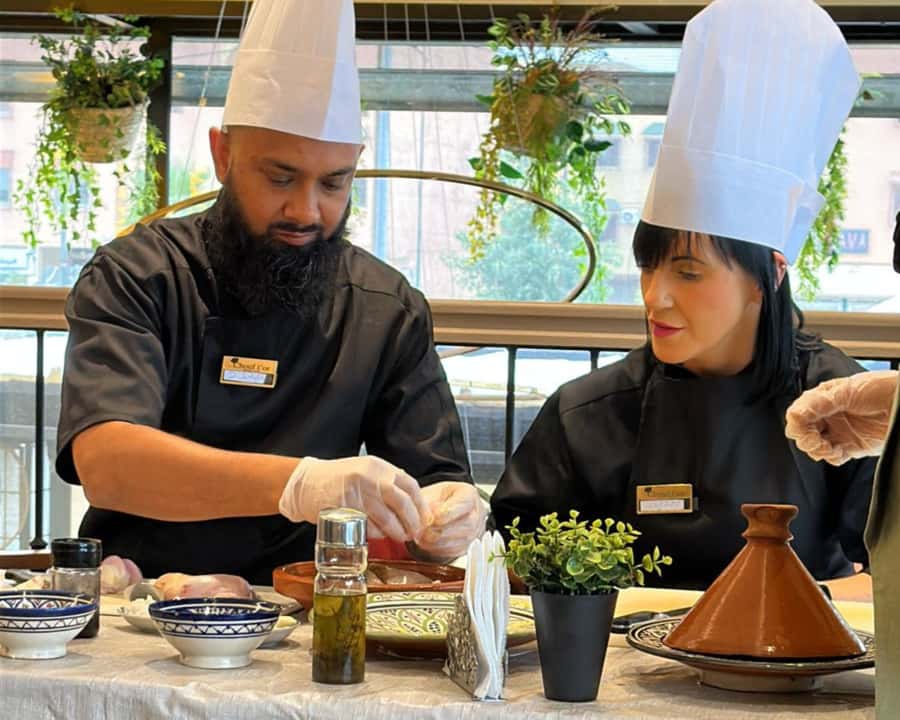
This is where the experience becomes practical. You’ll work with a professional chef who specializes in Moroccan food. In the info you’re given, the lead chef is described as having over two decades of experience, and the repeated chef names in participant feedback suggest it’s the same core team style: friendly, active teaching, and lots of patience.
You’ll likely start by prepping components together—things like chopping, seasoning, and portioning—then you move into assembling the dishes. Multiple people highlight how they learned to make chicken tajine (and how to think about changing the recipe for other meats like beef or lamb). Others also describe a vegetarian tagine, plus a salad starter and the dessert.
Two small lessons you can take home even if you never master Moroccan timing:
- Spices are a process, not a sprinkle. Expect guidance on how mixes develop flavor.
- Technique affects results. You’re not just following a list; you’re understanding why a method is used.
Also, the teaching tone sounds very human. People repeatedly mention humor and an engaging vibe. One write-up even notes an off-calendar moment (the first day of Ramadan), and the chef kept the day upbeat and respectful while still teaching. That’s a reminder: this class is built to handle real-world circumstances and keep you cooking.
What you actually make: tajine you build, salad you assemble, orange dessert
The class menu is built around the classic Moroccan structure: starter, main, dessert. What you make may vary slightly by group and what the kitchen is preparing that day, but the core set is consistent: a tajine as the star, plus a starter and an orange-cinnamon dessert option.
Starter (often a Moroccan salad)
You’ll make a starter that fits Moroccan table style—something fresh and spiced enough to wake up your palate. In participant feedback, this often shows up as a Moroccan salad. It’s a nice warm-up because it helps you understand balancing flavors early, before the richer tajine arrives.
One consideration: at least one person felt the starter and dessert were a bit simpler than the descriptions sounded. I wouldn’t worry too much, but it’s good to know if you’re the type who expects three full, heavy courses in a cooking marathon.






Main: Tajine, cooked with guidance
This is the part you’ll remember. You get hands-on with the dish people associate with Morocco. Multiple write-ups mention chicken tajine, including versions with lemon and spice. You also may learn details like how to manage preserved ingredients (at least one person specifically mentions preserved lemons), and how to adapt methods if you cook with beef or lamb later.
Practical angle: a tajine teaches patience. Even if your ingredients are quick to prep, the flavor improves with the way it’s cooked. You’ll get a feel for how “slow” isn’t a buzzword—it’s part of the dish’s design.
Dessert: Orange de Cannelle
You’re typically guided through a dessert built around orange and cinnamon (often described as Orange de Cannelle). It sounds simple, and it can be. But in Moroccan desserts, simple doesn’t mean boring. It usually lands as warm, fragrant sweetness that wraps the meal without overwhelming it.
Lunch at Chouf l’Or: eating like you did the work
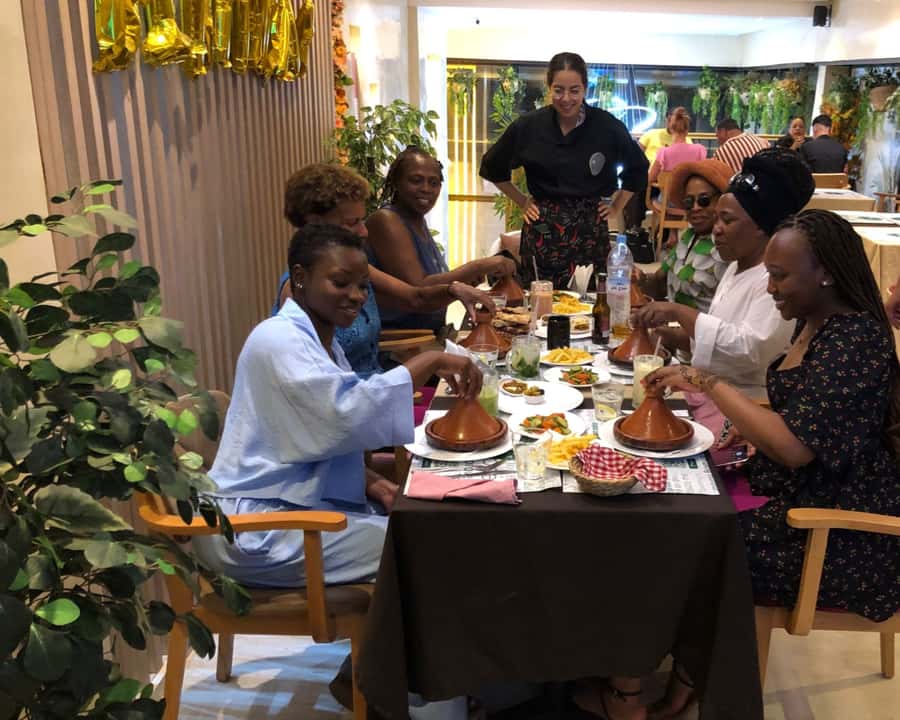
Once cooking finishes, you eat. Included is lunch featuring the dishes you’ve cooked, plus tea and water. That’s not just a nice ending—it’s the real payoff, because you get immediate feedback.
This is the kind of meal where you notice differences between what you expected and what actually happened. Maybe a spice mix tastes stronger than you thought. Maybe something sweet balances something savory. That’s how cooking lessons stick.
You also receive a certificate before you head back. It’s small, but it reinforces the feeling that you completed a real skill session, not just an activity you sampled.
Price and timing: good value for a 3-hour Moroccan day
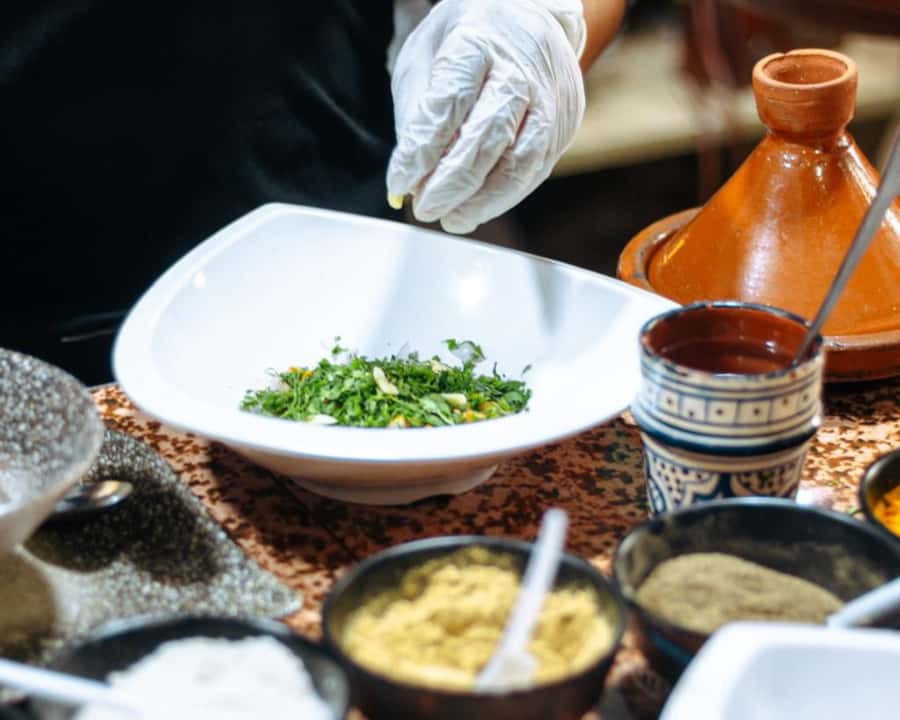
At $31 per person for about 3 hours, the value comes from what’s bundled:
- Hotel pickup and drop-off
- A professional chef teaching you
- Lunch featuring what you cooked
- Tea and water
- Certificate
Cooking classes can easily become expensive when you factor in transportation and a sit-down meal. Here, you’re paying for the whole package. Even if you don’t become a tajine expert by day three, you’ll still leave with a workable recipe framework and real confidence about how Moroccan seasoning functions.
Timing-wise, the big variable is Marrakech traffic and meeting-point logistics. Most people report smooth pickup and a well-run flow, but one note flags a longer pickup wait. My advice: plan the rest of your day so you’re not trying to catch a strict departure right after.
Group size seems to run small at times (one person mentions around 12), which matters for hands-on participation. If you’re cooking, bigger groups can mean more standing around. Smaller groups generally make it easier to ask questions and actually do steps.
Who should book this cooking class (and who might skip it)
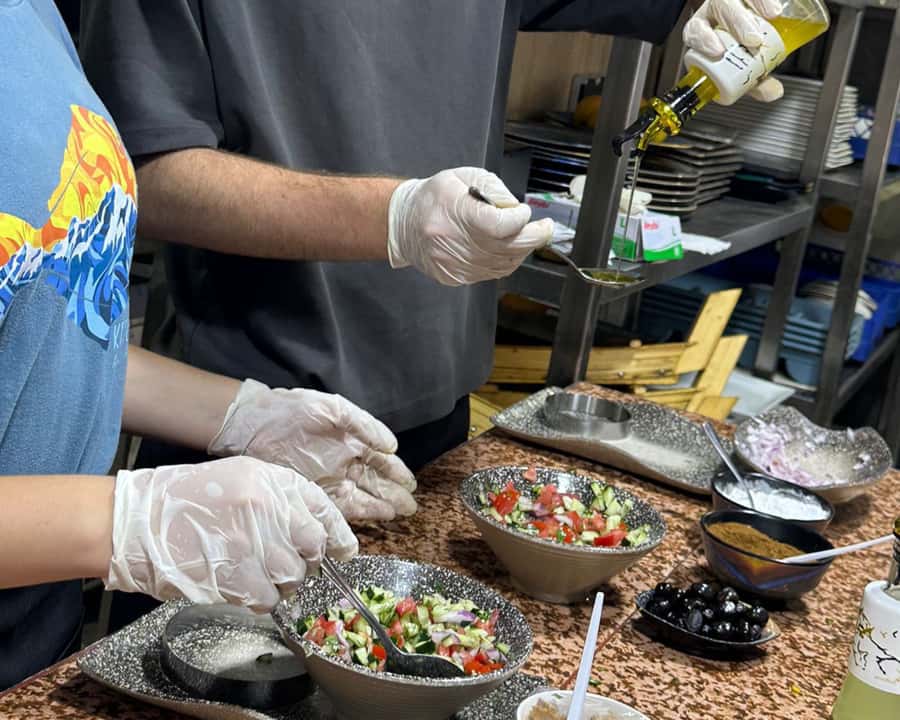
This class is a great fit if you:
- Want a hands-on Marrakech activity that includes lunch
- Like learning the flavor logic behind Moroccan cooking, not just collecting photos
- Enjoy cooking with others, because you’ll be with a group and you’ll talk as you cook
- Prefer an English-friendly format, since the tour guide offers English, French, and Arabic
You might consider a different option if you:
- Expect a long, heavy “three-course chef training” with lots of complexity
- Want a classroom-style lecture where you go deep on theory for hours
That possible simplicity doesn’t mean it’s not fun. It just means the pace can be gentle, and the dessert and starter may not feel like full-scale productions.
Should you book Marrakech Moroccan Cooking Class with Pickup?
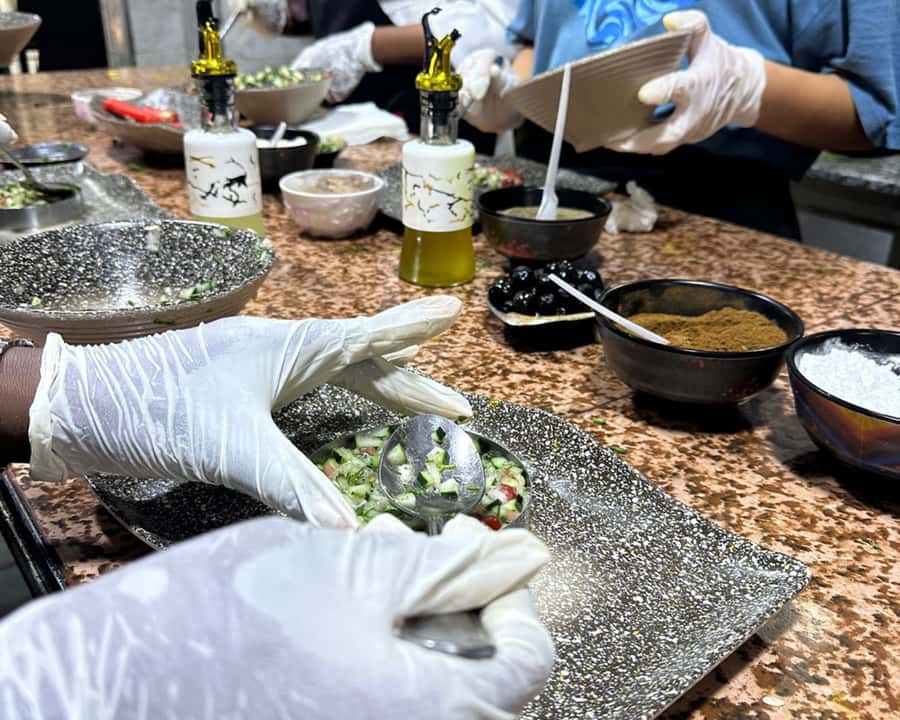
Yes, if you want a straightforward, high-value way to experience Moroccan food through real cooking. The combination of pickup, a professional chef, and lunch at Chouf l’Or makes it easy to say yes even on a limited schedule. I’d particularly recommend it for first-timers in Marrakech because it gives you a tastable skill: how to think like a tajine cook.
I’d hesitate only if you’re chasing a very advanced, intense cooking boot camp with elaborate multi-course output. If that’s you, look for a longer or more specialized class. For most people, this one hits the sweet spot: you cook, you eat, and you leave with something you can actually recreate.
FAQ
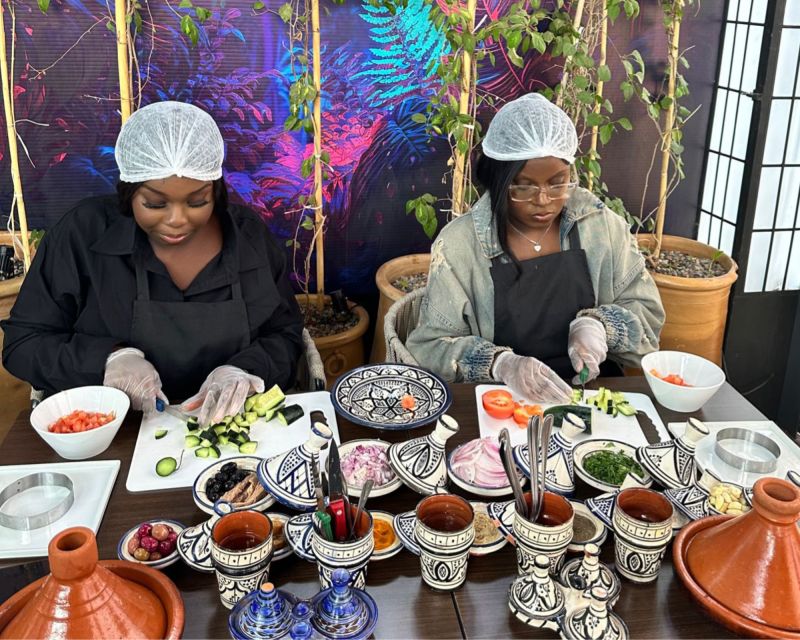
What’s included with the Marrakesh cooking class?
The class includes hotel pickup and drop-off, tea and water, lunch featuring the dishes you cook, a certificate, and a monitor.
How long is the cooking class?
It lasts 3 hours.
Where does the class take place and where do you eat?
You’re dropped off at the restaurant Chouf l’Or, where you cook and then have lunch.
What dishes do we make?
You’ll prepare a starter, a Moroccan tajine (often chicken), and a dessert such as Orange de Cannelle.
Does the activity offer multiple languages?
Yes. The live tour guide is available in French, English, and Arabic.
Is it wheelchair accessible, and are pets allowed?
Yes, it’s wheelchair accessible. Pets are not allowed.