REVIEW · MARRAKESH
Marrakech: Moroccan Cuisine Cooking Class in Local Home
Book on GetYourGuide →Operated by Reiseführer Abdo · Bookable on GetYourGuide
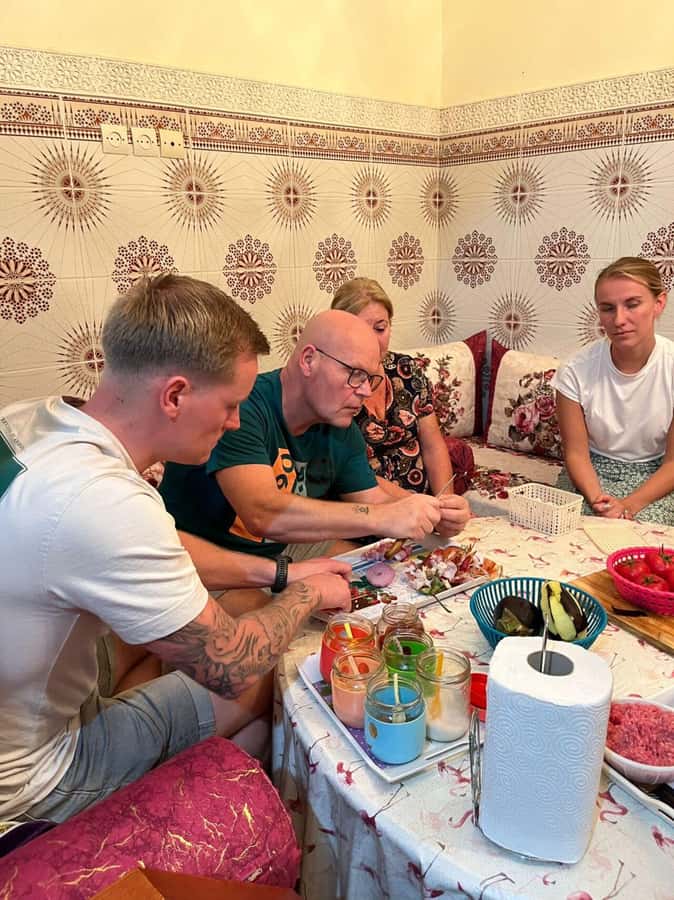
Cooking in a real Marrakech home beats restaurants. In the medina, you’ll get hands-on instruction and culture stories as you cook. In 3 hours, you’ll prepare a full meal, including bread and tagines, then sit down to enjoy it together.
One thing to plan for: this is in the medina, and finding the right riad entrance matters. There’s no transportation included, and you’ll want cash and comfortable shoes for the walk.
In This Review
- Key highlights at a glance
- Marrakech medina meets a home kitchen: finding the class
- What you cook in 3 hours: bread, tagines, salads, zaalouk, dessert
- Tagines made the Moroccan way: the step-by-step cooking flow
- The guide experience: bilingual teaching, jokes, and cultural storytelling
- Price and value: why $24 can feel like a bargain in Marrakech
- Practical tips so the class feels easy, not stressful
- Who this Marrakech cooking class is best for
- Should you book this cooking class?
- FAQ
- FAQ
- How long is the Marrakech Moroccan cuisine cooking class?
- What is the meeting point and how do I find the guide?
- What dishes will I cook?
- Is the class suitable for beginners?
- Can the menu be modified for dietary restrictions?
- What should I bring?
Key highlights at a glance
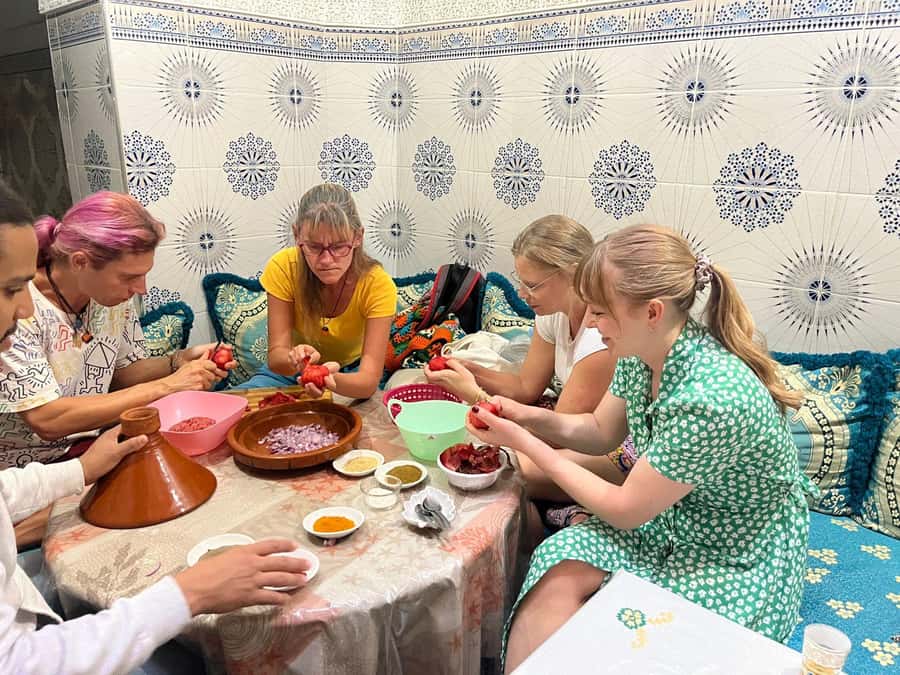
- Local home setting in the Marrakech medina (not a sterile cooking studio)
- Tagines plus bread, made step by step
- A meal you eat right after cooking, with plating guidance
- Bilingual guide and cultural storytelling, often with Moroccan tea traditions too
- Dietary changes are possible, so you’re not stuck with one menu
Marrakech medina meets a home kitchen: finding the class
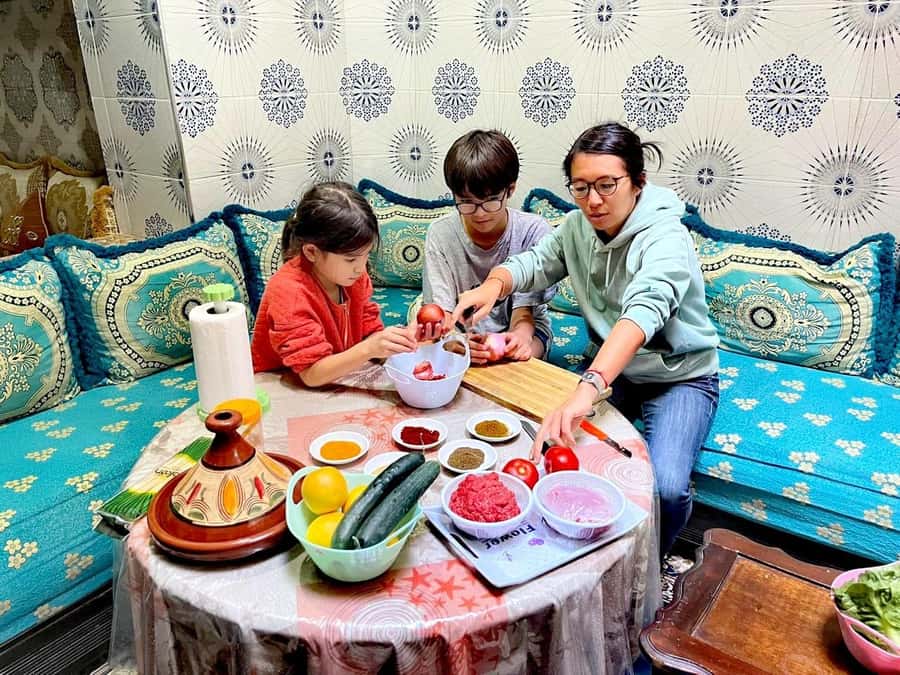
This experience starts with something many cooking classes skip: you actually go where people live. You’ll meet your guide in the medina area, and they’ll be waiting about 10 minutes before the start time. Your key cue is easy—look for the guide with a green hat, and also double-check your names so you’re with the right person.
The meeting point is directly in front of Riad les Etoiles Berberes. That detail matters. Arrive early enough to locate the entrance, but don’t go inside the riad—wait out front.
A practical note from real-world experience: navigation can be quirky in older medina lanes. One helpful tip I can pass on is to use Google Maps rather than Apple Maps for getting there. If you’re using your phone, keep it ready, because you’re walking through narrow streets where a wrong turn can add stress.
Also, be prepared for a short additional walk. Some guests mentioned that the class could involve walking between riads (they timed it around 15–25 minutes). That doesn’t mean the experience is hard—just plan to move comfortably. A good pair of shoes is not optional here.
You can also read our reviews of more tours and experiences in Marrakesh.



What you cook in 3 hours: bread, tagines, salads, zaalouk, dessert
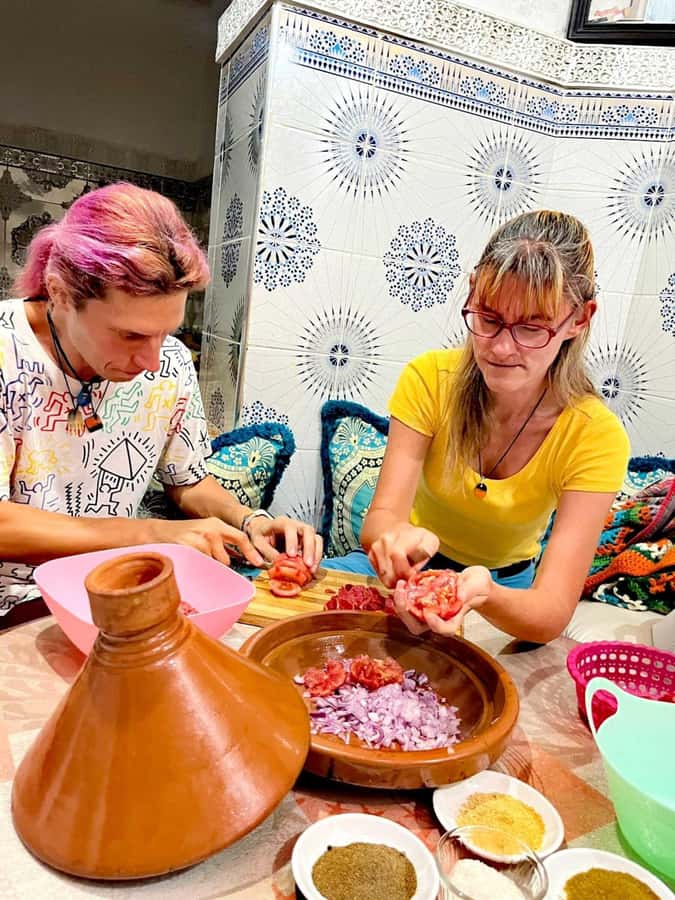
The menu is built around classic Moroccan flavors and the hands-on skills that make them click. You’ll cook a variety of dishes, and the pacing is designed so even first-time cooks can keep up.
Here’s what you can expect to make during the session:
- Fresh Moroccan bread (including the satisfaction of baking or preparing it fresh)
- Chicken tagine with olives and golden fries
- Meatball tagine topped with melted cheese
- Tomato and green pepper salad
- Zaalouk, the traditional Moroccan eggplant dish
- Special fruit salad for dessert
The biggest win is that you’re not just chopping and watching. You’re actively preparing ingredients and cooking the dishes under step-by-step guidance. That matters because Moroccan dishes rely on timing, seasoning, and layering flavors. When you learn the process yourself—rather than just tasting—you remember how it works.
And then you get the part that feels like the whole point: you eat what you cooked. With plating tips included, the meal isn’t treated like an afterthought. It’s presented as your finished work, not a buffet that happens to be nearby.
One more practical thing: the menu can change based on dietary restrictions. So if you’re eating vegetarian or need other adjustments, tell the provider ahead of time and the class can be modified.
Tagines made the Moroccan way: the step-by-step cooking flow
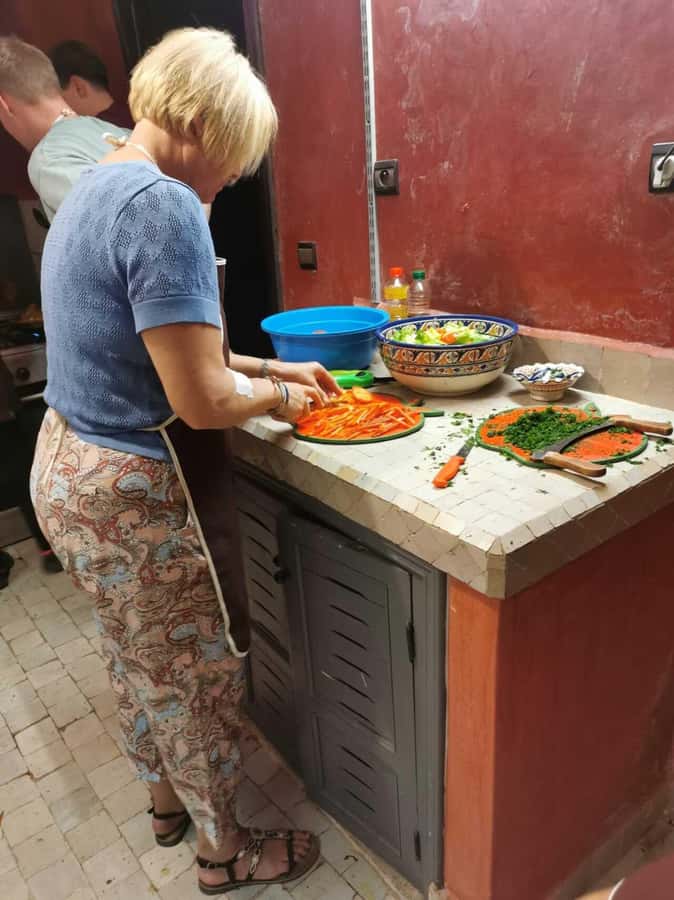
If tagines feel mysterious in photos, this class clears it up quickly. You’ll learn how the cooking process works in real time: how you prep, how you build the flavors, and what to watch as the dish comes together.
A lot of guests specifically praised the way the host teaches the tagine process. The instructions are clear, and the group gets involved in chopping and cooking. That means you get more confidence than you’d expect from a short class.
Even better, your guide doesn’t treat the kitchen like a lesson-only space. The cooking is tied to stories. You hear about Moroccan culture from a local perspective, and that storytelling makes the cooking steps feel like they belong to something bigger than dinner.
One small but important detail: you’ll get plating tips and you share the meal together. That helps you understand not only how to cook, but how Moroccan home meals are served.
The guide experience: bilingual teaching, jokes, and cultural storytelling
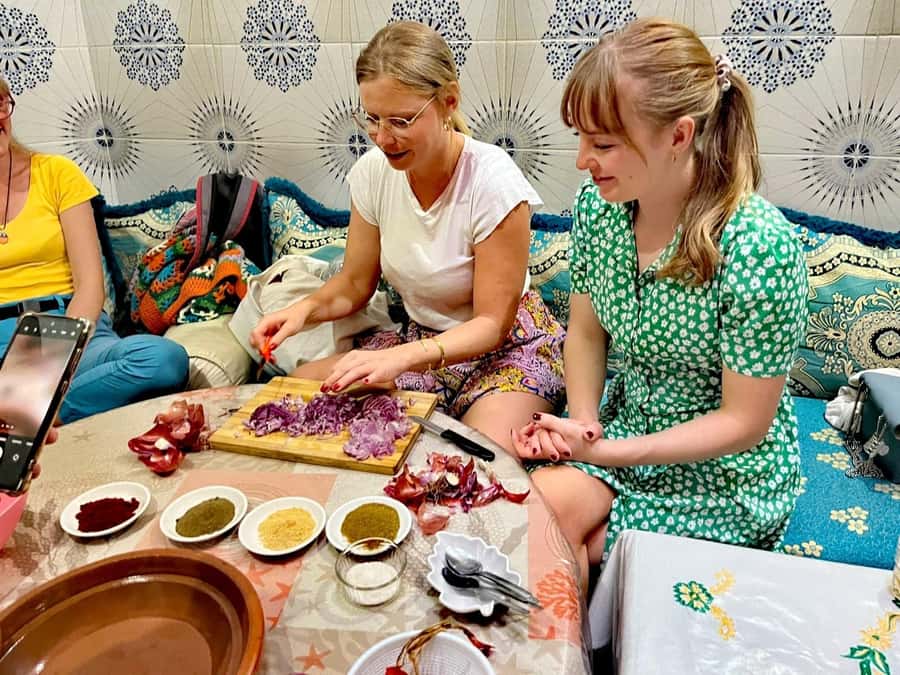
Your guide is the heart of this class. The experience is led by the provider listed as Reiseführer Abdo, and in practice, guests have mentioned guides like Abdul / Abdu / Abdoo depending on the spelling used. Whatever the name on the day, the pattern is consistent: warm welcome, patient instruction, and lots of conversation.
Language support is a real advantage here. The class runs with a bilingual guide, and options listed include English, Dutch, French, and Arabic. That mix can help if your group has different comfort levels with language.
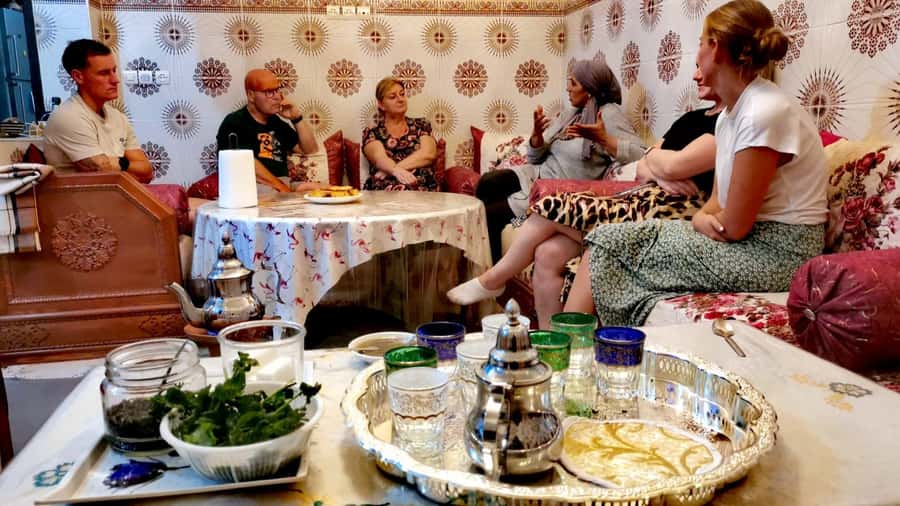
The cultural storytelling piece is not vague. Guests noted that the guide explains Moroccan culture around socializing and tea drinking. So while you’re cooking, you’re also learning what those meals mean socially—how tea fits into hospitality, and how families and friends connect over food.
The group vibe is also a big part of the value. Reviews mention laughter from start to finish and the feeling that everyone got involved. You’ll meet people from different backgrounds, and conversation flows around what you’re making and why the ingredients matter.
Price and value: why $24 can feel like a bargain in Marrakech
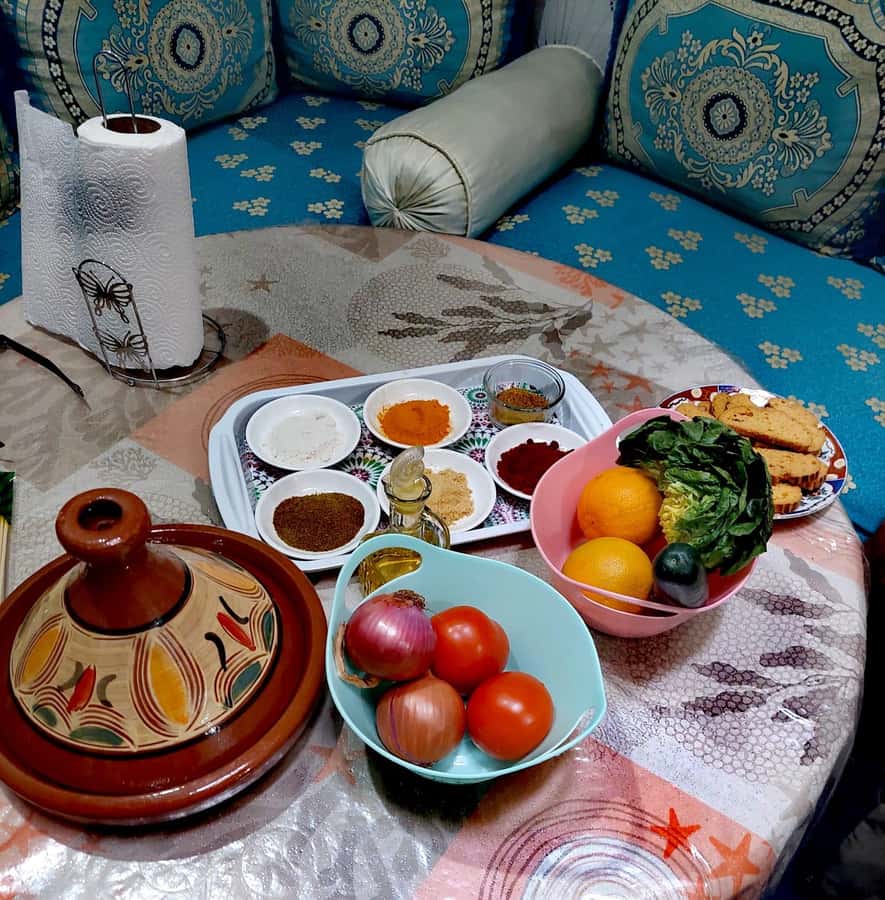
At $24 per person for a 3-hour hands-on class, the price makes sense because several costs are wrapped in.
You’re not paying just for instruction. The class includes:
- a bilingual guide
- step-by-step hands-on cooking
- fresh Moroccan ingredients
- a meal that includes lunch or dinner
- a special fruit salad
- cultural storytelling during the session
- plating tips
- take-home recipes
That’s a lot for one fixed price. The take-home recipes are especially helpful if you cook at home and want to recreate the dishes without guessing.
One trade-off is that transportation isn’t included. So your real cost is whatever it takes to get to the meeting point. If you’re already walking around the medina or staying close, that’s usually not a problem. If you’re far out, you’ll need to factor in time and effort.





Practical tips so the class feels easy, not stressful
Here are the concrete things I’d plan for before you go:
What to bring
- Comfortable shoes (medina lanes are not sneaker-friendly if you pick the wrong pair)
- Comfortable clothes (you’ll be standing and moving in a kitchen space)
- Cash
- Hair tie (if you have longer hair)
What’s not allowed
- Smoking
- Alcohol and drugs
- Making noise
That last point sounds strict, but it actually helps the experience stay calm. Kitchens are busy places, and rules like this keep the group from turning into chaos when someone is explaining the next step.
Timing reality
Your guide waits about 10 minutes before starting, but you’re meeting at a specific front entrance. Arrive early enough to get your bearings. And if you’re using your phone for navigation, choose Google Maps for easier routing.
Skill level
The class is suited for beginners, but it also works if you already cook. The point is you’ll get a structured process and recipes you can repeat later.
Who this Marrakech cooking class is best for
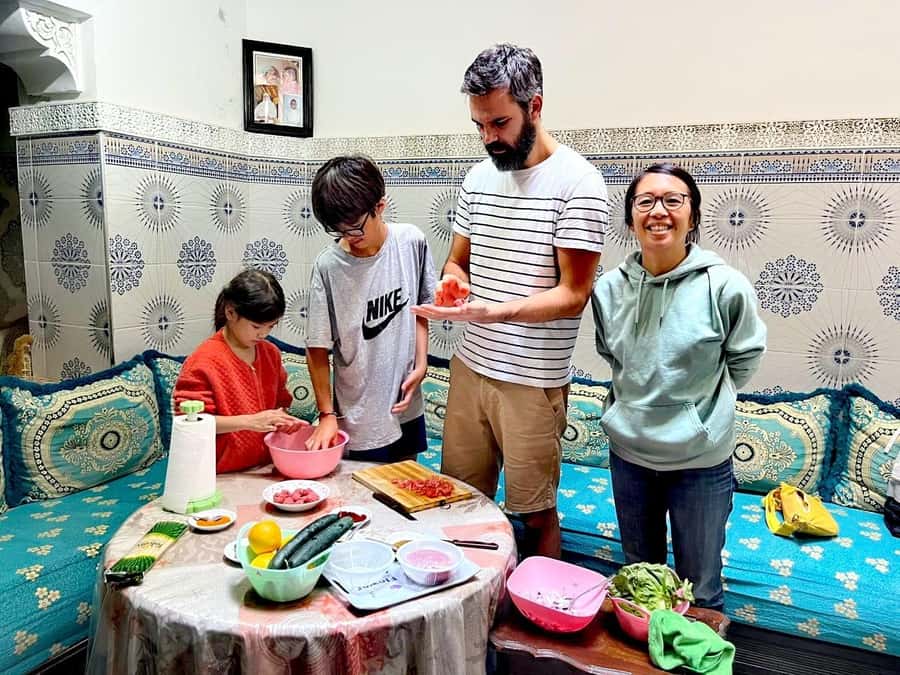
This is a strong fit if you want Moroccan food in a format that’s more personal than a restaurant meal.
It’s especially good for:
- You if you want an authentic home setting in the medina
- You if you prefer hands-on learning over watching from the sidelines
- You if you’re traveling on a day with limited sightseeing energy (rainy-day friendly, per guest experiences)
- You if you’re cooking-shy but want to try anyway, because the class breaks tasks into manageable steps
- You if you want a cultural angle, not just recipes
It may be less ideal if you strongly dislike walking in dense old neighborhoods. Since transportation isn’t included and you may walk between riads, comfort matters.
Should you book this cooking class?
I’d book it if your goal is to leave Marrakech with more than photos. You’ll come away with a meal you made with your hands, plus take-home recipes and a clearer sense of Moroccan food culture from the guide’s stories.
I’d think twice only if you’re relying on transportation being included or you don’t want to navigate the medina lanes. If you’re comfortable walking and you’re happy to bring a little extra patience to finding the meeting spot, this one is good value.
FAQ
FAQ
How long is the Marrakech Moroccan cuisine cooking class?
The class lasts 3 hours.
What is the meeting point and how do I find the guide?
Meet the guide in front of Riad les Etoiles Berberes in the medina area. The guide waits about 10 minutes before the starting time and will be wearing a green hat.
What dishes will I cook?
You’ll cook items such as Moroccan bread, chicken tagine with olives and golden fries, meatball tagine with melted cheese, tomato and green pepper salad, zaalouk, and fruit salad for dessert. The exact menu can be adjusted.
Is the class suitable for beginners?
Yes. The class is suitable for beginners, and it also works if you have prior cooking experience.
Can the menu be modified for dietary restrictions?
Yes. The menu is changeable and can be modified according to dietary restrictions.
What should I bring?
Bring comfortable shoes, comfortable clothes, cash, and a hair tie if needed. Also note smoking, alcohol, drugs, and making noise are not allowed.