REVIEW · MARRAKESH
Marrakech to Fes: Quad, Dinner, Camel, 3-Day Desert Tour
Book on GetYourGuide →Operated by Marrakech City Life SARL · Bookable on GetYourGuide
Camels and dunes turn Morocco into a movie. This 3-day Marrakech to Fes route strings together the High Atlas pass, the UNESCO stop at Kasbah Ait Ben Haddou, and a real night out in the Erg Chebbi dunes. I especially like the big-desert moments: camel rides at sunset and sunrise. I also love how the trip builds culture into the drive, not just scenic photos. The main catch is simple: you’ll be in the van a lot, so it’s not ideal if you get motion sickness or have back issues.
What makes this one work is the mix of pace. You get classic set-piece sights like Todra Gorge, then you slow down for Berber drumming, dinner in a desert camp, and that quiet hour when the dunes glow pink. A bonus: your driver-guide is part of the story, and names that keep popping up include Omar, Fouad, Hassan, and Imad, with lots of praise for clear explanations and staying on schedule.
One more reality check: the desert nights can swing from comfy to chilly, depending on the season and which camp option you pick. Bring warm layers even if daytime feels warm, and don’t forget that lunch isn’t included, so plan a little extra cash.
In This Review
- Key highlights you should care about
- The route: why this Marrakech to Fes trip feels worth the long drive
- Day 1: Marrakech pickup, Tizi n’Tichka, and Kasbah Ait Ben Haddou
- Day 2: Todra Gorge and the Erg Chebbi sunset camel ride
- Quad bikes and sandboarding: the fun part, and what costs extra
- Day 3: Sunrise camel ride, Ziz Canyon, Azrou monkey forest, and arrival in Fes
- Camps, heat, and sleep: what you should pack for Erg Chebbi nights
- How the guide keeps this trip from feeling chaotic
- Price and value: what’s included, what’s extra, and how to plan
- Should you book this Marrakech to Fes quad, dinner, camel 3-day desert tour?
- FAQ
- What cities does this tour start and finish in?
- Is lunch included on this Marrakech to Fes desert tour?
- Are camel rides included, and when do they happen?
- Is sandboarding included in the desert day?
- Can I rent a quad or ATV during the tour?
- Where do I sleep during the 3 days?
- What should I bring for the desert climate?
Key highlights you should care about
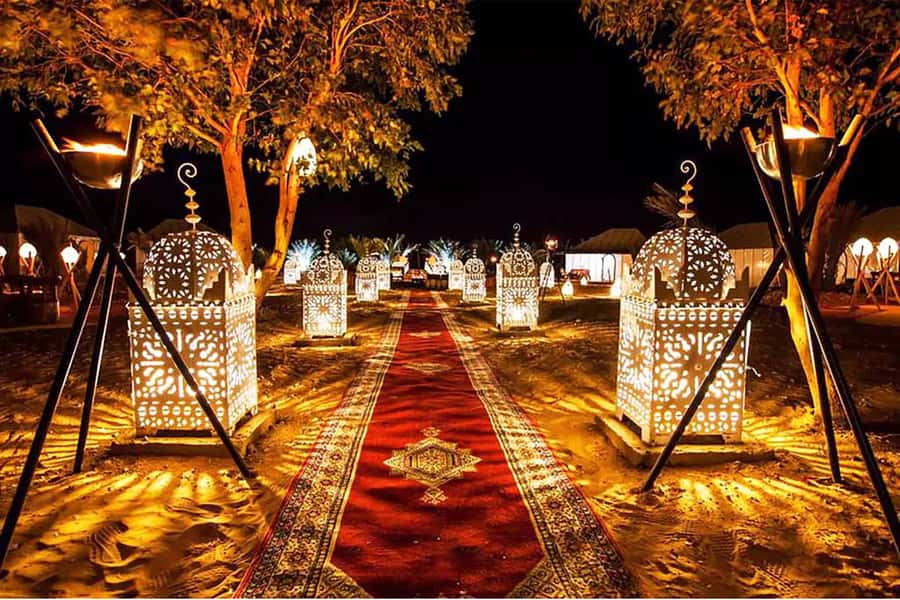
- Erg Chebbi camel rides at sunset and sunrise with time for dune views and photos
- UNESCO Kasbah Ait Ben Haddou with a guided visit plus free time for wandering and shopping
- Todra Gorges walk under massive cliffs, with guided time built in
- Sandboarding included in the dunes, plus optional quad/ATV rental with locals
- Desert camp dinner and music (Berber drumming) and a night under the stars
The route: why this Marrakech to Fes trip feels worth the long drive
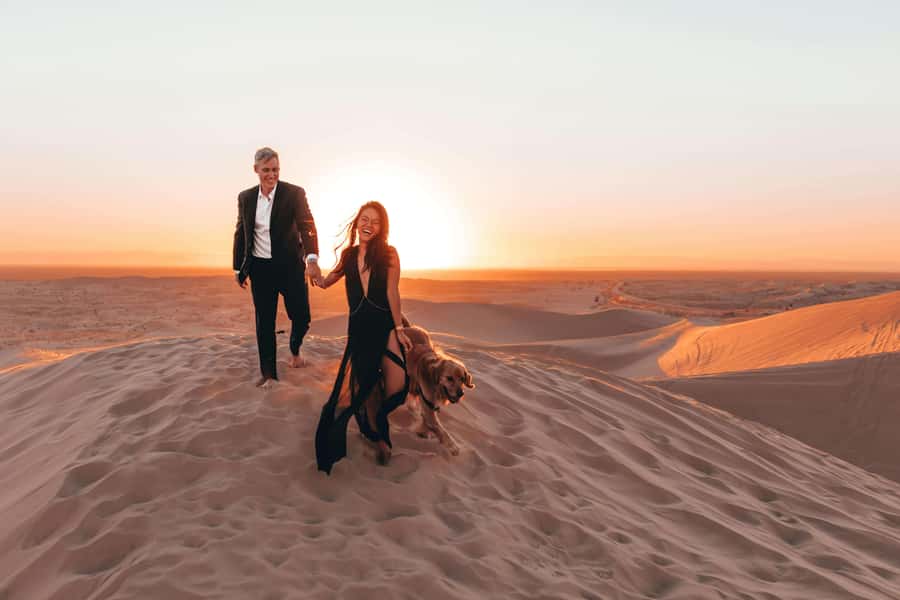
If you’re visiting Morocco without a car, this is one of the more efficient ways to see the country’s real geography between Marrakech and Fes. In three days, you go from city pickup to mountain passes to oases to the Sahara edge at Erg Chebbi, then back up through the Middle Atlas area.
The value here is not just distance. It’s the variety. Day one keeps you in the mountains and kasbah culture. Day two turns the focus onto natural drama at Todra Gorge and then the desert. Day three adds a different Morocco vibe again, with Ziz Canyon views and the cedar-forest area near Azrou where you may spot monkeys.
It’s also why the guides matter. On this kind of road trip, a good driver-guide isn’t only about traffic. People on this tour consistently mention guides who keep everyone comfortable with timed stops and clear info at each stop, including names like Youssef, Bahadi, and Medhi.
You can also read our reviews of more tours and experiences in Marrakesh.
Day 1: Marrakech pickup, Tizi n’Tichka, and Kasbah Ait Ben Haddou
You start with hotel or riad pickup in Marrakech, then it’s straight into the road energy. The early part includes a short pass by Jemaa el Fna, which is a quick hit of Marrakech life before the countryside starts pulling you away.
As you climb, the big moment is Tizi n’Tichka. You get a break time for photos and coffee, plus some sightseeing. This pass is where you really start feeling the High Atlas scale, and it’s one of those stops that’s worth using actively. Don’t just snap pics—take a few minutes to look around and orient yourself, because later on you’ll recognize the same mountain patterns from other viewpoints.
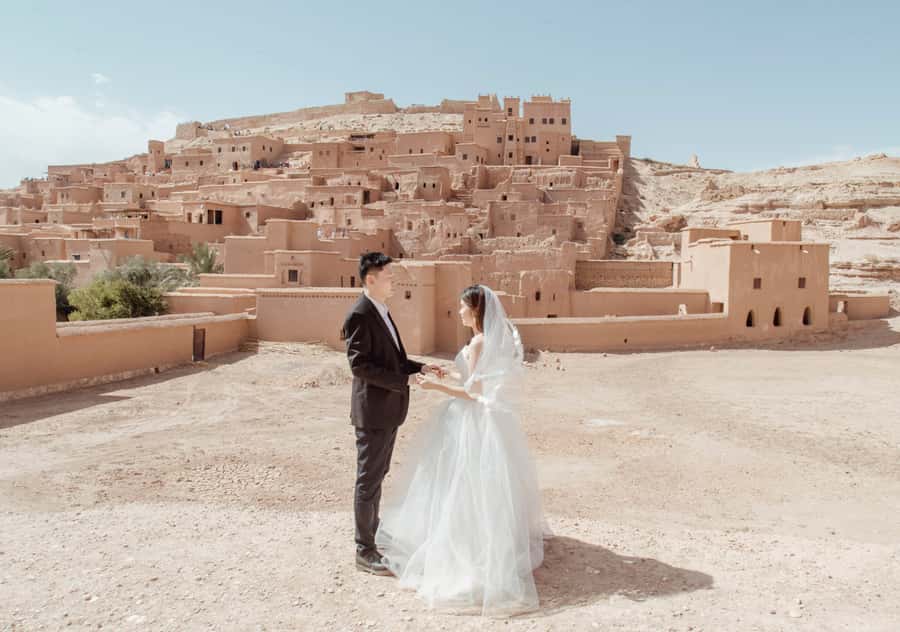
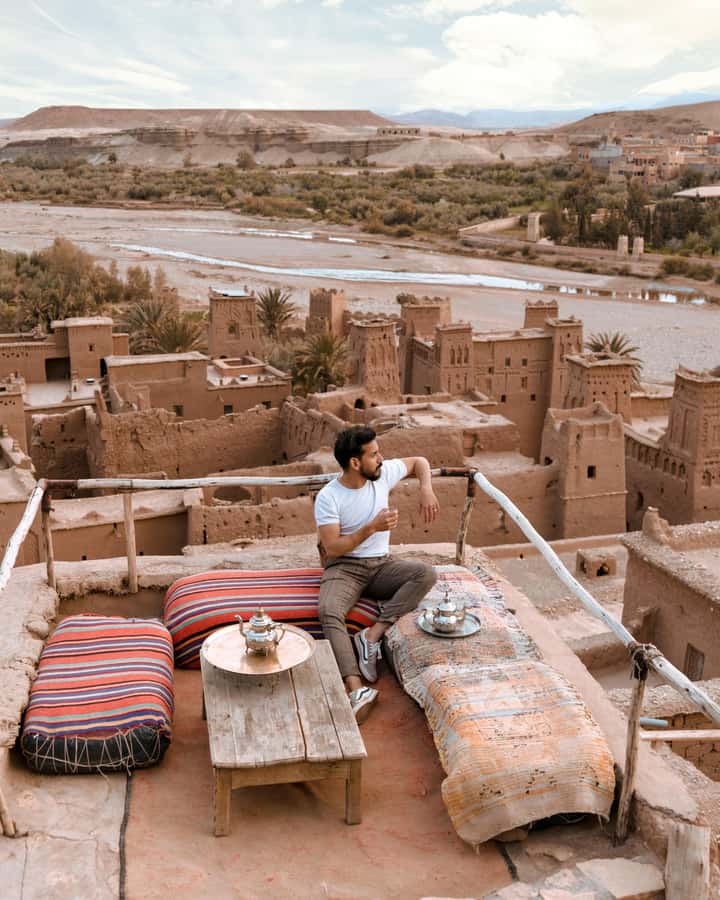
Then comes Kasbah Aït Ben Haddou (Ksar Aït Benhaddou). You’ll have a guided tour and also free time for walking around and shopping. It’s also a place where a local perspective can help, and the tour notes that a separate local guide inside the kasbah isn’t included—so if you want a deeper, hyper-local explanation, you may need to pay extra locally.
Practical note: expect time to move at kasbah pace. It’s not a museum run. You’ll want comfortable shoes and a plan to take breaks in the shaded spots.
By evening, you’re heading toward the area around Tinghir for dinner and an overnight stay, in an air-conditioned room with private bathroom included for that first night. Many people like this setup because it’s a softer landing before the desert.
Day 2: Todra Gorge and the Erg Chebbi sunset camel ride
Day two is where the scenery starts feeling cinematic in a good way. You begin with breakfast in the Tinghir area, with the itinerary allowing for downtime such as a swim stop. That’s not a guaranteed spa experience, but it’s a nice way to break up the drive before the gorges.
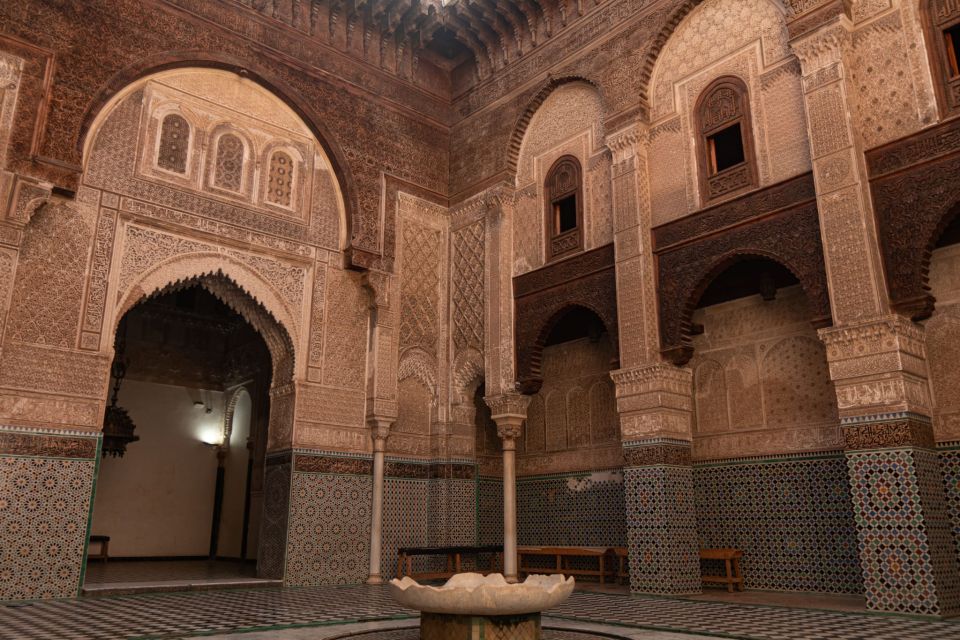
Then you reach Todgha (Tod) Gorge. This is one of the Morocco stops that’s hard to fake with photos, because the scale is the point. You’ll do photo stops, then a guided visit with time to walk around. You’re under those tall limestone walls, and it gives the walk a “how is this real” feeling even if you’ve traveled before.
After that, the route bends toward Merzouga and the dunes. You typically get a break time in Merzouga for tea before continuing toward Erg Chebbi.
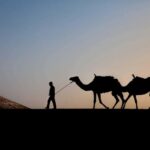
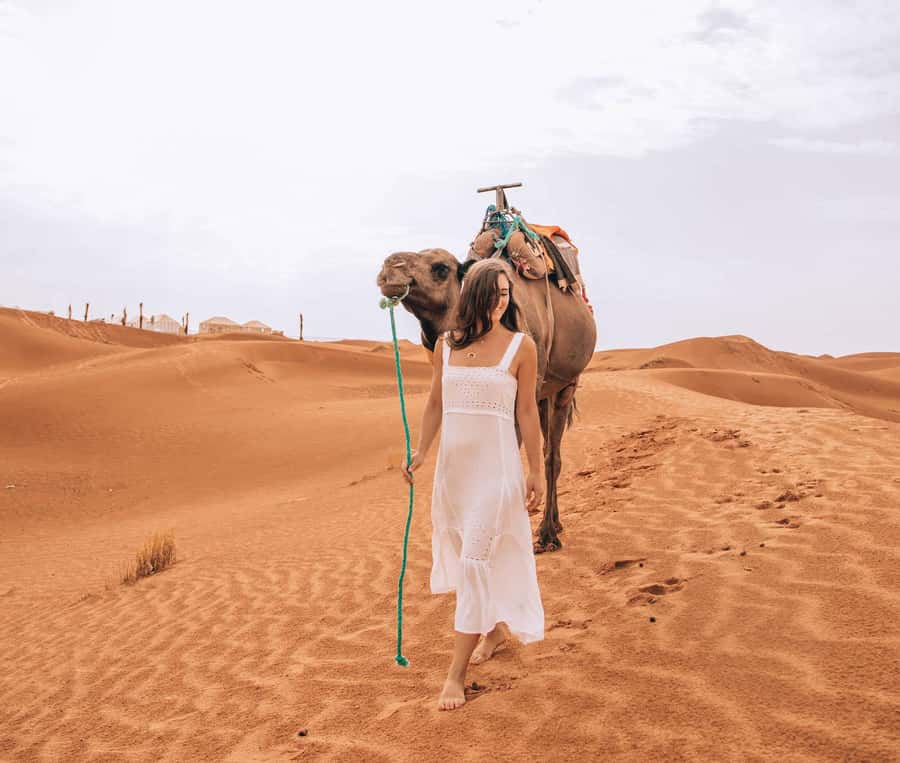
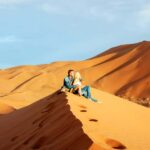
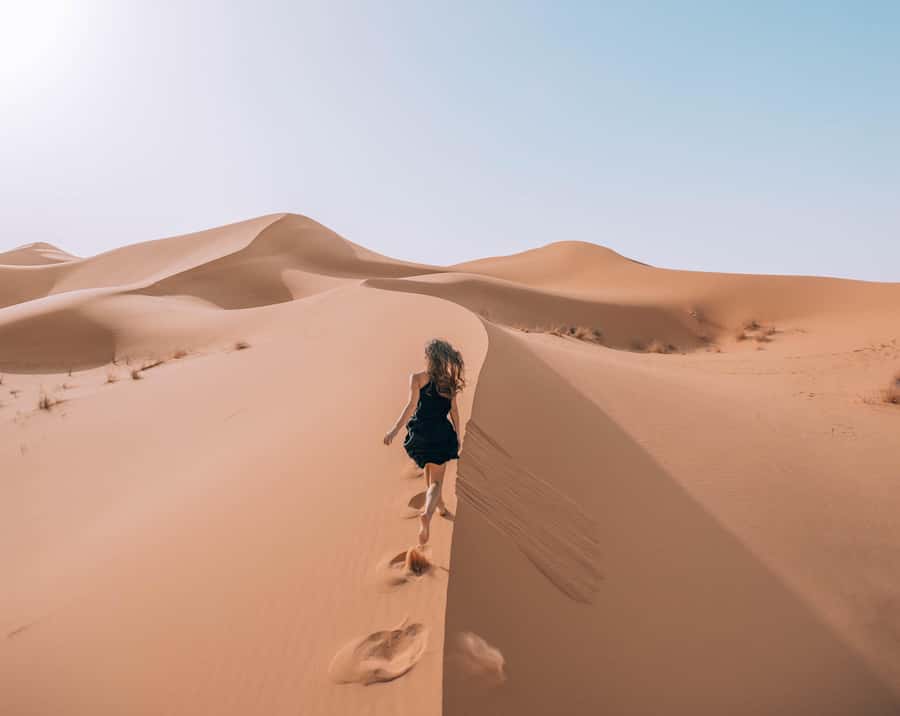
And then: camel time. Your camel rides are set for sunset, and this is where the tour earns its nickname desert-trip. You’ll cross the golden dunes, stop for views, and get that dramatic dusk light for photos. Many riders say the camel ride feels longer than they expected (one person clocked around 40 minutes), which is good news because it means you’re not stuck with a quick photo-and-go.
Once you arrive, you shift from movement to atmosphere:
- sandboarding (included)
- dune bashing (included)
- camp activities
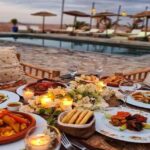
- dinner and Berber music with drumming
- night under the stars
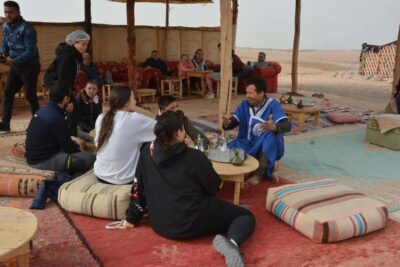
Some camps are quieter and some are busier depending on the option you choose and how vans get organized. One practical heads-up from real-world experience: you may share the camp setting with other groups because multiple vehicles often head to the same general camp area at similar times. Still, the sunset and night-sky moments can feel personal.
Quad bikes and sandboarding: the fun part, and what costs extra
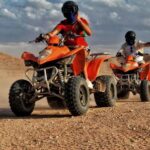
This is the section to read twice if you care about adrenaline.
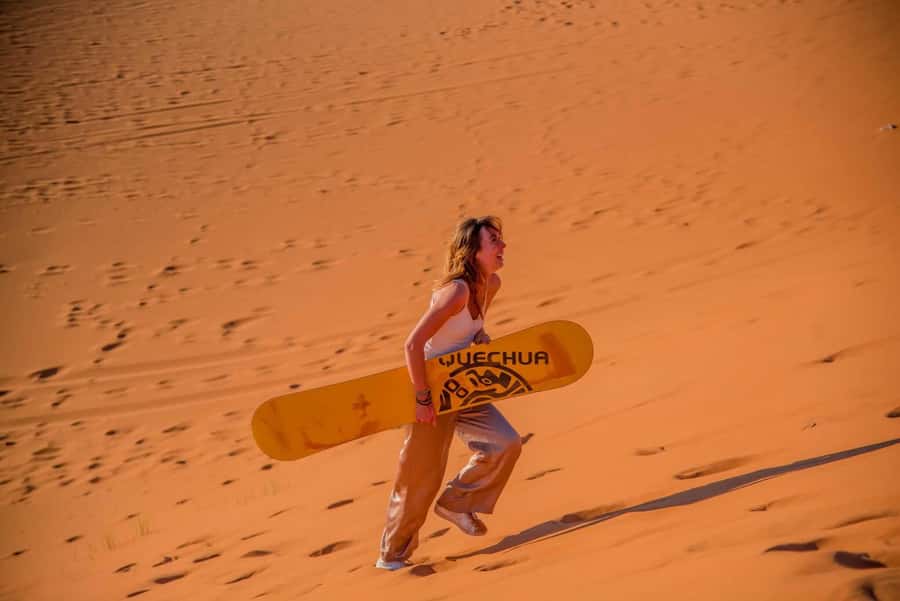
Sandboarding is included, so you can plan your one big dune activity without extra payment. You’ll also have dune bashing included as part of the desert day.
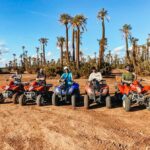
Quad biking/ATV is different. The tour info says quads and buggies are available to rent with locals, and it’s not included. In reviews, people describe quad riding as a highlight and often recommend doing it if you can. One rider mentioned a quad option costing around $40 extra, and others said it’s especially worth it on the last day to cover more ground quickly.
So what should you do?
- If you want the most action, budget for quad/ATV rental separately.
- If you’re sensitive to speed, stick with sandboarding plus camel time.
- Bring sunscreen seriously. Dunes reflect light hard, and even short sessions can leave you cooked.
Day 3: Sunrise camel ride, Ziz Canyon, Azrou monkey forest, and arrival in Fes
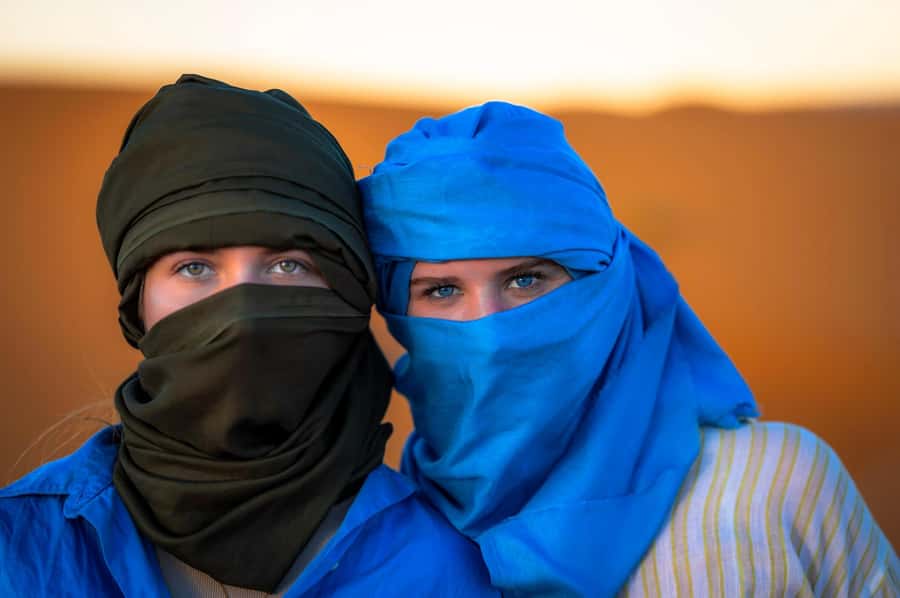
Your final day starts early enough for sunrise. You’ll have breakfast, then go back out for the sunrise camel ride. This is a completely different feel than the sunset ride. The dunes soften at dawn, and the air tends to feel sharper—another reason warm layers matter.
After the desert, you point north. The itinerary includes a stop in Ziz canyon national park for photo time, plus breaks like Errachidia and Midelt. Midelt typically includes lunch on the road, and since lunch isn’t included in the package, this is one of the moments where you’ll pay.
Then you reach the Monkey Forest near Azrou. The tour stops here for a break and wildlife viewing, with photo time built in. Even if you’re not there for monkeys, this cedar-forest stop is a nice break from sand and stone.
Finally, you arrive in Fes in the evening. The tour includes drop-off in Fes, so you don’t have to worry about the last logistical step. It’s a relief because you’ll already be tired from the driving rhythm.
Camps, heat, and sleep: what you should pack for Erg Chebbi nights
Desert comfort is less about luxury and more about preparation.
The tour includes one night at a preferred desert camp in Erg Chebbi, and it also includes one night earlier in an air-conditioned room with private bathroom. That first night is usually the easier sleep.
For the desert night, the key variable is the season and whether you booked the upgraded camp option. Several reviews mention that standard tents can be cold and that heating often isn’t available. Others say it can also be warm during some seasons. The point: don’t guess—pack for both.
Bring:
- warm clothing and layers for evenings
- a sun hat and sunglasses for daytime glare
- comfortable shoes for walking
- sunscreen and a power bank
- cash for small needs at stops
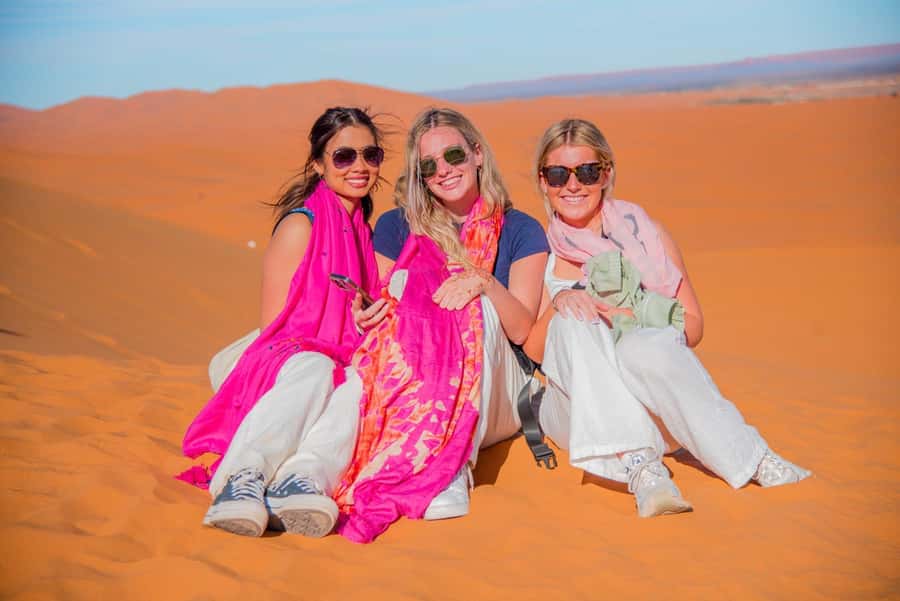
A smart trick: wear layers on the evening out, then keep the warmest items easily accessible before you settle in. Scarves help, and one rider said a guide even tied scarves for them in the desert.
If you’re hoping for outlets or Wi-Fi in camp, some reviews report outlets and even Wi-Fi in the vehicle, but don’t count on it everywhere. The van has Wi-Fi included, which is more reliable.
How the guide keeps this trip from feeling chaotic
On paper, this kind of itinerary looks like a lot: mountains, kasbahs, gorges, dunes, then more driving. In real life, it depends heavily on the driver-guide team.
The most praised guides on this route—names that come up again and again—include Omar, Fouad, Hassan, Imad, Youssef, Bahadi, and Medhi. What people like about them isn’t only friendliness. It’s practical things: clear timing, regular check-ins, safe driving, and explanations at each stop so the long hours feel purposeful.
There’s also the comfort factor. A common theme is that guides and drivers make stop timing work for the group, including bathroom breaks and helping people organize small expenses like water and optional local guides. One review even mentioned the driver telling them where tipping and extra guide payments might apply, which is a big deal because it prevents awkward confusion later.
If you want the trip to feel smooth, do your part too:
- ask questions when you stop at kasbahs and gorges
- keep your day pack accessible for sun and water
- be ready for long stretches without much to do besides scenery and rest
Price and value: what’s included, what’s extra, and how to plan
Even without seeing a specific price tag, you can judge value on this tour by its inclusions and the big log-jams it removes.
Included that saves you stress:
- air-conditioned transport with Wi-Fi
- driver-guide support through the route
- luggage service
- camel rides at sunrise and sunset
- sandboarding
- dune bashing
- desert camp dinner plus Berber drumming and night under the stars
- two breakfasts and dinners overall
- hotel/riad pickup and drop-off, plus a private-bath night in an air-conditioned room for night one
Not included (plan for it):
- Lunch each day it falls between stops
- local guide services at Kasbah Ait Ben Haddou as a separate extra
- quad/ATV/buggy rental, available with locals
This is why people call it good value for the money: you’re paying to avoid the hard part, which is coordinating long-distance transport, desert timing, and camp logistics. The extras (lunch and quad if you want it) are predictable and controllable.
If you’re choosing between camp options, lean into what matters most to you: privacy and comfort can be worth the upgrade, especially if you hate cold mornings or shared facilities. Some reviews also note that luxury options can include things like private shower and toilet, which changes the experience when you’re tired.
Should you book this Marrakech to Fes quad, dinner, camel 3-day desert tour?
Book it if you:
- want Sahara dunes without renting a car
- like a packed route that still includes real walks at places like Todga Gorge
- care about sunrise and sunset desert moments
- enjoy optional adrenaline like quad biking (then budget for the quad rental separately)
Skip or choose a different format if you:
- get motion sickness or have back problems (the van days are long)
- only want city time in Fes and plan to arrive fully rested for riad hopping
- hate cold nights and don’t want to pack for them (you can still bring layers, but desert weather is desert weather)
My bottom line: this tour works when you lean into the rhythm. Expect the drive, use the breaks, and commit to the desert timing. If you do that, the camel rides and the Berber camp evening are the kind of moments you remember long after you’ve stopped counting miles.
FAQ
What cities does this tour start and finish in?
It starts with pickup in Marrakech and finishes with drop-off in Fes.
Is lunch included on this Marrakech to Fes desert tour?
No. Lunch is not included.
Are camel rides included, and when do they happen?
Yes. Camel rides are included at both sunrise and sunset.
Is sandboarding included in the desert day?
Yes. Sandboarding is included.
Can I rent a quad or ATV during the tour?
Quad and buggy rentals are available with locals, but they are not included in the tour price.
Where do I sleep during the 3 days?
You get 1 night in an air-conditioned room with a private bathroom, and 1 night at a desert camp in Erg Chebbi.
What should I bring for the desert climate?
Bring comfortable shoes, warm clothing (especially layers for cooler evenings), sunglasses, a sun hat, sunscreen, cash, and a power bank.