REVIEW · FES
From Fes: 2-Day Desert Tour with Return to Fes or Marrakech
Book on GetYourGuide →Operated by 3t Travel · Bookable on GetYourGuide
Two days, then the desert takes over. This trip strings together Azrou cedar-forest vibes with the big payoff: a sunrise over Erg Chebbi dunes. I love how the drive feels like part of the experience, not just a transfer, and how the camel ride and camp night make the whole thing feel special. The main drawback to plan around is real travel time and desert weather—your days are long, and nights can get cold.
Here’s the practical truth: you’re trading comfort time for desert magic. You’ll ride in a 4WD or minibus with air-conditioning, enjoy breakfast and dinner, take a camel trek, and sleep in a Berber-style tent. Expect limited cell service and limited Wi‑Fi in the desert zone.
In This Review
- Key things I think you’ll care about
- From Fes to Erg Chebbi: why this 2-day version works
- Leaving Fes: Ifrane and the Middle Atlas before the desert mood hits
- Practical note
- Azrou cedar forest: Barbary macaques and the mountain air break
- Midelt lunch and the Ziz Valley: date palms, villages, and a slower view
- Merzouga arrival: kasbah time and your camel ride into sunset
- If weather changes the plan
- Berber camp night: dinner, stars, and how cold it really gets
- The cold is real
- Sunrise walk on the dunes, then the long return to Fes or Marrakech
- Driver quality and the “organized chaos” you should expect
- What’s included, what costs extra, and what to watch for
- Value check: is it worth the ticket?
- How to stay comfortable on the road and in the tent
- Who should book this tour, and who should skip it
- Should you book this 2-day desert tour from Fes?
- FAQ
- What is included in the 2-day tour from Fes to the desert?
- Are lunches included?
- Is water or other drinks included?
- How long is the drive from Merzouga to Fes?
- How long is the drive to Marrakech?
- When do you see sunrise in the desert?
- Is Wi-Fi or cell service reliable?
- Is quad biking included?
- Is this tour wheelchair accessible?
Key things I think you’ll care about
- Erg Chebbi timing: sunrise viewing built into the schedule, not an afterthought
- Azrou cedar forest stop: Barbary macaques during the Middle Atlas drive
- Camp night included: dinner, music around the campfire, then real sleep (but pack for cold)
- Camel ride is short but memorable: roughly 20 minutes each direction, focused on sunset
- Long road days: about 7 hours Merzouga to Fes, and closer to 10 hours Merzouga to Marrakech
- Extras cost extra: luxury camp upgrade, quad biking, and drinks/water
From Fes to Erg Chebbi: why this 2-day version works
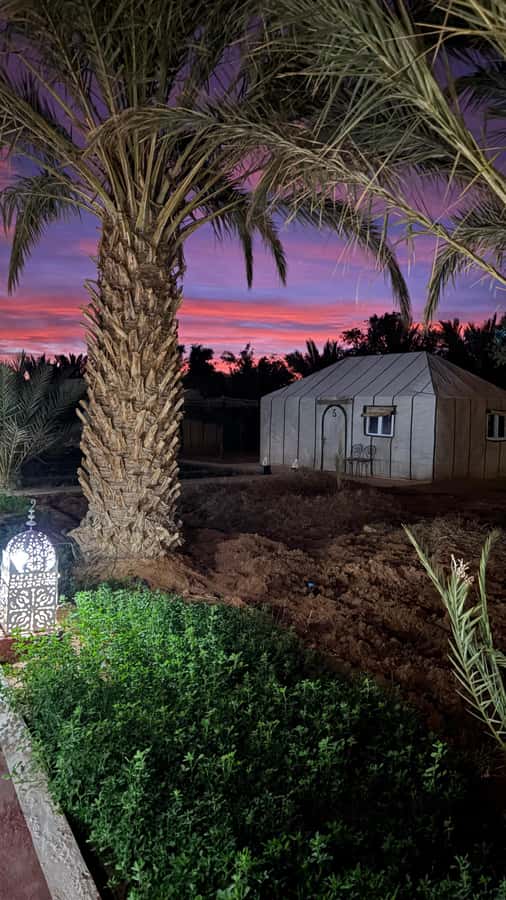
If you only have a couple of days in Morocco, this is one of the most efficient ways to get to the heart of the Sahara. You don’t spend days inching along—Day 1 is all about crossing the country on a 4WD/minibus, then ending at the dunes for sunset. Day 2 starts early enough to catch sunrise, then you’re back on the road.
What makes it work is the way the experience is paced. You get a steady rhythm of stops—towns, forests, valleys—so the long drive doesn’t feel like one endless stretch. And then the desert moments hit fast: camel ride at golden hour, dinner at the camp, then a morning walk before everyone else has even woken up.
The value angle is simple: your ticket covers transport, one night in a desert camp, meals (breakfast and dinner), and the camel ride. You’re not just paying to sleep in a tent—you’re paying for a full sequence of Morocco-to-Sahara scenery and activities.
You can also read our reviews of more tours and experiences in Fes.

Leaving Fes: Ifrane and the Middle Atlas before the desert mood hits
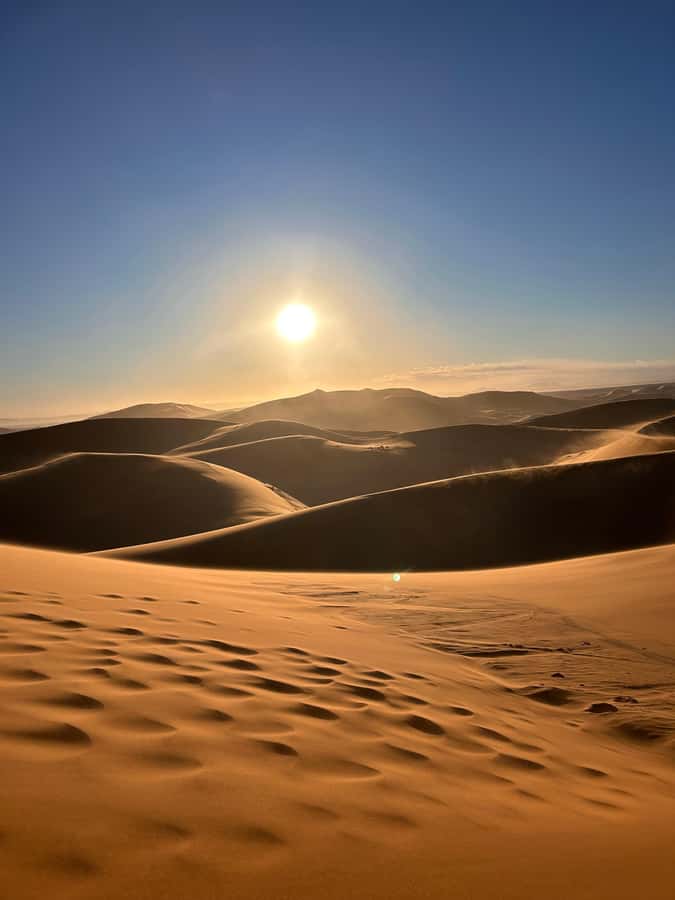
Your day starts early: pickup around 7:45 AM from your hotel or a nearby meeting point in Fes. From there, the route trends south through the Middle Atlas Mountains, which matters because it changes the temperature and the feel of the trip. At first, you’re still in everyday Morocco—cities and towns—then the terrain starts opening up.
The first “pause” stop is usually Ifrane, nicknamed the Switzerland of Morocco because of its clean streets and alpine-style vibe. You’ll have time to walk around and take photos, including with the famous stone lion statue. Even if you’ve never heard of Ifrane before, it’s a good reset after the morning drive and a nice place to stretch your legs before the mountains get more serious.
Practical note
Because you’re traveling by road for much of the day, I like tours that give you short breaks on schedule. This one does, and it’s a big deal. A couple of quick stops can make 8+ hours feel bearable.
Azrou cedar forest: Barbary macaques and the mountain air break
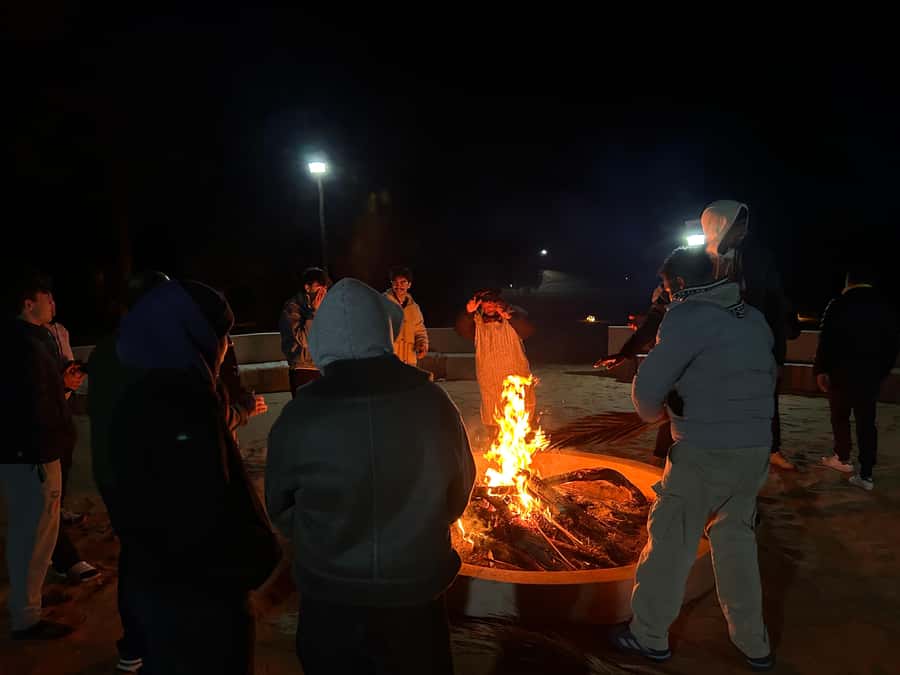
Next comes one of the stops people remember: Azrou’s cedar forest. This is where you’ll see the resident Barbary macaques, and the whole point is to watch them in their natural habitat—often close enough to feel like you’re in the middle of the action.
You’ll want to be careful here. The tour info explicitly reminds you to be careful with interactions, and that’s the right vibe: don’t chase them, don’t try to grab for photos, and don’t act surprised if they’re cheeky. The best approach is simple: keep your distance, watch what they do, and let it be a wildlife moment, not a selfie mission.
What I like about this stop is the contrast. In a couple of hours you’re going from monkeys and cedar air to the first hints of desert mood, where the earth and sky start feeling much bigger than your day.
Midelt lunch and the Ziz Valley: date palms, villages, and a slower view
After the mountains, you land around Midelt for a lunch break. Lunch is not included, but you’ll be directed to a restaurant option. This stop matters because it breaks up the drive and gives you a real chance to eat something warm before the route heads into the Ziz Valley.
From Midelt you continue through the Ziz River region and down into the Ziz Oasis area—date palm groves and fortified villages along the way. Even without stopping long, these stretches help you understand how Morocco “works” outside of the big tourist hubs: agriculture, settlements, and the river systems that keep it alive.

Merzouga arrival: kasbah time and your camel ride into sunset
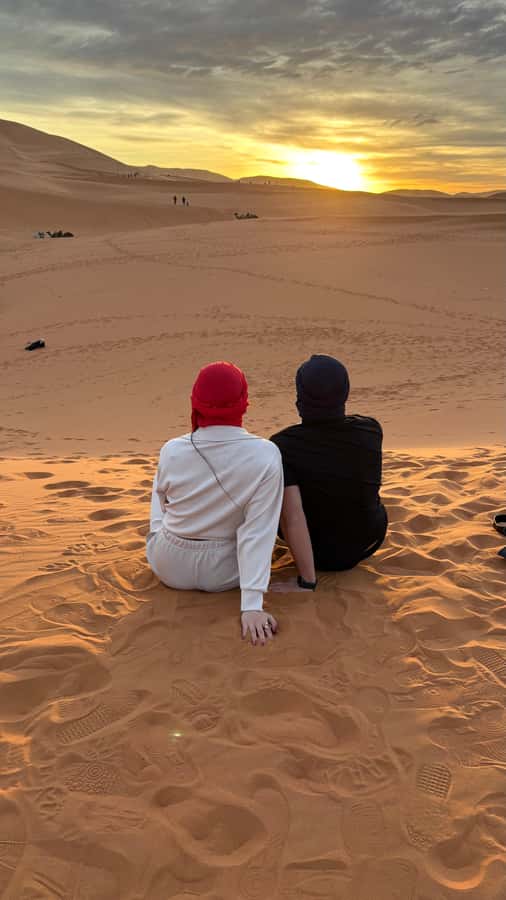
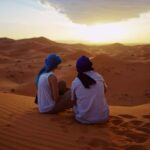
By late afternoon you arrive in Merzouga, at the edge of Erg Chebbi dunes. Timing can vary, but you may have a chance to relax at a local kasbah before the camel trek. That soft landing is worth it because your body is still adjusting from a full day in a vehicle.
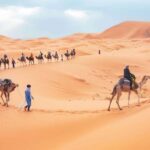
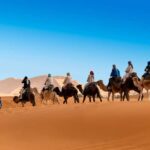
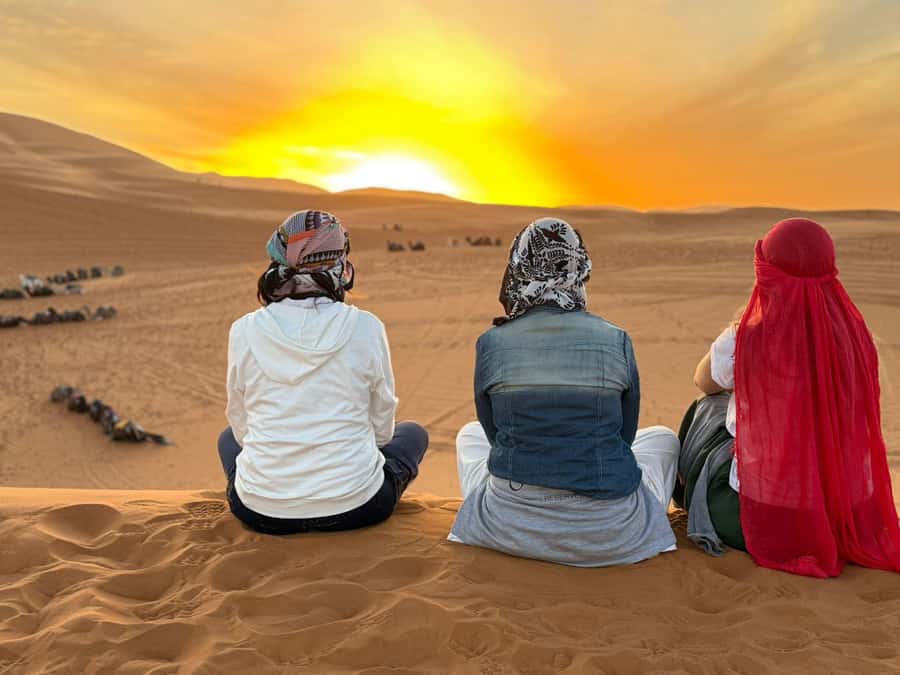
Then comes the highlight mechanism: you ride a camel across the sands for about 20 minutes. The goal is the light—seeing the dunes glow as the sun drops. This portion is not meant to be a long, wandering trek; it’s more about getting the iconic view at the right moment and making the first night in the desert feel cinematic.
A quick reality check: camels are… camels. One of the reviews notes they can be stubborn, and camel rides can be bumpy. If you’re hoping for a perfectly smooth ride, you may be disappointed. If you want the experience of living the moment, it’s a big yes.
If weather changes the plan
In at least one case, rain disrupted the sunset camel ride. The camp handled it by shifting the experience to a sunrise camel option. That’s why having an operator who adapts matters.
Berber camp night: dinner, stars, and how cold it really gets
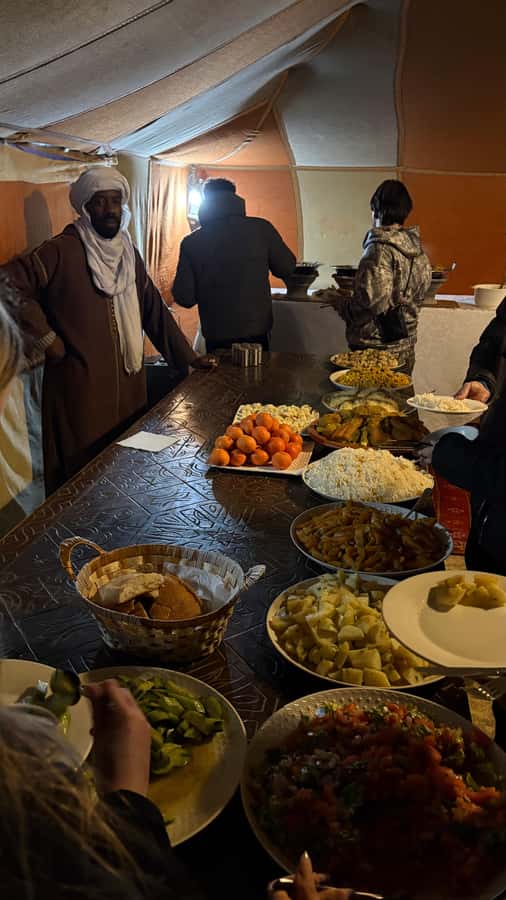
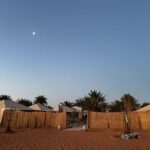
Once you reach the desert camp, you check into your tent. Options can be standard shared/private, or private luxury tents, and the upgrade to luxury is paid per person. From reviews, many camps feel surprisingly comfortable for the setting—some mention private bathrooms and showers, while others note basic differences depending on which option you pick.
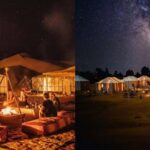
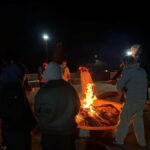
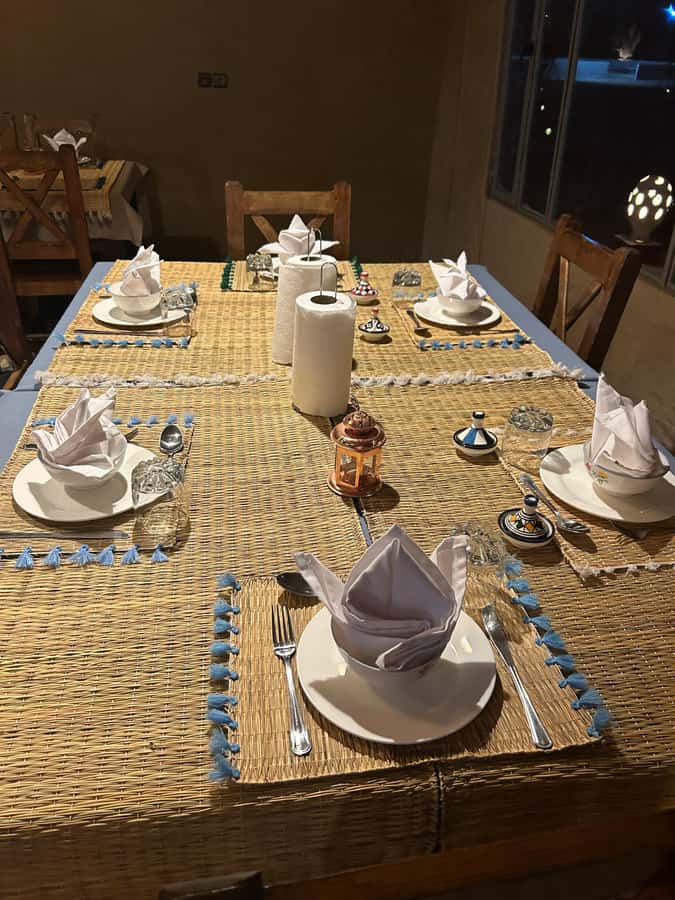
Dinner is included and is described as traditional Moroccan fare. Then there’s the part you’ll remember when you’re back in town: gathering around the campfire and listening to Saharan music performed by locals. If you arrive expecting a quick show, you’ll still enjoy it—but the real value is how natural it feels once the sky goes dark.
The cold is real
Winter desert nights can be brutal (December to February is explicitly cold), and summer days can be scorching (June to August is very hot). Even during non-extreme seasons, the night-to-morning temperature drop catches people off guard. One traveler mentioned their tent was very cold and hoped others would wear more clothes—take that seriously.
Bring layers. Even if you’re fine in daytime heat, you’ll want warm socks, a jacket, and something wind-resistant for the morning dune walk.
Sunrise walk on the dunes, then the long return to Fes or Marrakech
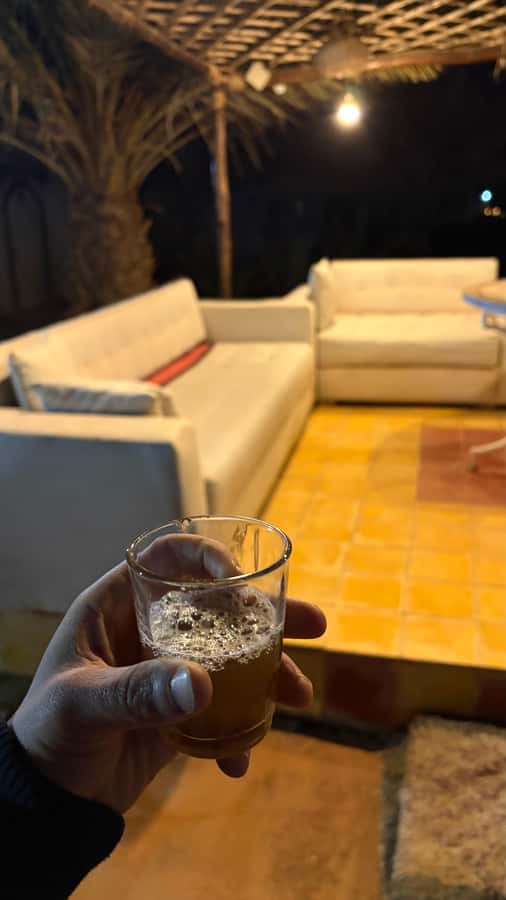
Wake early. The schedule is built around a walk across the dunes so you can watch sunrise from just behind the massive dunes. After that, you can return to your tent to refresh and then have breakfast before heading back.
Then it’s back on the road, with options:
- To Fes: roughly 7 hours after Merzouga
- To Marrakech: longer, often 8 to 10+ hours, depending on stops and traffic
If you choose the Fes-to-desert-to-Marrakech version, you should go in knowing it’s a full day of driving. One review calls out that the route back can feel hasty compared with the drive into the desert.
If you can swing the time, the 3- or 4-day option is recommended in the tour info because it spreads the driving out. For a strict 2-day schedule, you’ll get the desert moments, but you’ll also accept that most of Day 2 is transit.
Driver quality and the “organized chaos” you should expect
The driving and guide side is one of the strongest themes in the feedback—people repeatedly mention friendly, safe, and professional drivers. Names that come up include Moha, Mustapha, Zaki, Driss, Yassine, Ahmed, Hassan, Abdul, Simo, Hafid, Jamal, Oumaima, and Hacem. Not every operator fits every group, but the overall pattern is clear: a good driver can turn a long road day into something you’ll actually enjoy.
That said, a couple of reviews mention a bit of disorganization—especially on the return day, when roles can shift (driver changes, camp staff coordination changes, different group handling). It usually doesn’t ruin the trip. It just means you should stay flexible, keep your timing relaxed, and be ready for a bit of wait-and-see energy in the morning.
What’s included, what costs extra, and what to watch for
Here’s the included mix that makes this tour feel like a deal:
- Transport in 4WD or minibus with AC
- Driver
- Breakfast and dinner
- Camel ride
- 1 night in a desert camp
Not included:
- Lunches
- Drinks and water
Also pay attention to add-ons:
- The luxury camp upgrade is paid per person
- Quad bike (if you book it) is paid per person for one hour
One review also points out water availability can be limited (for example, water only available for purchase during dinner). Another review suggests bringing a towel, since towels weren’t always available at camp. Even if those specifics don’t apply to your exact camp, they’re good reminders: pack for “desert basics,” not “hotel basics.”
Value check: is it worth the ticket?
For many people, it is—because the ticket bundles the hardest parts: getting from Fes to the dunes, the camel sunset moment, and a full evening/night routine. You’re not buying separate tours for transport, camp, food, and camel time. The main tradeoff is you’ll spend a lot of your limited time in the vehicle.
How to stay comfortable on the road and in the tent
A few practical tips make this trip much smoother:
- Plan for heat and cold. The tour info calls out extreme temperatures by season. Pack for both daytime warmth and nighttime chill.
- Bring a small fan if you’re heat-sensitive. AC exists, but airflow may not circulate evenly in summer.
- Bring water habits seriously. Since drinks aren’t included, get your system down early—carry a bottle if you can.
- Expect limited connectivity. Cell service and Wi‑Fi can be weak or unavailable. Share your itinerary with someone before you go.
- Layer for sunrise. Early morning dunes mean chill wind, even when daytime is warm.
And for the camel ride itself:
- Wear comfortable shoes and something you can move in.
- If you’re prone to motion discomfort, take precautions. Camels have their own rhythm.
Who should book this tour, and who should skip it
This is a strong choice if:
- You want a desert experience in a tight time window
- You like road-trip stops—towns, forests, valleys—not just one big destination
- You’re excited by sunrise and sunset timing
- You value food and a camp night with music around the fire
It may not be ideal if:
- You hate long drives. Even the “short” desert schedule has travel time that dominates the calendar.
- You’re very sensitive to cold nights. The desert doesn’t care what season you’re in.
- You need wheelchair accessibility. The tour info says it’s not suitable for wheelchair users.
Should you book this 2-day desert tour from Fes?
Yes, if your priority is hitting the main Saharan icons—Erg Chebbi dunes, camel sunset, camp dinner, and sunrise—without needing a week off. The mix of included meals, a real overnight in a Berber-style camp, and a drive that stops often enough to keep you energized is a solid value for the time you have.
But book with eyes open: you’re signing up for long road days, and you should expect the “desert logistics” feeling in the mornings. If you can upgrade to a luxury camp, it may help comfort depending on season (one review specifically notes A/C differences between standard and luxury options).
If you want, tell me your travel month and whether you’re doing Fes-to-Merzouga-return-to-Fes or the longer push to Marrakech—I can suggest what to pack and what to prioritize for that specific timing.
FAQ
What is included in the 2-day tour from Fes to the desert?
The tour includes transport by 4WD vehicle or minibus with air conditioning, a professional driver, breakfast and dinner, a camel ride, and one night in a desert camp.
Are lunches included?
No. Lunches are not included. You’ll have a lunch break with restaurant options.
Is water or other drinks included?
No. Drinks and water are not included.
How long is the drive from Merzouga to Fes?
It’s about 7 hours from Merzouga to Fes.
How long is the drive to Marrakech?
The drive is long, around 10 hours for the return to Marrakech option, with arrival often around 8 to 9 PM depending on traffic and stops.
When do you see sunrise in the desert?
On Day 2, you wake early and walk across the dunes to watch the sunrise.
Is Wi-Fi or cell service reliable?
Cell service and Wi‑Fi may be limited or unavailable, so it’s smart to share your itinerary in advance.
Is quad biking included?
Quad bike activity is not included. It’s paid per person for one hour, if you choose to do it.
Is this tour wheelchair accessible?
No. It’s not suitable for wheelchair users.