REVIEW · LUXOR
Hurghada: Luxor Tour with Valley of Kings, Karnak & Tut Tomb
Book on GetYourGuide →Operated by OceanAir Egypt · Bookable on GetYourGuide
Luxor from Hurghada is a fast ticket to ancient Egypt. I love the Egyptologist-led walkthrough at Karnak and the chance to stand inside the Valley of the Kings with the option to enter KV62 (Tutankhamun). The tradeoff is simple: it’s a long day with an early start, and the road time can feel tight if you’re tall or sensitive to cramped seating.
What makes this trip feel worth it is the pacing: you don’t just rush past monuments. You get guided context at the big hitters (Karnak, Hatshepsut, the Valley) and short, efficient breaks at places like Luxor Temple and the Colossi of Memnon. Guides such as Huda/Hoda and Mahmoud are repeatedly praised for clear explanations and keeping the group on track, which matters when you’re visiting several sites in one day.
You’ll also appreciate the small-group vibe, capped at 15 people, and the included extras that keep the day smooth: air-conditioned transport, mineral water, local snacks on the way, and lunch in Luxor. Just keep expectations realistic about anything “shop-like” en route, because that stop can divide opinions.
In This Review
- Key highlights to know before you go
- Hurghada to Luxor: early pickup, long ride, and how to survive it
- Karnak Temple: the guided structure tour you’ll actually understand
- Luxor Temple photo stop: quick orientation on the East Bank
- Lunch in Luxor (and that Nile boat moment)
- Colossi of Memnon: short stop, big statue energy
- Hatshepsut’s Mortuary Temple: the female pharaoh made visible
- Valley of the Kings: choosing tombs and making KV62 worth it
- Ramses tomb options and the reality of tomb timing
- The alabaster shop stop: the part you control
- What’s really included for $103, and what you should plan for
- Who should book this Luxor day tour (and who shouldn’t)
- Should you book this Hurghada to Luxor tour?
- FAQ
- How long is the Hurghada to Luxor day trip?
- Is hotel pickup included in Hurghada?
- How small is the group?
- What languages is the live tour guide available in?
- Are entrance tickets included, and do you skip the ticket line?
- Is the Tomb of Tutankhamun (KV62) included for everyone?
- What’s included for lunch, and are drinks included?
- Which Ramses tombs are possible stops?
- What should I bring, and what is not allowed?
- Is the tour wheelchair accessible?
Key highlights to know before you go
- Karnak Temple with an Egyptologist: guided time in the pillared halls and sacred areas, not just a drive-by.
- Hatshepsut Mortuary Temple: a full guided visit that makes the architecture easier to read.
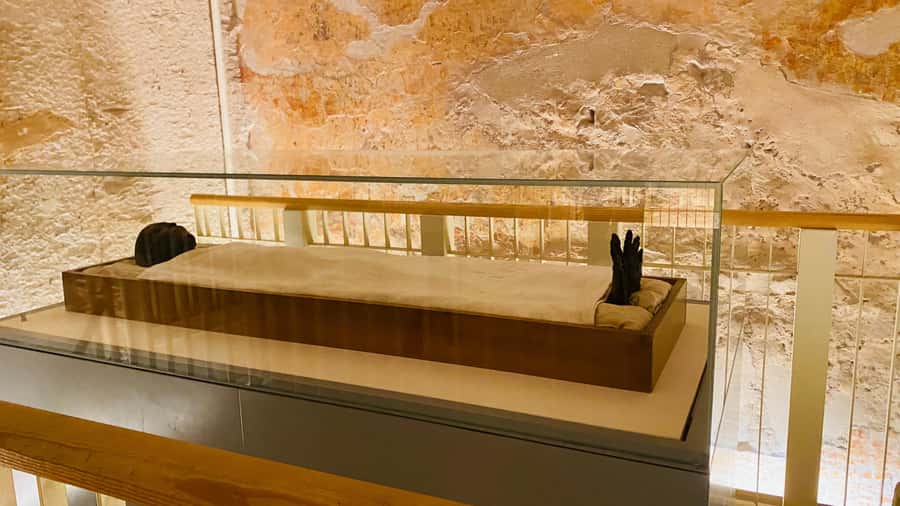
- Valley of the Kings time: guided entry with tomb choices, plus the option for KV62.
- Colossi of Memnon stop: quick, photo-worthy, and tied into the story of Amenhotep III.
- Small group (max 15): easier to hear your guide and move as a unit.
- Lunch in Luxor: included meal at a local restaurant, and you may cross the Nile by short boat as part of the day.
Hurghada to Luxor: early pickup, long ride, and how to survive it
This tour is built around one big reality: Luxor is far from Hurghada, so you start early. Your vehicle meets you at your Hurghada hotel at the exact pickup time arranged the day before. For many departures, the start lands in the pre-dawn hours, so plan on being ready at the meeting point along the highway, not the reception desk.
The drive is long in both directions, and that’s the main drawback most people feel. Even with air-conditioning, a minivan or coach can feel tight, especially for taller travelers. There are a couple of built-in sanity savers: local snacks on the way, mineral water, and a restroom stop (about 15 minutes) on the route.
One more detail: if you’re on a group tour, the van may pick up other guests along the way to Luxor. That can add a little shuffle to timing, so don’t schedule anything urgent the night before. Bring a light layer. Even in warm Egypt, early mornings can be cool on the road.
You can also read our reviews of more tours and experiences in Luxor.

Karnak Temple: the guided structure tour you’ll actually understand
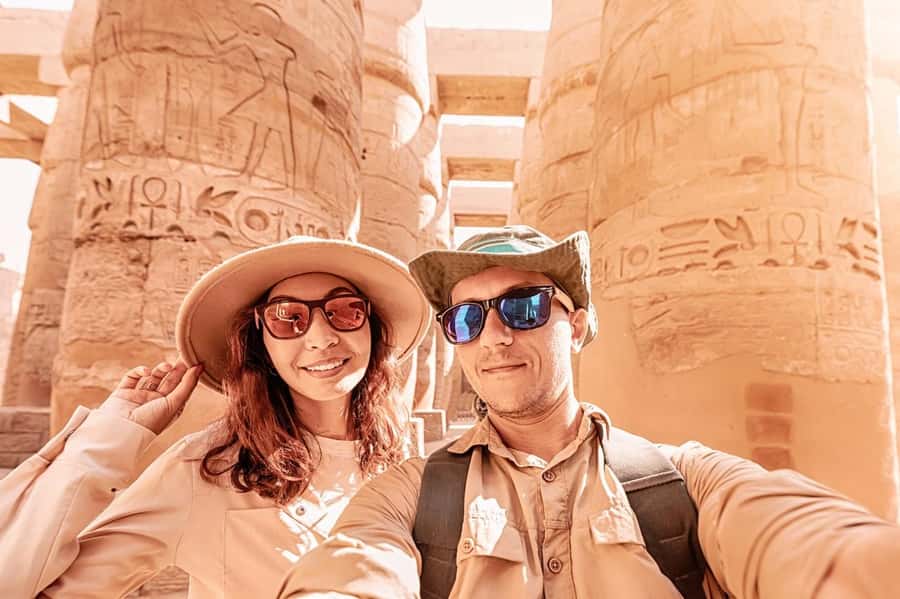
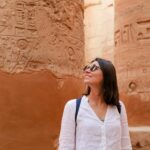
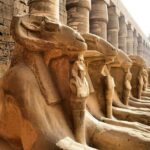
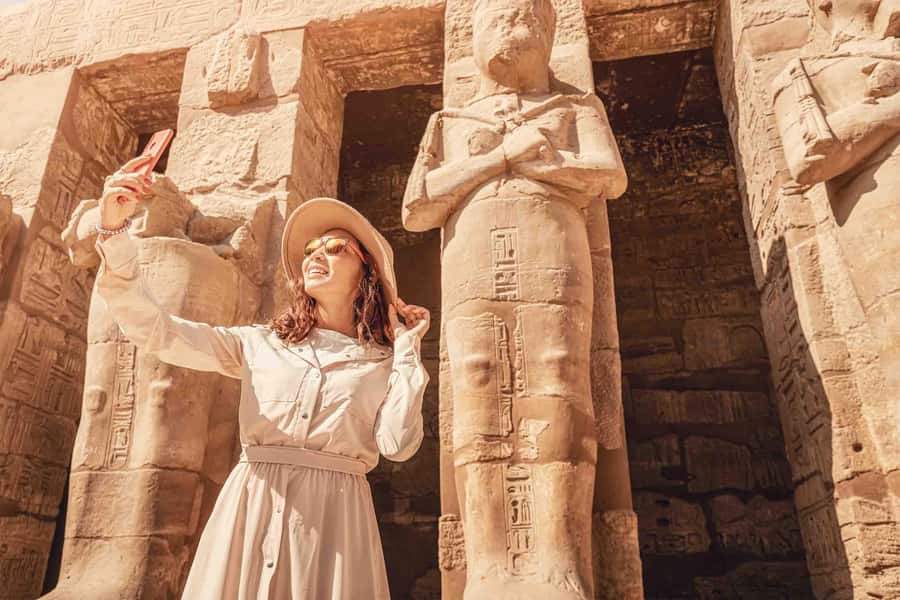
Karnak Temple is one of those places where it’s easy to feel lost in the scale. The smart move here is to have an Egyptologist guide the experience. You’ll get a guided visit with time to walk and see major areas, including the pillared halls, chapels, and the UNESCO-listed sacred lake area.
The biggest value of the guide is not memorizing names. It’s learning how the site functions across time. Karnak wasn’t built in a day. Your guide helps you connect what you’re seeing to who built or expanded it, and why certain spaces mattered for temple rituals.
Also, Karnak can get busy. A focused guided hour helps you get your bearings fast, then you can notice the finer details during any extra roaming. If you like asking questions, this is the moment. The guides tied to this tour are often praised for answering naturally, not with vague answers.
Wear comfortable shoes. The ground can be uneven, and you’ll want your feet to feel fine for the rest of the day.
Luxor Temple photo stop: quick orientation on the East Bank
After Karnak, there’s a short outside photo stop at Luxor Temple. You won’t get a long, slow temple circuit here. Think of it as a visual bookmark that helps you orient the next parts of the day.
Luxor Temple is a nice contrast point to Karnak. If Karnak feels like a forest of columns, Luxor Temple reads more like a statement built for a specific relationship between rulers, gods, and ceremonies. Even in 15 minutes, it helps the day feel connected rather than like separate rides to separate sights.
Don’t treat this stop as “the main event.” Your main event is still ahead: the West Bank sites and the Valley of the Kings.
Lunch in Luxor (and that Nile boat moment)
Lunch is included at a local restaurant in Luxor, with about an hour on the clock. The menu style is described as a local lunch stop, and multiple people mention a buffet setup. Drinks during lunch are not included, so if you want soda or juice, plan to pay for it.
One pleasant surprise in recent departures: a short Nile boat crossing tied to getting to the restaurant. It’s not described as the headline of the tour, but it shows up in the day’s flow often enough that you should be ready for it. If you get it, it turns a transport transfer into an actual mini-experience: you get a different view of the river and you break up the long road time.
If your stomach is sensitive after a very early start, eat slowly. Early mornings plus heat can make lunch hit a little too fast.
Colossi of Memnon: short stop, big statue energy
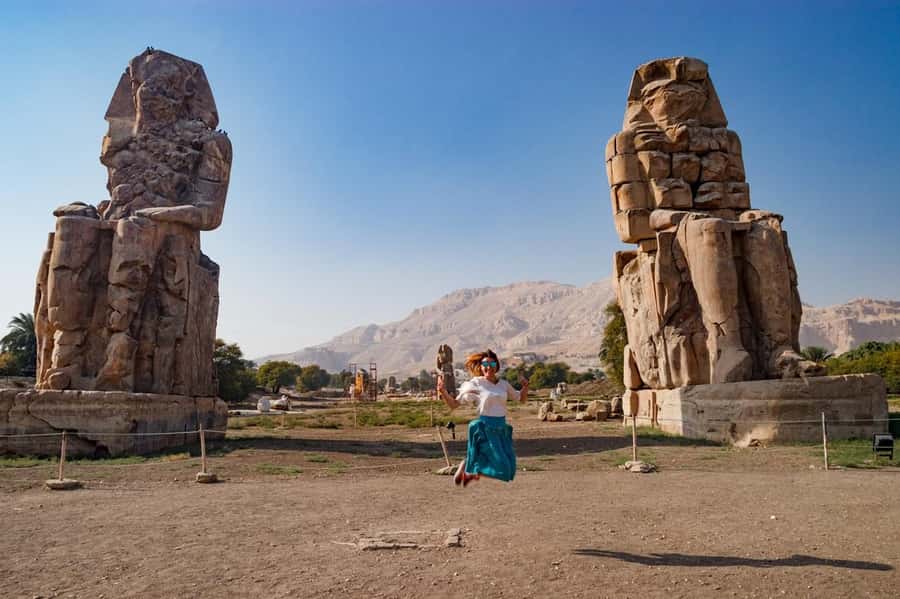
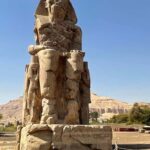
The Colossi of Memnon are two giant stone figures associated with Amenhotep III. The tour gives you a brief guided visit and a quick walk—enough to see them properly and understand why these statues became famous.
This stop works best as a story bridge. They aren’t the same kind of experience as going into a tomb, but they set up the West Bank setting. They also give you a strong photo moment without draining too much time, which matters when your schedule is packed.
Bring your camera, but don’t lose patience for the crowd flow. You’ll usually be moving in a small cluster, and the guide will keep you on schedule for the bigger time blocks.

Hatshepsut’s Mortuary Temple: the female pharaoh made visible
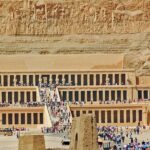
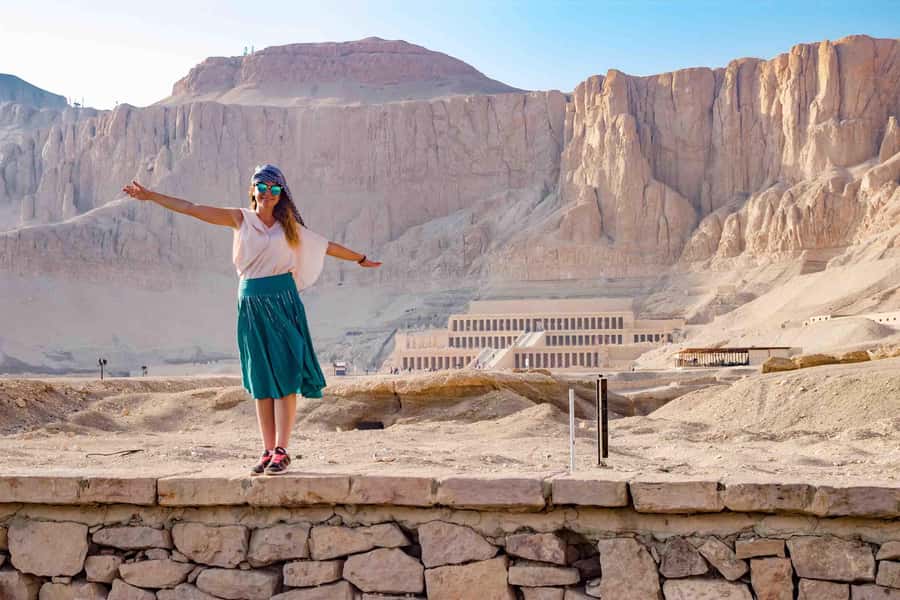
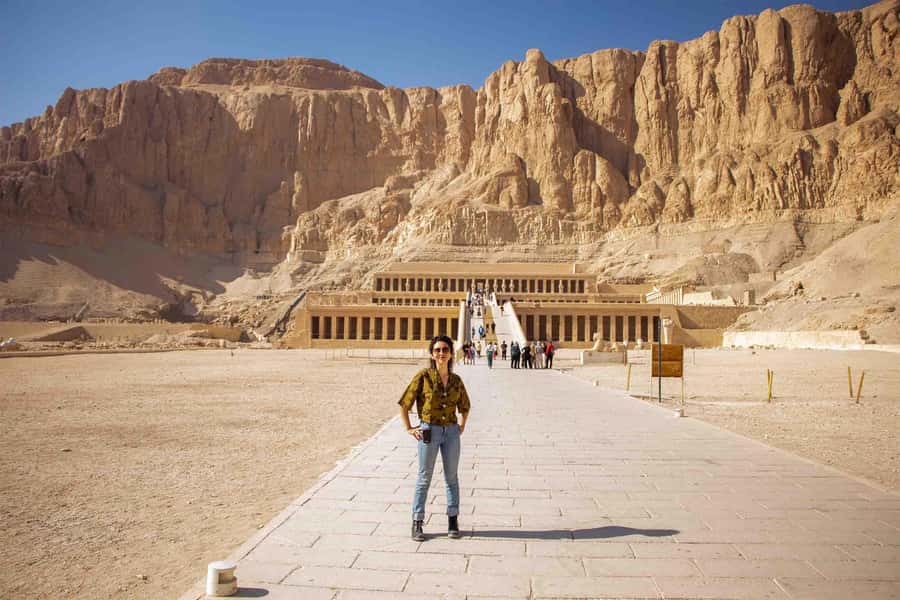
Hatshepsut’s Mortuary Temple is one of the most satisfying stops in the day because it gives you a clear “wow” view and enough time to understand why it’s there. You’ll have a guided visit and walk of about an hour, which is a good chunk for a temple stop in a day-trip schedule.
What I like about this portion is how much it improves your reading of the Valley sites. Hatshepsut isn’t just a name you heard once in school. Her temple helps explain how royal power, afterlife beliefs, and architecture connect along the West Bank.
Your guide’s job here is to point out architectural patterns and explain the story behind them. When the guide does it well, you stop seeing random walls and start seeing a designed message in stone.
Shoes matter here too. You’ll move around enough that you’ll want traction, not flip-flops.
Valley of the Kings: choosing tombs and making KV62 worth it
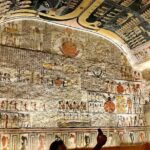
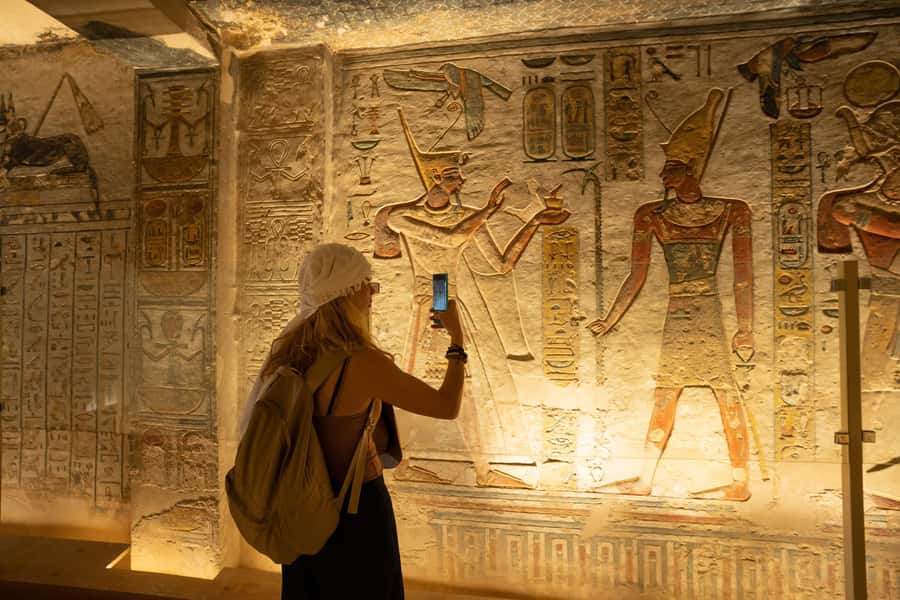
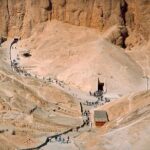
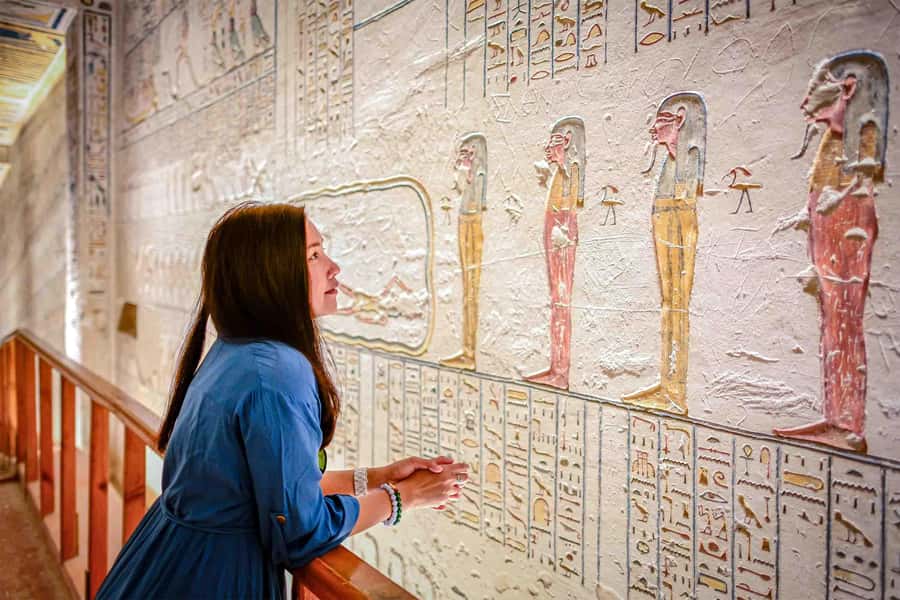
This is the heart of the trip. You’ll visit the Valley of the Kings with guided time (about 1.5 hours) and a walk through key areas of the tomb landscape. The atmosphere is different from the temples. Temples are open-air stories. The Valley is about chambers, ritual, and the physical impact of burial design.
You’ll also have tomb options included. The tour notes multiple Ramses tomb choices you may visit: KV11 (Tomb III), KV2 (Tomb IV), KV1 (Tomb VII), and KV6 (Tomb IX). Which one you get depends on what the day allows, so treat it as part of the flexibility of a group tour.
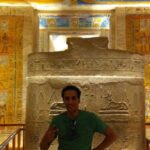
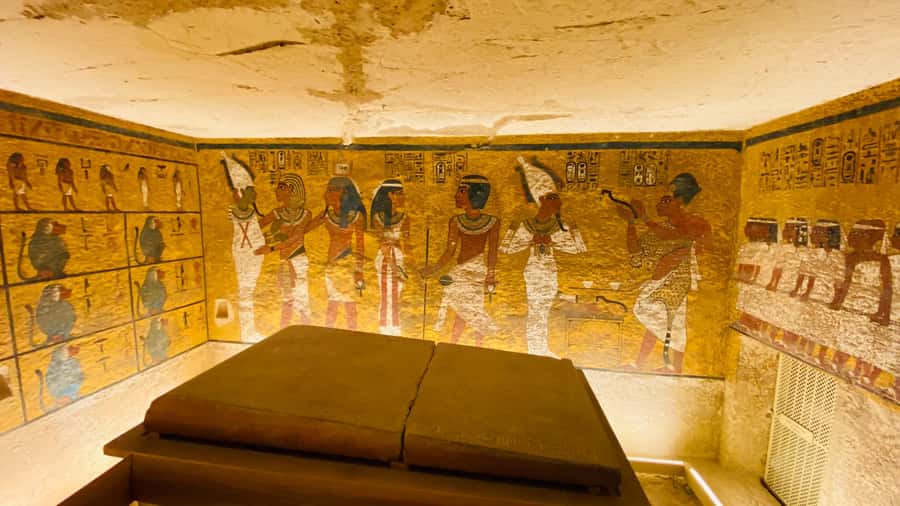
The biggest value add, if your budget allows, is the optional entry to Tutankhamun’s tomb, KV62. The tour includes KV62 only if that option is booked. People who pay for KV62 tend to say it’s worth it because you get one of the most famous tomb experiences in Egypt, not just the general Valley highlights.
Inside tombs, go practical: keep your phone secure. There’s also a real-world warning worth taking seriously. Some people report tomb-area workers holding their phone and implying it can be returned only with a tip. Your best move is simple: keep your belongings close, don’t hand over your device, and follow the staff instructions you’re given directly.
Ramses tomb options and the reality of tomb timing
Tomb entry changes the rhythm of the day. One tomb can be calm and readable. Another can feel tighter, busier, or more time-sensitive depending on the group flow and what’s open.
The tour’s included Ramses tomb possibilities (KV11, KV2, KV1, KV6) are helpful because they give you a strong “royal dynasty” spread even when you can’t guarantee one single tomb. The guide’s role is to help you notice differences in walls, layout, and what the tomb decorations are trying to communicate.
My advice: when you get to tombs, don’t try to memorize everything. Pick a few visual anchors (a scene, a doorway area, a layout feature) and let your guide connect those to the broader story.
Also remember the Valley can be warm and dusty. Long sleeves or light layers can help you stay comfortable, especially if you’re sensitive to enclosed spaces.
The alabaster shop stop: the part you control
A recurring stop on some Luxor day trips is an alabaster factory or shop. Even when the time is short, it can feel like a detour if you’re there for temples and tombs only. People describe this stop as a place you might haggle, and some found it overpriced with little to see.
Here’s how to handle it without stress:
- If you want nothing, you can mostly treat it as a quick walk-through.
- If you do want something, set a hard budget before you enter.
- Don’t feel pressured to buy because you’re in front of staff.
This is also where it helps to travel with small change. Tombs and restrooms can require Egyptian Pounds for convenience.
What’s really included for $103, and what you should plan for
At about $103 per person, the value comes from the package of essentials for a far-away day trip. You get pickup and drop-off from Hurghada, air-conditioned transport, and an Egyptologist guide for the main sites. Entrance tickets are included, and you even get help skipping the ticket line.
Food is also covered in a way that matters. You’ll get local snacks on the road, a mineral water bottle, and lunch in Luxor. Drinks during lunch are not included, so that’s one cost to expect if you want more than water.
Not included items are the usual personal expenses: souvenirs, drinks, and anything you decide to buy on-site. The tour also says luggage or large bags aren’t allowed, so travel light. A small day bag is the practical option.
One more small practical note: keep some Egyptian Pounds for restrooms. This helps you avoid the “do I have cash” scramble mid-day.
Who should book this Luxor day tour (and who shouldn’t)
This tour fits you best if you want a first-time, high-impact Luxor day with strong guidance. If you love Egypt’s big names—Karnak, Hatshepsut, the Colossi, and the Valley—this hits them in one long sweep.
It also works for families if your kids can handle early starts. There are reports of families with children (ages around 6 and 8) enjoying the day with multiple breaks and enough pacing.
Skip it if:
- you hate very early mornings,
- you’re uncomfortable in long coach rides,
- you need wheelchair access (it’s not suitable for wheelchair users),
- or you prefer slow travel with fewer stops.
If you’re the type who wants a “one site, one day” approach, you might feel rushed. But if you want maximum Egypt per day, this is built for you.
Should you book this Hurghada to Luxor tour?
Yes, I’d book it if your priority is guided, high-value sights in a single day and you can handle the long travel time. The combination of Karnak with an Egyptologist, a guided Hatshepsut Mortuary Temple, and the Valley of the Kings with the option for KV62 is exactly the kind of lineup that saves you from guessing and piecing together tours on your own.
Book the KV62 add-on if it’s within budget. It’s the one choice that most clearly turns this from a solid overview into a signature Egypt memory.
My final nudge: pack for comfort, keep your phone secure inside tombs, and go into the day knowing you’ll be on the move. Luxor is worth it, even when your hotel alarm goes off absurdly early.
FAQ
How long is the Hurghada to Luxor day trip?
The duration is 15 hours.
Is hotel pickup included in Hurghada?
Yes. Pickup is included from your Hurghada hotel, and you’re asked to wait at the main gate along the highway, not the reception area.
How small is the group?
The tour is a small group limited to 15 participants.
What languages is the live tour guide available in?
The live tour guide is available in English, French, and German.
Are entrance tickets included, and do you skip the ticket line?
Yes. Entrance tickets to the attractions are included, and you get access to skip the ticket line.
Is the Tomb of Tutankhamun (KV62) included for everyone?
The visit to the Tutankhamun tomb (KV62) is included if you book the KV62 option.
What’s included for lunch, and are drinks included?
Lunch at a local restaurant is included. Drinks during lunch are not included.
Which Ramses tombs are possible stops?
Ramses tomb visits may include KV11 (Tomb III), KV2 (Tomb IV), KV1 (Tomb VII), and KV6 (Tomb IX).
What should I bring, and what is not allowed?
Bring your passport or ID card, comfortable shoes, and a hat. Luggage or large bags are not allowed.
Is the tour wheelchair accessible?
No, it is not suitable for wheelchair users.