REVIEW · FES
From Fez: 3-Day Merzouga and Ouarzazte Tour to Marrakech
Book on GetYourGuide →Operated by El Ouarti Voyagistes-Tourisme · Bookable on GetYourGuide
A long drive, short on time, big on wonder. This Fez to Marrakech route hits the Atlas Mountains, then drops you into the orange dunes of Merzouga for a camel trek and a desert-camp night. I like that it’s structured enough to feel easy, but still packed with real stops like cedar-forest breaks and kasbah country with Ait Benhaddou.
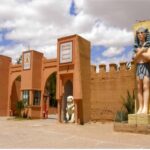
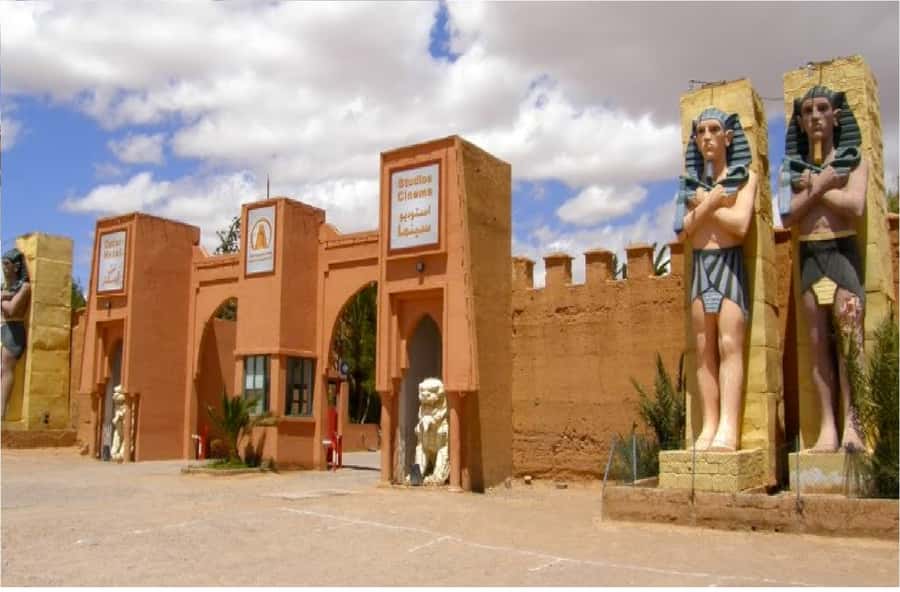
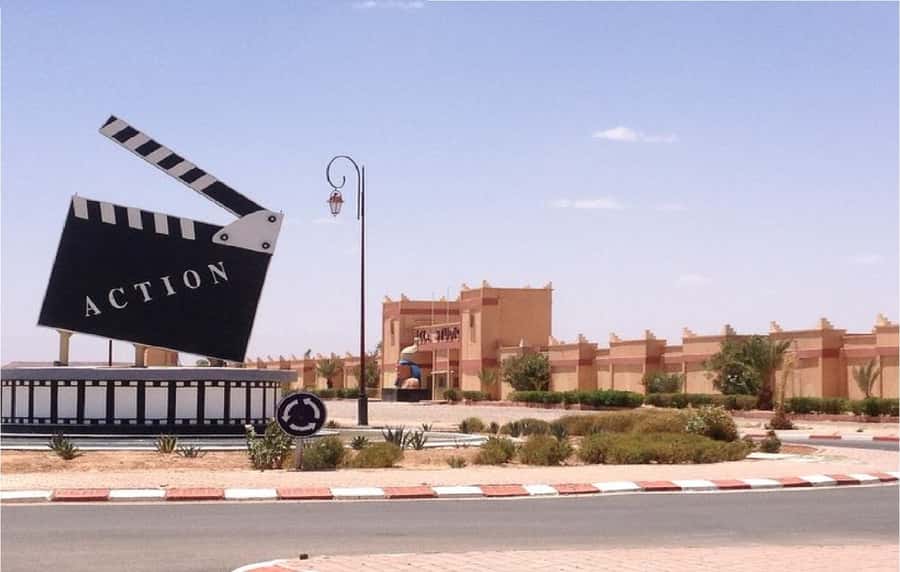
What I really like is the mix of iconic places and “wait, that’s Morocco” moments: camel riding in the dunes, plus time around the sights that put the region on the map, from Todra Gorge to the film-studio zone near Ouarzazate. I also like the small-group setup (limited to 17), and the fact that many guides drive the day like a plan, not a race, with English or French communication from drivers like KWISKITA, Karim, Mounir, or Momo.
The main drawback to plan around is that it’s a 3-day, two-night sprint. You spend plenty of hours in the van, and lunches often mean extra cost at places that can feel pricey (and sometimes not great). If you want more Sahara time, consider a longer version.
In This Review
- Key moments worth planning for
- Why Fez to Marrakech works in just 3 days
- Day 1: Fez to Merzouga with Ifrane, Midelt, and camel trekking
- What to watch out for on Day 1
- Day 2: Todra Gorge, Dades Valley, and the road of 1,000 kasbahs
- The real Day 2 trade-off
- Day 3: Ait Benhaddou kasbah, Atlas Mountain passes, and arrival in Marrakech
- What to plan for on the final day
- Merzouga desert camp: what you’ll love (and what you should expect)
- My practical camp advice
- Transport, timing, and the small-group feel
- What to expect about the “drive-heavy” reality
- Food and lunch costs: the price you should mentally budget
- Price and value: is $170 a smart deal here?
- Guides change the trip: names to remember and what to look for
- Who should book this tour (and who should pick a longer one)
- Should you book this Fez to Marrakech Sahara tour?
- FAQ
- How long is the tour?
- Is camel trekking in Merzouga included?
- Where do I sleep during the 3 days?
- What meals are included?
- Are lunches included in the price?
- Are entrance fees for Atlas Studios included?
- What language will the driver speak?
- How big is the group?
- Is the tour wheelchair accessible?
- What is the cancellation policy?
Key moments worth planning for
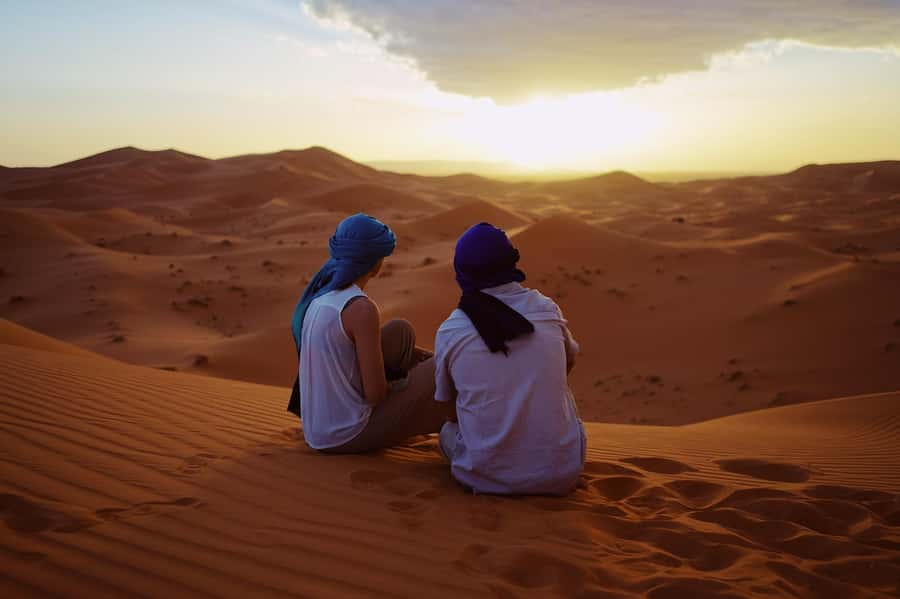
- Merzouga camel trek at sunset and sunrise timing (dunes change color fast)
- Two different sleeping styles: desert camp one night, Ouarzazate riad or hotel the next
- Atlas-to-Sahara variety: Middle Atlas stops, then gorge and valley days
- Ait Benhaddou timing: you’ll reach the kasbah before Marrakech traffic eats the day
- Guide skill really matters on long mountain roads (you’ll feel it in comfort and pacing)
- Lunch is on you: build in cash for extra meals along the way
Why Fez to Marrakech works in just 3 days
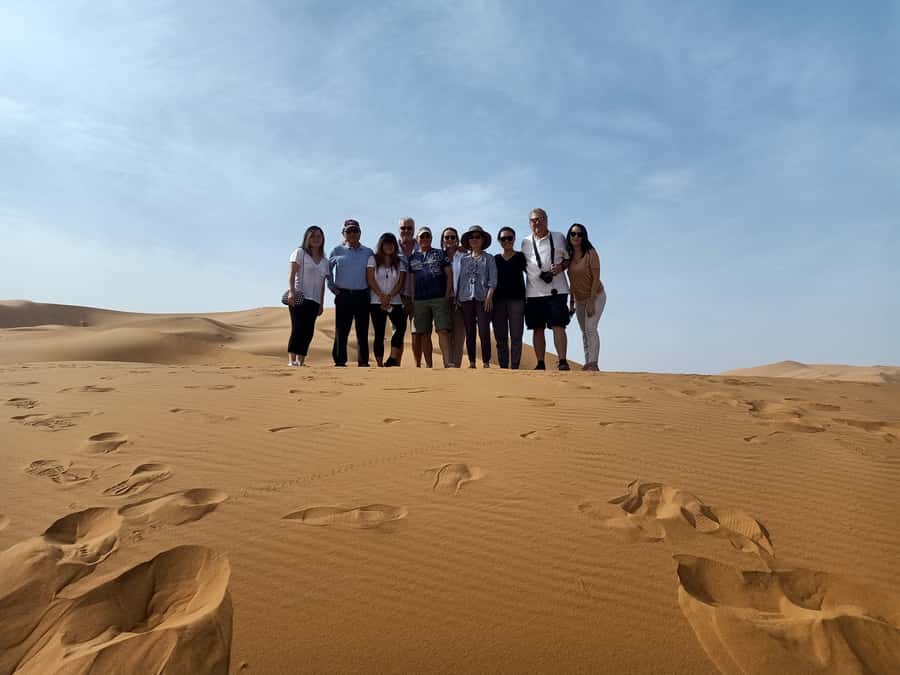
This tour is basically a guided road trip through the big geography of Morocco. You start in Fez, cross the Middle Atlas area, then swing south toward the desert, and finish in Marrakech. The payoff is that you don’t just “see the Sahara.” You also see how the terrain changes from pine/cedar countryside to rock valleys and kasbah zones.
At $170 per person for 3 days, the value comes from what’s bundled: air-conditioned transport, an English/French professional driver, fuel, pick-up and drop-off, a local camel guide, one night in Merzouga camp, and a second night in Ouarzazate. For a route this long, that’s often the difference between a smooth trip and a day of DIY headaches.
Just be honest with yourself about the pace. The car time is real. Even when stops are frequent, this is not a slow “linger in one place” kind of journey.
You can also read our reviews of more tours and experiences in Fes.
Day 1: Fez to Merzouga with Ifrane, Midelt, and camel trekking
Your day starts early—around 7:30am departure from your hotel in Fez. You head through the Middle Atlas, with stops for views and quick breaks. One of the most fun early moments is the Ifrane area, known for its cedar forest feel, plus a chance to see monkeys up close and even hand feed them during the stop.
Then you pass through Midelt for lunch. This matters because it’s a reset point after morning driving. Midelt also helps you break up the day so you arrive in Merzouga feeling human, not fried.
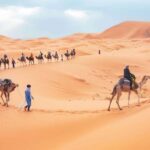
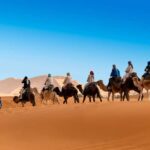
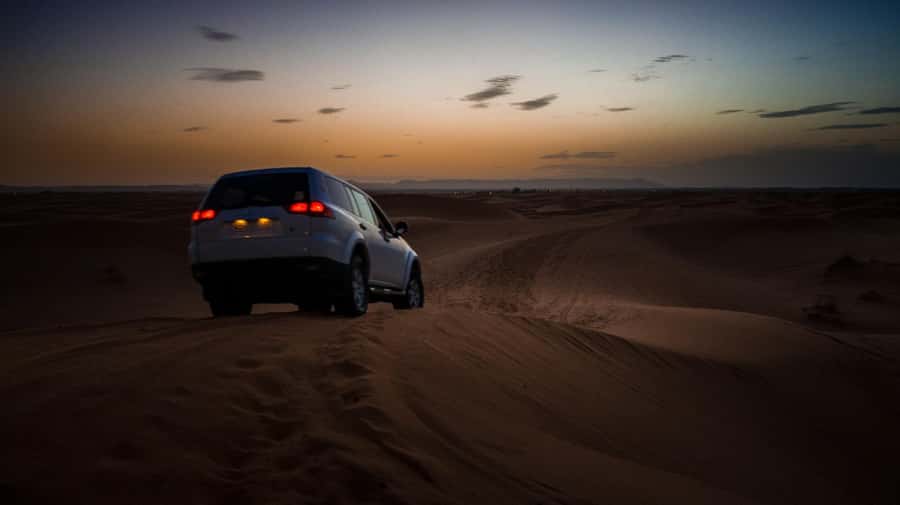
By the time you reach Merzouga, the schedule shifts from road trip to desert time. You’ll do camel trekking across the dunes. This is the key experience of the whole tour. On a camel, everything slows down in a good way: you notice the wind, you hear the silence, and the dunes feel endless in a way you can’t recreate from a bus window.
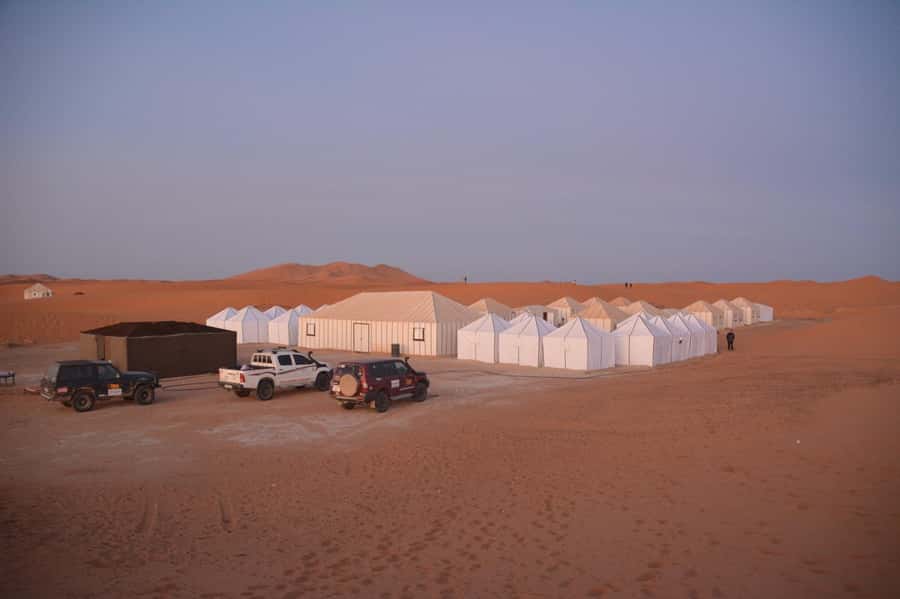
When you arrive, you’ll have dinner and an overnight in an equipped camp. Many tours in this area aim for “comfortable rustic,” and Merzouga camps often include private options depending on the camp setup you get. One consistent message: don’t think this is a hotel, but it can still be cozy, and the camp experience is a big part of why people rate this trip so highly.
What to watch out for on Day 1
Dress for temperature swings. Even if you start in mild weather, the desert can turn chilly later, especially in winter. Bring layers you can peel on the drive and put back on when the sun goes down.
Day 2: Todra Gorge, Dades Valley, and the road of 1,000 kasbahs
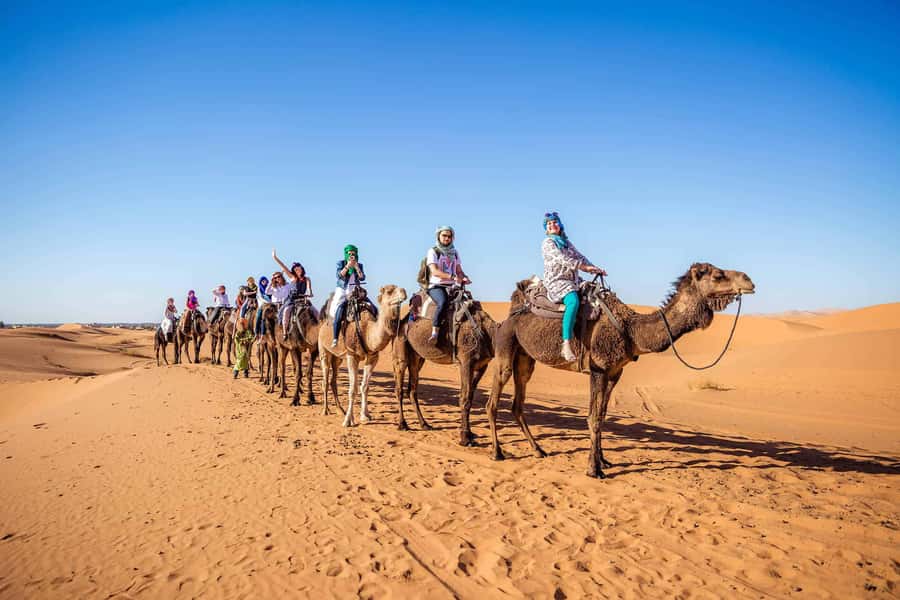
Day 2 starts with an early rhythm. You get up, take camel trekking back to where breakfast is served, and then you’ll enjoy breakfast and a shower before heading out. That shower moment matters more than you’d think after sand dust and early morning.
Then the day becomes a “south Morocco greatest hits” drive. You go toward Todra Gorge—the name alone is worth it. Expect tall rock walls and a canyon vibe that feels dramatic compared to the sand. After Todra, you continue toward the Dades Valley, which is built around rock formations and kasbah scenery.
Along the way you’ll travel parts of what’s sometimes described as the road of 1,000 kasbahs. You’ll likely stop at places like Kalaat M’gouna, which helps break up the long drive and adds local texture beyond just the famous canyon moments.
The day’s final move is reaching Ouarzazate, where you sleep at a hotel/riad with dinner included. If you’re the type who worries about “will we actually sleep somewhere nice after the desert,” this is where the trip can surprise you in a good way. Ouarzazate lodging is often a step up from camping.
The real Day 2 trade-off
Day 2 packs in many stops, but it’s still mostly a driving day between highlights. Also, lunch can be an extra cost and sometimes tied to pricier stops. If you’re the “I want great food at fair prices” type, I’d set expectations accordingly and pack snacks you like for the long stretches.

Day 3: Ait Benhaddou kasbah, Atlas Mountain passes, and arrival in Marrakech
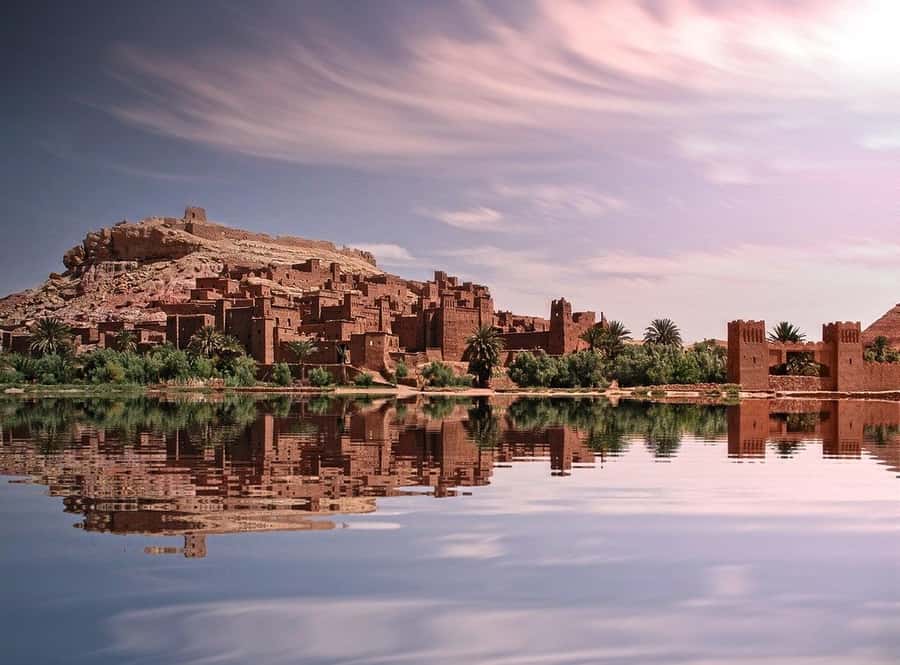
After breakfast in Ouarzazate, you head to Ait Ben Haddou, one of Morocco’s best-known kasbah sites. This stop is a major reason the tour finishes strong. The kasbah area is visually intense and easy to understand: you’ll see why it’s been used for film and why people treat it like a must-do.
From there, you continue through the high peaks of the Atlas Mountains, with chances to glimpse Berber villages along the way. You’re not just driving through scenery here; you’re crossing cultural zones and seeing how settlements sit against the mountains.
Finally, you’re dropped off in Marrakech. Marrakech traffic can be chaotic. A strong guide will handle drop-offs carefully so everyone gets to their accommodation without you having to sprint through the medina chaos with bags.
What to plan for on the final day
Day 3 is the “get ready to travel again” day. Wear comfortable shoes, and keep your essentials accessible. Ait Benhaddou is the kind of place you might want to slow down for photos and just look, so don’t plan a huge extra add-on right after.
Merzouga desert camp: what you’ll love (and what you should expect)
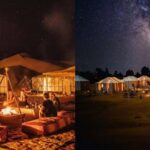
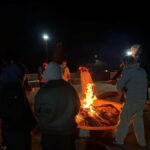
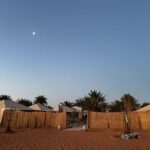
The desert camp in Merzouga is the emotional core of this trip. The most praised parts tend to be the camel trek plus the camp night itself. Many camps offer a private-tent style setup (some with private bathroom options depending on the camp). Dinner is usually part of the package, and camp nights can include music and gathering around the fire.
Still, it’s not a full “stay in the desert for days” experience. You’re there one night, and your time is timed to fit the route. That can feel short if you came specifically to unplug for a long stretch.
Food quality can vary. Some people find the camp dinner totally fine, while others complain it’s limited or not their favorite. The practical takeaway: don’t center your expectations on gourmet meals. Center them on the dunes, the light, the night atmosphere, and the camel experience.
My practical camp advice
- Bring warm layers for night and early morning.
- If you’re picky about meals, consider carrying small snacks.
- If private-tent comfort matters to you, ask ahead what type of tent setup you’ll receive in Merzouga.
Transport, timing, and the small-group feel
This tour runs in a small group limited to 17 participants. Most of the time, that means fewer strangers and more flexible breaks. Reviews consistently credit drivers for safe mountain driving and smooth handling of long distances.
You travel in an A/C vehicle with fuel included, and you’ll have a professional driver who speaks English and French. Pick-up and drop-off are included, so you don’t have to coordinate taxis at either end.
Wheelchair accessibility is marked as available. That said, desert experiences involve stairs, sand walking, and long transfers, so you should confirm how they handle access for your exact needs.
What to expect about the “drive-heavy” reality
You’ll spend lots of time on the road. That’s part of the deal with Fez–Merzouga–Marrakech. The good news: drivers often build in frequent stops, and the group size makes it easier to keep the day comfortable.
If you easily get car sick, plan for it. Mountain roads and long hours are exactly the combo that can make some people feel queasy.
Food and lunch costs: the price you should mentally budget
Lunches and drinks are not included. That’s standard for many Morocco multi-day tours, but it’s also where value can feel uneven.
In practice, a few different patterns show up:
- Lunch is often handled at restaurants set up for tourists.
- The price can be noticeably higher than you’d pay locally.
- Food quality isn’t always consistent, and some people mention mediocre meals or even upset stomachs on longer driving days.
So how do you handle this without stressing?
Bring a small budget cushion for lunches and drinks. Also consider having a plan for quick snacks so you aren’t stuck waiting hungry during driving breaks.
Price and value: is $170 a smart deal here?
For $170 per person, you’re paying for logistics across a huge distance: A/C transport, a driver, fuel, pick-up/drop-off, a camel guide, one night in Merzouga luxury desert camp, plus one night in Ouarzazate at a hotel/riad. Meals included cover dinners and breakfasts at both overnight stops (the exact list says 1 dinner and 1 breakfast in Merzouga and 1 dinner and 1 breakfast in Ouarzazate).
What you don’t get for that price:
- Lunches and drinks
- Entrance fees for Atlas Studios in Ouarzazate
This is why it can be a great value if you want a guided route and don’t want to manage transport and transfers yourself. You’re also buying peace of mind for desert transfers and the camel trek logistics, which are not trivial if you try to arrange everything separately.
If you’re the type who loves great food and dislikes tourist-trap pricing, you may feel the value shifts because lunches are extra. But that’s solvable: plan to spend less on lunches by choosing simple items when you can, or supplement with snacks you bring.
Guides change the trip: names to remember and what to look for
A recurring theme is that the driver/guide’s attitude sets the tone. Many strong experiences are credited to names like Mounir, KWISKITA, Karim, Tarek, Hafid, and Momo. What those guides seem to share is clear communication, careful driving, and making sure the group keeps moving without feeling rushed.
You can also see different styles:
- Some guides are very organized with timing and drop-offs, including handling Marrakech traffic calmly.
- Others offer flexibility if you want longer stops for photos.
- A few focus on learning moments—explaining what you’re seeing, pointing out cultural details, and helping you avoid common scams.
When you book, the best “filter” you can use is not just price. Look for confirmation on driver communication style (English/French), and ask your operator whether the day is timed strictly or flexible with photo stops.
Who should book this tour (and who should pick a longer one)
This is ideal if:
- You’re short on time and want Sahara plus kasbahs plus Atlas in one package
- You want an organized transfer with a desert camel guide
- You like the idea of a once-in-a-lifetime camel trek and desert-camp night without arranging everything yourself
It’s less ideal if:
- You hate long car days. This is drive-heavy, even with stops.
- You want lots of desert time. With only two nights total and a tight schedule, the desert is memorable, not a long stay.
- You’re highly sensitive about food quality during road stops. Lunches are extra, and some meals on these routes have been a weak spot.
If you’re truly in love with the desert idea, consider a longer tour (even one extra day can reduce some of the driving pressure). People who do longer versions often get more time to enjoy the dunes without feeling on a schedule.
Should you book this Fez to Marrakech Sahara tour?
If you want the Sahara as the headline, this is a solid booking. The camel trekking in Merzouga, the camp night atmosphere, and the mix of Todra Gorge, Dades Valley, and Ait Benhaddou give you real “Morocco variety” without needing complicated planning.
I’d book it if you can handle:
- early starts
- long road hours
- lunch being an extra cost
I wouldn’t book it if your top priority is resting, quiet time, or gourmet dining. For those needs, you’ll be happier with a slower plan or a longer desert stay.
If you do book, pack warm layers, budget extra for lunches, and pick a guide style you’ll enjoy. On this route, that choice can turn a good trip into a memorable one.
FAQ
How long is the tour?
The tour duration is 3 days.
Is camel trekking in Merzouga included?
Yes. The tour includes a local camel guide and camel trekking in the Merzouga dunes.
Where do I sleep during the 3 days?
You’ll spend one night in a luxury desert camp in Merzouga and one night in a hotel/riad in Ouarzazate.
What meals are included?
The tour includes breakfast and dinner on both overnight stops (Merzouga and Ouarzazate).
Are lunches included in the price?
No. Lunches and drinks are not included.
Are entrance fees for Atlas Studios included?
No. Entrance fees for Atlas Studios in Ouarzazate are not included.
What language will the driver speak?
The driver is listed as speaking English and French.
How big is the group?
It’s a small group with a maximum of 17 participants.
Is the tour wheelchair accessible?
Wheelchair accessibility is marked as available.
What is the cancellation policy?
Free cancellation is available up to 24 hours in advance for a full refund.